Note: This article is written for web publication and synthesizes verified information from reputable U.S. fact-checking, technology, news, social media, and consumer education sources. No source links or unnecessary citation placeholders are included.
Introduction: The Hoax That Made Instagram Look Like a Digital Town Square With Panic Buttons
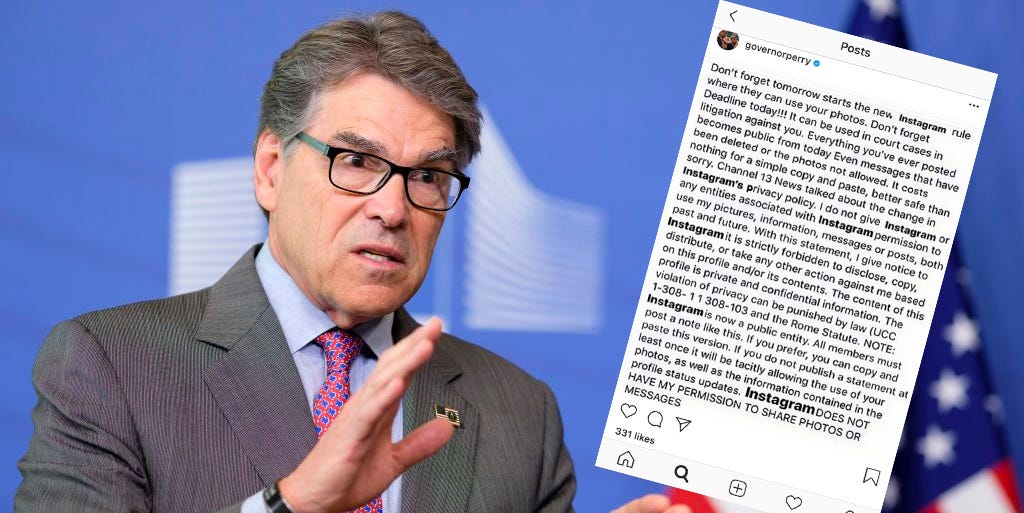
In August 2019, Instagram users woke up to a strange kind of social media thunderstorm. A screenshot began spreading across feeds and Stories claiming that Instagram was about to change its rules, make users’ private photos public, and gain permission to use people’s posts in mysterious legal situations. The post sounded urgent, official, and dramatic. It also looked like it had been designed in a hurry by someone wrestling with a broken keyboard.
The viral warning told users that they needed to repost a statement declaring that Instagram did not have permission to use their photos, messages, or profile information. According to the message, failure to copy and paste the notice would somehow allow Instagram to access and use everything. It even referenced legal-sounding phrases and vague news sources to make the claim appear serious. In reality, the entire thing was false.
The Instagram Hoax 2019 became a perfect example of how online misinformation spreads when fear, confusion, and famous people all walk into the same digital room. Celebrities, politicians, influencers, and everyday users shared the fake privacy notice. Some deleted it later. Others were gently roasted by the internet, which is basically the online version of getting pelted with popcorn.
But behind the jokes was a serious lesson: people care deeply about privacy, ownership, and control over their online content. The hoax worked because it touched a real nerve. Instagram users may not read every line of a platform’s terms of use, but they definitely do not want their vacation photos, family pictures, private messages, or embarrassing 2013 filter experiments suddenly appearing in a courtroom drama.
What Was the Instagram Hoax 2019?
The Instagram Hoax 2019 was a viral privacy notice that falsely claimed Instagram was changing its terms of service. The message warned that users’ photos, deleted posts, messages, and personal content could become public unless they reposted a specific disclaimer. The post suggested that copying and sharing the text would protect users’ rights.
That claim was completely false. Posting a screenshot or caption on Instagram does not rewrite the legal agreement between a user and the platform. It does not cancel terms of service, create a private contract, or magically throw a privacy force field around your brunch photos. Social media law does not operate like a schoolyard chant: “I said no takebacks, therefore the corporation must obey.”
The hoax used familiar chain-message tactics. It created urgency by saying the change would happen “tomorrow.” It used fear by claiming deleted content could become public. It tried to look official by mentioning legal codes and a supposed news report. And it gave people an easy action: repost this notice. That simple formula helped the hoax spread quickly.
Why Did So Many People Believe It?
The message was not convincing because it was well written. It was convincing because it sounded like something that could happen in a world where privacy policies are long, confusing, and usually read with the same enthusiasm people reserve for assembling flat-pack furniture.
1. Privacy Anxiety Is Real
Most users know that social media platforms collect data, use algorithms, and have complex advertising systems. Many people feel unsure about what they actually agreed to when they created an account. The hoax took that uncertainty and turned it into a dramatic emergency. When users already feel nervous, even a badly formatted warning can seem worth sharing “just in case.”
2. The Message Looked Like a Protective Action
The fake notice gave users something easy to do. Reposting a statement feels active. It feels responsible. It feels like locking the front door before bed. Unfortunately, in this case, it was more like locking a drawing of a front door and hoping burglars respect art.
3. Famous People Shared It
One major reason the Instagram Hoax 2019 gained attention was that public figures shared it. Reports at the time noted that celebrities, entertainers, and political figures were among those who reposted the message. When users see well-known people sharing something, they may assume someone checked it first. That assumption is dangerous. Fame is not fact-checking. A blue checkmark does not come with a built-in legal department, though it probably should come with a tiny pop-up that says, “Are you sure, champ?”
4. Legal Jargon Made It Sound Serious
The hoax referenced legal concepts such as the Uniform Commercial Code and the Rome Statute. These references were irrelevant to Instagram’s privacy rules, but they served a purpose: they made the message look official to people who were not familiar with the law. This is a common misinformation tactic. Sprinkle in enough legal dust, and suddenly nonsense can look like paperwork.
The Truth About Instagram, Ownership, and User Content
One of the biggest misunderstandings behind the hoax involved ownership. Many users feared that Instagram could “own” their photos simply because they uploaded them. In general, Instagram’s terms have stated that users own the content they post, but they grant Instagram a license to host, display, distribute, and use that content in ways connected to operating and improving the service.
That distinction matters. Ownership and license are not the same thing. If you take a photo, you generally hold rights to that original content. But when you upload it to a platform, you agree to certain platform terms. Those terms allow the service to show the photo to your followers, store it on servers, display it in the app, and perform other technical and business functions necessary for the platform to work.
What the 2019 hoax got wrong was the idea that a user could override those terms by posting a public disclaimer. You cannot change a platform agreement by adding a caption to your Story. If that worked, people would be canceling gym memberships by whispering “I object” into a treadmill.
How the Hoax Spread Across Instagram
The Instagram Hoax 2019 spread because it fit perfectly into the mechanics of social media. It was visual, easy to repost, emotionally charged, and short enough to scan quickly. People did not need to read an article or understand a policy document. They only needed to screenshot, share, and move on.
Fear Moved Faster Than Verification
The warning played on a classic fear: losing control. It suggested that if users failed to act immediately, Instagram could use their content without permission. The urgency discouraged people from pausing. When a message says “deadline today,” many users react first and verify later. Unfortunately, “later” often arrives after the post has already reached thousands of people.
Stories Made It Easy to Repost
Instagram Stories helped the message circulate quickly. A screenshot could be shared in seconds. Because Stories disappear after 24 hours, they often feel casual and low-risk. Users may be more willing to share something questionable there than in a permanent feed post. The result was a temporary format spreading a long-lasting rumor.
Social Proof Did the Heavy Lifting
When people saw friends, family members, influencers, and celebrities sharing the same warning, it created social proof. The logic was simple: “If everyone is posting this, maybe it is true.” This is how digital chain letters survive. They do not need strong evidence. They only need repetition.
Why the “Better Safe Than Sorry” Logic Failed
Many users shared the hoax with a familiar phrase in mind: better safe than sorry. At first glance, that seems harmless. If reposting costs nothing, why not do it? The problem is that sharing false information does have a cost.
First, it clutters feeds and makes real warnings harder to notice. Second, it teaches people that unverified claims are acceptable as long as they feel protective. Third, it helps misinformation creators understand what works. Every viral hoax is like a free market research report for the next rumor.
There is also a trust cost. When people repeatedly share false warnings, their audience may become less likely to take future posts seriously. The next time they share a real privacy issue, followers may assume it is another copy-and-paste panic parade.
How to Spot a Social Media Hoax Like the Instagram Hoax 2019
The good news is that many hoaxes have obvious warning signs. Once you know what to look for, the Instagram Hoax 2019 reads less like a legal notice and more like a digital raccoon wearing a judge’s robe.
Look for Urgent Language
Hoaxes often use phrases like “deadline today,” “starting tomorrow,” “share before it is too late,” or “everyone must repost.” Real policy changes from major platforms are usually announced through official channels, help centers, emails, or in-app notices. They do not depend on users passing around a blurry screenshot like a haunted newsletter.
Check for Vague Sources
The 2019 Instagram hoax mentioned a supposed news source without providing verifiable details. Be cautious when a post says “the news reported” something but does not name a real outlet, journalist, article, date, or official statement. Vague sourcing is the misinformation equivalent of saying, “My cousin’s neighbor’s dog groomer confirmed it.”
Beware of Copy-and-Paste Legal Notices
If a post claims that copying and pasting a statement will protect you from a platform’s terms, pause immediately. Legal rights are not usually activated by chain posts. Real legal agreements involve actual terms, consent, laws, and formal processes. Instagram captions are powerful for engagement, not contract negotiation.
Search Before Sharing
A quick search for the main phrase of a suspicious post can often reveal whether fact-checkers or reputable news outlets have addressed it. In 2019, reliable fact-checking organizations and major news outlets quickly explained that the Instagram privacy message was false.
What Instagram Said About the Hoax
Instagram and its parent company denied the claim. Representatives said the viral post was not true, and Instagram leadership also addressed the rumor publicly. The message claiming that Instagram had changed its rules was false. There was no sudden policy shift requiring users to repost a disclaimer to protect their content.
This matters because platform-related rumors can spread fast. When a company confirms that a viral notice is fake, users should treat that as a strong signal. Of course, companies should still be questioned and held accountable for privacy practices, but skepticism should be aimed at real policies, not imaginary ones wearing a fake mustache.
The Bigger Lesson: People Do Not Understand Platform Terms
The Instagram Hoax 2019 was silly on the surface, but it revealed a serious problem: many users do not understand what social media platforms can and cannot do with their content. That is not entirely the users’ fault. Terms of service documents are often long, dense, and written in language that seems designed to make your coffee go cold before paragraph three.
Platforms need legal agreements, but users need clearer explanations. People want to know basic things: Who owns my photos? Can my private messages become public? What happens when I delete content? How is my data used? What control do I actually have?
When those answers feel unclear, rumors fill the gap. The 2019 hoax became popular not because users were foolish, but because the environment was confusing. Misinformation loves confusion. It moves in, unpacks a suitcase, and starts rearranging the furniture.
Instagram Hoax 2019 and the Culture of Digital Panic
The 2019 Instagram privacy hoax belongs to a long tradition of internet chain messages. Before Instagram, similar claims spread on Facebook. Before Facebook, email inboxes were full of warnings about viruses, curses, free gift cards, and suspiciously generous foreign princes. The technology changes, but the emotional formula remains the same.
Digital panic thrives when three ingredients combine: uncertainty, urgency, and identity. The Instagram hoax had all three. Users were uncertain about privacy. They felt urgent pressure to repost. And the message connected to personal identity because photos, messages, and profiles feel deeply personal.
That is why the hoax should not be dismissed as only a funny celebrity mistake. It was also a snapshot of how modern internet users respond to fear. People want control. They want simple solutions. They want to protect themselves and their families. A hoax offers a fake shortcut.
What Users Should Do Instead of Reposting Hoaxes
If you are worried about Instagram privacy, there are useful steps you can take. Reposting a fake legal notice is not one of them. Instead, review your privacy settings. Decide whether your account should be public or private. Check who can message you, tag you, mention you, or see your Stories. Remove old posts you no longer want online. Use strong passwords and two-factor authentication. Be careful with third-party apps connected to your account.
Also, read platform updates from official sources when possible. You do not have to become a privacy lawyer. You just need to avoid treating viral screenshots as legal documents. If a claim sounds dramatic, take a breath, search for confirmation, and ask whether the post is trying to inform you or panic you.
Specific Examples From the 2019 Hoax
The 2019 hoax claimed that Instagram could make deleted messages and photos public. That was false. It claimed users could prevent this by reposting a disclaimer. That was also false. It referenced legal language that did not apply to Instagram’s platform rules. False again. It claimed or implied that a news outlet had reported the change, but no credible official policy announcement supported the warning.
The post also became famous because of who shared it. Public figures with huge audiences helped amplify the rumor, proving that misinformation does not need a small audience to survive. Sometimes it climbs straight into the VIP section, orders sparkling water, and asks everyone to repost before midnight.
Why the Hoax Still Matters Today
Even though the Instagram Hoax 2019 happened years ago, the lesson remains relevant. Social media misinformation has become more sophisticated. Today, users face edited screenshots, AI-generated images, fake giveaways, impersonation accounts, misleading ads, and recycled rumors dressed up in new fonts.
The 2019 hoax was almost charmingly clumsy compared with newer forms of deception. It had typos, awkward formatting, and legal gibberish. Yet it still fooled millions of people. That should make every internet user pause. If a messy screenshot could travel that far, imagine what a polished fake notice can do.
Experience Section: What the Instagram Hoax 2019 Feels Like From the User Side
To understand why the Instagram Hoax 2019 spread so widely, imagine the experience of an ordinary user scrolling through Instagram on a random evening. You open the app expecting food photos, gym selfies, dog videos, vacation shots, and someone’s suspiciously perfect “candid” laugh. Then suddenly, several people you follow are posting the same urgent warning. It says Instagram is changing its rules. It says your photos could be used. It says deleted messages might not be safe. It says you must repost. Your thumb stops moving.
At that moment, the hoax does not feel like a joke. It feels like a possible threat. You may not know how Instagram’s terms of service work. You may not remember what permissions you gave the app years ago. You may think, “Well, my account has personal photos. What if this is real?” That emotional pause is exactly where the hoax does its best work.
Many users likely shared the post not because they were careless, but because they were trying to be careful. The post gave them a tiny sense of control. Copying and pasting a warning felt easier than reading a privacy policy, checking account settings, or researching legal terms. It was a one-click umbrella in a storm of uncertainty. The problem, of course, was that the umbrella was made of tissue paper.
There is also a social experience involved. If your friends are sharing the warning, ignoring it can feel irresponsible. Nobody wants to be the one person who failed to protect their account because they were too cool for a copy-and-paste notice. Social media turns private worry into public performance. By reposting, users signal, “I am aware. I am cautious. I am protecting myself.” That signal can feel good even when the information is wrong.
The celebrity angle made the experience even more confusing. When a famous actor, singer, or public official shares a warning, it carries extra weight. Users may assume celebrities have assistants, managers, lawyers, or teams who verify things. In reality, famous people can fall for internet rumors just as easily as anyone else. Sometimes they may be even more vulnerable because their accounts move quickly, their audiences are huge, and their public image makes privacy concerns feel especially urgent.
For brands and creators, the hoax also created a practical lesson. A social media account is not just a posting tool; it is a trust channel. When creators share misinformation, even accidentally, they risk damaging credibility. The better response is to pause, verify, and then use the moment to educate followers. A creator who says, “I checked this, and it is fake,” provides more value than one who reposts first and deletes quietly later.
From a digital literacy perspective, the Instagram Hoax 2019 was a training exercise nobody asked for but everyone needed. It reminded users to slow down when a post creates panic. It showed that bad formatting and big claims often travel together. It proved that legal-sounding language is not the same as legal authority. And it demonstrated that the phrase “better safe than sorry” can accidentally become the engine of misinformation.
The best personal habit after seeing a hoax like this is simple: pause before reposting. Ask three questions. Who is the original source? What evidence supports the claim? What do reputable fact-checkers or official channels say? These questions take less time than editing a dramatic screenshot, and they save everyone from another round of digital chain-letter gymnastics.
In the end, the Instagram Hoax 2019 was not just about Instagram. It was about trust, fear, and the modern habit of reacting faster than we verify. The internet rewards speed, but truth often requires a speed bump. That speed bump may feel annoying, but it is much better than driving straight into a rumor wearing a traffic cone as a hat.
Conclusion: The Real Lesson Behind the Instagram Hoax 2019
The Instagram Hoax 2019 was false, but it succeeded because it touched real concerns. People care about privacy. They care about ownership. They care about whether powerful platforms can use their content in ways they do not understand. Those concerns deserve serious attention, not copy-and-paste myths.
The best defense against future hoaxes is not cynicism. It is verification. Read carefully. Check official sources. Look for reputable reporting. Be suspicious of urgent repost demands. And remember: if a blurry screenshot claims it can rewrite a legal agreement, it is probably not a privacy tool. It is probably internet confetti with anxiety issues.

