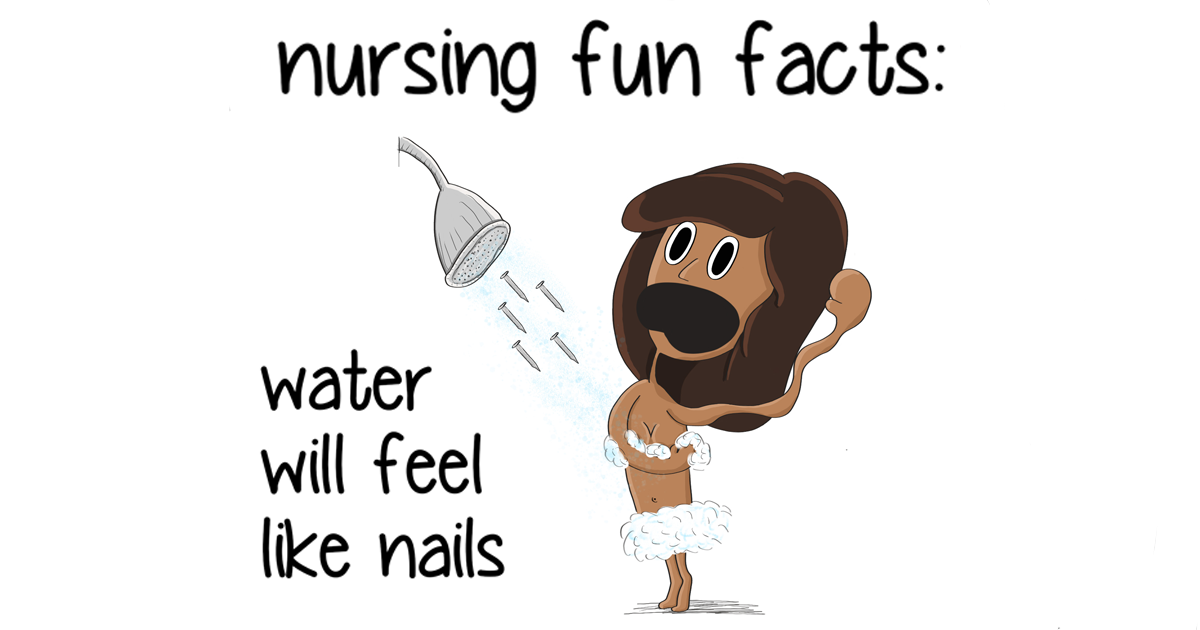
Motherhood is beautiful, meaningful, life-changing, and occasionally so chaotic that you find yourself whispering, “Why is there a raisin in my shoe?” before 8 a.m. That is exactly why I turned crazy motherhood moments into 30 comics: because sometimes the only way to survive the madness is to draw it, laugh at it, and share it with other parents who are also negotiating with tiny humans over socks, snacks, bedtime, and the emotional tragedy of a banana breaking in half.
These motherhood comics are not polished portraits of perfect parenting. They are messy, honest, funny little snapshots of real mom life: the toddler tantrums, the snack demands, the vanishing personal space, the laundry that reproduces like a science experiment, and the strange feeling of loving someone more than life itself while also hiding in the bathroom for three peaceful minutes.
Parenting humor works because it tells the truth without making the truth feel so heavy. A funny comic can say, “Yes, this is hard,” while also saying, “And somehow, we are still here, holding a juice box, wearing yesterday’s leggings, and doing our best.” That is the secret power of relatable parenting comics: they turn exhaustion into connection.
Why Motherhood Is Basically a Daily Comic Strip
Before becoming a parent, you may imagine motherhood as soft blankets, sleepy cuddles, and tiny socks folded neatly in drawers. Then real life arrives wearing a superhero cape made from toilet paper. Suddenly, your day includes mystery stains, dramatic snack negotiations, emotional support stuffed animals, and a child who needs water only after being tucked in for the fifth time.
That is the beauty of motherhood as comic material. The stories are already there. A mom does not need to invent chaos; she simply has to survive breakfast. Every day provides a fresh panel: a baby using spaghetti as hair gel, a preschooler explaining dinosaur law, a school-aged child remembering a project due tomorrow, or a mom attempting to drink hot coffee and accidentally discovering cold coffee’s entire personality.
The Comedy Is in the Contrast
Motherhood is full of emotional whiplash. One minute, you are melting because your child says, “I love you, Mommy.” The next minute, that same child is licking the grocery cart handle like it is a popsicle. Comics capture that contrast perfectly. With a few panels, a raised eyebrow, and one speech bubble, they can show the ridiculous gap between what parents expect and what actually happens.
The best mom life comics do not make fun of children in a cruel way. They lovingly exaggerate the everyday circus. The joke is not “kids are terrible.” The joke is “kids are tiny, unpredictable poets of destruction, and somehow we adore them.”
The 30 Crazy Motherhood Moments That Inspired the Comics
When I began sketching these 30 comics, I did not start with a grand artistic mission. I started with a notebook, a tired brain, and the realization that if I did not laugh about motherhood, I might begin debating bedtime with the wall. Each comic came from a real-feeling moment that many moms know too well.
1. The Snack Emergency
Children can reject dinner with the confidence of a restaurant critic, then request seventeen snacks ten minutes later. One comic shows a mom standing in front of a full pantry while her child collapses dramatically because the “right” crackers are missing. Not all heroes wear capes. Some hold apple slices cut in the approved shape.
2. The Bathroom Audience
Privacy becomes a luxury item after motherhood. One comic shows a mom trying to use the bathroom while small faces appear at the door like concerned members of a board meeting. The caption: “Quarterly performance review, but make it personal.”
3. The Bedtime Marathon
Bedtime is not a routine. It is an Olympic event. There is water, one more hug, a missing stuffed animal, a philosophical question about death, and suddenly a child who has not eaten dinner is starving. This comic became one of the most relatable because every parent knows bedtime has more plot twists than a detective novel.
4. The Laundry Monster
One panel shows a mom folding laundry. The next shows the pile growing taller. By the final panel, the laundry has developed consciousness and applied for college. Parenting comics love laundry because laundry never ends. It simply changes location.
5. The Public Tantrum
Every parent eventually experiences the dramatic public meltdown. The comic version shows a child lying on the supermarket floor because the cart went left instead of right. The mom smiles at strangers with the expression of someone defusing a tiny emotional bomb near the cereal aisle.
6. The Toy You Cannot Find
It is always the smallest toy. It is always emotionally irreplaceable. It is always missing at bedtime. In comic form, the search becomes a full archaeological expedition under couch cushions, car seats, and suspicious piles of socks.
7. The Mom Voice
The mom voice is not yelling. It is a supernatural frequency that says, “I have asked three times, and the next sentence may change history.” A comic can capture that power with one stare and a child suddenly remembering how shoes work.
Why Funny Motherhood Comics Feel So Relatable
Relatable motherhood comics work because they name the invisible parts of parenting. They show the mental load, the emotional labor, the planning, the remembering, the comforting, the cleaning, and the constant background app running in a mother’s brain. Who needs meditation when your mind is already repeating: diapers, permission slip, milk, dentist appointment, where is the blue cup, why is it quiet?
Research and national surveys continue to show that parenting can be tiring, stressful, and difficult to balance with work and family responsibilities. Mothers, especially working moms, often carry a large share of childcare and household coordination. That reality is not funny on its own, but humor gives parents a way to talk about it without turning every conversation into a group sigh.
Laughter Makes the Load Visible
A comic about a mom remembering everyone’s shoe size, snack preference, allergy form, birthday party date, and emotional trigger may look silly. But underneath the joke is a serious truth: much of motherhood happens in the brain before anyone sees the work. Funny parenting comics make that hidden labor visible.
When another mom reads the comic and says, “That is exactly my life,” the moment becomes more than entertainment. It becomes recognition. The laugh says, “I see you.” Sometimes that is the emotional snack moms need most.
How Humor Helps Parents Cope With Chaos
Humor does not solve every parenting problem. A joke cannot fold laundry, although frankly, it should try. But humor can soften tension, create connection, and help parents breathe through frustrating moments. Studies on humor in parenting suggest that many adults see humor as an effective parenting tool, and people who grew up with parental humor often describe those relationships more positively.
That does not mean every meltdown needs a punchline. Children need empathy, boundaries, rest, food, and patience. Parents need support, sleep, and sometimes five minutes away from the phrase “Mom, watch this.” But when used kindly, humor can help families reset. A silly voice during a power struggle, a goofy drawing after a stressful day, or a comic about the absurdity of spilled cereal can shift the mood from “everyone is doomed” to “we might survive breakfast.”
The Rule: Laugh With, Not At
The best motherhood humor is affectionate. It laughs with the family, not at the child. A comic should never shame a kid for being a kid. Toddlers are still learning emotional regulation. Preschoolers are still learning logic. Honestly, many adults are still learning both in traffic.
That is why my comics focus on situations rather than blame. The mess is funny. The timing is funny. The parent’s inner monologue is funny. The child is not the villain; the villain is usually fatigue, unrealistic expectations, or glitter.
Turning Real Mom Life Into Comics: The Creative Process
Creating comics from motherhood moments begins with observation. I keep notes of small scenes: the weird phrases kids say, the impossible questions, the snack politics, the bedtime negotiations, and the moments when I realize I have been carrying a toy dinosaur in my purse for three days.
Then I ask three questions: What is the conflict? What is the emotional truth? Where is the twist? A strong parenting comic usually has all three. The conflict might be a child refusing shoes. The emotional truth might be that parents are exhausted before leaving the house. The twist might be that the child finally agrees to wear shoesbut only on their hands.
From Chaos to Panels
Most of the 30 comics follow a simple structure. The first panel sets up a normal parenting goal, such as cleaning the house. The second panel introduces a child’s interpretation of that goal, such as dumping blocks into the clean laundry. The final panel reveals the parent’s silent reaction: a blank stare, a deep breath, or a tiny fantasy of moving to a cabin where nobody asks for string cheese.
Simple drawings often work best because the expressions carry the joke. A tired mom eyebrow can say more than three paragraphs. A child holding a marker near a white wall can create instant suspense. A quiet room can be drawn like a horror movie because every parent knows silence is not peace; silence is evidence gathering.
Specific Comic Examples Parents Instantly Understand
The “I’m Not Tired” Comic
Panel one: A child insists, “I am not tired.” Panel two: The child is upside down on the couch, singing to a sock. Panel three: The mom whispers, “Correct. You are possessed by bedtime energy.” This comic works because every parent has seen the strange final burst of toddler power.
The “Clean House” Comic
Panel one: Mom cleans the living room. Panel two: She leaves for twenty seconds. Panel three: The room looks like a raccoon hosted a birthday party. The punchline is not just the mess; it is the speed. Children can destroy a clean room faster than Wi-Fi disappears during an important video call.
The “Mom Snack” Comic
Panel one: Mom opens a snack for herself. Panel two: Children appear from nowhere. Panel three: The snack is gone, and Mom is holding an empty wrapper like a witness to a tiny crime. This is not fiction. This is documentary.
The “Why?” Comic
Panel one: Child asks, “Why is the sky blue?” Panel two: Mom begins a thoughtful answer. Panel three: Child interrupts with, “Why do ducks have butts?” Parenting is a daily reminder that curiosity is beautiful and also deeply chaotic.
Why Parents Share Motherhood Comics Online
Parenting can feel isolating, even in a house full of noise. Social media changed the way parents find humor and support. A single comic about a child refusing the wrong-colored cup can travel across thousands of screens because it captures a universal experience. The details vary, but the feeling is the same: “I thought it was just me.”
That sentence is powerful. Many moms do not need perfect advice every time. Sometimes they need proof that other families are also running late, stepping on blocks, reheating coffee, and negotiating with someone who believes pants are optional. Comics offer that proof quickly, warmly, and with a smile.
Comics Build Community
When parents comment on a comic, they often add their own version of the story. One mom talks about a child hiding peas in a shoe. Another mentions a toddler who cried because the moon was “following us.” Someone else admits they once packed a lunchbox and forgot the lunch. The comic becomes a campfire, and the comments become everyone pulling up a chair.
This is why motherhood comics matter. They are not only jokes. They are tiny invitations to tell the truth about parenting without apologizing for the mess.
The Serious Side of Funny Mom Life
Behind many funny motherhood moments is real fatigue. Parenting stress, postpartum mood changes, anxiety, burnout, and the pressure to be endlessly patient can weigh heavily on mothers. Humor can help, but it is not a substitute for support. If a mother feels persistently sad, anxious, hopeless, disconnected, or overwhelmed, reaching out to a health professional is not failure. It is care.
The funniest comics often come from the edge of exhaustion, but creators have a responsibility to be honest: laughing at chaos is healthy only when it does not silence pain. The goal is not to turn every struggle into a joke. The goal is to make space for the whole experience: the love, the absurdity, the guilt, the wonder, the boredom, the joy, and the desperate need for someone else to plan dinner.
Permission to Be Imperfect
One of the messages running through all 30 comics is simple: good mothers are not perfect mothers. They forget things. They lose patience. They serve cereal for dinner. They send the email late. They sometimes hide in the pantry and eat chocolate chips like survival rations. None of that cancels out love.
In fact, the imperfect moments are often the most human. A comic can turn those moments into something gentler. It can remind mothers that parenting is not a performance review. It is a relationship.
Experience Section: What Drawing 30 Motherhood Comics Taught Me
After turning crazy motherhood moments into 30 comics, I learned that the funniest stories are usually the ones that felt inconvenient, embarrassing, or exhausting in real time. The spilled milk was not funny when it happened five minutes before leaving the house. The lost shoe was not funny when everyone was already late. The toddler meltdown over the “wrong” banana was not funny while I was kneeling on the kitchen floor trying to explain fruit physics. But later, with a little distance and a pencil in my hand, those moments became stories.
That shift changed the way I looked at motherhood. Instead of seeing every chaotic moment as proof that the day had gone wrong, I started seeing it as material. Not in a cold or detached way, but in a hopeful way. A disaster could become a panel. A ridiculous argument could become a punchline. A hard morning could become something another parent might read and feel less alone.
The experience also taught me that details matter. The funniest parenting comics are not vague. They are specific. It is not just “my child made a mess.” It is “my child sprinkled cereal across the rug and called it feeding the carpet.” It is not just “bedtime was hard.” It is “my child asked for water, a hug, another hug, a different blanket, and then announced that their left knee felt lonely.” Specific details are what make readers laugh because they sound impossible and completely believable at the same time.
I also learned that motherhood humor needs tenderness. When drawing children, it is easy to exaggerate their chaos, but the heart of the comic should stay kind. Kids are not trying to ruin the day. They are learning how to exist in a world full of rules they did not write. Shoes must go on feet. Markers are not for walls. Toothpaste is not a snack. These are strange laws when you are new here. Remembering that helped me keep the comics warm instead of mean.
Drawing the 30 comics made me more aware of my own reactions, too. Sometimes the real joke was not what my child did. It was my dramatic internal monologue. A small inconvenience would happen, and my brain would narrate it like a survival documentary: “Here we observe the mother in her natural habitat, discovering applesauce inside a backpack.” That inner voice became one of the funniest parts of the series because many parents have it. We are all narrating the chaos just to stay sane.
The biggest surprise was how many parents connected with the same themes. Snacks, bedtime, laundry, public tantrums, school mornings, and personal space appeared again and again. Different homes, different children, same emotional weather. That is why parenting comics travel so well. They remind us that behind the curated photos and smiling family updates, everyone has a junk drawer, a mystery stain, and a child who has cried over a cup.
Most of all, the project gave me gratitude for the ridiculousness of family life. Not every moment was cute. Some were loud, sticky, and wildly inconvenient. But drawing them helped me notice the love hidden inside the mess. The child interrupting my shower wanted connection. The kid asking impossible questions trusted me to answer. The little hand stealing my snack belonged to someone who felt safe enough to hover near me like a tiny, hungry moon.
That is what these 30 motherhood comics are really about. They are not just about chaos. They are about the strange privilege of being needed, interrupted, climbed on, questioned, hugged, tested, and loved in the most unreasonable ways. Motherhood is not always graceful. It is often sticky, loud, and wearing mismatched socks. But it is also full of stories worth savingand sometimes, the best way to save them is to draw the madness before the coffee gets cold again.
Conclusion: The Funny Side of Surviving Motherhood
Turning crazy motherhood moments into 30 comics helped transform daily chaos into connection. These comics celebrate the honest, hilarious side of parenting: the snack negotiations, bedtime battles, laundry mountains, bathroom audiences, and emotional roller coasters that make mom life both exhausting and unforgettable.
Funny motherhood comics matter because they remind parents that they are not alone. They make invisible labor visible, soften stressful moments, and give families permission to laugh at the absurdity without pretending everything is easy. Motherhood may not come with a manual, but sometimes it comes with a punchlineand that punchline can be surprisingly healing.
Note: This article is an original, plagiarism-free synthesis written for web publishing. It is intended as relatable lifestyle content, not medical advice. Parents experiencing persistent sadness, anxiety, burnout, or postpartum depression symptoms should contact a qualified health care professional.