Note: This article is written as an original, web-ready feature inspired by the strange joy of turning damaged, forgotten vinyl records into hand-painted creature art. Please rescue scratched, warped, common, or unplayable records for projects like thisleave rare pressings alone so collectors do not chase you through town with a Discogs listing in one hand and righteous fury in the other.
When Old Vinyl Becomes a Monster Habitat
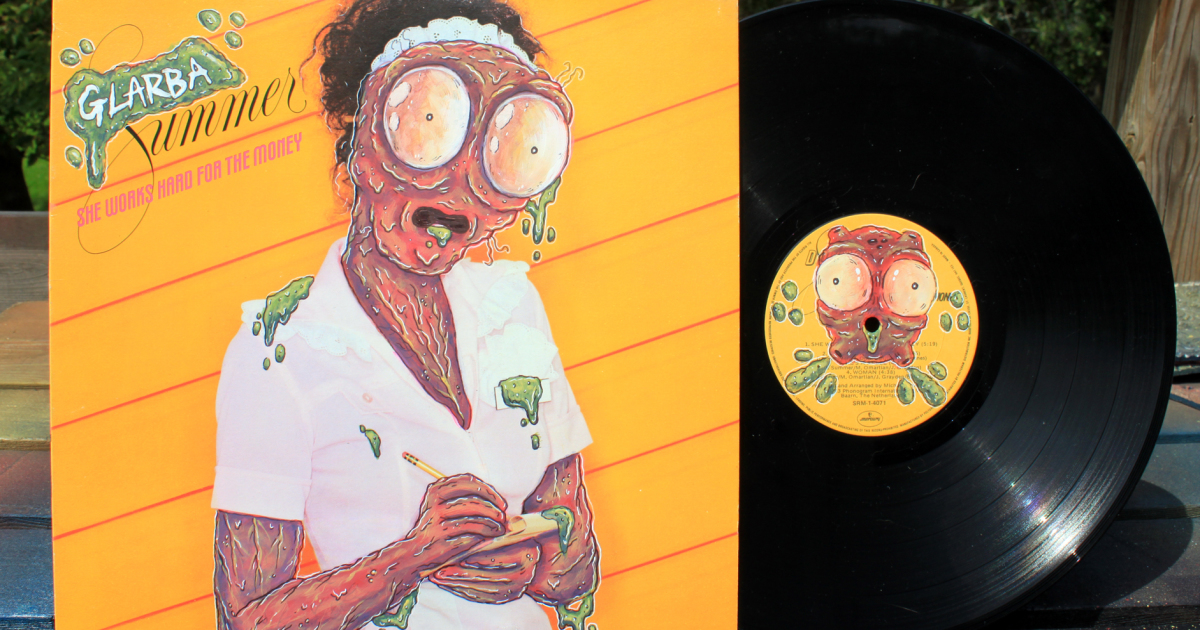
Some people see an old vinyl record and think, “Classic sound.” Others see it and think, “This would look better with a lumpy green creature drooling over the label.” I am proudly in the second group. There is something wonderfully ridiculous about taking a smooth black circle once meant for music and turning it into a home for gross, goofy, slimy little monsters. The record still has rhythm, but now it also has teeth.
Painting creatures on vinyl records is part art project, part upcycling experiment, and part tiny rebellion against boring walls. Instead of letting scratched records gather dust in thrift-store bins, garage-sale boxes, or the mysterious cabinet under the stereo, the artist gives them a second life. The grooves become texture. The center label becomes a planet, a belly button, an eyeball, or a portal. The round format turns every design into a little stage where a creature can crawl, pose, ooze, wink, or look offended for no clear reason.
The idea fits neatly into several creative worlds at once: vinyl record art, recycled art, lowbrow illustration, pop surrealism, monster painting, and DIY home decor. It is nostalgic without being dusty. It is funny without being lazy. It is weird without trying too hard. Most importantly, it proves that a canvas does not need to be rectangular, expensive, or polite.
The Charm of Gross Creature Art
Gross creature art works because it makes disgust friendly. A monster with slime, warts, odd teeth, frog eyes, and an awkward little expression can be more lovable than a perfect portrait. In fact, the imperfection is the point. These creatures feel like they crawled out from behind the refrigerator, discovered self-esteem, and asked to be framed.
The best gross creatures usually balance three things: texture, personality, and surprise. Texture gives them life. A shiny tongue, bumpy skin, dripping goo, or fuzzy eyebrow can make a painted monster feel almost touchable. Personality makes viewers stay. A creature may look nervous, proud, sleepy, confused, or ready to sell you a questionable timeshare on a swamp planet. Surprise gives the artwork its punch. Maybe the creature has too many eyes. Maybe its mouth is where its stomach should be. Maybe it is holding a tiny flower, because even swamp goblins deserve romance.
Why “Gross Yet Cute” Is So Addictive
There is a reason people love art that is creepy and adorable at the same time. A creature that is only disgusting can push viewers away. A creature that is only cute can become forgettable. But a creature that is both gross and cute creates tension. Viewers lean in, laugh, and then realize they have become emotionally attached to a fictional blob named something like Blorp, Glarba, or Barry. That is the sweet spot.
This style also connects with lowbrow and pop-surrealist traditions, where cartoons, underground comics, horror movies, punk culture, and oddball humor collide. It does not ask permission from formal art rules. It grabs a thrifted record, paints a drooling amphibian with cosmic anxiety, and says, “Congratulations, this is culture now.”
Why Vinyl Records Make Great Painting Surfaces
Vinyl records are visually powerful before the paint even touches them. The circular shape naturally pulls the eye inward. The grooves create subtle rings that catch light. The center label gives the composition a built-in focal point. Even the black surface feels theatrical, like a tiny stage curtain waiting to open.
That round shape also changes how an artist thinks. A rectangular canvas encourages horizons, corners, and traditional framing. A vinyl record encourages orbit, rotation, spirals, and symmetry. A creature can wrap around the record like a parasite on a planet. It can burst from the center hole like a tiny villain entering through a suspicious portal. It can sit off-center, using the empty black space like silence in a song.
There is also the emotional pull of the material itself. Records are objects people associate with memory, music, collections, bedrooms, basements, parents, bands, heartbreak, and cool older cousins who owned better speakers than everyone else. When an old record becomes visual art, it still carries that history. The music may no longer play clearly, but the object still hums with story.
Use Damaged Records, Not Collectibles
Before anyone attacks a rare jazz pressing with a brush, let us agree on one sacred rule: paint the records that have already lost their musical usefulness. Scratched, warped, cracked, water-damaged, or extremely common thrift-store albums are perfect candidates. Rare, valuable, historically important, or emotionally treasured records should stay in their sleeves. The goal is rescue, not vandalism with acrylic highlights.
A good source is the bargain bin at thrift stores, flea markets, yard sales, estate sales, or local record shops that sell damaged inventory cheaply. Look for records with ruined sleeves, deep scratches, or no collector value. The more forgotten the object feels, the more satisfying the transformation becomes.
How the Creative Process Works
Painting gross creatures on old vinyl records is not complicated, but it rewards patience. Vinyl is a slick, nonporous surface, which means paint needs help sticking. A little preparation can make the difference between a finished artwork and a creature whose face peels off like a bad sunburn.
Step 1: Clean the Record
First, wipe away dust, grease, and mystery basement residue. A soft cloth and gentle cleaning approach will usually do the job for an art piece. The record does not need audiophile-level restoration, but it should be clean enough that paint is not fighting dirt. If the surface feels oily or grimy, paint adhesion will suffer, and your monster may develop a tragic shedding problem.
Step 2: Lightly Scuff and Prime
Because vinyl is smooth, many artists lightly scuff the surface where paint will go and then apply a suitable primer, gesso, or acrylic medium. The goal is to create toothtiny gripfor the paint. Clear gesso is helpful if you want the record grooves to remain visible. White or black gesso can create a stronger base if you want brighter color or a more graphic look.
Step 3: Sketch the Creature
The sketch stage is where the monster introduces itself. Some creatures start as blobs. Others begin with eyes, teeth, claws, tentacles, or a weird silhouette. The round format invites experimentation: a worm-like creature can coil around the grooves, a frog-beast can squat over the center label, and a many-eyed gremlin can stare from the edge like it knows your browser history.
Step 4: Build Color and Texture
Acrylic paint is a popular choice because it dries quickly, layers well, and works nicely for bold creature design. Start with flat base colors, then add shadows, highlights, spots, slime, wrinkles, hair, bubbles, and other delightful disasters. Gloss medium can make drool and wet areas shine. Matte areas can make skin look dry and chalky. Thick paint or gel medium can add bumps, scales, and raised details.
Step 5: Seal and Display
Once the creature is dry, sealing the artwork helps protect it from dust and handling. A clear acrylic varnish or protective finish can preserve the surface, depending on the materials used. The finished record can be hung directly on a wall, displayed on a small stand, or arranged in a gallery-style cluster. A group of painted records looks especially good together, like a family reunion for swamp royalty.
Design Ideas for Gross Vinyl Record Creatures
If you want to create your own painted vinyl record art, start with a simple creature concept and push it slightly too far. A frog is fine. A frog with seven eyes, a nervous smile, and a tiny crown is better. A slug is fine. A slug wearing boots and leaking rainbow slime is excellent. The trick is to make the creature specific enough to feel alive.
Creature Themes That Work Well
The swamp goblin: green skin, yellow eyes, drool, mossy texture, and the facial expression of someone who has just smelled soup from another dimension.
The cosmic parasite: black, purple, blue, and neon details that make the record feel like a planet being invaded by a clingy alien.
The cute stomach monster: soft pinks, rounded teeth, tiny arms, and an expression that says it wants friendship but may accidentally digest your mail.
The fungus beast: mushroom caps, spores, spots, earthy colors, and a body shape inspired by things growing where no one invited them.
The garage-sale demon: cracked horns, denim vest, dusty attitude, and the energy of a creature that has lived inside a box of Christmas decorations since 1988.
Why Upcycled Vinyl Art Feels Fresh
Upcycling is not just about saving materials from the trash. It is about changing the story of an object. A damaged record might seem useless if it cannot play cleanly, but as a painting surface, it becomes valuable again. That shift is satisfying because it turns creative limitation into style.
Recycled art also gives handmade objects more character. A new canvas can feel blank in every sense. An old record has dents, scratches, labels, history, and a little attitude. Those marks can become part of the final piece. A scratch might become a scar across a creature’s cheek. A faded label might become a moon. A center hole might become a nostril, pupil, portal, or tiny snack tunnel.
In a world full of mass-produced wall decor, a hand-painted record has the advantage of being unmistakably one-of-a-kind. No factory is pumping out the exact same drooling orange swamp baby with crossed eyes and a suspiciously elegant mustache. At least, not yet. Give the factories time; they fear originality but love margins.
The Vinyl Revival Makes the Medium Even More Interesting
Vinyl records have had a major cultural comeback in the United States, with collectors, younger music fans, and physical-media lovers embracing records as objects worth owning, displaying, and discussing. That revival makes painted vinyl art more visually meaningful. People recognize the shape immediately. Even if they do not collect records, they understand the nostalgia.
At the same time, the vinyl boom creates an important ethical line. Some records should be preserved and played; others are perfect for art. The best vinyl record art respects that difference. It does not treat all physical media as disposable. Instead, it rescues the records that are already scratched beyond practical listening and turns them into something joyful.
How to Make Gross Creatures Look Professionally Weird
A strong creature painting is not random, even when it looks wildly chaotic. Good weird art still uses basic design principles. Contrast makes the creature pop against the black vinyl. Repetition makes spots, eyes, scales, and slime feel intentional. Balance keeps the round composition from feeling lopsided unless lopsided is the joke. Color harmony helps even the grossest subject look polished.
Use the Record Shape as Part of the Joke
The smartest designs make use of the circular surface. A creature can wrap around the record’s edge, chew through the label, peek from the center, or appear trapped inside the grooves. You can also leave portions of the black vinyl visible so the record remains recognizable. That tension between music object and monster portrait is what makes the piece special.
Give Every Creature a Name
Naming the creatures adds personality. Names like Slarg, Blimble, Gloop Mabel, Professor Pustule, or Kevin From Under the Sink make viewers laugh before they even study the details. A name turns the image from “a monster painting” into “a character.” Once a viewer knows the creature’s name, the art becomes harder to forget.
Where This Art Fits in Home Decor
Painted vinyl records work beautifully in creative spaces: music rooms, studios, bedrooms, gallery walls, record shops, tattoo studios, cafes, dorm rooms, and anywhere that needs a little controlled chaos. They pair well with concert posters, comic art, horror memorabilia, vintage speakers, plants, neon signs, and shelves full of questionable collectibles.
One painted record can serve as a small accent piece. A set of three can become a conversation starter. A full wall of creatures can become an ecosystem. Imagine guests walking into a room and realizing twenty slimy beings are silently judging their shoes. That is not decor. That is hospitality with lore.
Common Mistakes to Avoid
The first mistake is skipping surface prep. Acrylic paint can peel from slick surfaces if it has nothing to grip. The second mistake is using too much detail too soon. Start with a clear silhouette and build from there. The third mistake is covering every inch of the record without thinking about composition. Sometimes the black vinyl is your best background. Let it breathe.
Another mistake is making the creature gross but not expressive. Slime alone is not personality. Add emotion. Give the creature a raised eyebrow, a trembling lip, a guilty glance, or the smug smile of something that just ate the remote. Viewers connect with expression first and texture second.
Why People Respond to These Little Monsters
Gross creature vinyl art is funny, but it is also oddly comforting. The creatures are flawed, strange, and dramatic, yet they are presented with affection. They are not villains. They are weird little residents of a handmade universe. In that way, they reflect something very human: the desire to be seen, even when we are not polished.
There is also a strong DIY appeal. The project says art does not have to begin with perfect materials. It can begin with a scratched record, a thrift-store find, a handful of paint, and a willingness to make something wonderfully unnecessary. That is creative freedom in its purest form.
Personal Experience: What Painting Gross Creatures on Vinyl Records Taught Me
The first time I painted a creature on an old vinyl record, I expected a quick craft project. I got a tiny emotional circus instead. The record was scratched, dusty, and clearly no longer anyone’s prized possession. I cleaned it, turned it under the light, and noticed how the grooves looked like ripples in a black pond. Immediately, the creature in my head changed. It was no longer just a monster on a circle. It became something rising from that pond.
I started with a green blob because many great artistic journeys begin with a blob and mild uncertainty. At first, it looked terrible. Not charming-terrible. Just terrible. The eyes were uneven, the mouth looked like a melted zipper, and the arms seemed to be apologizing for existing. But once I added shadows under the belly, small highlights along the slime, and little spots around the eyes, the creature began to breathe. Not literally, thankfully. I am brave, but I do have limits.
The biggest lesson was that vinyl forces you to make design decisions. On canvas, I might keep expanding the background until the idea feels finished. On a record, the edge arrives quickly. The circle says, “That is enough. Make it work.” That limitation is helpful. It pushes the creature into a stronger pose. It makes negative space matter. It turns the center hole into either a problem or an opportunity, and the best answer is usually opportunity.
I also learned that viewers love stories. When I showed people the finished record, they did not ask about brush brands or varnish first. They asked, “What is his name?” That changed everything. I named him Grumbleton, because he looked like he had opinions about soup temperature. Suddenly, the artwork felt complete. People smiled at him differently. A named creature becomes a character, and a character invites imagination.
Another experience that stuck with me was hunting for records to paint. Thrift stores are treasure caves with fluorescent lighting. Some records are too beautiful or too culturally valuable to paint, and those go back respectfully. But then there are the poor battered ones: warped holiday albums, scratched instructional records, mystery polka compilations, and forgotten easy-listening discs with sleeves that smell like an attic practicing witchcraft. Those are perfect. They already carry a sense of abandoned personality, which makes the final creature feel like it has moved into an old house.
Painting on vinyl also made me more forgiving of mistakes. A drip can become slime. A bad outline can become a wrinkle. A smudge can become shadow. Creature art is generous because monsters are not supposed to be flawless. If a cheek is lumpy, excellent. If one eye is bigger, even better. If the mouth looks slightly unhinged, congratulations, the creature has backstory.
Over time, the process became less about making something “pretty” and more about making something alive. Each record felt like a small circular world. Some creatures looked cheerful, some looked haunted, and some looked like they knew a secret but lacked the vocabulary to explain it. That variety kept the project exciting. It reminded me that creativity does not always need a serious face. Sometimes it needs three teeth, a shiny tongue, and a name like Blorbert.
Conclusion: A Second Spin for Forgotten Records
Taking old vinyl records and painting gross creatures on them is more than a quirky art habit. It is a celebration of reuse, imagination, and the strange magic that happens when nostalgia meets slime. The record brings history. The paint brings personality. The creature brings chaos. Together, they create a piece of upcycled art that feels playful, memorable, and completely alive.
For artists, this project is a reminder that inspiration can hide inside discarded objects. For collectors, it is a reminder to separate valuable records from damaged ones before the paint comes out. For everyone else, it is proof that wall art does not have to be quiet. Sometimes it can gurgle, grin, and stare at your guests with six beautiful, judgmental eyes.
So the next time you see a scratched vinyl record that can no longer sing, do not rush to throw it away. Clean it, prime it, turn it under the light, and ask an important question: what kind of creature is waiting in those grooves?