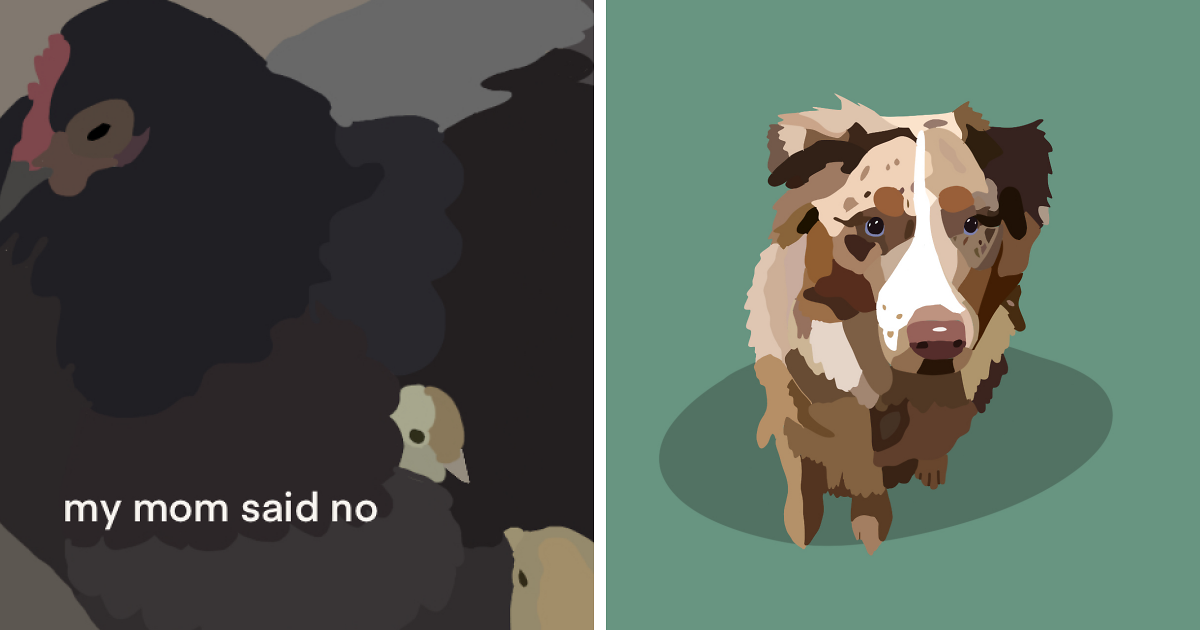
Some people collect stamps. Some people collect vintage spoons. I collect animal expressions that look like they were accidentally written by a comedy team at 2 a.m. Then I turn them into cartoons. It started innocently enough: one photo of a dog staring at a tennis ball like it owed him rent. A few lines, a splash of color, and suddenly that dog became a tiny, furry action hero with questionable financial planning skills.
Animal photo cartoons are part photography, part illustration, and part emotional translation. A photo captures what happened. A cartoon captures what it felt like. The cat was not technically plotting world domination from the windowsillbut her eyes said she had already reviewed the contract. The pigeon was not actually a retired detectivebut that sideways stare had “cold case specialist” written all over it.
In this article, I’ll walk through how I take animal photos and make them into cartoons, what makes a strong animal cartoon portrait, and seven of my favorite transformations. Whether you’re a pet owner, photographer, illustrator, or someone who simply believes every squirrel deserves a dramatic backstory, this is for you.
Why Animal Photos Make Such Great Cartoons
Animals are natural comedians because they do not know they are performing. A dog sprinting across a yard is not trying to be heroic, but freeze the frame at the right second and suddenly he looks like he is leading a cavalry charge. A cat blinking slowly in sunlight can become a royal duchess who has never once paid for her own brunch. A rabbit with one ear up and one ear down? That is not a rabbit. That is a confused intern at a wizard school.
The best animal cartoons begin with strong reference photos. Sharp eyes, clear body language, good light, and a recognizable pose give the drawing something to build on. I usually look for three things before choosing a photo: personality, silhouette, and story. If the animal’s pose is readable from a distance, the cartoon will usually work. If the expression suggests a tiny opinion about the world, even better.
The Magic Is in the Expression
Eyes are the center of almost every animal cartoon. A bright eye can turn a simple dog portrait into a joyful mascot. A half-closed cat eye can create a perfect tiny villain. A wide-eyed guinea pig can become a superhero who has just realized the cape did not come with instructions.
When I edit a photo into a cartoon, I exaggerate the expression without losing the animal’s identity. The goal is not to create a generic cute creature. The goal is to make the viewer say, “Yes, that is absolutely Bruno, and he would definitely wear a bow tie to a meeting about snacks.”
My Cartooning Process: From Camera Click to Character
The workflow is simple in theory and delightfully chaotic in practice. First, I take the photo. Then I choose the strongest frame. After that, I sketch over the main shapes, simplify the details, exaggerate the personality, and add color. Somewhere in the middle, I usually ask the animal to stop walking across my tablet, which they rarely respect.
Step 1: Take the Photo at the Animal’s Level
Getting low makes a huge difference. Photographing a dog from standing height often makes the pet look small and distant. Getting down near eye level makes the image feel personal. It also makes you look ridiculous in public, but that is the sacred tax of animal photography.
For pets, I prefer natural light when possible. Soft shade, window light, or golden-hour sunlight can bring out fur texture without harsh shadows. For faster animals, I use a quicker shutter speed so the expression stays crisp instead of turning into a mysterious blur with ears.
Step 2: Let the Animal Be the Art Director
Animals do not care about your mood board. This is important. You may want a majestic pose, but the dog may want to lick a leaf. You may want the cat to sit in a clean patch of light, but the cat may choose the laundry pile with the confidence of a museum curator.
Instead of forcing the moment, I follow the animal’s rhythm. Toys, treats, sounds, and patience help, but the best shots usually happen when the animal relaxes. A cartoon based on a natural moment feels warmer than one based on a pose that says, “My human has been making squeaky noises for twelve minutes.”
Step 3: Simplify the Shapes
Cartooning is not copying every hair. If I drew every whisker, I would still be working on one cat from 2021. Instead, I simplify. I turn fur patches into graphic shapes, paws into soft rounded forms, and ears into expressive design elements. This makes the final artwork clearer, cuter, and easier to recognize at a glance.
Step 4: Exaggerate the Story
This is where the fun begins. If the dog looks proud, I make him heroic. If the cat looks suspicious, I add a detective mood. If the duck looks offended, I give him the emotional energy of a restaurant critic who found a raisin in his cookie.
The trick is to exaggerate what is already there. A good animal cartoon should feel like a visual punchline that was hiding inside the photo all along.
Here Are 7 of the Best Animal Photo Cartoons I’ve Made
1. The Dog Who Became a Snack CEO
The original photo was a golden retriever sitting at the kitchen door, staring upward with total seriousness. There was no chaos, no action, no dramatic lightingjust one dog who looked like he had called an emergency board meeting about the disappearance of chicken.
For the cartoon version, I gave him a tiny business collar, a polished expression, and a background that looked suspiciously like a corporate office made of biscuits. His eyes stayed soft and hopeful, but the posture became official. He was no longer simply waiting for food. He was negotiating supply chain improvements.
This one worked because the photo had a clear emotional hook. The dog’s face said, “I am patient, but my patience has shareholders.” In cartoon form, that became instantly readable.
2. The Cat Who Absolutely Knows Your Password
Cats are born cartoon characters. They come preloaded with mystery, elegance, and mild judgment. This cat photo showed a gray tabby sitting on a windowsill, half in shadow, looking directly into the camera. It had the energy of a spy movie poster, except the spy had recently knocked a pen off a desk for sport.
I turned the image into a sleek cartoon with sharp cheek lines, glowing eyes, and a dramatic purple-blue background. I did not add a villain mustache, because the cat already had enough legal power without one.
The key was respecting the cat’s natural shape. Cats have graceful curves, angular ears, and expressive tails. I simplified the fur but kept the alert posture. The result looked like a feline cyber-security expert who would help you recover your password, then change it just to keep life interesting.
3. The Raccoon Bandit With Excellent Branding
This photo came from a safe distance, and the raccoon was doing what raccoons do best: looking both adorable and extremely guilty. The original image had the raccoon paused near a fence, tiny paws lifted, face mask perfectly visible. Nature had already done most of the character design.
For the cartoon, I leaned into the bandit theme. I made the mask bolder, rounded the paws, and added a little moonlit background. I avoided making the raccoon too human because part of the charm was that it still felt like a real animal. The final version looked like the mascot for a snack company that has never once asked permission.
Raccoons are excellent cartoon subjects because their markings are already graphic. The dark mask, striped tail, and clever posture create immediate visual storytelling. My job was mostly to keep up.
4. The Goat Philosopher on a Rock
Some animals look funny because they are moving fast. Goats look funny because they appear to know something. This goat was standing on a small rock, staring into the distance with the seriousness of someone about to explain taxes to a mountain.
I drew the cartoon with a long beard, slightly raised eyebrows, and a warm earthy color palette. The rock became a tiny podium. The goat became less “farm animal” and more “wise professor who only accepts payment in carrots.”
This transformation taught me that not every cartoon needs a loud joke. Sometimes the humor comes from quiet dignity. The goat did not need sunglasses, explosions, or a dramatic cape. He needed space to look important for absolutely no reason.
5. The Owl Librarian Who Has Had Enough
Owls are already shaped like punctuation marks with opinions. The reference photo showed an owl perched calmly, facing forward, with eyes so intense they could make a sandwich confess. The pose was symmetrical and strong, which made it ideal for cartooning.
I turned the owl into a librarian character with round spectacles, a tiny stack of books, and an expression that said, “This is your third overdue notice.” The feathers became layered shapes instead of tiny details, and the eyes became the main focus.
The best part about drawing birds is that small changes matter. Tilt the head slightly, and the bird becomes curious. Lower the eyelids, and it becomes unimpressed. Widen the eyes, and suddenly it looks like it has seen your browser history. With owls, moderation is powerful. A tiny eyebrow line can do a lot of emotional damage.
6. The Horse Who Belongs in a Soap Opera
The horse photo was taken during a windy moment, and the mane was doing all the work. The horse looked off-camera with a dramatic expression, as though someone had just revealed a shocking family secret near the hay bales.
For the cartoon, I emphasized the flowing mane, long eyelashes, and cinematic lighting. The background became a sunset pasture, because some animals simply demand production value. I kept the body shape elegant but pushed the facial expression just enough to make the horse feel like the lead character in a very emotional ranch drama.
Horses are challenging because their anatomy is distinctive. If the head shape is wrong, the cartoon falls apart quickly. I used the photo closely for structure, then exaggerated the motion and mood. The final piece had just enough realism to feel like the same horse, and just enough cartoon flair to suggest a theme song.
7. The Guinea Pig Superhero With Questionable Confidence
This may be my favorite. The original photo was a guinea pig standing upright for half a second, front paws tucked, eyes wide, fur slightly wild. It looked brave, confused, and snack-motivated all at once. In other words: superhero material.
I drew a tiny cape, a round emblem, and a dramatic city background. The guinea pig’s expression stayed exactly as it was: heroic panic. That contrast made the cartoon work. He looked ready to save the day, provided the day could be saved from inside a cardboard tunnel.
Small pets are wonderful cartoon subjects because their proportions are naturally appealing: big heads, small feet, round bodies, bright eyes. The danger is over-cuting them until they lose personality. I kept the nervous energy because that was the heart of the image.
What Makes an Animal Cartoon Actually Work?
After making many animal cartoons, I’ve learned that the best ones usually share five qualities: a strong silhouette, expressive eyes, a simple color plan, a clear joke or mood, and respect for the animal’s real character.
A strong silhouette means the viewer can recognize the animal even without details. A dachshund should still feel long and low. A parrot should still feel upright and alert. A bulldog should not accidentally become a loaf of bread, though I admit the line can be thin.
Expressive eyes guide the viewer. Simple colors prevent the image from becoming visual soup. A clear mood gives the cartoon direction. And respect matters because animals are not props. Whether I am photographing a pet or observing wildlife, comfort and safety come first. A stressed animal rarely produces a good image, and even if it did, the photo would not be worth it.
Tips for Turning Your Own Animal Photos Into Cartoons
Choose a Photo With Personality
Do not begin with the technically perfect photo if it has no personality. Begin with the photo that makes you laugh, pause, or invent a tiny biography. A slightly messy photo with a great expression often creates a better cartoon than a flawless image with no spark.
Use Fewer Lines Than You Think
New cartoonists often draw too much. Every wrinkle, hair, shadow, and whisker feels important at first. But cartoons work through selection. Keep the lines that define the animal’s character and remove the ones that only create clutter.
Push the Pose, Not the Identity
Exaggeration is useful, but the animal should still feel recognizable. Make the ears perkier, the eyes brighter, the stance bolder, or the tail more dramatic. Just do not erase the features that make the animal unique.
Add a Setting That Supports the Joke
A background can turn a cute portrait into a full story. A dog in a cape becomes funnier with a dramatic skyline. A sleepy cat becomes more regal on a velvet cushion. A duck becomes more powerful when placed behind a tiny mayor’s desk. This is not science, but it should be.
My Personal Experience Making Animal Photo Cartoons
The longer I work with animal photos, the more I realize the best images are not always the ones I planned. I have set up careful scenes with clean backgrounds, perfect light, and a camera ready to capture greatnessonly for the animal to turn around and show me the least majestic angle nature has ever produced. Then, five minutes later, while I am adjusting a setting or questioning my life choices, the same animal gives me the perfect expression.
One of the biggest lessons has been patience. Animals do not perform on command the way people sometimes do. Even trained pets have their own ideas. A dog may sit beautifully until the camera comes out, then suddenly discover an urgent need to investigate the floor. A cat may ignore a carefully arranged setup and instead pose inside the box the props arrived in. Honestly, the cat is usually right. The box is often better.
I have also learned to keep sessions short and positive. A few minutes of relaxed shooting can produce better material than a long session where the animal gets tired, bored, or annoyed. Breaks matter. Treats help. Calm energy helps even more. If I feel rushed, the animal often feels it too. When the session becomes playful, the photos improve naturally.
Another surprise is how much the cartoon stage changes the way I take photos. I now look for clean shapes, readable expressions, and poses that will translate well into illustration. A busy background might be fine in a normal photo, but it can make a cartoon harder to design. A clear side profile, a tilted head, or a paw lifted at the right moment can become the foundation for an entire character.
My favorite part is showing the finished cartoon to the animal’s owner. People recognize their pets instantly, but they also see a new version of them: the brave version, the royal version, the chaotic snack goblin version. That reaction is the real reward. A good cartoon does not replace the photo. It celebrates it. It says, “This creature has a personality so strong it required its own visual universe.”
Over time, I have come to think of animal cartooning as a kind of affectionate storytelling. Every pet owner already has a mythology around their animal. The dog is not just a dog; he is the mayor of the sofa. The cat is not just a cat; she is the household quality-control inspector. The hamster is not just a hamster; he is a tiny athlete training for the Wheel Olympics. Cartooning gives those private jokes a shape.
And yes, there are mistakes. I have drawn ears too large, eyes too dramatic, paws that looked like dinner rolls, and one unfortunate rabbit who briefly resembled a haunted potato. But each mistake taught me something useful: simplify more, observe better, and never underestimate the emotional power of a well-placed eyebrow.
Conclusion: Every Animal Has a Cartoon Waiting Inside
Taking animal photos and turning them into cartoons is more than a cute art project. It is a way to notice personality, preserve funny moments, and turn ordinary snapshots into stories people remember. The best cartoons do not come from forcing animals into human roles. They come from seeing what is already funny, sweet, noble, strange, or dramatic in the photoand gently turning up the volume.
Whether it is a dog with CEO energy, a suspicious cat, a heroic guinea pig, or an owl who clearly manages a very strict library, every animal has a character waiting to be discovered. You only need a camera, patience, respect for the subject, and a willingness to admit that sometimes the raccoon really does have better branding than you.