Most people visit the beach to swim, sunbathe, or discover exactly how much sand can fit inside one pair of shoes. A beachcomber arrives with a different mission: walk slowly, watch the tide line, and investigate every unusual flash of color hiding among the pebbles.
That patient approach can uncover far more than ordinary seashells. Waves return fragments of old bottles, polished glass, pottery, metal objects, and household items that may have traveled for decades before appearing on shore. In one documented collection, the discoveries included rare sea glass, nineteenth-century containers, decorated ceramics, and an intact maraschino bottle reportedly dating back about 200 years.
Every object raises questions. Who owned it? How did it enter the water? Was it lost during a storm, discarded from a ship, or carried from a long-vanished waterfront settlement? Beachcombing turns a simple walk into a mixture of natural history, detective work, and treasure huntingwithout requiring a pirate ship or a suspiciously talkative parrot.
Why Beachcombing Finds Can Be So Fascinating
The sea is an exceptionally patient sculptor. Sand, saltwater, rocks, and repeated wave action can soften broken edges, frost the surface of glass, and transform yesterday’s trash into an object that looks almost jewel-like. Authentic sea glass begins as manufactured glass, often from bottles or tableware, and acquires its rounded shape and weathered surface through long exposure to water and sediment.
Natural treasures tell their own stories. Most seashells are protective structures made by mollusks such as snails, clams, and oysters. Once empty, they may be transported, bleached, broken, and polished by waves. Sand dollars, sea urchins, and sea stars belong to the same broad group of marine animals, although only their empty skeletons should ever be collected.
Here are 38 memorable discoveries inspired by a real beachcombing collection, along with the details that make each one more interesting than an ordinary pebble.
38 of the Most Interesting Sea Treasures Found on the Beach
Miniature Finds and Brilliant Sea Glass
-
A collection of tiny sea treasures. Minute shells, rounded pottery chips, and glass fragments can create an entire coastal landscape in the palm of a hand. Their size makes them easy to overlook, which is exactly why finding them feels so satisfying.
-
Perfectly formed miniature seashells. Some of the smallest shells still display ridges, spirals, and color bands with astonishing precision. They look like full-sized shells that were accidentally placed in a washing machine set to “shrink dramatically.”
-
A 200-year-old maraschino bottle. One remarkable intact bottle was identified as a Cosmacendi maraschino container from the former Austro-Hungarian Empire. The collector later returned it to a museum associated with the building where the manufacturer once lived.
-
A piece of deep-purple sea glass. Purple glass immediately stands out against gray stones and pale sand. Depending on its original composition and exposure to sunlight, old glass may develop violet or amethyst tones that make it especially desirable to collectors.
-
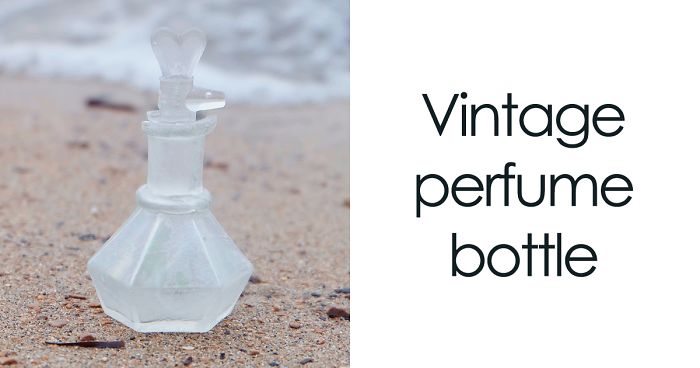
An intact perfume bottle. Broken glass is common along historic shorelines, but a complete decorative bottle is far less ordinary. A surviving narrow neck, base, and embossed pattern can help researchers estimate its purpose and age.
-
A German mineral-water bottle from the 1860s. Heavy reusable bottles once carried mineral water across considerable distances. Embossed company names and distinctive shapes can connect a beach find to a particular bottler, town, or historical trade route.
-
Sea pottery more than a century old. Ceramic shards become smooth and matte after years of tumbling in sand. Blue transfer patterns, painted flowers, borders, and maker’s marks may survive even when the original cup or plate is long gone.
-
A lineup of weathered bottles. Green, brown, aqua, and clear bottles reflect different manufacturing traditions and uses. A bottle collection can resemble a glass orchestra, although fortunately none of the bottles expects a solo.
-
A mismatched beach-found table setting. Fragments from plates, a cup marked with initials, a saucer, and an engraved spoon formed an accidental dining set. It was not suitable for serving dinner, but it offered a surprisingly personal glimpse into earlier everyday life.
-
A nineteenth-century art-glass vase. One ornate find was identified as a Victorian-era vase decorated with colored glass trails and a silver floral design. Discovering something so delicate intact seems almost impossible after decades of waves, stones, and enthusiastic seagulls.
Historic Bottles, Pottery, and Household Objects
-
A cobalt bottle embossed with a moon and star. Cobalt glass was used for medicines, cosmetics, and other light-sensitive products. Embossed symbols are useful clues, but they must be researched carefully because the same imagery could appear in several regions.
-
A brilliant blue glass fragment. Even a small shard can be remarkable when the color is unusually intense. Once its edges have become fully rounded, it can resemble a polished gemstone rather than a piece of an old container.
-
An early nineteenth-century herbal-water bottle. A bottle embossed with words associated with Venetian Melissa water was reportedly dated to the early 1800s after the collector contacted the religious order connected with the product.
-
A rainbow of empty seashells. Shells can display pink, orange, purple, cream, and striped patterns. A responsible collector checks every opening and returns any shell containing a living mollusk, hermit crab, or other resident.
-
Embossed glass bottle seals. Raised stamps bearing company names or crests are miniature historical documents. Even when the rest of a bottle has disappeared, a seal may identify the manufacturer and approximate production period.
-
A rainbow-colored piece of sea glass. Iridescent glass can reflect several colors as it moves in the light. The effect may come from decorative glass treatments or weathering that produces a thin reflective surface layer.
-
An entire spectrum of blue glass. Aqua, turquoise, seafoam, cobalt, and navy fragments may originate from medicine bottles, beverage containers, decorative pieces, or household glassware. Sorting them by shade is strangely calming and dangerously habit-forming.
-
Tiny multicolored glass fragments. Red, yellow, orange, and patterned pieces are easy to miss because they may be smaller than a fingernail. Their rarity can make them more exciting than much larger pieces of common green or brown glass.
-
A nineteenth-century beer bottle. Embossing on one bottle connected it with a historic brewer. Old commercial containers are especially valuable for local research because they can reveal former businesses, transportation routes, and consumer habits.
-
A group of antique pharmacy bottles. Numbers molded into medicinal bottles sometimes indicated their capacity. Small rectangular shapes, narrow necks, measurement marks, and colored glass can all provide clues to their original contents.
-
A stamp from a historic maraschino bottle. A thick fragment embossed with the name of a well-known producer survived after the thinner bottle walls had broken away. Bottle seals often endure because they contain more glass than the surrounding container.
-
A vintage nail-polish bottle with residue inside. A small bottle still contained dried traces of its original cosmetic product. It is an intriguing find, although unidentified residues should remain sealed rather than becoming part of an amateur chemistry experiment.
-
Half of a decorated French plate. The fragment retained enough of its original pattern to make the missing half easy to imagine. Ceramics with maker’s marks or distinctive transfer designs can sometimes be traced to a specific factory.
-
An old rifle cartridge. A corroded cartridge was associated with ammunition introduced in the late nineteenth century. Ammunition, military objects, sealed containers, and suspicious metal finds should not be handled because age and corrosion do not guarantee safety.
-
A small piece of gold jewelry. Precious-metal finds are rare, but beaches near populated areas occasionally surrender rings, chains, charms, and coins. Local lost-property laws may require valuable items to be reported before anyone starts practicing a victory dance.
-
A beautifully textured bottle base. Raised dots, geometric patterns, mold seams, and maker’s marks can turn an ordinary fragment into an identifiable object. Bottle bases often survive because they were manufactured with thicker glass.
Oddities That Make Every Walk Different
-
A two-sided piece of sea pottery. Decoration appeared on both faces of one ceramic fragment, suggesting it may have come from a specially finished vessel rather than a plain household plate.
-
A ring delivered by the tide. Finding a ring on the beach practically invites the joke that the sea has proposed. Before accepting, however, it is wise to check whether someone nearby is frantically searching the sand.
-
German clay mineral-water bottles. Stoneware containers were durable, reusable, and suitable for transporting mineral water. Their stamped shoulders and sturdy ceramic bodies can survive conditions that would destroy thinner glass.
-
A Victorian-style rummer glass. Rummers were drinking glasses with broad bowls and sturdy stems. A surviving example on a shoreline may point to a ship, waterfront settlement, rubbish deposit, or accidental picnic disaster from another century.
-
A numbered sea-glass fragment. The number “150” remained visible on one frosted piece. Numbers may indicate volume, mold information, measurements, or part of a larger embossed label.
-
Blue glass with a bubble-like texture. A grid of raised circles made one fragment resemble bubble wrap or a toy building block. Texture can offer stronger identification clues than color alone.
-
An embossed seal bearing a historic name. A marked fragment connected the object to a regional producer. Names and place references are among the best starting points for researching bottle history.
-
A shell inside a shell inside another shell. Smaller shells can become wedged inside larger ones as waves roll them through the surf. The result is a naturally assembled coastal nesting dollor, more accurately, shell-ception.
-
A collection of jewelry-ready sea glass. Rounded pieces can be wrapped, drilled, set in metal, or arranged in mosaics. Sharp or only lightly weathered glass should be handled as debris rather than treated as finished sea glass.
-
Muted glass that nearly disappeared against the skin. Pale gray, lavender, and light aqua pieces can blend into pebbles or wet sand. Spotting them requires slower walking and attention to texture rather than color.
-
A pottery fragment marked with the letter M. A single letter may have belonged to a company name, decorative word, monogram, or maker’s mark. It becomes a tiny mystery with just enough evidence to encourage several hours of research.
-
A glowing turquoise sea-glass piece. Turquoise sits somewhere between blue and green, which means collectors can cheerfully debate its exact shade for longer than seems medically necessary. Its saturated color makes it a memorable final treasure.
How to Search for Sea Treasures Responsibly
Check the Tide Before You Start
A falling or low tide exposes more of the shoreline, including shell beds, gravel patches, and material deposited near the previous high-water line. Conditions vary by coast, so consult official local tide predictions rather than assuming every beach follows the same schedule. Never allow an incoming tide to trap you below cliffs, on rocks, or across a tidal channel.
Know What You Should Leave Behind
Collection rules differ dramatically among parks, refuges, and public beaches. Some National Park Service locations allow limited collection of empty shells, while others prohibit removing natural or cultural resources. Shells occupied by living animals must be left where they are found, and archaeological artifacts should not be disturbed.
Feathers, bones, coral, sea-turtle material, and marine-mammal parts may be protected by federal or state law. NOAA Fisheries advises that marine-mammal bones, teeth, or ivory may require identification and registration, while parts from protected species generally cannot be collected without authorization.
Treat Trash and Mystery Objects Differently
Ordinary litter can be removed when it is safe to do so, but sharp glass, syringes, sealed drums, ammunition, chemical containers, and unknown objects should be left alone and reported to the appropriate authority. Marine debris can injure wildlife through entanglement or ingestion, so a beachcombing trip can also become a small cleanup effort.
What Spending Days Searching the Beach Really Feels Like
The First Hour Is Usually a Lesson in Humility
The romantic version of beachcombing begins with a spectacular blue bottle sitting in clean sand beneath a beam of sunlight. The realistic version begins with several bottle caps, a wet sock, and a pebble that looked far more impressive from six feet away.
The eyes need time to adjust. At first, everything is simply sand, stones, seaweed, and foam. After walking slowly for an hour, small differences become visible. Frosted glass reflects light differently from quartz. Pottery has a warmer, flatter surface than stone. An embossed curve may reveal itself as part of a bottle before the entire object is uncovered.
This change in perception is one of the most enjoyable parts of the experience. The beach does not suddenly contain more treasure; the searcher simply becomes better at seeing what was already there.
Storms Rearrange the Entire Search Area
A familiar beach can look completely different after strong waves. Sand disappears from one section and gathers in another. Gravel beds emerge, seaweed collects in long lines, and objects that may have been buried for years are exposed.
Post-storm searching can be productive, but dramatic weather also creates unstable cliffs, large surf, contaminated debris, and powerful currents. The safest trip happens after conditions have settled and only where public access remains open. No piece of glass is rare enough to justify arguing with the ocean. The ocean has excellent reach and has never lost an argument.
Most Finds Are Small, but the Stories Become Large
The most memorable discovery is not always the most valuable. A plain pottery shard can be exciting when it carries half a flower or one incomplete word. A bottle base may reveal the initials of a forgotten company. A spoon engraved with someone’s initials feels more personal than a flawless modern ornament.
Research extends the adventure long after leaving the shoreline. Measurements, photographs, embossing, glass color, mold seams, ceramic patterns, and local history can help identify an object. Museums, historical societies, archaeologists, bottle experts, and collector associations may recognize details that an online image search misses.
The process also teaches restraint. An object that appears to be an archaeological artifact may belong exactly where it was discovered. Photographing it, recording the location, and contacting the relevant land manager can preserve far more historical information than carrying it home in a pocket.
Cleaning and Sorting Become Part of the Ritual
Back home, ordinary empty shells, pottery, and well-weathered glass can usually be rinsed gently with fresh water. Each piece should be allowed to dry before storage. Fragile surfaces, painted decoration, metal attachments, corks, labels, and unknown residues require more caution because aggressive cleaning can erase useful evidence.
Sorting finds by color, material, location, or date turns a random collection into a record of the coast. Photographs taken beside a ruler provide scale. Small labels prevent the classic collector’s problem of remembering every detail except where the object came from.
Eventually, the collection becomes more than a group of attractive objects. It records changing tides, storm seasons, former industries, shipping activity, local geology, and the persistent impact of human waste. A polished fragment may be beautiful, but it is also evidence of how long manufactured material can remain in marine environments.
Conclusion: The Best Treasure Is the Story
Beachcombing rewards patience rather than speed. Some walks produce nothing more exciting than a pocketful of common shells. Others reveal colored sea glass, antique pottery, embossed bottles, jewelry, fossils, or objects that demand professional identification.
The 38 discoveries above show why the hobby remains so compelling. Every tide edits the shoreline, removing one clue and delivering another. The goal is not to take everything home. It is to notice more, learn what can be collected legally, protect living creatures, remove safe litter, and recognize when an object belongs in the hands of a museum or local authority.
Walk slowly, watch the water, and examine the unremarkable-looking patches of gravel. The next tiny fragment could be a piece of ordinary modern glassor the beginning of a 200-year-old story.