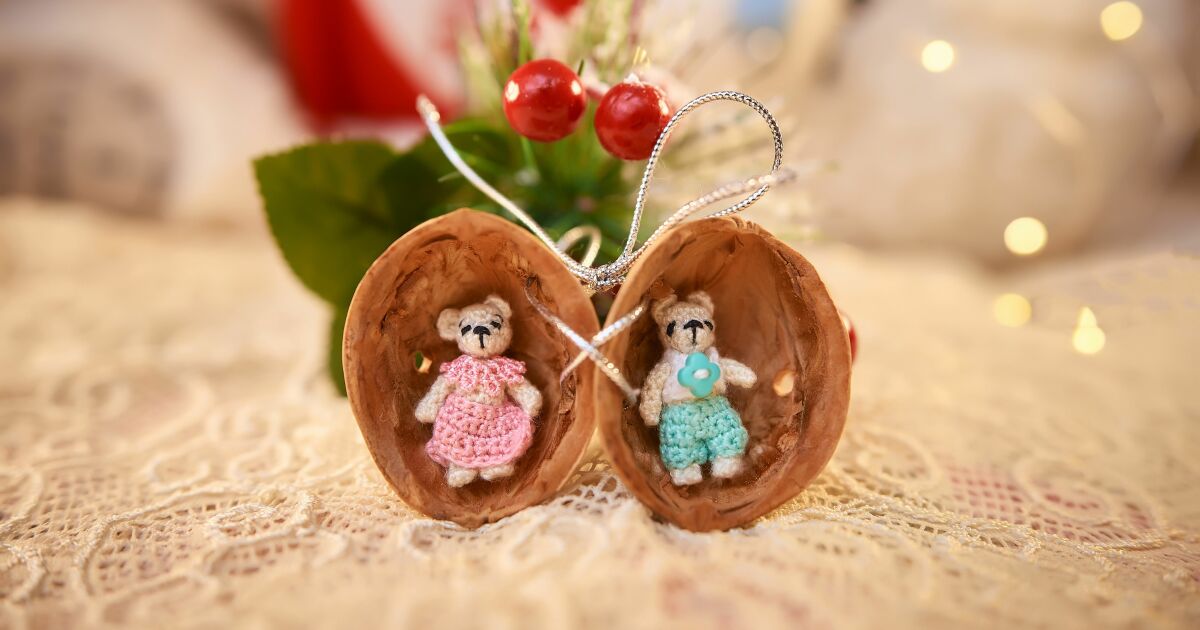
Some animals need forests, burrows, ponds, or cozy sofas they are absolutely not allowed to scratch. Mine need a walnut shell. That is the tiny, slightly ridiculous, completely charming world of miniature amigurumi animals: crochet creatures so small they look as if they escaped from a fairy-tale sewing basket and immediately filed a housing application with a nut.
The Tiny Magic of Miniature Amigurumi Animals
Miniature amigurumi animals are proof that cuteness does not need square footage. Amigurumi, the art of crocheting or knitting stuffed figures, is often known for round bodies, expressive faces, soft shapes, and the kind of personality that makes adults say “aww” in a voice they usually reserve for puppies and dessert menus. Shrink that idea down to walnut-shell size, and the result becomes even more irresistible.
These tiny crochet animals are not simply small toys. They are little character studies made from thread, patience, and the brave decision to voluntarily work with stitches that appear to have been designed for ants. A miniature bunny can be shaped with only a few rounds. A tiny fox needs a carefully placed snout and ears. A micro bear becomes recognizable because of proportion, not size. When every stitch matters, every stitch starts behaving like it has a résumé.
The walnut shell adds the final wink. It turns a crochet miniature into a scene. A mouse no longer sits on a table; it curls inside a natural cradle. A sleepy lamb becomes a pocket-sized nursery resident. A frog tucked into a shell looks less like a craft project and more like a woodland landlord who accepts rent in dew drops.
Why a Walnut Shell Makes the Perfect Tiny Home
A walnut shell works beautifully because it already feels like architecture. Its curved halves resemble a boat, bed, nest, cave, cradle, or secret room, depending on what you put inside. The texture looks organic and warm, which pairs well with thread crochet. A polished plastic box might make the animal look like a collectible. A walnut shell makes it look discovered.
There is also a practical reason. Miniature amigurumi animals are delicate, and the shell frames them. It gives scale to the viewer. Without the walnut, someone may think, “That is a small crochet bunny.” With the walnut, they think, “Wait, that bunny lives inside a nut? I need to sit down.” Scale is part of the surprise.
Before using a shell, it should be cleaned, dried, and checked for sharp edges. A soft lining made from felt, thread scraps, fabric, moss-like yarn, or a bit of stuffing can help the animal sit securely. Some makers glue the figure in place for display; others keep it removable, which is adorable until the tiny squirrel rolls under the sofa and starts a new life among dust bunnies.
The 13-Pic Menagerie: Tiny Animals With Big Personalities
A photo series of thirteen miniature amigurumi animals gives each creature its own moment. The charm is not only in the technical skill but in the personality. At this scale, personality comes from tiny decisions: one ear tilted forward, one tail curled just so, one embroidered mouth that says, “I am small, but I have opinions.”
1. The Walnut-Shell Bunny
The bunny is a natural star for miniature amigurumi. Its round body, long ears, and soft expression work perfectly in a shell bed. A pastel thread bunny can look sweet and sleepy, while a white or cream bunny feels like a little moonbeam taking a nap.
2. The Pocket Fox
A fox needs sharper details: pointed ears, a narrow muzzle, and a tail with attitude. Orange thread makes the figure instantly recognizable, while a white-tipped tail adds the “I may be tiny, but I am dramatic” energy every fox deserves.
3. The Sleepy Mouse
A walnut shell practically begs for a mouse. The connection between small animals and nutshell beds feels classic, cozy, and storybook-ready. A gray mouse with round ears and a stitched nose can turn the shell into a miniature bedroom.
4. The Bear Cub
A micro bear depends on proportion. Big head, small body, round ears, tiny paws: that is the formula. The trick is keeping it soft-looking even when the stitches are extremely tight. A bear in a walnut shell looks like it was born to be a keepsake.
5. The Frog
A frog gives the collection humor. With tiny raised eyes and a green body, it looks as if it might hop away at any second, though at this size its greatest athletic achievement is probably rolling gently to the left.
6. The Hedgehog
A miniature hedgehog is all about texture. The back can be suggested with darker thread, tiny loops, or embroidered details. The face stays simple and sweet. Place it in a walnut shell, and suddenly the shell becomes a woodland den.
7. The Kitten
A tiny kitten needs triangular ears, a little tail, and eyes that suggest mischief. A stitched whisker detail can make it instantly feline. Of all the animals, the kitten is most likely to look like it owns the shell and is merely allowing you to admire it.
8. The Puppy
A puppy can be floppy-eared, spotted, or round like a bread roll with paws. A miniature dog works especially well as a gift because it can echo a real pet without needing a full portrait. A dot here, a patch there, and suddenly someone is crying over a walnut.
9. The Owl
The owl is a wonderful challenge because the face carries the design. Large eyes, a small beak, and a compact body create instant recognition. In a walnut shell, it looks like a wise forest librarian who has misplaced its reading glasses.
10. The Chick
A yellow chick is simple in shape but powerful in cheerfulness. A round body, tiny wings, and a little beak create a sunny figure that brightens the whole collection. It is basically a crocheted dot of happiness.
11. The Lamb
A lamb benefits from fluffy-looking thread or carefully shaped curls. Even in miniature, the body can feel soft and woolly. The irony of crocheting a tiny woolly lamb from thread is not lost on anyone, least of all the lamb.
12. The Seal
A seal adds a smooth, rounded silhouette. With dark eyes and tiny flippers, it can look sweet, sleepy, and slightly surprised by its walnut-based real estate situation.
13. The Squirrel
The squirrel is the comic finale. A creature famous for nuts living inside a walnut shell? That is not just craft. That is narrative efficiency. A curled tail and warm brown thread complete the joke beautifully.
How These Crochet Miniatures Are Made
Miniature crochet animals usually begin with the same logic as larger amigurumi: a magic ring, tight single crochet stitches, increases, decreases, stuffing, and shaping. The difference is scale. Instead of worsted yarn and a comfortable hook, the maker may use crochet thread, embroidery floss, lace-weight yarn, or very fine cotton with a tiny steel hook. This is where the project politely asks whether your eyesight has signed a waiver.
Stitch tension is the secret. If the stitches are too loose, stuffing shows through and the animal loses its shape. If the stitches are too tight, the hook refuses to move and your hand starts writing a resignation letter. The best result sits in the middle: firm enough to hold structure, flexible enough to shape.
Details are often embroidered rather than attached. Safety eyes can be too large for micro amigurumi, and small plastic pieces may not be appropriate if the item could end up near young children. Embroidered eyes, noses, mouths, paws, and whiskers keep the face soft and help the maker control expression. One tiny black stitch can create a calm bunny; two stitches at a slightly different angle can create a bunny who has seen things.
Stuffing is another delicate step. A large amigurumi bear may take handfuls of fiberfill. A walnut-shell animal may need only a whisper of stuffing teased apart with tweezers. Overstuffing can distort the shape; understuffing can make the animal collapse like it just read the comments section. The goal is plump, not puffy.
Design Analysis: Why Small Crochet Animals Feel So Emotional
Part of the appeal of miniature amigurumi animals is the contrast between effort and size. Viewers understand, almost instantly, that something this small took real concentration. The object becomes a record of attention. It says, “Someone cared enough to shape a paw smaller than a grain of rice.” That matters.
The animals also invite storytelling. A full-size plush sits in a room. A tiny animal in a walnut shell creates a world. The shell becomes a home, a bed, a boat, a nest, or a traveling case. The viewer fills in the rest: Where did the animal come from? Does it live in a forest? Does it have neighbors in acorn apartments? Is there a homeowners association, and is the squirrel president?
Miniature art often works because it asks people to lean closer. In a fast-scrolling world, tiny handmade objects slow the viewer down. You cannot appreciate a micro crochet fox from across the room. You have to look. That moment of looking becomes part of the experience.
Tips for Crocheting Your Own Walnut-Shell Amigurumi
Start With Simple Shapes
Do not begin with a miniature peacock, unless you enjoy emotional weather. Start with a ball-shaped bear, bunny, chick, or mouse. Round animals are forgiving and charming, which is the dream combination in any craft.
Use the Right Thread and Hook
Crochet thread or fine cotton gives better definition than fuzzy yarn at this scale. A small hook helps create tight stitches. Test a few combinations before committing. Your perfect hook size is the one that lets you crochet firmly without muttering ancient curses.
Keep the Face Minimal
At miniature size, too many details can make the animal look crowded. A few embroidered features often work better than complex shaping. The viewer’s imagination will gladly do some of the work.
Prepare the Walnut Shell Carefully
Choose a clean, dry shell half with a stable shape. Add a little lining, cushion, or decorative base. If you plan to sell or gift the piece as decor, make it clear that it is a collectible miniature, not a toy for small children.
Photograph With Scale
For a 13-pic series, photography matters. Show the animal in the shell, then show it beside a coin, spool of thread, fingertip, or crochet hook. Scale shots make people gasp, and gasping is excellent for engagement.
Display Ideas for Tiny Crochet Animals
Walnut-shell amigurumi animals can be displayed in shadow boxes, glass domes, miniature shelves, holiday ornaments, desk scenes, dollhouse rooms, or handmade gift boxes. A single animal makes a sweet keepsake. A group of thirteen becomes a tiny zoo with excellent housing density.
Seasonal displays are especially fun. A bunny in a shell works for spring. A bear with a red scarf becomes a winter ornament. A little owl can sit among dried leaves in fall. A mouse under a scrap-fabric blanket makes a charming holiday gift. The walnut shell keeps the design compact, so even a large collection does not require a new wing of the house.
Collectors often love pieces that feel personal. A tiny pet look-alike, a favorite woodland animal, or a creature matched to someone’s nickname can make the gift feel custom without becoming overly complicated. The smaller the object, the bigger the emotional reaction tends to be. Apparently, human hearts have no defense system against tiny paws.
Experience Notes: What Making Walnut-Shell Amigurumi Teaches You
Working on miniature amigurumi animals is a very different experience from making standard crochet plushies. A large amigurumi project lets you relax into the rhythm. You can watch a show, sip coffee, and crochet a round or two without the project staging a rebellion. Miniature crochet demands more focus. The hook is smaller, the thread is thinner, and the stitches are so tiny that losing count feels less like a mistake and more like a mystery novel.
The first lesson is patience. A tiny animal may look quick because it is small, but the scale slows everything down. Thread splits. The hook slips. The magic ring tightens at the exact moment you need it to cooperate. You may spend fifteen minutes shaping an ear that is barely visible to anyone who does not own a magnifying glass. Then, suddenly, the ear lands correctly, and the whole animal wakes up. That moment is addictive.
The second lesson is restraint. With larger crochet animals, it is tempting to add accessories, color changes, cheeks, clothes, bags, scarves, hats, snacks, and possibly a mortgage. With walnut-shell miniatures, too much detail can overwhelm the figure. You learn to suggest rather than explain. A single stitch becomes a smile. A tiny triangle becomes a beak. A slight curve in the tail becomes movement. Minimalism stops being a design trend and becomes survival.
The third lesson is that mistakes are not always disasters. At this size, a slightly uneven ear can make a bunny look curious. A lopsided paw can make a bear look shy. A frog with one eye a fraction higher than the other may become the funniest member of the collection. Handmade miniatures have personality because they are not factory-perfect. The tiny quirks are often what make people love them.
There is also a special kind of joy in preparing the walnut shells. Each shell has its own shape. Some are deep and nest-like; others are shallow and boat-like. Matching the right animal to the right shell feels like interior design for woodland creatures. A curled mouse fits a narrow shell. A round chick likes a deeper one. A squirrel, naturally, looks smug in any walnut shell because it understands the assignment.
Photographing the finished pieces is another experience entirely. The camera reveals things your eyes politely ignored: a loose fiber, a crooked stitch, a crumb that has no business being in a professional craft photo. But photography also reveals the magic. When the light catches the thread texture and the walnut shell frames the animal like a tiny stage, the whole project feels alive. That is when the long hours make sense.
Most of all, crocheting miniature amigurumi animals teaches appreciation for small progress. One paw today, one ear tomorrow, one finished fox by the weekend. In a world that constantly asks for bigger, faster, louder, these tiny animals ask for slower, closer, softer. They remind us that art does not have to be large to feel meaningful. Sometimes it just has to fit inside a walnut shell and look up at you like it has been waiting there all along.
Conclusion
Miniature amigurumi animals that can live in a walnut shell combine the best parts of crochet, miniature art, and storytelling. They are technically challenging, visually delightful, and emotionally powerful in a way that only tiny handmade things can be. Each animal proves that charm is not measured in inches. It is measured in detail, patience, expression, and the number of times someone whispers, “How is that even possible?”
Whether you are a crochet beginner dreaming of your first tiny mouse or an experienced maker ready to test your thread-crochet courage, walnut-shell amigurumi offers a rewarding creative challenge. Start simple, work slowly, keep your stitches tight, and let the personality emerge one tiny round at a time. Before long, you may have a whole miniature forest living in nutshell homesand honestly, they will probably have better curb appeal than the rest of us.
SEO Tags
Note: This is an original, publication-ready article written in standard American English and synthesized from real crochet, amigurumi, miniature craft, and safety information without copying source text.