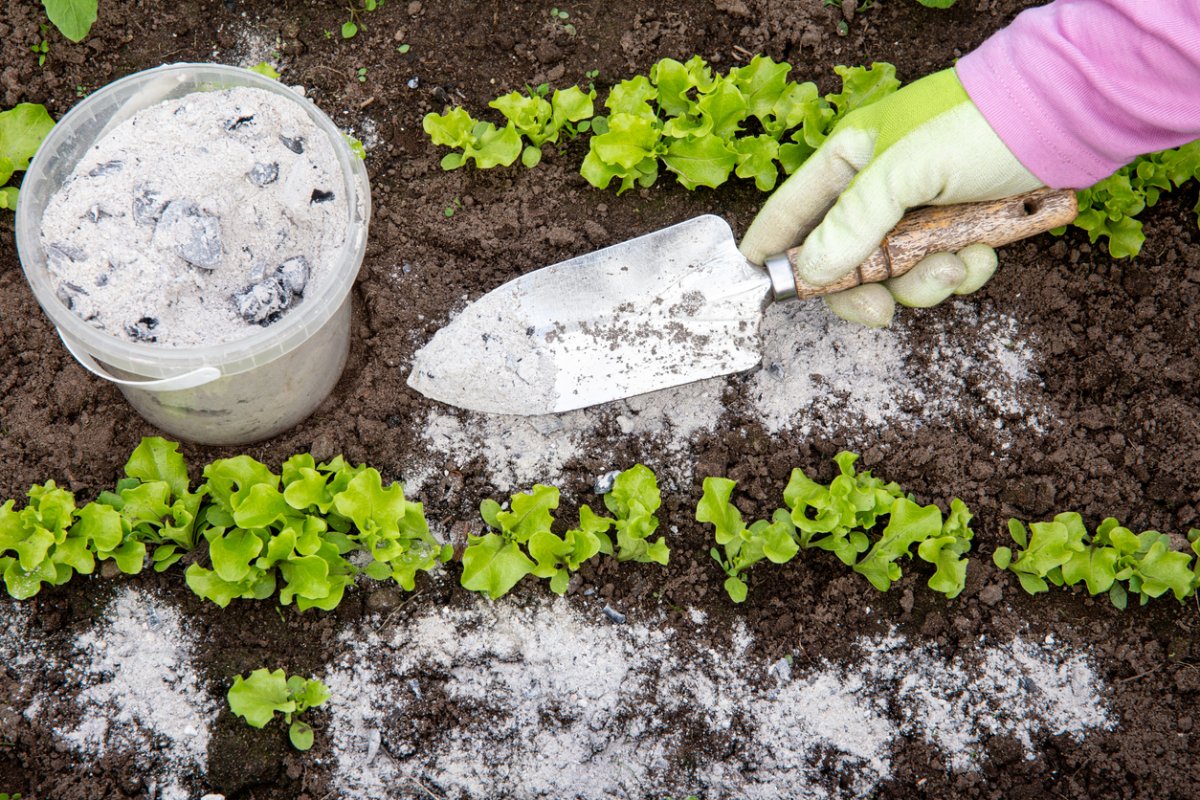
That bucket of gray powder sitting beside the fireplace may not look glamorous. It is not shiny, it does not come in a fancy bag with a smiling tomato on the label, and nobody has ever said, “Wow, your ash storage system is adorable.” Still, wood ash can be surprisingly useful in the garden when used with care.
Wood ash contains calcium, potassium, magnesium, phosphorus, and trace minerals that plants use for healthy growth. It also acts like a mild liming material, meaning it can raise soil pH and make acidic soil less sour. In the right garden, that is great news. In the wrong garden, it is a botanical prank with consequences.
The secret is moderation. Wood ash is not a magic dust to sprinkle everywhere like gardening glitter. It works best when you know your soil pH, use ash from clean untreated wood, avoid acid-loving plants, and apply it lightly. Think of it as a seasoning, not the main course.
What Is Wood Ash?
Wood ash is the powdery mineral residue left after burning natural wood. When wood burns, much of the carbon, nitrogen, and sulfur escapes as gas. What remains is a concentrated mix of minerals, especially calcium compounds, along with potassium, magnesium, phosphorus, and small amounts of micronutrients.
Because ash is alkaline, it can change soil chemistry quickly. That is why gardeners often compare it to garden lime. Both can raise soil pH, but wood ash tends to react faster because its minerals are more soluble. Fast is useful when your soil is too acidic, but it also means mistakes can show up fast. Plants are not shy about sulking when their root zone suddenly turns into a chemistry experiment.
Why Gardeners Use Wood Ash
Used properly, wood ash can be a practical garden amendment. It recycles a fireplace byproduct, adds useful minerals, and can help correct overly acidic soil. For gardeners who heat with wood, it also answers the annual winter question: “What am I supposed to do with all this ash besides stare at it?”
1. Wood Ash Raises Soil pH
The most important thing wood ash does is raise soil pH. Many vegetables and flowers grow best in slightly acidic to neutral soil, often around pH 6.0 to 7.0. If your soil test shows a low pH, wood ash may help make nutrients more available to plants.
This is especially helpful in regions with naturally acidic soil. However, if your garden soil is already neutral or alkaline, adding ash can push pH too high. When soil becomes too alkaline, plants may struggle to absorb iron, manganese, phosphorus, and other nutrients. The plant may technically be surrounded by food, but unable to eat it. Very rude, chemically speaking.
2. Wood Ash Adds Potassium
Potassium helps plants move water, build strong stems, resist stress, and support flowering and fruiting. Wood ash is often called a source of potash because it contains potassium in a plant-available form. Tomatoes, peppers, root crops, fruiting plants, bulbs, and many perennials use potassium heavily during active growth.
Still, wood ash is not a complete fertilizer. It contains little to no nitrogen, the nutrient that drives leafy green growth. If your garden needs nitrogen, ash will not solve that problem. You may still need compost, blood meal, fish emulsion, alfalfa meal, or another nitrogen source depending on your soil test and growing goals.
3. Wood Ash Supplies Calcium and Trace Minerals
Calcium is often the most abundant nutrient in wood ash. In garden soil, calcium supports cell wall strength, root development, and overall plant structure. Wood ash may also contain magnesium, phosphorus, manganese, zinc, boron, and other micronutrients in small amounts.
Gardeners sometimes mention wood ash in conversations about tomato blossom-end rot because blossom-end rot is linked to calcium movement in the plant. However, do not assume ash is the cure. Blossom-end rot is often caused by inconsistent watering, root stress, or rapid growth, even when calcium exists in the soil. Before adding ash to tomatoes, check soil pH first. Tomatoes like slightly acidic soil; they do not want to live in a fireplace-themed spa.
Use Only the Right Kind of Ash
Not all ash belongs in the garden. The safest option is ash from clean, natural, untreated wood. Hardwood ash and softwood ash can both be used, although hardwoods often produce more ash and may contain more minerals because they are denser.
Avoid ash from treated lumber, painted wood, stained wood, plywood, particleboard, cardboard with colored inks, glossy paper, trash, coal, charcoal briquettes, and manufactured fire logs. These materials may contain chemicals, heavy metals, binders, accelerants, or residues you do not want in your vegetable bed. If you would not want it touching your salad, do not invite it into the soil that grows your salad.
Test Your Soil Before Using Wood Ash
The best way to use wood ash in the garden is to start with a soil test. A soil test tells you the current pH and nutrient levels. Without that information, applying ash is a guess. Sometimes the guess works. Sometimes the guess makes your blueberries file a formal complaint.
If your soil pH is below the ideal range for the plants you want to grow, wood ash may be appropriate. If the pH is already above 7.0, skip it. If potassium levels are already high, skip it. If your soil test recommends lime, ask your local extension service whether wood ash can be used as part of the liming plan.
How Much Wood Ash Should You Use?
The safest answer is: less than you think. For home gardens, light applications are better than heavy ones. A common general guideline is to apply no more than about 3 pounds of dry wood ash per 100 square feet in a season, unless a soil test gives a specific recommendation.
Because ash is powdery and alkaline, spread it evenly. Do not dump it in piles. A pile of ash can create a concentrated hot spot that damages roots, disrupts microbes, and turns one unlucky corner of the garden into a tiny desert of regret.
If you are new to using wood ash, start with a small amount. You can always add more in future seasons if soil tests show it is needed. Removing excess alkalinity from soil is much harder than applying ash in the first place.
How to Apply Wood Ash to Garden Soil
Apply wood ash on a calm day when the soil is slightly moist. Dry ash is extremely fine and can drift into your eyes, lungs, neighbor’s laundry, or anywhere else the wind feels dramatic. Wear gloves, long sleeves, and a dust mask if the ash is dusty.
Step 1: Make Sure the Ash Is Completely Cool
Fireplace ash can hide live embers for longer than you might expect. Store ash in a metal container with a tight-fitting lid until you are sure it is fully cool. Never place warm ash in plastic buckets, paper bags, cardboard boxes, or anything that can burn. Safety first; garden experiments should not involve calling the fire department.
Step 2: Sift Out Large Charcoal Pieces
A few small charcoal bits are not a crisis, but large chunks can make spreading uneven. Use a simple garden sieve or hardware cloth if needed. Fine ash mixes into soil more easily and gives you better control over the application.
Step 3: Sprinkle Lightly and Evenly
Sprinkle ash in a thin layer over the soil surface. Aim for even coverage rather than visible gray carpeting. If the bed looks like it survived a volcanic eruption, you probably used too much.
Step 4: Work It Into the Topsoil
Use a rake, hoe, or hand cultivator to mix ash into the top few inches of soil. Do not leave thick ash sitting on top of the ground where it can blow away, crust over, or wash into storm drains. Mixing it in helps reduce dust and brings the minerals into the root zone.
Step 5: Water Lightly
After application, water gently. This helps settle the ash into the soil. Avoid heavy watering that creates runoff, especially on slopes or near waterways.
Best Times to Apply Wood Ash
Fall is often a good time to apply wood ash because it gives the amendment time to react with the soil before spring planting. Early spring can also work if you apply ash several weeks before seeding or transplanting.
Avoid applying wood ash at the exact time of seeding. The salts and alkalinity in ash can irritate tender roots and reduce germination. Baby seedlings are already doing their best; they do not need a surprise alkaline dust bath.
Also avoid applying ash in winter when plants are dormant and rainfall or snowmelt may wash soluble nutrients away before roots can use them. If you produce more ash than the garden needs, store it safely or dispose of excess ash responsibly rather than forcing it onto the soil.
Plants That May Benefit From Wood Ash
Wood ash is most useful for plants that prefer slightly acidic to neutral soil and appreciate potassium and calcium. Good candidates may include asparagus, garlic, onions, beans, peas, lavender, clematis, lilacs, some ornamental grasses, and many vegetables when the soil is too acidic.
Brassicas such as cabbage, broccoli, cauliflower, kale, and Brussels sprouts often prefer soil near neutral. In acidic soils, raising pH may also help reduce the risk of clubroot, a disease that affects members of the cabbage family. Again, soil testing matters. Do not add ash just because the broccoli looks emotionally distant.
Fruit trees may also benefit from wood ash if the soil is acidic and potassium is low. Apply ash around the drip line, not piled against the trunk. Tree bark does not need a gray turtleneck.
Plants That Do Not Like Wood Ash
Never use wood ash around acid-loving plants unless a soil test and expert recommendation say otherwise. Blueberries, azaleas, rhododendrons, camellias, mountain laurel, gardenias, and many ferns prefer acidic soil. Wood ash raises pH, which can make these plants struggle.
Potatoes are another important caution. Wood ash can raise soil pH, and higher pH may increase the risk of potato scab. If you grow potatoes, keep ash away from that bed unless you have a specific soil-management reason to use it.
Can You Add Wood Ash to Compost?
Yes, but gently. Small amounts of wood ash can be added to compost to contribute minerals and help balance acidic materials. The key phrase is “small amounts.” Sprinkle a thin layer occasionally rather than dumping in a bucket.
Too much ash can make compost overly alkaline, slow microbial activity, and create an unpleasant texture. A good rule is to keep wood ash to a minor portion of the pile, mixed thoroughly with kitchen scraps, leaves, grass clippings, and other compost ingredients.
Do not mix wood ash directly with fresh manure or high-nitrogen fertilizers. High pH conditions can encourage nitrogen loss as ammonia gas. In plain English: you paid for nitrogen, then accidentally helped it escape into the air. That is not fertilizing; that is nutrient jailbreak.
Can Wood Ash Repel Garden Pests?
Some gardeners sprinkle ash around plants to discourage slugs and snails. Dry ash can irritate soft-bodied pests, but the effect disappears after rain or irrigation. It can also harm soil balance if overused. As a pest control method, wood ash is temporary at best.
If slugs are a serious problem, use a broader plan: remove hiding places, water in the morning, use traps, encourage predators, and consider iron phosphate bait where appropriate. Wood ash can play a small role, but it should not be your entire slug strategy. Slugs are slow, not foolish.
Wood Ash and Lawn Care
Wood ash can be used on lawns in a way similar to lime, but only if the soil pH is low. Spread it thinly and evenly, then water it in. Because lawns cover a larger area, they can sometimes absorb light applications more safely than a small garden bed. Still, soil testing comes first.
Avoid applying ash where runoff could carry it into streets, ditches, ponds, or streams. Ash contains soluble nutrients that can affect water quality if they move off-site.
Common Mistakes to Avoid
Using Ash Without a Soil Test
This is the big one. Wood ash changes pH, and pH affects nutrient availability. Guessing can lead to yellow leaves, weak growth, and confused gardeners muttering at tomatoes.
Applying Too Much at Once
More ash does not mean more fertility. Too much can create alkaline soil, salt stress, and nutrient imbalances. Spread lightly and repeat only if future soil tests support it.
Using Contaminated Ash
Ash from treated wood, trash, coal, or briquettes does not belong in the garden. Use only clean wood ash from natural firewood.
Putting Ash Around Acid-Loving Plants
Blueberries and azaleas are not being dramatic. They truly need acidic soil. Keep wood ash away from them.
Applying Ash on Windy Days
Ash is dusty. Wind turns it into a gray cloud with social ambitions. Apply on calm days and wear protection.
Practical Wood Ash Application Examples
Example 1: Vegetable bed with acidic soil. A gardener tests a raised bed and finds the pH is 5.5. The bed will grow beans, onions, cabbage, and tomatoes. A light application of wood ash in fall, mixed into the topsoil, may help raise pH and add potassium before spring planting.
Example 2: Blueberry patch. A gardener has several healthy blueberry bushes in acidic soil. Even if wood ash is available, it should not be applied there. Blueberries prefer acidic conditions, and ash can make the soil less suitable.
Example 3: Compost pile. A gardener adds kitchen scraps, leaves, and grass clippings to compost. Once in a while, they sprinkle a small amount of ash and mix it in well. This is reasonable. Dumping a full ash bucket on top is not composting; it is burying the pile under fireplace confetti.
Example 4: Lawn with low pH. A lawn soil test shows acidic soil and recommends liming. The homeowner may use a modest amount of wood ash as a liming material, spread evenly, while still following soil-test guidance.
How to Store Wood Ash Safely
Store wood ash in a metal can with a lid, placed on a nonflammable surface away from buildings, fences, dry leaves, and firewood stacks. Even when ash looks cold, hidden embers can remain dangerous. Let it sit for several days before using it in the garden.
Keep ash dry if you plan to use it later. Wet ash can form clumps and become harder to spread evenly. Label the container so nobody mistakes it for cement, flour, or some mysterious homestead smoothie ingredient.
Is Wood Ash Organic?
Wood ash from clean, natural wood is often accepted as a natural soil amendment, but organic gardening standards can vary depending on certification rules and local guidelines. Home gardeners who are not selling certified organic produce can generally use clean wood ash thoughtfully. Certified growers should check their certifier’s rules before applying it.
Experience Section: Lessons From Using Wood Ash in a Real Garden
The first lesson about wood ash is that it makes you feel powerful. You stand there with a bucket of fireplace leftovers thinking, “I have created fertilizer from fire.” Very ancient. Very practical. Very likely to make you overdo it if you are not careful.
In a typical home garden, the smartest approach is to treat wood ash like a strong spice. A pinch can improve the recipe. A cup dumped into the soup makes everyone quietly order pizza. Garden soil responds the same way. A light dusting worked into the soil can be useful; a thick gray blanket can cause problems.
One practical experience many gardeners share is that ash works best when it is part of a larger soil-care routine. Compost improves structure and microbial life. Mulch protects moisture. Crop rotation reduces disease pressure. Soil testing keeps everything honest. Wood ash fits into that system as a pH and mineral adjustment, not as a replacement for everything else.
For example, in a vegetable garden with naturally acidic soil, applying a small amount of ash in fall can make spring planting easier. By the time the soil warms, the ash has had time to mellow into the bed. Cabbage-family crops may grow more vigorously, onions may appreciate the potassium, and beans may respond well if the pH moves into a better range.
Another real-world lesson: ash and blueberries should live separate lives. Many gardeners learn this after assuming all “natural” amendments are universally good. Blueberries are acid-loving plants. They want soil conditions that would make many vegetables frown. Adding ash near them can raise pH and cause yellowing leaves, weak growth, and disappointing harvests. If your blueberry bed is thriving, do not celebrate by dusting it with ash.
Wood ash is also surprisingly messy. Even careful gardeners discover that one tiny breeze can lift ash into the air like a dramatic stage effect. The best routine is to apply it after a light rain or when the soil surface is damp. Wear gloves and a mask, pour slowly, and rake it in right away. This keeps the ash where it belongs: in the soil, not on your eyebrows.
Compost piles can handle a little ash, but they do not want to become ash piles. A thin sprinkle every few layers is enough. Mix it with moist greens and dry browns so it disappears into the pile. If the compost starts looking pale and powdery, stop adding ash and give the pile more leaves, vegetable scraps, and time.
Storage matters too. A metal can with a lid is not optional; it is common sense. Fireplace ash can hide heat longer than expected, and plastic buckets are not brave. Keep the ash outside, covered, dry, and away from anything flammable. The garden may benefit from wood ash, but the shed does not need to become a cautionary tale.
The biggest takeaway is simple: wood ash is useful when the garden actually needs what it offers. It raises pH, supplies potassium and calcium, and recycles a natural byproduct. But it is not automatically good for every bed, every plant, or every season. Test first, apply lightly, avoid sensitive crops, and keep notes. Your future self will appreciate knowing what you added, when you added it, and whether the tomatoes applauded or staged a protest.
Conclusion
Wood ash can be a valuable garden amendment, especially for acidic soils that need a pH lift and plants that can use extra potassium and calcium. It is free, widely available for anyone with a fireplace or wood stove, and easy to apply when handled carefully.
But the same qualities that make wood ash useful can also make it risky. It is alkaline, soluble, dusty, and easy to overapply. Use only ash from clean untreated wood, test soil before applying, keep it away from acid-loving plants, and spread it lightly. When in doubt, use less.
In the garden, wood ash is not garbage. It is not magic either. It is a tool. And like most tools, it works beautifully when used for the right job instead of waved around like a wizard wand over the zucchini.