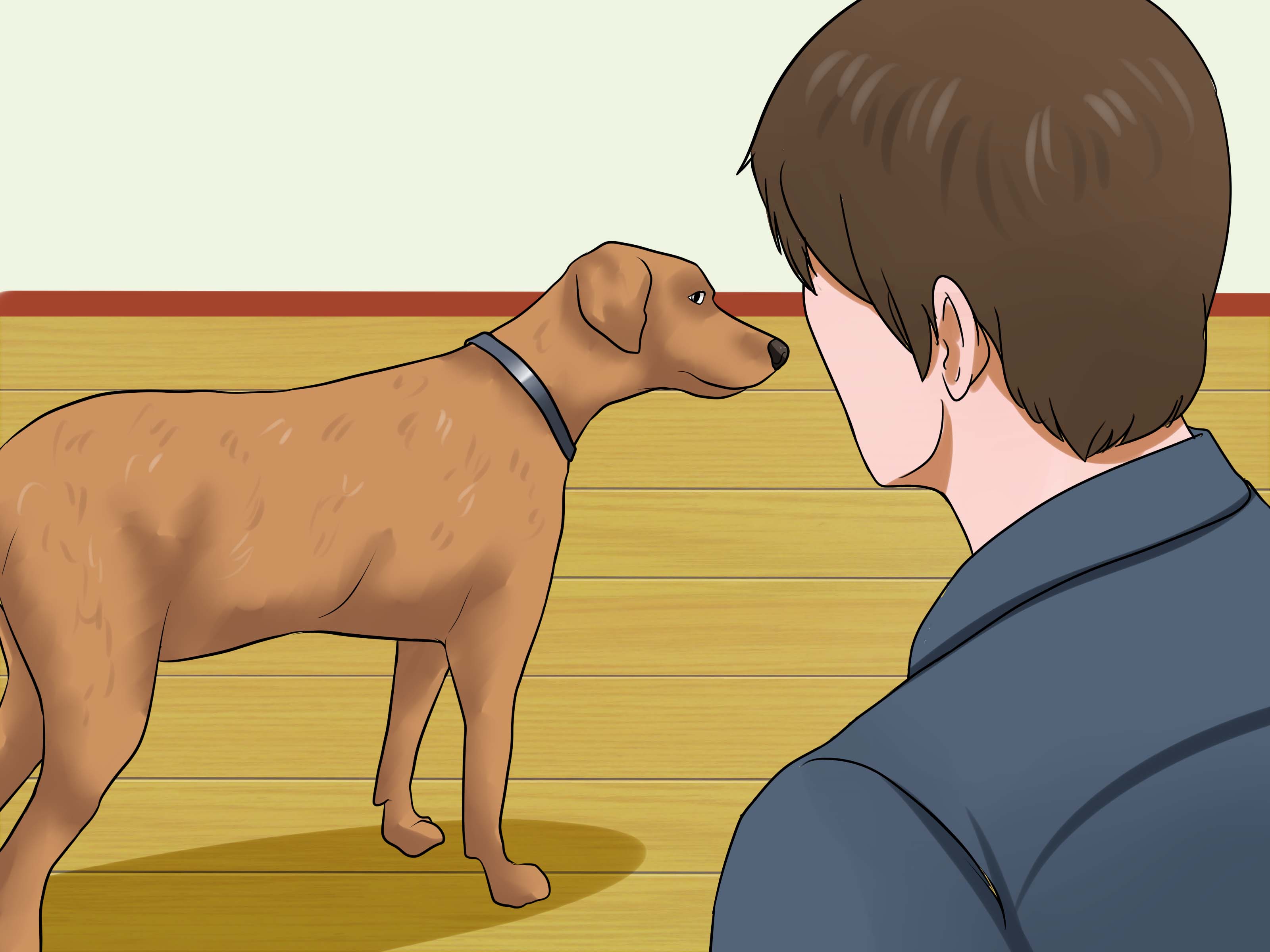
Dog flu sounds almost cute until your normally bouncy pup starts coughing like a tiny old man who just discovered jazz clubs. Also called canine influenza, dog flu is a contagious respiratory infection in dogs. It can cause coughing, sneezing, nasal discharge, fever, tiredness, and a dramatic “I am deeply unwell, please carry me” expression that many dogs have perfected.
The good news: most dogs recover with the right supportive care. The not-so-good news: dog flu spreads easily among dogs, especially in boarding facilities, dog parks, groomers, shelters, daycares, and any place where dogs gather to sniff each other’s business cards. Treatment is not usually about “killing” the virus with a magic pill. Instead, it focuses on comfort, hydration, rest, monitoring, and preventing complications while your dog’s immune system does its job.
This guide explains how to treat dog flu in seven practical steps, when to call a veterinarian, what not to do, and how to reduce the chance of another round of canine cough chaos.
What Is Dog Flu?
Dog flu is a contagious respiratory disease caused by canine influenza viruses. In the United States, canine influenza has been associated mainly with H3N2 and historically H3N8 strains. These viruses spread through respiratory droplets when infected dogs cough, sneeze, bark, or share close airspace. They can also spread through contaminated bowls, leashes, bedding, hands, clothing, and kennel surfaces.
Dog flu is different from the human seasonal flu. There is no evidence that canine influenza commonly spreads from dogs to people, but it can move quickly from dog to dog. That is why isolation is such a big deal. Your dog may be sweet, vaccinated, and socially charming, but if they are coughing, they should not be mingling at daycare like the mayor of Barktown.
Common Dog Flu Symptoms
Dog flu symptoms can look similar to kennel cough and other canine respiratory infections, so it is hard to diagnose by symptoms alone. Some dogs have mild signs, while others become very sick. Watch for:
- Persistent coughing, either dry or moist
- Sneezing
- Runny nose or thick nasal discharge
- Watery or crusty eyes
- Fever
- Lethargy or unusual tiredness
- Reduced appetite
- Faster or labored breathing
- Worsening cough after activity
Many dogs recover in about two to three weeks, but coughing can linger. Puppies, senior dogs, flat-faced breeds, dogs with heart or airway disease, and dogs with weakened immune systems may be at higher risk for complications such as pneumonia.
How to Treat Dog Flu: 7 Steps
Step 1: Call Your Veterinarian Before Visiting the Clinic
If your dog has a cough, fever, nasal discharge, or seems unusually tired, call your veterinarian first. Do not simply walk into the waiting room with a coughing dog unless the clinic tells you to come in that way. Canine flu is contagious, and veterinary clinics often have special instructions to protect other pets.
Your vet may ask when symptoms started, whether your dog has been around other dogs, whether there has been a local outbreak, and whether your dog is eating, drinking, and breathing normally. Depending on your dog’s condition, your vet may recommend an exam, diagnostic testing, medication, or at-home supportive care.
Testing may involve nasal or throat swabs, especially early in the illness. In some cases, blood tests or chest X-rays may be needed if pneumonia or another illness is suspected. Because dog flu symptoms overlap with kennel cough, canine distemper, pneumonia, allergies, and other infections, guessing is not the best strategy. Your dog deserves more than “Dr. Google with a squeaky toy.”
Step 2: Isolate Your Dog From Other Dogs
Isolation is one of the most important parts of dog flu treatment. A sick dog should stay away from other dogs, including dogs at parks, groomers, boarding facilities, training classes, and daycares. If you have multiple dogs at home, separate the sick dog as much as possible.
Use a separate room, separate food and water bowls, and separate bedding. Wash your hands after handling the sick dog, and avoid carrying germs on clothing from one dog to another. Clean frequently touched surfaces, especially bowls, crates, toys, floors, and leashes.
Many veterinary guidelines recommend a long isolation period for suspected or confirmed canine influenza because infected dogs can shed virus for days or weeks. Your veterinarian can tell you how long your dog should remain isolated based on the suspected strain, local outbreak patterns, and your dog’s symptoms. Even if your dog starts acting better, do not rush them back into social settings. Dogs do not understand “public health,” which is why humans must handle the boring but important part.
Step 3: Create a Calm Recovery Space
Rest is not optional. A dog fighting flu needs quiet, warmth, and comfort. Set up a recovery area with clean bedding, fresh water, and easy access to potty breaks. Keep the space well ventilated but not cold or drafty. If your dog usually sleeps in a busy part of the house, consider moving them to a calmer room away from noise, children, and other pets.
Limit exercise while your dog is coughing or feverish. Skip long walks, rough play, agility practice, and “zoomies Olympics.” Short leash walks for bathroom breaks are usually enough until your vet says activity can increase. Overexertion can worsen coughing and make breathing harder.
Comfort matters, too. Some dogs feel better with gentle attention, while others prefer to sleep. Let your dog guide you. Offer affection without crowding them. A sick dog may not want belly rubs, but they may appreciate your quiet company. Think of yourself as a nurse, not a cruise director.
Step 4: Encourage Hydration and Nutrition
Hydration is central to dog flu care. Fever, nasal discharge, and reduced appetite can make dogs drink less, which may slow recovery. Keep clean water available at all times. If your dog is not drinking normally, call your veterinarian for advice.
You can encourage fluid intake by offering fresh water frequently, adding a small amount of water to meals, or asking your vet whether low-sodium broth is appropriate. Do not force water into your dog’s mouth, as that can cause choking or aspiration. If your dog is weak, vomiting, or refusing water, veterinary care is needed.
Appetite may dip during illness. Offer easy-to-eat food, such as your dog’s normal diet softened with warm water. A sudden diet change can upset the stomach, so keep meals simple unless your vet recommends otherwise. If your dog refuses food for more than a day, is a puppy, is diabetic, or has another medical condition, contact your vet promptly.
Step 5: Use Only Vet-Approved Medications
Dog flu is viral, so antibiotics do not treat the virus itself. However, veterinarians may prescribe antibiotics if a secondary bacterial infection develops. They may also recommend medications to reduce fever, ease coughing, treat inflammation, or support breathing, depending on your dog’s condition.
Never give your dog human flu medicine, cough syrup, ibuprofen, acetaminophen, aspirin, decongestants, or leftover antibiotics unless your veterinarian specifically tells you to. Many human medications are dangerous or even deadly for dogs. Even “natural” remedies can interact with medications or irritate your dog’s stomach.
If your vet prescribes medication, follow the instructions exactly. Finish antibiotics if they are prescribed, unless your vet advises otherwise. Do not double doses, skip doses, or stop treatment because your dog looks better after two days. Dogs are excellent at appearing cured right before they cough on your carpet again.
Step 6: Watch for Emergency Warning Signs
Most cases of dog flu are mild to moderate, but complications can happen. Seek urgent veterinary care if your dog shows any of the following:
- Difficulty breathing
- Blue, gray, or pale gums
- Rapid breathing at rest
- Severe weakness or collapse
- High or persistent fever
- Refusal to drink water
- Signs of dehydration, such as dry gums or sunken eyes
- Worsening cough or thick yellow-green nasal discharge
- Vomiting, diarrhea, or inability to keep food down
Pneumonia is one of the more serious concerns. It may cause labored breathing, fever, lethargy, and a worsening cough. Dogs with pneumonia may need X-rays, oxygen support, fluids, antibiotics for bacterial complications, or hospitalization. Do not wait for symptoms to become dramatic. If breathing looks wrong, treat it as urgent.
Step 7: Prevent Reinfection and Future Spread
Once your dog is recovering, prevention becomes the star of the show. Ask your veterinarian whether the canine influenza vaccine is appropriate for your dog. The dog flu vaccine is generally considered a lifestyle vaccine, meaning it is recommended based on exposure risk rather than automatically required for every dog.
Dogs who may benefit include those who visit boarding facilities, doggy daycare, groomers, dog parks, shelters, training classes, competitions, or travel frequently. Social dogs are adorable, but they are also tiny networking machines for respiratory germs.
Vaccination may not prevent every infection, but it can reduce the severity and duration of illness and may reduce viral shedding. Your veterinarian can recommend the right vaccine schedule based on your dog’s age, health, local disease activity, and vaccine availability.
Good prevention also includes avoiding crowded dog settings during outbreaks, cleaning shared items, choosing facilities with strong illness policies, and keeping sick dogs home. If your dog coughs, cancel the grooming appointment. The groomer will understand. The other dogs will not send thank-you cards, but their lungs will appreciate it.
What Not to Do When Your Dog Has the Flu
When a dog is sick, loving owners sometimes overdo it. Good intentions are wonderful; random treatments from the internet are not. Avoid these common mistakes:
- Do not give human medications. Many are toxic to dogs.
- Do not use essential oils near your dog’s face. Some can irritate airways or be unsafe if ingested.
- Do not force exercise. Rest supports recovery.
- Do not take your dog to daycare, parks, or boarding. Keep them isolated until your vet clears them.
- Do not ignore breathing changes. Respiratory distress is an emergency.
- Do not assume every cough is dog flu. Other conditions can look similar.
How Long Does Dog Flu Last?
Many dogs begin improving within several days and recover over two to three weeks. However, the cough can last longer, especially if the airway remains irritated. Some dogs develop secondary infections that extend recovery time.
Your dog’s timeline depends on age, immune health, vaccination status, the virus involved, and whether complications develop. A young, otherwise healthy dog may bounce back quickly. A senior dog with heart disease may need closer monitoring and more intensive care.
If your dog is not improving, seems worse after initially getting better, or develops new symptoms, call your veterinarian. A “wait and see” approach is not ideal when breathing, fever, or dehydration are involved.
Dog Flu vs. Kennel Cough: What Is the Difference?
Dog flu and kennel cough can look almost identical at first. Both can cause coughing, sneezing, and nasal discharge. Kennel cough is a broad term often used for canine infectious respiratory disease, which may involve several viruses or bacteria. Dog flu specifically refers to illness caused by canine influenza viruses.
The difference matters because isolation recommendations, outbreak control, and testing decisions may vary. Dog flu can spread quickly in groups of dogs, and some infected dogs may shed virus before symptoms are obvious. Your veterinarian may recommend testing if there has been exposure to an outbreak, if symptoms are severe, or if your dog is part of a high-risk environment such as a shelter, kennel, or daycare.
When Can Your Dog Return to Normal Activities?
Your dog can return to regular activities only after your veterinarian says it is safe. In general, your dog should be fever-free, breathing comfortably, eating and drinking well, and no longer considered contagious. Because canine influenza can require a longer isolation period than some other respiratory illnesses, clearance from your vet is important.
Ease your dog back into activity. Start with short walks and watch for coughing, fatigue, or heavy breathing. If symptoms return, slow down and call your vet. Recovery is not a race, even if your dog believes squirrels are personally challenging them.
Practical Experience: What Dog Flu Care Looks Like at Home
In real life, treating dog flu is less dramatic than people expect, but it does require patience. The first day is often the most confusing. Your dog may cough, sleep more, and look at breakfast like it personally offended them. The best move is to call the vet, describe symptoms clearly, and ask whether your dog needs to be seen or tested. Keeping notes helps. Write down when coughing started, whether the cough is dry or wet, what your dog ate, how much they drank, and whether their energy changed.
Many owners find that a quiet recovery routine makes the biggest difference. One practical setup is a “sick bay” room with washable bedding, a water bowl, a thermometer approved for pets, paper towels, disinfectant safe for animals, and a trash bag for tissues or wipes. Keep the room calm. If your dog is used to sleeping with you, you may still be able to comfort them, but avoid letting them share space with other dogs.
Hydration can become the daily project. Some dogs drink normally. Others need encouragement. Adding warm water to regular food can help. Serving smaller meals more often may also be easier than expecting your dog to finish one big bowl. The goal is not gourmet dining. This is not the week to introduce duck confit kibble toppers and reinvent dinner. Familiar food is usually better.
Another common experience is owner guilt. People often worry they caused the illness by going to the dog park, boarding facility, or groomer. Try not to spiral. Dog flu is contagious, and exposure can happen even when you make responsible choices. The useful question is not “How did I fail?” but “How do I help my dog recover and prevent spreading it now?” That means isolation, cleaning, and honest communication with facilities your dog recently visited.
Cleaning also becomes part of the treatment rhythm. Wash bowls daily with hot, soapy water. Launder bedding. Disinfect crates, hard toys, and surfaces according to product directions. Wash your hands after touching your sick dog, especially before handling another pet. If you must care for multiple dogs, handle the healthy dogs first and the sick dog last, then change clothes if needed.
The hardest part may be enforcing rest when your dog starts feeling better. Around the middle of recovery, many dogs regain energy before their airways fully heal. They may want to play, bark at delivery drivers, or celebrate life by launching themselves off the couch. Keep things boring a little longer. Short leash walks, puzzle toys, gentle attention, and quiet companionship are safer than wrestling or long outings.
Finally, recovery teaches many owners to plan ahead. Ask your vet about vaccination if your dog is social or frequently boarded. Ask boarding facilities about their cleaning policies, vaccine requirements, and illness procedures. Keep your dog home at the first sign of coughing. The polite thing to do in dog society is not sharing snacks; it is not sharing respiratory viruses.
Conclusion
Dog flu can be stressful, but it is manageable when you act early and focus on the basics: call your veterinarian, isolate your dog, support hydration and nutrition, use only vet-approved medications, watch for warning signs, and prevent future spread. Most dogs recover with supportive care, but severe symptoms deserve fast veterinary attention.
The heart of dog flu treatment is simple: give your dog time, comfort, and medical guidance when needed. Your pup may not appreciate the isolation, the reduced activity, or your sudden obsession with water bowls, but those steps protect both your dog and the wider canine community. In other words, you are not being overprotective. You are being the responsible human with thumbs, disinfectant, and a working phone.