Note: This guide is for educational pet-care content only. A cheek abscess in a hamster is not a “wait and see” situation. Because hamsters are tiny, infections can worsen quickly, so the safest treatment plan always starts with an exotic-pet veterinarian.
Introduction: When Cute Hamster Cheeks Are Not So Cute
Hamsters are famous for their adorable, snack-stuffed cheeks. One minute your tiny roommate looks normal; the next, it appears to be smuggling an entire grocery aisle in its face. Usually, that is just classic hamster behavior. Cheek pouches are built for carrying food, nesting material, and the occasional “I definitely need seven sunflower seeds right now” treasure haul.
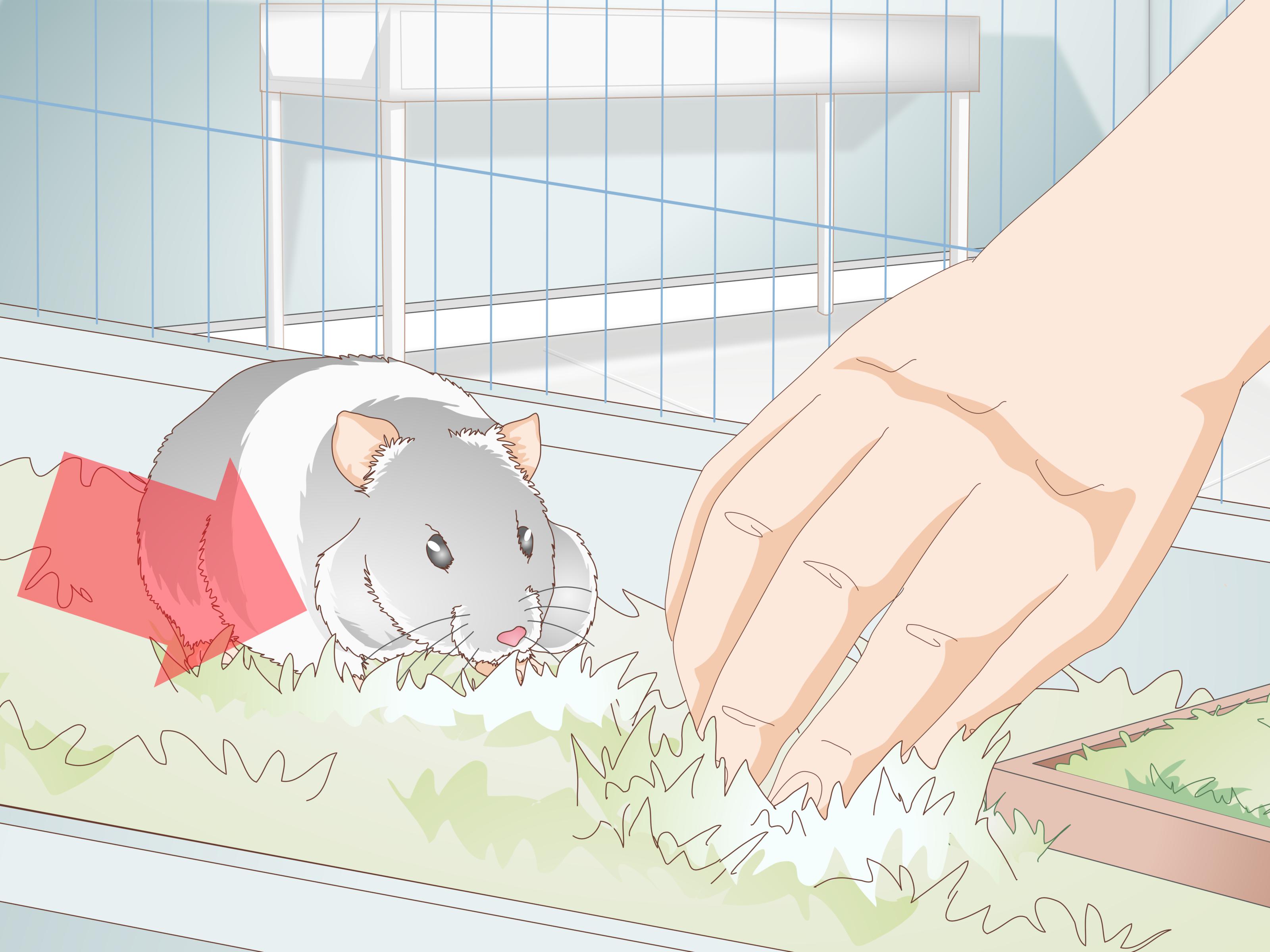
But sometimes a swollen cheek is not food. It may be a hamster cheek abscess, which is a pocket of infection filled with pus. Cheek abscesses in hamsters can develop when sharp food, bedding, dental problems, cage injuries, or trapped material damages the delicate lining of the cheek pouch. Bacteria move in, swelling appears, and your hamster may begin eating less, pawing at its face, drooling, smelling unpleasant around the mouth, or acting tired.
The good news: many cheek pouch abscesses can improve with prompt veterinary treatment. The not-so-good news: home squeezing, popping, or random antibiotic experiments can make things much worse. Hamsters are small, sensitive animals with delicate digestive systems. They need careful handling, safe pain control, proper drainage, and medications chosen by a vet who understands exotic pets.
This guide explains how to treat cheek abscesses in hamsters in 8 steps, what signs to watch for, what your veterinarian may do, how to help recovery at home, and how to prevent another cheek-pouch drama from turning your hamster into a tiny medical mystery.
What Is a Cheek Abscess in a Hamster?
A cheek abscess is a localized bacterial infection that forms inside or near a hamster’s cheek pouch. The pouch itself is a stretchy extension of the mouth lining. It can reach surprisingly far back toward the shoulders, which is why a hamster with full cheeks can look like it has inflated airbags installed.
An abscess usually appears as a firm or swollen lump on one side of the face, though both sides can be affected. Unlike normal stored food, an abscess does not shrink after your hamster empties its cheeks. It may feel tender, smell bad, leak pus, or cause your pet to stop eating normally. In some cases, a cheek pouch problem may be linked to tooth issues, impacted food, unsuitable bedding, a puncture wound, or infection that spreads from nearby tissues.
Common Signs of Hamster Cheek Abscesses
Cheek abscesses can be sneaky at first. Hamsters are prey animals, so they often hide pain until the problem is advanced. Watch for these warning signs:
- Swelling on one side of the face that does not go down
- A lump near the cheek, jaw, neck, or mouth
- Reduced appetite or difficulty eating hard foods
- Pawing, scratching, or rubbing the face
- Drooling, wet fur around the mouth, or messy grooming
- Bad smell from the mouth or swollen area
- Pus, blood, crusting, or discharge on the fur
- Weight loss, low energy, hunched posture, or hiding more than usual
- A cheek pouch that looks full for many hours or longer
One important clue is timing. A normal cheek pouch changes size as the hamster stores and unloads food. An abscess tends to stay swollen, even when the food bowl has been raided and the secret snack bunker has been emptied.
How to Treat Cheek Abscesses in Hamsters: 8 Steps
Step 1: Confirm That the Swelling Is Not Just Stored Food
Before panic-ordering a tiny stethoscope, observe your hamster calmly. Give it a little time in a quiet enclosure and watch whether the cheek pouch empties. A hamster with normal pouch stuffing may move food to a nest, groom, and gradually return to a normal face shape.
A cheek abscess is different. The swelling usually remains in place, may look uneven, and may be associated with discomfort. Your hamster might avoid chewing, drop food, rub its face on bedding, or seem annoyed when it tries to groom. Do not poke, press, or massage the lump. A painful abscess can rupture internally or worsen with rough handling.
Step 2: Separate the Hamster From Cage Mates if Needed
Many pet hamsters, especially Syrian hamsters, should live alone. Fighting is a common source of wounds, and small bite injuries can turn into abscesses. If your hamster shares a habitat and you notice facial swelling, separate it immediately into a clean, safe recovery enclosure.
Use a secure temporary cage with soft, dust-free paper bedding, easy access to water, and no sharp toys or rough accessories. Keep the environment warm, calm, and quiet. Think “hamster hospital room,” not “hamster obstacle course.” This is not the moment for a climbing wall, a complicated tunnel maze, or a wheel that sounds like a haunted shopping cart.
Step 3: Call an Exotic-Pet Veterinarian Promptly
This is the most important step. A cheek abscess in a hamster generally needs veterinary care. Abscesses often require professional drainage, flushing, and medication. A veterinarian can also determine whether the swelling is truly an abscess or something else, such as cheek pouch impaction, pouch eversion, a tumor, dental disease, or a swollen lymph node.
When you call, describe the size and location of the swelling, how long it has been present, whether your hamster is eating, and whether there is odor, discharge, bleeding, or weight loss. If your hamster is not eating, is very weak, has trouble breathing, or has pus or blood around the mouth, treat it as urgent.
Step 4: Do Not Pop, Lance, or Squeeze the Abscess at Home
It may be tempting to “help” by squeezing the lump. Please do not. Hamster abscesses are not pimples, and your hamster is not a skincare tutorial. Squeezing can force bacteria deeper into tissue, cause severe pain, damage the cheek pouch, or lead to bleeding. A ruptured abscess can also contaminate the mouth or surrounding skin.
Veterinary drainage is controlled and sterile. The vet may sedate or anesthetize the hamster, open the abscess safely, remove infected material, flush the area, and check for underlying causes. This matters because an abscess can return if the original problemsuch as trapped bedding, a sharp seed hull, or dental overgrowthis not corrected.
Step 5: Let the Vet Examine the Mouth, Teeth, and Cheek Pouch
A proper exam may include looking inside the mouth, checking the incisors and cheek teeth, palpating the lump, and sometimes collecting a sample of the material inside. Dental disease is an important possibility because tooth problems can cause mouth wounds, poor chewing, facial swelling, and abscess formation.
Cheek pouch impaction can also lead to infection. This happens when food, bedding, or foreign material gets stuck in the pouch and the hamster cannot remove it. Soft fluffy bedding, cotton nesting material, sticky foods, large sharp seeds, and unsuitable treats can all create trouble. If material remains in the pouch, bacteria can multiply and the area may become infected.
Step 6: Follow the Prescribed Antibiotic and Pain-Control Plan Exactly
After drainage or cleaning, your veterinarian may prescribe a hamster-safe antibiotic, pain relief, or supportive care. Follow the instructions exactly. Give the full course unless your vet tells you to stop. Stopping early can allow infection to return, often with an attitude problem.
Never give human antibiotics, leftover pet medications, or online “hamster cure” mixtures. Some antibiotics that are common for dogs and cats can be dangerous for hamsters because they may disrupt the gut bacteria and cause severe diarrhea. Your vet will choose medications based on the hamster’s size, condition, and infection risk.
If your hamster refuses medication, spits it out, develops diarrhea, stops eating, or seems worse, contact the clinic quickly. Do not double the dose. Do not improvise. A hamster weighs only a few ounces, so “just a little extra” can be a very big mistake.
Step 7: Adjust Food, Bedding, and Cage Setup During Recovery
During healing, your hamster may need softer foods and a simplified enclosure. Ask your vet what to feed. In many cases, softened pellets, appropriate recovery food, or small amounts of safe soft foods may be easier than hard seeds. Fresh water should be easy to reach. If your hamster is weak, make sure the water bottle is working and positioned low enough.
Remove fluffy cotton bedding, dusty bedding, sharp wooden pieces, rough toys, and hard treats that could irritate the mouth. Use clean, unscented paper bedding. Clean soiled areas daily, but avoid deep-cleaning so aggressively that your hamster becomes stressed. Hamsters rely heavily on scent, and suddenly deleting the entire smell-map of their world can make them anxious.
Keep the cage in a stable, warm location away from drafts, direct sun, loud noise, and curious cats. Recovery is easier when the hamster can rest without feeling like it is starring in a nature documentary called “Predators Near the Bookshelf.”
Step 8: Monitor Healing and Prevent Recurrence
After treatment, watch the cheek closely. The swelling should gradually improve, and your hamster should become more interested in food, grooming, and normal activity. Schedule any recommended recheck appointment. Abscesses can recur if they are not fully drained, if infection remains, or if the underlying cause is still present.
Weigh your hamster regularly with a small kitchen scale. Weight loss is often one of the earliest signs that something is wrong. Also check the face, mouth area, paws, coat, and cage for clues. If the lump grows again, starts draining, smells bad, or your hamster stops eating, call the vet.
What Will the Veterinarian Do?
Veterinary treatment depends on the severity and location of the abscess. A vet may inspect the cheek pouch, remove stuck material, drain pus, flush the area with sterile solution, and prescribe medication. In some cases, the vet may recommend testing the pus to identify bacteria and choose a more targeted antibiotic.
If the abscess is related to dental disease, tooth correction may be needed. If the pouch is severely damaged, prolapsed, repeatedly infected, or affected by a mass, more advanced treatment may be discussed. Because hamsters are delicate anesthetic patients, the vet will balance treatment benefits with the animal’s age, weight, condition, and overall health.
Home Care Tips After Veterinary Treatment
Keep the Recovery Area Clean
Cleanliness matters, but gentle cleanliness matters more. Spot-clean wet bedding, remove old food, and keep the water source fresh. Avoid scented cleaners, strong disinfectant smells, and dusty materials. Your hamster’s nose is much more sensitive than yours, and a cage that smells “mountain fresh” to a human may smell like chemical thunder to a hamster.
Encourage Eating Without Forcing
A hamster that has mouth pain may avoid hard foods. Ask your vet whether softened pellets or a prescribed recovery diet is appropriate. Offer food close to the nest so your hamster does not need to travel far. If your hamster is not eating at all, contact the vet quickly. Small animals can decline fast when they stop taking in calories.
Reduce Stress
Handle your hamster only as much as needed for medication and checks. Keep the room quiet. Avoid waking it repeatedly during the day. Hamsters are naturally more active at night, so daytime medical inspections should be brief and calm. No paparazzi photo shoots, no dramatic cage redecorating, and no “let’s see if he feels better on the couch” experiments.
What Not to Do With a Hamster Cheek Abscess
- Do not squeeze, pierce, or drain the abscess at home.
- Do not use hydrogen peroxide, alcohol, essential oils, or human antiseptic inside the mouth.
- Do not give leftover antibiotics from another pet.
- Do not delay care if your hamster stops eating or becomes lethargic.
- Do not assume every cheek lump is food.
- Do not return unsafe bedding or sharp treats after treatment.
Online advice can be useful for recognizing a problem, but it cannot replace a hands-on exam. The cheek pouch is a delicate structure, and the difference between abscess, tumor, impaction, dental disease, and normal pouch storage is not always obvious from the outside.
How to Prevent Cheek Abscesses in Hamsters
Prevention starts with safe housing and sensible feeding. Use soft, unscented paper bedding instead of fluffy cotton nesting material. Check the cage for sharp edges, broken plastic, rough wire, splintered wood, and toys that could injure the mouth or skin. Offer a balanced hamster diet rather than sticky, sugary, or sharp foods.
Provide appropriate chew items to help maintain dental health. Overgrown or misaligned teeth can cause mouth injuries and make chewing difficult. If your hamster drools, loses weight, drops food, or seems unable to chew properly, schedule a veterinary exam.
For species that prefer solitary living, house them alone. Fighting injuries are a major source of abscesses. Even tiny puncture wounds can seal over on the surface while bacteria multiply underneath. In hamster terms, “just a little scuffle” can become “surprise abscess, party of one.”
When Is a Cheek Abscess an Emergency?
Seek urgent veterinary help if your hamster is not eating, is losing weight, has labored breathing, has swelling that grows quickly, has pus or blood around the mouth, appears weak or cold, or cannot close its mouth normally. A foul odor, severe facial swelling, or a lump that affects the eye or jaw also deserves fast attention.
Because hamsters are small, they have less reserve than larger pets. A dog may have time to look pathetic for a day and still recover well. A hamster can move from “a little off” to seriously ill much faster. Fast action is one of the kindest things you can do.
Experience-Based Notes: What Hamster Owners Often Learn the Hard Way
Many hamster owners first notice a cheek abscess because something simply looks “not right.” The hamster still comes out at night, still takes a seed, and still gives that tiny suspicious stare from the bedding pile. But one cheek looks fuller than the other. The owner waits, expecting the pouch to empty. Morning comes, and the swelling is still there. That is often the moment the situation shifts from cute to concerning.
A common experience is mistaking an abscess for hoarded food. This is understandable because hamsters are professional cheek-stuffers. They can look wildly asymmetrical after a successful snack mission. The difference is that food-filled cheeks change. An abscess stays. Owners who learn to watch the patternfull after eating, smaller after nesting, normal laterare better at spotting problems early.
Another lesson is that bedding matters more than many beginners realize. Fluffy nesting material may look cozy, but it can lodge in cheek pouches or wrap around limbs. Dusty or scented bedding can irritate sensitive tissues. Simple paper bedding may not look like a luxury hotel suite, but it is often safer. Hamsters do not need spa aesthetics; they need clean, dry, low-risk materials and a place to burrow like tiny interior designers with strong opinions.
Owners also discover that medication time requires patience. A hamster may accept medicine beautifully once and then behave the next day as though the syringe is a dragon. The best approach is calm, consistent handling. Prepare everything before picking up the hamster. Keep sessions short. Reward with vet-approved food if allowed. Avoid chasing the hamster around the cage, because stress can make recovery harder and may turn future care into a nightly rodeo.
Food adjustments can be surprisingly important. A hamster recovering from a cheek abscess may want to eat but struggle with hard textures. Owners often notice improvement when the vet approves softer options temporarily. Still, soft food should not become a sugary buffet. The goal is nutrition and comfort, not a dessert festival starring a rodent.
Finally, many people learn the value of a small kitchen scale. Weekly weighing takes less than a minute and can reveal trouble before symptoms become dramatic. A hamster that loses weight while still appearing active may be hiding mouth pain, dental disease, infection, or another illness. Tracking weight, appetite, cheek size, and behavior gives your vet better information and gives your hamster a better chance at quick treatment.
The biggest practical takeaway is simple: do not wait too long. Cheek abscesses are treatable in many cases, but they are not DIY projects. Prompt veterinary care, a clean recovery setup, safe bedding, proper food, and careful monitoring can turn a scary cheek lump into a manageable medical problem. Your hamster may be small, but the responsibility is not. Fortunately, with attention and quick action, you can help your pocket-sized snack hoarder get back to what it does best: reorganizing food like a furry warehouse manager.
Conclusion
Treating cheek abscesses in hamsters starts with recognizing that persistent cheek swelling is not normal. A cheek pouch that stays enlarged, smells bad, leaks fluid, or causes eating problems needs veterinary attention. The safest plan is to keep your hamster calm, remove hazards, call an exotic-pet veterinarian, avoid home drainage, follow prescribed medication instructions, and monitor recovery closely.
Cheek abscesses may begin with something small: a sharp seed hull, trapped bedding, a tiny wound, a tooth problem, or a bite. But in a hamster’s tiny body, small problems can become big ones quickly. The best treatment is early, gentle, and professional. Your hamster does not need heroic home surgery. It needs a clean cage, safe food, a good vet, and an owner who notices when those famous cheeks look suspiciously less adorable than usual.