If you have ever stared at a flock of ducks and thought, “One of you is definitely a guy, but I’m not prepared to bet lunch money on which one,” welcome to the club. Figuring out the difference between male and female ducks can be surprisingly easy in some cases and hilariously tricky in others. A flashy mallard drake practically introduces himself. A white Pekin? That bird may keep you guessing until it opens its beak or turns around.
The good news is that duck sexing is not magic. Once you know what to look for, you can make a smart call using voice, tail feathers, plumage, size, bill color, behavior, and breed-specific clues. The bad news is that ducks, being ducks, do not always read the manual. Some males molt into dull “eclipse” plumage, some females can throw you a curly tail feather, and Muscovies like to ignore several of the usual rules just to keep life interesting.
This guide breaks down the most reliable ways to tell the difference between male and female ducks, with clear examples, practical advice, and a few reality checks for when your birds are determined to be mysterious.
Why Duck Sexing Is Easy Sometimes and Annoying Other Times
The first thing to know is that not all ducks show sex differences in the same way. Some breeds are strongly dimorphic, which means males and females look noticeably different. Others are subtle enough to make you question your eyesight. Age matters, too. Ducklings often do not show obvious sex traits right away, and adult males of some mallard-type ducks can temporarily lose their sharp breeding colors during molt.
Breed matters a lot. A Rouen or mallard-type drake may advertise his identity with rich color, a brighter bill, and a curled tail feather. A Pekin male and female are both white, so plumage is not going to save you there. Muscovy ducks are their own category, with males usually much larger and more heavily caruncled than females. In other words, before you sex a duck, know what kind of duck you are looking at.
The Best Ways to Tell Male and Female Ducks Apart
1. Listen to the Voice
For many domestic ducks, the voice is the easiest clue and often the most reliable one in everyday backyard life. Female ducks usually make the classic loud quack people associate with ducks. Male ducks, called drakes, tend to sound quieter, raspier, breathier, or more like they are trying not to wake the neighbors. It is less “QUACK!” and more “rab-rah, I left my microphone in the pond.”
If you have a flock of similar-looking ducks, wait until they start chatting. The bird delivering the louder, sharper, full-volume performance is usually female. The softer, hoarse, whispery one is usually male. This method is especially handy with breeds like Pekins, Runners, and other ducks where the plumage does not instantly give the answer away.
One important caveat: Muscovy ducks do not play by normal quack rules. They tend to hiss, puff, and communicate in quieter, breathier ways instead of producing that classic mallard-style quack. So if you are trying to sex Muscovies by quack alone, you may end up having a philosophical discussion with a bird instead of a clear result.
2. Check for the Drake Feather
One of the most famous clues is the drake feather, also called the sex feather. This is the curled feather or small group of curled feathers that turn upward at the top of a male duck’s tail. If you spot a neat little curl on a mature duck, that is a strong sign you are looking at a drake.
That said, do not build your entire case on one curly feather. The drake feather does not always appear at the same age in every bird. It may be missing during molt. Some males do not show it clearly for a while. And every so often a female develops a curl that makes everyone in the coop start gossiping. So treat the drake feather as a very good clue, not a courtroom confession.
It is also most useful in common domestic ducks descended from mallard-type stock. Muscovies are a separate species and are better sexed by size, build, and facial caruncles than by waiting for a classic drake curl.
3. Look at Plumage Color and Pattern
Plumage can be wonderfully helpful, but only when you know the breed and the season. In mallard-type ducks, the difference is often obvious. Male mallards typically have a glossy green head, yellow bill, gray body, and chestnut breast. Females are mottled brown with more camouflaged coloring. If one bird looks ready for a formal portrait and the other looks sensibly dressed for nesting in reeds, you probably have a drake and a hen.
Rouens often show the same basic pattern as wild mallards, which makes sexing adults easier. Some other breeds also show male-female color differences as they mature. Welsh Harlequins, for example, can show sex-linked clues very early, and adult males and females usually differ in bill color and overall appearance.
But here is the trap: not every duck breed is color-coded for your convenience. Pekins are white whether male or female. Mottled ducks and some wild relatives can have similar-looking sexes, with only subtle differences in bill shade or behavior. And during eclipse plumage, a male that was once impossible to miss may suddenly look suspiciously like a female who borrowed his job title.
4. Watch for Eclipse Plumage
If you are looking at a mallard-type duck in late summer or early fall and wondering why the “male” looks so drab, molt may be the answer. Many male ducks temporarily lose their bold breeding colors and molt into eclipse plumage, which is a more female-like look that helps them stay less conspicuous while they replace feathers.
This phase can make sexing by color much harder. A drake in eclipse may look brownish and subdued instead of bright and handsome. The trick is to combine clues. Check the voice, the bill, the body shape, and any sign of a tail curl. A duck that looks plain but sounds raspy and carries himself like a tiny, overconfident landlord may still be male.
5. Compare Size, Build, and Head Shape
Some duck breeds show noticeable differences in size and structure between the sexes. Males often have a larger head, thicker neck, heavier chest, and more substantial overall frame. In some breeds this is only a mild clue, but in Muscovies it is practically the headline.
Male Muscovy ducks are usually much bigger than females and tend to develop more pronounced red facial caruncles. The females are smaller, neater, and lighter in build. If one Muscovy looks like a compact backyard bird and the other looks like he pays property taxes, the larger one is usually male.
Size differences can also help with some domestic meat breeds, but they are still best used with other clues. A well-fed female can look impressively sturdy, and a younger male can still be catching up.
6. Use Behavior as a Supporting Clue
Behavior can help, but it should never be your only method. Males may posture more, chase, bob, or show more overt courtship behavior during breeding season. Females are more often associated with nesting behavior and the classic loud alert quack. At a distance, behavior may be the only way to make a reasonable guess in species where the sexes look similar.
Still, behavior is the most dramatic clue and the least dependable one when used alone. A bossy female can behave like she runs the city council. A quiet male can act like he is emotionally above all of this. Ducks contain multitudes.
Breed-by-Breed Cheat Sheet
Mallard and Rouen
Male: glossy green head, yellow bill, richer chest colors, gray body, likely drake feather.
Female: mottled brown body, orange-brown bill with darker markings, no obvious male display plumage.
Pekin
Male: usually quieter, raspier voice; often develops drake feather.
Female: louder classic quack; no true drake feather. Since both are white, voice matters a lot here.
Runner Ducks
Male: hoarse, whispery sound; may show a drake feather.
Female: clear loud quack. Their upright posture is charming, but not helpful for sexing.
Welsh Harlequin
Male: often darker bill as a duckling and more orange-toned bill as an adult.
Female: often lighter duckling bill with a dark tip and darker greenish bill tone as an adult.
Muscovy
Male: much larger body, thicker neck, more developed caruncles, heavier stance.
Female: smaller, lighter, more refined shape, less dramatic facial growth. Do not rely on “quacking” rules here.
Wild or Wild-Looking Ducks With Similar Sexes
Some ducks, such as mottled ducks and certain duck species in the field, can have males and females that look very similar at a glance. In these cases, subtle bill color differences, season, age, and behavior may matter more than plumage alone.
How to Tell the Sex of Ducklings
Ducklings are adorable, fuzzy, and not always cooperative about being identified. In many breeds, visual sexing is weak when they are very young. A few breeds or lines may show sex-linked color or bill clues at hatch, but that is not universal. If you bought ducklings from a breeder, ask whether the strain is sexed, auto-sexing, or unsexed before trusting your eyes.
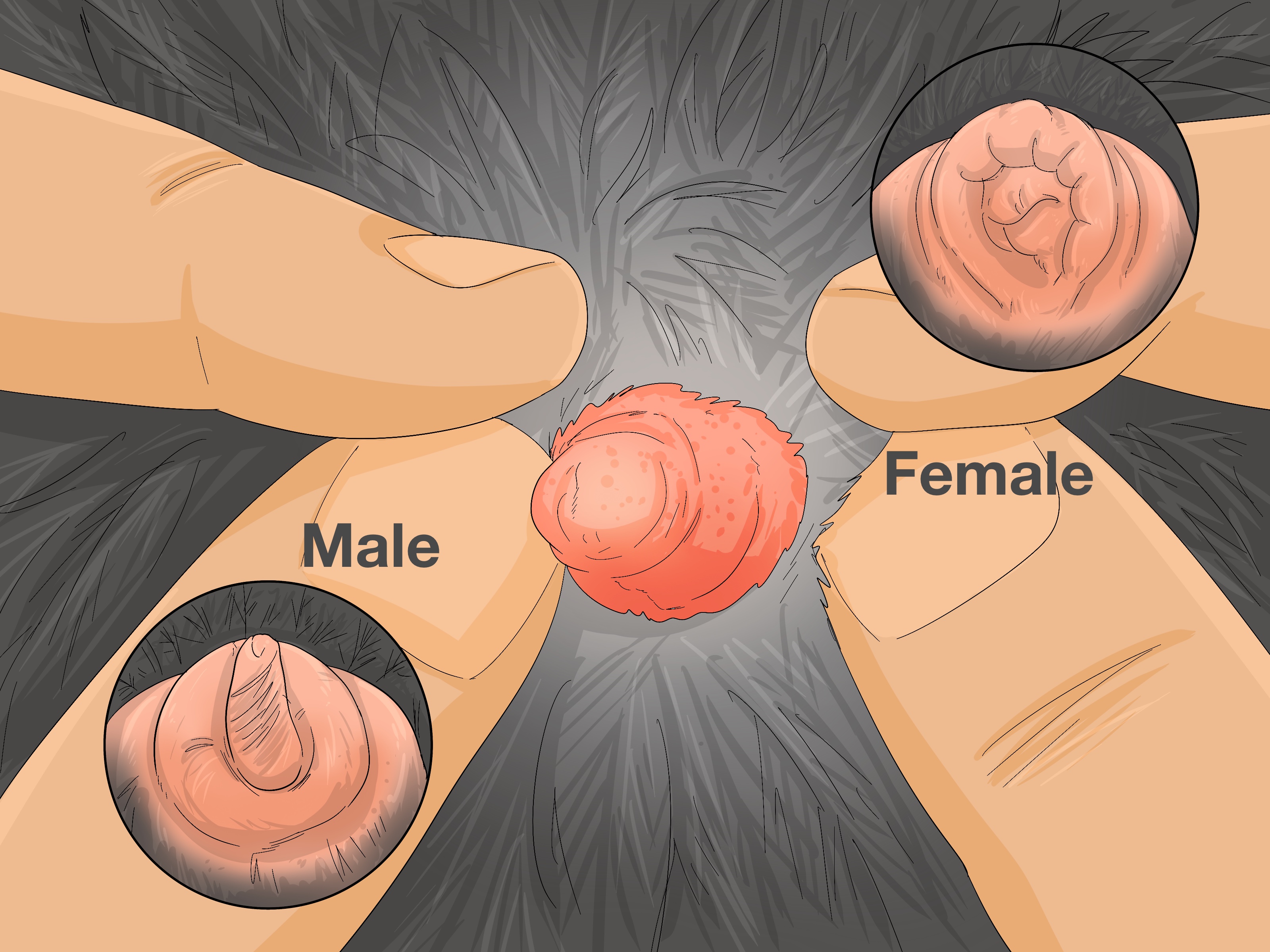
The most direct early method is vent sexing, also called cloacal sexing. In trained hands, it can be very accurate. The examiner gently exposes the cloaca and looks for male or female structures. However, this is not a beginner hobby to attempt after watching one video and feeling unusually confident. It takes training, practice, and a very gentle technique. Done badly, it can injure the bird or simply give the wrong answer.
If you are raising pet or backyard ducks, the safest approach is usually patience. Wait for the voice, the tail feather, the adult coloring, or the size differences to become clearer. Your duck will eventually reveal the truth, usually in the loudest way possible.
Common Mistakes People Make
- Trusting color too early: Many ducklings do not show reliable adult sex clues right away.
- Relying on one feature only: A single tail curl or one odd noise is not always enough.
- Forgetting about molt: Eclipse plumage can make a male look female for a while.
- Ignoring the breed: A mallard-type duck and a Muscovy should not be sexed the same way.
- Assuming every duck quacks loudly: Drakes often do not, and Muscovies barely bother with the classic quack at all.
The Smartest Way to Sex a Duck
If you want the best odds of getting it right, use a combination approach. Start with breed. Then listen to the voice. Check the tail for drake feathers. Look at color and bill pattern if the breed allows it. Compare size and head shape. Finally, factor in the season, especially if a male may be in eclipse plumage.
Think like a detective, not a gambler. The more clues line up, the more confident you can be. If the duck is a white Pekin with a raspy voice and a curled tail feather, congratulations, you probably have a drake. If it is a mottled brown mallard-type bird with a loud classic quack, you are likely looking at a hen. If it is a Muscovy the size of a Thanksgiving centerpiece with a face full of caruncles, that is probably your male.
And if you are still unsure, do not worry. Duck owners have been confidently wrong before. The birds usually sort it out for us eventually.
Real-Life Experiences: What People Usually Notice First
In real backyard flocks, people rarely begin by studying feather anatomy like tiny waterfowl professors. They notice something more obvious first. Usually it is the noise. One duck starts giving loud, confident, unmistakable quacks that sound like it has opinions about everything. Another bird of the same breed sounds like an old bicycle horn with allergies. That is often the moment the mystery starts to clear up. Many duck keepers say the voice difference is what finally settled the male-versus-female debate in their flock, especially with Pekins and Runners where color is not much help.
Another common experience happens when a duck owner spends weeks guessing, only to spot the famous drake feather one afternoon and feel like they just cracked a major wildlife case. It is a satisfying moment. The trouble is that it does not always arrive on schedule. Some birds show the curl clearly, while others make you wait. And just to keep everyone humble, the occasional female may throw in a suspicious little curl and restart the argument.
Mallard-type ducks usually make owners feel clever because the adult males and females can look so different. Then eclipse plumage rolls around and suddenly the handsome drake looks like he misplaced half his style. That is when beginners often panic and wonder whether they somehow own two females now. Seasonality catches a lot of people off guard. A duck that was easy to identify in spring can become much trickier later in the year.
Muscovies create a different kind of experience. People often realize the sex difference there not because of sound or feather color, but because one bird becomes dramatically larger and develops heavier facial caruncles. It can feel less like subtle birdwatching and more like noticing that one sibling turned into a linebacker. Owners also learn quickly that standard “listen for the quack” advice is not especially useful with Muscovies, which prefer hissing, puffing, and generally acting like they are above ordinary duck behavior.
For people raising ducklings, the experience is usually a lesson in patience. At first, every fluffy bird looks like a marshmallow with feet. New keepers search for signs in bill color, body shape, or attitude, only to realize they are basically reading tea leaves with beaks. Unless they have a sex-linked breed or a breeder who already sexed the birds, most people eventually discover that waiting is easier than guessing. Once the birds mature a bit, the clues become more obvious and the flock starts answering the question on its own.
That is really the big takeaway from real-world duck keeping: the best results come from observing the same birds over time. Listen, watch, compare, and let multiple clues build the case. Ducks may be messy, noisy, and occasionally committed to confusion, but they are not impossible to read. Spend enough time around them, and they usually tell you exactly who they are.
Conclusion
Knowing how to tell the difference between male and female ducks comes down to using the right clues in the right order. Voice is often the fastest giveaway in common domestic breeds. Drake feathers help a lot, but they are not perfect. Plumage is excellent for mallard-type ducks, less useful for white breeds, and temporarily unreliable during eclipse plumage. Size and facial caruncles are especially valuable with Muscovies. For ducklings, early visual guesses are often shaky, and vent sexing is best left to trained hands.
So the next time you are staring at your flock and trying to separate the drakes from the hens, do not rely on one dramatic clue. Use the full duck-detective toolkit. Your birds may still make you work for it, but at least now you know where to look first.