Paint on plastic has a special talent for looking permanent five seconds after you notice it. One minute you are freshening up a chair, trim piece, storage bin, or light switch cover. The next minute, your plastic surface looks like it got caught in a paint storm and lost badly. The good news: most paint can come off plastic. The less fun news: plastic is easy to scratch, haze, discolor, or even soften if you come at it like an action movie hero with the wrong solvent.
That is why the safest approach is also the smartest one. Start mild. Work slowly. Test first. Save the heavy stuff for last. In many cases, warm water, dish soap, a little oil, a plastic scraper, and some patience will do more for you than a harsh chemical ever could. And when you do need a stronger helper, the key is choosing one that removes paint without turning your plastic into a cloudy science experiment.
This guide breaks down how to remove paint from plastic safely, which cleaners are worth trying, what to avoid, and how to handle dried paint, spray paint, latex paint, and stubborn overspray without wrecking the surface underneath.
Why Removing Paint from Plastic Takes a Gentle Touch
Plastic is not one material. It is a whole family of materials with different personalities. Hard outlet covers, patio chairs, vinyl shutters, appliance handles, plastic bins, toy parts, and clear acrylic pieces do not all react the same way to heat, abrasion, or solvents. That is why a remover that works on one plastic item may leave another one scratched, dull, sticky, or warped.
In plain English, this is the rule: the more aggressive the cleaner, the more careful you need to be. Paint thinner, lacquer thinner, and strong strippers can damage certain plastics fast. Even acetone, while useful on some tough paint spots, can be too strong for many plastic surfaces. If you remember nothing else from this article, remember this: plastic usually rewards gentle methods and punishes impatience.
Before You Start: Identify the Paint and the Plastic
You do not need a lab coat for this part, but a quick reality check helps. Ask yourself three questions before you start scrubbing.
1. Is the paint fresh or fully dried?
Fresh paint is dramatically easier to remove. Wet or tacky latex paint may come off with warm water and dish soap alone. Once paint cures, you usually need a softening step, a scraper, or a solvent-safe method.
2. Is it water-based, oil-based, or spray paint?
Latex and acrylic paints tend to be friendlier to remove, especially when fresh. Spray paint can cling more stubbornly, especially as a fine overspray mist. Oil-based paint is often the toughest customer of the bunch and may require more than one gentle round of cleaning.
3. What kind of plastic are you dealing with?
Hard plastic is generally more forgiving than thin, flexible, glossy, or clear plastic. Clear plastics, acrylics, and decorative finishes deserve extra caution because strong chemicals can leave them cloudy or dull. When in doubt, test any cleaner on a hidden area first.
Safe Cleaners and Tools to Keep Nearby
You do not need to buy half the cleaning aisle. A smart kit usually includes:
- Warm water
- Mild dish soap
- Microfiber cloths or soft rags
- Paper towels
- A plastic putty knife, old credit card, or plastic scraper
- Vegetable oil or cooking oil
- Isopropyl alcohol
- Non-acetone nail polish remover
- Baking soda
- An old toothbrush or soft nylon brush
- Gloves and good ventilation
That lineup covers most common paint-on-plastic situations without pushing you straight into harsh-solvent territory.
How to Remove Paint from Plastic Step by Step
Step 1: Start with warm water and dish soap
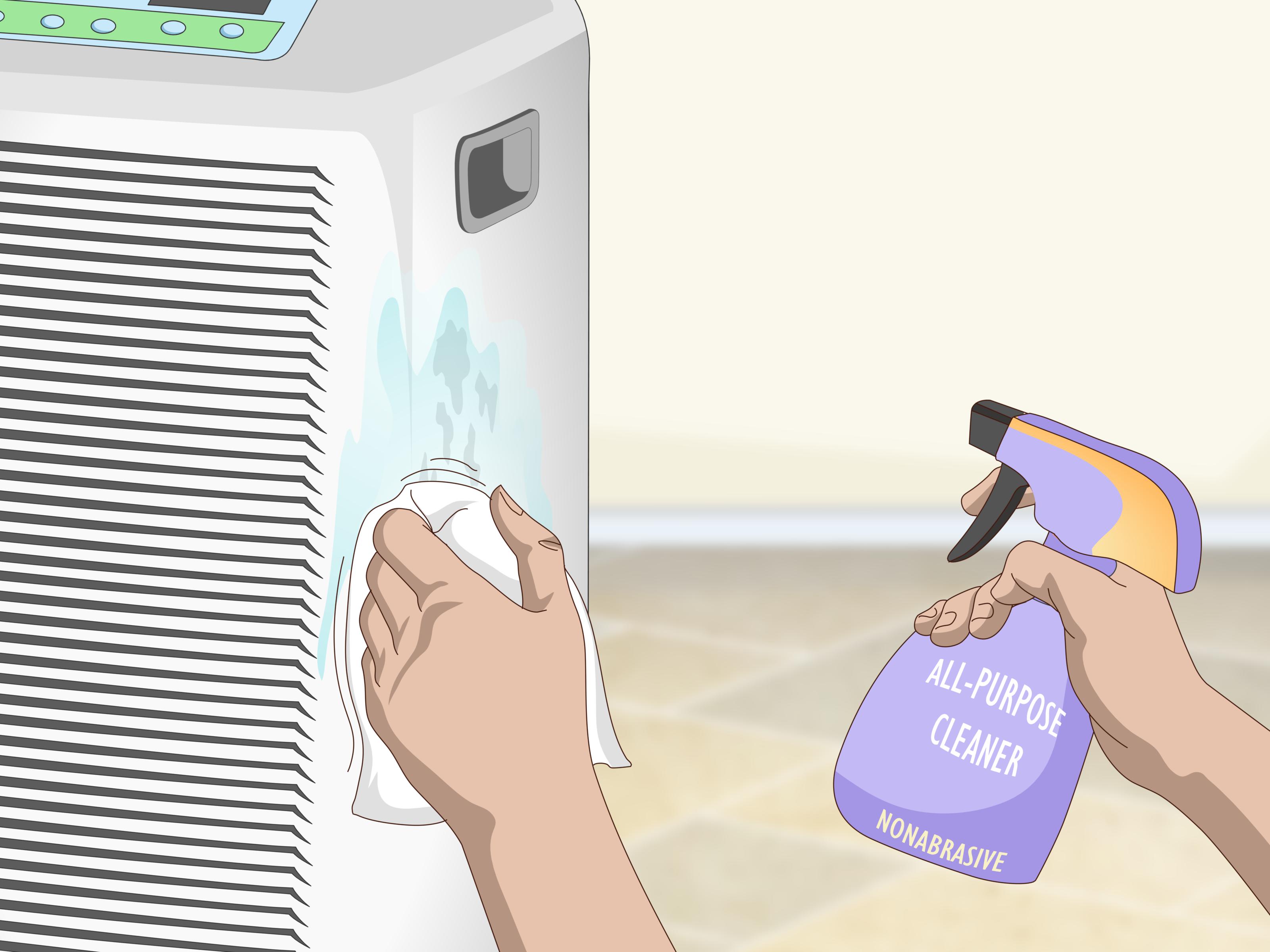
This is the boring answer, which is exactly why it works so often. If the paint is fresh or only partly dry, mix warm water with a few drops of dish soap. Dampen a soft cloth and wipe the paint away. Keep flipping the cloth so you are lifting paint instead of smearing it around like frosting.
If the paint is on a textured plastic surface, let the soapy water sit for a minute or two, then work it gently with a soft toothbrush. Rinse and check your progress. A surprising amount of “uh-oh” paint disappears right here, before the drama begins.
Step 2: Use vegetable oil to soften dried paint
When soap and water do not get it done, move to a mild softening method. A little vegetable oil on a clean cloth can help loosen dried paint on plastic. Rub it over the painted spot and give it a few minutes to work. You are not marinating a steak here, so do not drench the whole object. A thin layer is enough.
Once the paint starts to feel less brittle, wipe again and move to a plastic scraper. This is especially handy on paint drips, splatters, or ridges where you need the paint to relax before it lets go.
Step 3: Lift loosened paint with a plastic scraper
Use a plastic putty knife, plastic scraper, or even an old gift card. Hold it at a shallow angle and slide under the paint gently. The goal is to lift, not gouge. If you attack the surface like you are scraping ice off a windshield in January, the plastic may lose that fight.
For flat surfaces, work from an edge or corner of the paint spot. For curved surfaces, switch to shorter, lighter strokes. A razor blade can remove paint from some surfaces, but it is risky on plastic and best avoided unless you are extremely confident and the plastic is tough. Most of the time, plastic-on-plastic is the safer move.
Step 4: Try rubbing alcohol for stubborn areas
If dried paint is still hanging on, rubbing alcohol is often the sweet spot between “too weak” and “too scary.” Dampen a cloth or cotton pad with isopropyl alcohol, place it over the paint for a short minute, and then rub or scrub gently with a rag or soft brush.
This method works especially well on dried acrylic paint, light overspray, and small splatters. It also gives you more control than dumping a heavy-duty remover directly onto the plastic. Work in small sections, do not flood the surface, and keep the room ventilated.
Step 5: Use non-acetone nail polish remover for tougher spray paint
For stubborn spray paint or cured residue, non-acetone nail polish remover can be worth trying after a spot test. Apply a small amount to a hidden area first. If the plastic stays smooth, glossy, and unchanged, dab a little onto the paint and let it sit briefly. Then wipe or scrub gently.
Some guides also suggest acetone or denatured alcohol on very tough spots, but those are not “casual first date” cleaners for plastic. They are “maybe, carefully, after a hidden-area test” cleaners. If the surface is clear plastic, soft vinyl, decorative, or expensive, I would be extremely cautious here. The finish under the paint matters too.
Step 6: Use baking soda paste for lingering residue
When most of the paint is gone but a hazy film or tiny flecks remain, a baking soda paste can help. Mix baking soda with a little water until it forms a loose paste. Apply it to the area, let it sit for several minutes, then rub gently with a cloth or soft brush.
This is one of those handy middle-ground methods: not as soft as soap, not as risky as a strong solvent. It is particularly useful for light spray paint residue or paint trapped in a slightly textured finish.
Step 7: Wash the plastic again
Once the paint is off, wash the plastic with warm water and dish soap one more time. This removes oil, alcohol, residue, or cleaner left behind. Dry with a clean cloth and inspect the finish in good light. If a faint mark remains, it is often leftover residue, not paint. One more mild pass may finish the job.
The Best Method for Common Paint-on-Plastic Situations
Fresh latex paint on plastic
Go straight to warm water and dish soap. Blot, wipe, and rinse. Fresh latex usually gives up early if you catch it in time.
Dried latex or acrylic paint on a plastic chair or storage bin
Start with vegetable oil, then use a plastic scraper, then rubbing alcohol for the leftovers. Finish with soapy water.
Spray paint overspray on vinyl or hard plastic
Try rubbing alcohol first. If that does not do enough, move to non-acetone nail polish remover or a plastic-compatible specialty product that specifically says it is safe for that kind of surface. Always pretest.
Paint drips on outlet covers, knobs, or small hard-plastic parts
If the item is removable and truly hard plastic, a brief hot-water-and-baking-soda method can help loosen old paint. Keep the soak short, scrape gently, and do not try this on flimsy, glued, or decorative pieces. Also, once something has lived near electricity, common sense gets a vote: make sure the part is fully removed and safe to handle first.
What Cleaners Should You Avoid?
Here is the part where future-you sends present-you a thank-you card.
- Paint thinner: Too risky for many plastics and generally not worth the gamble.
- Lacquer thinner: Even harsher, and very capable of damaging plastic.
- Strong paint strippers: Many are designed for wood, metal, or masonry, not plastic.
- Metal scrubbers or aggressive abrasive pads: Great for turning glossy plastic into sad matte plastic.
- Heat guns used casually: Plastic and concentrated heat are not exactly best friends.
If you do use a specialty remover, read the label like it contains the winning lottery numbers. Some removers are fine on certain plastics, some are fine only on non-acrylic plastic, and some specifically warn against raw or freshly painted plastic.
Safety Tips That Are Not Optional Just Because the Project Is Small
It is easy to get relaxed when you are cleaning one little paint splatter off a plastic chair. Try not to. Even household solvents deserve respect.
- Work in a well-ventilated area.
- Wear gloves when using alcohol, nail polish remover, or specialty cleaners.
- Do not mix chemicals.
- Keep products away from open flames.
- Follow the product label for use and disposal.
- Do not pour leftover solvent products or stripper residue down the drain.
If an old can of mystery stripper is sitting in your garage like a villain in a suspense movie, skip it. Consumer methylene-chloride paint removers have been prohibited for years, and aggressive old-school stripper chemistry is not what you want anywhere near household plastic anyway.
How to Keep Paint from Getting on Plastic in the First Place
Yes, prevention is less exciting than cleanup, but it is also faster.
- Remove plastic hardware before painting whenever possible.
- Use painter’s tape and plastic sheeting generously.
- Keep a damp rag nearby during paint jobs so you can wipe drips immediately.
- Do not let “I’ll get that later” become tomorrow’s dried paint problem.
- If you are spray painting nearby, shield surrounding plastic from overspray.
Common Mistakes to Avoid
The biggest mistake is jumping to the strongest cleaner first. That is how people turn a removable paint spot into permanent surface damage. Another common mistake is scrubbing too hard. If the paint is not moving, do not respond by adding more rage. Respond by changing the method.
Also avoid soaking the entire plastic object unless the method specifically makes sense for that item. Local treatment is usually better. And never assume that because a product is safe on one plastic item, it is safe on every plastic item in your house. Plastic is annoyingly diverse like that.
of Real-World Experience: What People Learn the Hard Way About Removing Paint from Plastic
In real life, removing paint from plastic is rarely a one-step miracle. It is usually a story that starts with confidence, takes a short detour through regret, and ends with someone saying, “Next time I’m taping that off first.” The most common experience is underestimating how fast paint bonds to plastic once it starts to dry. A fresh drip on a patio chair feels like no big deal. Then the phone rings, lunch happens, the sun comes out, and suddenly that little drip has cured itself into a tiny monument to procrastination.
Another classic experience is the “I used the wrong tool” moment. Lots of people grab the nearest metal putty knife, butter knife, or razor and discover that yes, the paint came off, but so did the smooth finish they actually wanted to keep. On plastic, scratches show up like gossip in a small town: immediately and everywhere. That is why the gentler approach wins more often than people expect. A plastic scraper may feel less powerful, but paired with oil or rubbing alcohol, it usually gets the job done without leaving battle scars.
Spray paint overspray is its own special kind of annoyance. It often looks light enough to wipe away, but instead it hangs on as a dusty, stubborn haze. People often report the same pattern here: soap helps a little, frustration helps not at all, and rubbing alcohol becomes the hero of the story. Not because it is magical, but because it is controlled. You can apply it exactly where you need it, wait a moment, and work slowly. That control matters a lot on plastic trim, bins, shutters, and decorative pieces.
Then there is the experience of discovering that “safe cleaner” depends on the plastic. One person uses a solvent on a thick utility bucket and gets away with it. Another uses the same product on a glossy appliance handle or clear acrylic panel and ends up with dullness, streaking, or a cloudy patch. That is why spot testing sounds boring but saves the day. It is the DIY version of reading the room before telling a joke.
Many people also learn that cleanup does not end when the paint disappears. Oil leaves a slick film. Alcohol can leave residue. Specialty removers may keep working if they are not washed off. The smartest finish is a final wash with dish soap and warm water, followed by a dry microfiber cloth. That extra minute often makes the difference between “paint removed” and “surface fully restored.”
And finally, the most useful real-world lesson is this: patience beats force. The people who get the best results are usually not the ones scrubbing hardest. They are the ones who let the cleaner sit briefly, use the right tool, work in layers, and stop testing a method the second the plastic looks unhappy. Plastic rewards calm behavior. It really does. Not emotionally, of course. It is still plastic. But practically? Absolutely.
Final Thoughts
If you need to remove paint from plastic, the safest strategy is simple: start mild, escalate carefully, and keep testing as you go. Warm soapy water is the first move. Vegetable oil helps soften dried paint. A plastic scraper lifts without gouging. Rubbing alcohol handles many stubborn spots. Baking soda paste can clean up the leftovers. Non-acetone remover or carefully spot-tested stronger solvents may help in tougher cases, but only with caution.
In other words, you do not need to declare war on the paint. You just need a smarter plan than the paint expected.