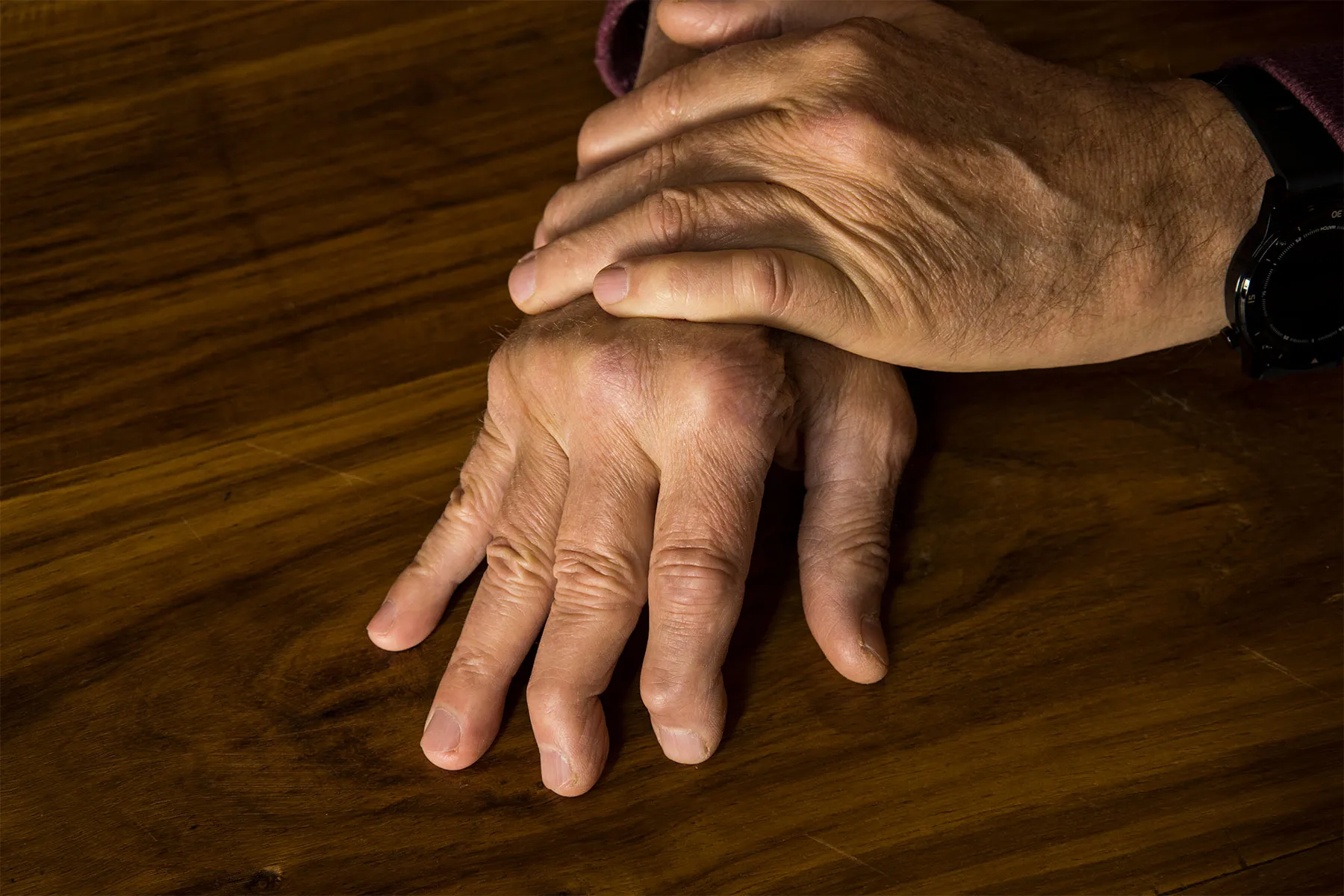
Psoriatic arthritis can feel like your joints, skin, energy level, and patience all decided to hold a meeting without inviting you. One day your fingers are stiff, the next your knee is grumbling, and somewhere in the background your skin may be sending itchy little smoke signals. The good news is that there are practical, natural ways to support your body, reduce flare triggers, and make daily life feel less like a negotiation with a cranky committee.
Before we go further, let’s be clear: “natural” does not mean “skip medical care.” Psoriatic arthritis, often shortened to PsA, is an inflammatory autoimmune disease that can damage joints if it is not properly treated. Natural management works best as a supportive plan alongside guidance from a rheumatologist, dermatologist, or primary care provider. Think of lifestyle habits as the reliable crew behind the scenes: they may not replace prescribed treatment, but they can help the whole production run smoother.
This guide explains how to manage psoriatic arthritis naturally through anti-inflammatory eating, joint-friendly exercise, stress control, better sleep, weight management, skin care, and smart flare planning. No miracle cures. No magic celery juice wearing a cape. Just evidence-informed, realistic habits that can help you feel more in control.
What Does “Managing Psoriatic Arthritis Naturally” Really Mean?
Natural management means using lifestyle choices and non-drug strategies to support joint health, reduce inflammation, protect mobility, and improve quality of life. It may include food choices, movement, rest, heat and cold therapy, stress reduction, smoking cessation, gentle bodywork, and careful tracking of symptoms.
Psoriatic arthritis can affect many areas of the body, including fingers, toes, knees, ankles, spine, tendons, nails, and skin. Symptoms often include joint pain, stiffness, swelling, fatigue, reduced range of motion, and flare-ups that come and go. Because PsA is inflammatory, the goal of natural care is to lower the number of things that add fuel to the fire while building habits that help your body recover.
In simple terms: you are not trying to “out-discipline” the disease. You are building a calmer environment for your immune system, joints, muscles, skin, and nervous system. That is much more useful than blaming yourself every time your thumb acts like it has joined a tiny rebellion.
Start With an Anti-Inflammatory Diet
There is no single psoriatic arthritis diet that cures the disease. However, many people with PsA do better when they eat in a way that supports healthy weight, heart health, blood sugar balance, and lower inflammation. A Mediterranean-style diet is one of the most practical patterns to follow because it focuses on whole foods rather than complicated food rules.
Foods to Eat More Often
Build meals around colorful vegetables, fruits, beans, lentils, whole grains, nuts, seeds, olive oil, herbs, and lean proteins. Fatty fish such as salmon, sardines, trout, and mackerel provide omega-3 fatty acids, which are known for their anti-inflammatory potential. If fish is not your thing, walnuts, chia seeds, flaxseeds, and fortified foods can still help support a better fat balance.
A simple plate formula works well: half vegetables or fruit, one-quarter lean protein, and one-quarter high-fiber carbohydrate such as brown rice, oats, quinoa, beans, or sweet potato. Add olive oil, avocado, nuts, or seeds for healthy fats. This kind of meal is filling, steady, and far less dramatic than a lunch made entirely of chips and regret.
Foods to Limit During PsA Management
Foods that may worsen inflammation or weight gain are worth reducing. These include sugary drinks, sweets, heavily processed snacks, fried foods, refined carbohydrates, processed meats, and frequent large portions of red meat. Alcohol can also trigger symptoms in some people and may interact with certain medications, so it is smart to discuss safe limits with a healthcare provider.
The goal is not perfection. You do not have to live in a monastery where dessert is illegal and every snack is a leaf. Start with swaps: sparkling water instead of soda, grilled fish instead of processed meat, oatmeal instead of pastries, fruit and nuts instead of candy. Small changes repeated often beat dramatic plans that collapse by Thursday.
Maintain a Healthy Weight Without Crash Dieting
Weight management can matter in psoriatic arthritis because extra body weight can increase stress on joints and may contribute to inflammation. For some people, losing even a modest amount of weight can reduce pressure on knees, hips, ankles, and feet. It may also support better energy and make exercise easier.
That said, crash diets are not your friend. Severe restriction can increase fatigue, trigger overeating, and make life unnecessarily miserable. Instead, focus on sustainable habits: protein at each meal, more fiber, fewer sugary drinks, regular movement, and consistent sleep. If weight loss is part of your plan, a registered dietitian can help you do it safely, especially if you take medication or have diabetes, kidney disease, heart disease, or digestive issues.
Move Your Body, but Be Nice to Your Joints
Exercise is one of the most useful natural tools for psoriatic arthritis. It helps preserve range of motion, strengthens muscles that support joints, reduces stiffness, improves mood, supports sleep, and protects heart health. The trick is choosing movement that helps rather than punishes your joints.
Best Exercises for Psoriatic Arthritis
Low-impact exercise is usually the safest starting point. Good options include walking, swimming, water aerobics, cycling, tai chi, yoga, Pilates, and light resistance training. Range-of-motion exercises can help stiff joints move more comfortably, while strength training builds the muscles that act like shock absorbers around vulnerable joints.
If your joints are flaring, switch to gentler movement. A short walk, slow stretching, or warm-water exercise may be enough. During a severe flare, rest may be more appropriate until swelling and pain improve. The goal is consistency, not becoming an inspirational sports documentary overnight.
A Simple Weekly Movement Plan
Try starting with 20 to 30 minutes of low-impact cardio three days per week, two short strength sessions, and five to ten minutes of stretching most days. If that sounds like too much, begin with five minutes. Seriously. Five minutes counts. PsA management is built through repeatable wins, not heroic suffering.
Always warm up before exercise and cool down afterward. Supportive shoes, soft surfaces, and proper form matter. If you have spine involvement, significant foot pain, swollen joints, or balance problems, a physical therapist can create a safer plan tailored to your body.
Use Heat and Cold Therapy Wisely
Heat and cold therapy are simple, inexpensive tools that can provide temporary relief. Heat can relax tight muscles and reduce morning stiffness. Try a warm shower, heating pad, warm towel, or warm bath. Cold can help calm swollen or inflamed joints. Use an ice pack wrapped in a towel for short periods, usually around 10 to 15 minutes at a time.
A helpful rule of thumb: use heat for stiffness and cold for swelling. If a joint feels hot, puffy, and angry, cold is often the better choice. If you feel stiff and locked up, heat may help you loosen up. Your joints may have opinions, so listen to them. They are not subtle.
Protect Your Joints During Everyday Tasks
Joint protection is not about doing less; it is about doing things smarter. Use larger joints and stronger muscles whenever possible. Push doors open with your shoulder or hip instead of your fingers. Carry bags on your forearm rather than gripping them tightly. Use jar openers, ergonomic kitchen tools, cushioned pens, and voice-to-text when your hands are sore.
Break big chores into smaller pieces. Instead of cleaning the entire house in one dramatic Saturday marathon, divide tasks across the week. Your future self will thank you, possibly with less swelling. Occupational therapists can also suggest tools and techniques that make daily activities easier.
Manage Stress Like It Actually Matters
Stress does not cause psoriatic arthritis by itself, but it can worsen flares for many people. Chronic stress can affect sleep, pain sensitivity, mood, food choices, and inflammation. Managing stress is not fluffy wellness decoration; it is part of a serious PsA care plan.
Effective stress tools include meditation, deep breathing, journaling, gentle yoga, tai chi, therapy, time outdoors, prayer, music, hobbies, and social support. You do not need to become a perfectly calm person who floats through life like a scented candle commercial. You just need a few reliable ways to bring your nervous system down a notch.
Try the Two-Minute Reset
When pain spikes or stress rises, try this: inhale slowly for four counts, exhale for six counts, and repeat for two minutes. Longer exhales can help signal safety to the body. It will not magically fix a swollen ankle, but it may reduce tension and help you respond instead of spiral.
Make Sleep a Priority, Not a Luxury
Poor sleep can worsen pain, fatigue, mood, weight, and inflammation. Unfortunately, PsA pain can also make sleep harder, creating a loop that feels wildly unfair. Improving sleep hygiene can help break that cycle.
Keep a consistent sleep schedule, reduce screen use before bed, limit caffeine late in the day, and create a cool, dark, comfortable bedroom. A warm bath before bed may help stiffness. Pillows can support sore knees, hips, shoulders, or hands. If pain, itching, snoring, restless legs, or anxiety regularly disrupts sleep, bring it up with your doctor. Better sleep is not laziness. It is repair work.
Take Care of Your Skin, Too
Because psoriatic arthritis is connected with psoriasis, skin care matters. Dry, irritated skin can make life more uncomfortable and may contribute to stress. Use gentle, fragrance-free cleansers and moisturizers. Apply moisturizer after bathing while skin is still slightly damp. Avoid harsh scrubbing, which can irritate plaques and make your skin file a complaint.
Sunlight may improve psoriasis for some people, but sunburn can trigger flares and increase skin cancer risk. Use sun protection and ask your dermatologist whether controlled light therapy is appropriate. If skin symptoms are active, painful, infected, or spreading, natural care is not enough; medical treatment may be needed.
Track Your Triggers and Flares
A symptom journal can reveal patterns that memory misses. Track joint pain, swelling, stiffness, fatigue, skin symptoms, food, sleep, stress, weather changes, exercise, alcohol, illness, and medication changes. After a few weeks, you may notice that poor sleep plus takeout plus work stress equals a flare cocktail. Not fun, but useful.
Keep tracking simple. Use a notes app, spreadsheet, calendar, or paper notebook. Rate pain and fatigue from 1 to 10. Write down swollen joints and possible triggers. Bring this information to appointments. Doctors love useful data almost as much as joints love warm showers.
Consider Supplements Carefully
Some people ask about turmeric, curcumin, fish oil, vitamin D, magnesium, probiotics, or herbal products. A few may support general health or inflammation, but supplements are not risk-free. They can interact with medications, affect bleeding risk, upset the stomach, or be unsafe for certain medical conditions.
Before taking supplements, ask your healthcare provider or pharmacist. This is especially important if you take blood thinners, immune-suppressing medication, diabetes medication, blood pressure medication, or are pregnant or planning pregnancy. Also choose products tested by reputable third parties when possible. “Natural” on a label does not automatically mean “safe,” just as “homemade” does not automatically mean “delicious.” We have all met a suspicious casserole.
Try Massage, Acupuncture, or Physical Therapy
Massage may help reduce muscle tension and promote relaxation. Acupuncture helps some people with pain management. Physical therapy can improve strength, posture, balance, and mobility. These approaches are best used as complementary tools, not replacements for medical treatment.
Tell any practitioner that you have psoriatic arthritis. Avoid deep pressure directly over inflamed joints or active skin plaques. If something increases pain sharply, stop and reassess. Helpful therapy should not feel like you are being folded into luggage.
Quit Smoking and Be Careful With Alcohol
Smoking is linked with worse inflammatory disease outcomes and may make some psoriatic arthritis treatments less effective. Quitting is one of the most powerful natural steps you can take for joint health, skin health, heart health, lung health, and overall inflammation. If quitting feels overwhelming, ask about nicotine replacement, counseling, quitlines, medications, or support groups.
Alcohol may worsen psoriasis or interact with medications used for PsA. It can also affect sleep and weight. Some people do best by avoiding it; others may be able to drink lightly with medical approval. The key is honesty with your provider and your own symptom patterns.
Create a Natural Flare Plan
Flares are easier to handle when you already know what to do. A flare plan might include reducing intense activity, using cold therapy for swollen joints, choosing easy anti-inflammatory meals, prioritizing sleep, asking for help, wearing comfortable shoes, and contacting your doctor if symptoms are severe or unusual.
Warning signs that deserve medical attention include sudden severe swelling, eye pain or redness, chest pain, shortness of breath, fever, signs of infection, new weakness, severe back pain, or a flare that does not improve. Natural management is helpful, but it should never become a reason to ignore serious symptoms.
Real-Life Experiences: What Natural PsA Management Can Look Like
Managing psoriatic arthritis naturally is often less about one dramatic transformation and more about learning the little rules of your own body. Many people describe the process as trial and error, with slightly more trial at the beginning and slightly less error once they start tracking patterns. One common experience is discovering that mornings need a slower launch. Instead of jumping out of bed and immediately trying to conquer the day, a person with PsA might keep a heating pad nearby, do ankle circles before standing, stretch hands gently, and take a warm shower before breakfast. It is not glamorous, but neither is hobbling to the coffee maker like a pirate with two wooden legs.
Food changes often become more realistic when they are treated as experiments rather than punishment. For example, someone may notice that a weekend of sugary drinks, processed snacks, and poor sleep leaves their fingers swollen on Monday. Instead of declaring, “I can never eat fun food again,” they might test a different routine the next weekend: salmon or beans for protein, roasted vegetables, fruit, nuts, plenty of water, and one favorite treat eaten slowly without guilt. Over time, the goal becomes pattern recognition. Which foods leave you steady? Which ones seem to invite stiffness? Which meals help your energy last past 3 p.m.? The answers can be personal, and they matter.
Exercise experiences vary widely. One person may thrive with swimming because the water supports sore joints. Another may prefer cycling because walking hurts their feet. Someone else may fall in love with tai chi because it improves balance and feels peaceful instead of competitive. The biggest lesson is usually pacing. On a good day, it is tempting to do everything: clean the garage, walk five miles, cook a feast, reorganize the closet, and become the CEO of productivity. Then the next day arrives with swollen joints and a very sarcastic lower back. Natural management teaches the value of stopping before the body starts yelling.
Stress management can also become surprisingly practical. Some people use meditation; others find that calling a friend, sitting in the sun, folding laundry slowly, or writing down worries works better. The method matters less than the result: fewer stress spirals, better sleep, and a stronger sense of control. PsA can make life unpredictable, so routines become anchors. A bedtime alarm, a prepared lunch, a water bottle, comfortable shoes by the door, and a short stretching habit may sound boring. But boring can be beautiful when it keeps a flare from stealing the weekend.
The most important experience many people share is learning not to manage PsA alone. Support groups, healthcare teams, family, friends, therapists, dietitians, physical therapists, and occupational therapists can all play a role. Asking for help is not weakness; it is strategy. Psoriatic arthritis may be chronic, but daily life can still become more flexible, more comfortable, and more joyful with the right natural habits layered into a complete care plan.
Conclusion
Learning how to manage psoriatic arthritis naturally means building a lifestyle that supports your joints, skin, energy, and emotional health. Anti-inflammatory meals, healthy weight management, low-impact exercise, better sleep, stress reduction, joint protection, heat and cold therapy, and trigger tracking can all make a meaningful difference. These habits are not instant cures, and they should not replace medical treatment, but they can help you feel more capable in your own body.
The best plan is realistic. Start with one change: a ten-minute walk, a vegetable added to dinner, a consistent bedtime, a flare journal, or a warm morning stretch. Then build from there. Psoriatic arthritis may be stubborn, but steady habits can be stubborn too and thankfully, they do not require a prescription, a cape, or a refrigerator full of mysterious green liquids.