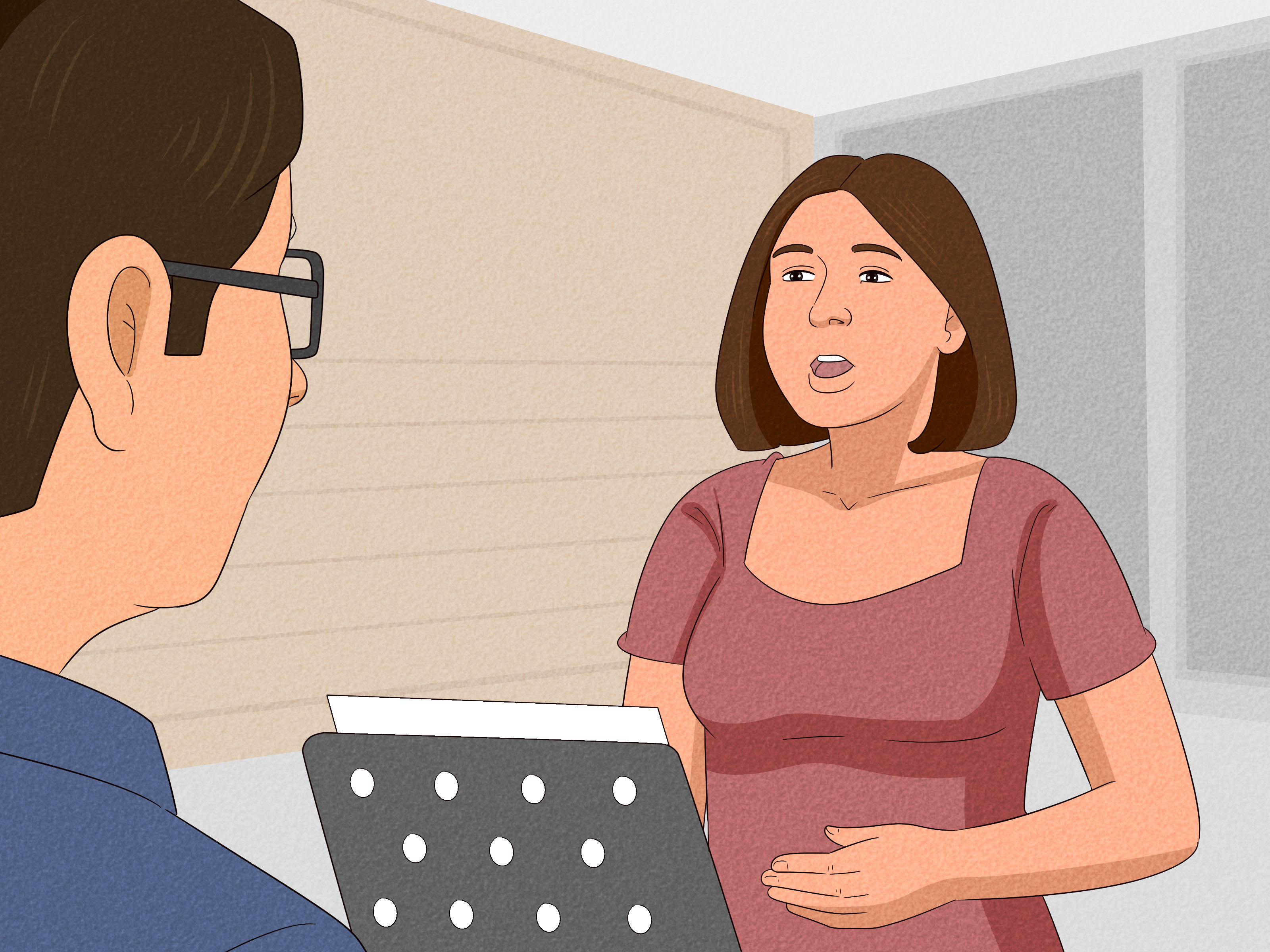
Generated with GPT-5.2 Thinking
Your voice is basically your personal brand in air form. It sells your ideas, tells your stories, convinces people you definitely read the agenda, and occasionally betrays you by cracking on a simple “hello” like a teenaged door hinge. The good news: you can make your voice sound betterclearer, stronger, and more “I’ve got this”without being born with a movie-trailer narrator in your throat.
This guide breaks down what actually improves voice quality (and what’s just Instagram folklore). We’ll cover vocal hygiene, breath support, resonance, articulation, warm-ups, and daily habits that protect your vocal cords so they can do their job without filing an HR complaint. Whether you want a better speaking voice for meetings, a richer sound for podcasts, or more stamina for singing, these expert vocal tips will give you a practical plan.
First, a Quick Reality Check: What “Better” Actually Means
“Sounding better” usually comes down to a few measurable upgrades:
- Clarity: less rasp, less breathiness, less “mystery consonant” energy.
- Consistency: fewer cracks, fewer sudden volume spikes, fewer “why did my voice do that?” moments.
- Stamina: you can talk (or sing) longer without fatigue.
- Presence: you sound confident without shouting like you’re trying to summon a taxi in 1997.
Most voice improvements come from efficiency: better airflow, less throat tension, and a vocal tract setup that helps sound resonate instead of fight its way out.
Vocal Hygiene: The Unsexy Secret to a Better Voice
Think of vocal hygiene like dental hygiene. Nobody wants to floss. Everybody wants the results. Your vocal folds are delicate tissue that vibrates a lot (hundreds of times per second when speaking). When they’re dry or irritated, they need more force and effortaka strainto produce sound.
Hydration: Your Voice Runs on Moisture, Not Vibes
If you want a better voice fast, start with hydration. Hydrated vocal folds move more easily, which can improve vocal efficiency and reduce strain. Sip water throughout the day, and remember: caffeine and alcohol can be drying, so “balance” them with extra water. If your home is dry, a humidifier can help (your voice loves a comfortable humidity level).
Stop Clearing Your Throat Like It’s a Hobby
Throat clearing is basically sandpaper for your vocal folds. If mucus is the issue, try sipping water, swallowing once, or using a gentle “silent cough” (a soft exhale like you’re fogging a mirror, then swallow). If it’s constant, look for triggers like postnasal drip, reflux, or allergies.
Don’t Whisper When Your Voice Is Hoarse
Whispering can put extra strain on your voice. If you’re hoarse, use a soft, easy speaking voiceor rest. “Vocal naps” aren’t lazy; they’re preventive maintenance.
Watch for Irritants and Reflux Triggers
Smoke, harsh chemicals, and persistent reflux can irritate your throat and vocal folds. If spicy or acidic foods trigger heartburn, your voice may pay the price later. If you suspect “silent reflux” (laryngopharyngeal reflux), you might notice chronic throat clearing, a lump-in-throat feeling, or hoarseness without classic heartburn.
Breath Support: The Engine Behind a Strong Speaking Voice
A shaky voice often isn’t a “voice problem”it’s an airflow problem. Your voice is powered by air, and when breath support is weak, your throat muscles try to do the work. That’s like towing a boat with a scooter. Possible? Yes. Optimal? No.
Try Diaphragmatic Breathing (Without Turning It Into a Drama)
Diaphragmatic breathing helps you use your airflow more efficiently and reduces the urge to squeeze sound out of your throat. Here’s a simple practice:
- Sit or stand tall. Keep shoulders relaxed.
- One hand on chest, one on belly.
- Inhale through your nose. Let the belly expand gently.
- Exhale through pursed lips. Keep the chest quiet and the throat relaxed.
- Build control by making your exhale slightly longer than your inhale.
Once that feels natural, add a soft “S” or “Z” on the exhale. You’re training airflow control that translates directly into a steadier voice.
Resonance: How to Sound Fuller Without Forcing Volume
People often try to “sound better” by pushing louder. That usually creates tension and fatigue. Resonance is the smarter move: it’s about shaping the sound so it carries.
The “Forward” Feeling
A helpful cue: aim for vibration sensations in the lips/nose/front of the face (not a tight squeeze in the throat). You’re not trying to sound nasalyou’re trying to place sound forward so it projects with less effort.
Simple Resonance Builders
- Humming: gentle “mmmmm” like you’re approving a dessert.
- “NG” siren: the sound at the end of “sing” while sliding pitch up and down softly.
- Straw phonation (SOVT): phonate through a straw to encourage easier voicing and reduce strain.
Vocal Warm-Ups: Yes, Speakers Need Them Too
Warm-ups aren’t only for singers. If you have a long day of calls, teaching, presenting, interviewing, or recording, a short warm-up can improve voice quality and reduce vocal fatigue.
A 3-Minute Warm-Up Routine (Do This Before Zoom Eats Your Soul)
- 30 seconds: gentle neck/shoulder release (no crunching, no heroics).
- 45 seconds: lip trills (like a tiny motorboat) on a comfortable pitch.
- 45 seconds: hum on “mm” then open to “mah” without getting louder.
- 60 seconds: straw phonation: soft, steady sound; add small pitch glides if comfortable.
Keep everything easy. If it feels “work-y,” you’re probably recruiting the throat when the goal is to let airflow and resonance do the heavy lifting.
Articulation: Sound Clearer Without Talking Like a Cartoon Butler
Clear speech is not about being fancy; it’s about being understood. You can improve articulation while staying natural. The trick is to wake up the lips and tongueyour “speech tools”so your throat doesn’t compensate.
Two Fast Drills
- Over-enunciate for 20 seconds: Read one paragraph like you’re teaching a robot to speak.
- Consonant pop: Say “pa-ta-ka” slowly, then a bit faster, staying relaxed.
Pitch, Pace, and Vocal Variety: The Secret Sauce of “Good Voice”
A monotone voice isn’t “bad”it’s just harder to listen to. Adding variety makes you sound more confident, more engaging, and less like a GPS that’s disappointed in you.
Use “Intentional Pauses” (Not the Panic Kind)
Pauses help your listener digest information and give you time to breathe. If you run out of breath mid-sentence, your voice gets thin, tense, and rushed. Pauses are performance-enhancing breath breaks.
Try the “Pitch Ladder”
Practice saying the same sentence three ways: slightly lower, neutral, slightly higher. You’re not aiming for a new personality. You’re expanding your comfortable range so your natural voice has more options.
How to Sound Better Instantly on Microphone (Podcast, Calls, Video)
Sometimes your “voice problem” is actually an audio problem. A few tweaks can make you sound dramatically better without changing your body at all.
- Distance: Keep a consistent mic distance (usually 4–8 inches for many mics). Too close = boomy; too far = thin and echo-y.
- Angle: Aim the mic slightly off-center to reduce harsh “p” and “t” blasts.
- Room: Soft surfaces reduce echo. A rug, curtains, or even recording near a closet can help.
- Level: If you’re clipping (distorting), lower input gain. Distortion makes any voice sound like it’s arguing with a blender.
Common Voice Killers (And What to Do Instead)
Talking Over Noise
Competing with background noise is a fast track to strain. Use a microphone, move closer, reduce noise, or wait. Your vocal cords will thank you by not turning into sandpaper.
Cold/Allergy Meds That Dry You Out
Some common cold and allergy medications can be drying. If your voice is important for work, ask a clinician or pharmacist about options that may be less drying, and double down on hydration strategies.
Ignoring Persistent Hoarseness
A little hoarseness after yelling at a game is normal. Hoarseness that sticks around is a “get it checked” situationespecially if it lasts for weeks, comes with pain, trouble swallowing, breathing issues, or other concerning symptoms. If dysphonia (voice change) doesn’t improve within about four weeks, specialty evaluation of the larynx is commonly recommended, and some medical sources suggest getting help sooner (around two weeks) depending on context.
A Simple 7-Day Plan to Improve Voice Quality
Days 1–2: Reset and Hydrate
- Carry water. Sip, don’t chug once and forget.
- Reduce throat clearing; replace with sip + swallow.
- Do the 3-minute warm-up once daily.
Days 3–4: Add Breath and Resonance
- Practice diaphragmatic breathing 2–3 minutes, twice per day.
- Add humming + “ng” sirens gently.
- Notice when you tense your neck/shoulders and release.
Days 5–7: Build Presence
- Read aloud for 3–5 minutes with intentional pauses.
- Practice “pitch ladder” sentences for variety.
- If you present often, rehearse with a mic/room setup you’ll actually use.
Conclusion: Your Better Voice Is a Habit, Not a Trick
If you want to make your voice sound better, focus on efficiency: hydrate, warm up, breathe with support, reduce throat tension, and let resonance do the projecting. Small habitslike avoiding constant throat clearing, skipping the “whisper cure,” and using a microphone instead of brute forceadd up fast.
Your voice is not a fixed trait; it’s a system. Treat it well, train it smart, and it will show up for youon stage, on calls, and on those high-stakes moments when you’d like to sound like the most competent person in the room (even if you’re secretly Googling acronyms under the desk).
Real-World Experiences: What People Notice When They Finally Start Doing This Stuff (About )
Here’s what tends to happen when someone starts applying expert vocal tips consistentlyespecially the unglamorous ones like hydration, breath support, and not clearing their throat every seven seconds. The first “win” is usually not a magical new radio voice. It’s something subtler: the voice feels easier.
One common pattern is the “afternoon crash.” People report sounding fine in the morning, then by 3 p.m. their voice gets scratchy, thin, or tired especially teachers, sales folks, managers, or anyone living inside meetings. When they start sipping water regularly, taking short vocal rests, and warming up for two or three minutes before heavy voice use, the crash often shrinks. They don’t necessarily sound dramatically different at 9 a.m., but they sound far more consistent at 4 p.m. That’s the underrated superpower: vocal stamina.
Another classic experience shows up with breath support. Many people think they’re “bad at projecting,” but what’s really happening is they’re trying to get louder by pushing from the throat. Once they practice diaphragmatic breathing and learn to pause before long sentences, two things shift: (1) the voice steadies, and (2) they stop running out of air in the middle of important points. That alone can make a speaking voice sound more confident, because breathlessness reads like uncertaintyeven when you’re actually brilliant.
Then there’s the “microphone surprise.” Someone starts a podcast, records a course, or joins more video calls and suddenly hates their voice. A lot of that is simply hearing yourself the way other people always have (rude, but true). But there’s also an equipment-and-room reality: a laptop mic in a bare room can make any voice sound thin and harsh. When people move closer to a decent mic, angle it slightly, and soften the room acoustics, they often say something like, “Wait… is that what I’m supposed to sound like?” The improvement feels immediate, which is motivatingand motivation is the fuel that gets you to do the slow-burn habits.
Finally, people often notice a behavioral change: they start treating their voice like a tool instead of an afterthought. They stop yelling over noise, they use a microphone when needed, and they get more comfortable speaking with pauses. And the funny part? The voice sounding better becomes almost a side effect of a bigger shift: better communication. When the voice is supported and clear, people don’t have to “try hard” to be heard. They just… are.