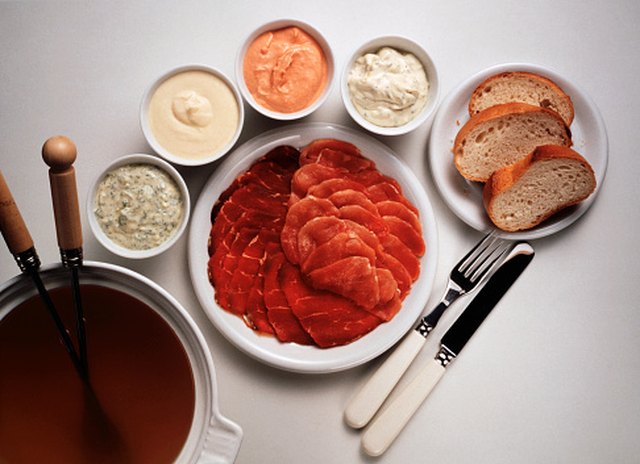
If you have ever eaten fondue at The Melting Pot and found yourself paying suspiciously more attention to the little bowl of curry sauce than to the actual fondue, welcome to the club. Creamy, sweet, tangy, gently spicy, and ridiculously dip-friendly, The Melting Pot’s yogurt curry sauce is the kind of condiment that makes perfectly respectable adults wonder whether drinking dipping sauce with a straw is socially acceptable.
The good news is that a very convincing restaurant-inspired version can be made at home with ordinary supermarket ingredients. The basic formula combines plain yogurt and mayonnaise for creaminess, mango chutney for fruity sweetness, curry powder for warm aromatic flavor, lime juice for acidity, red onion for bite, and cayenne pepper for just enough heat to keep things interesting.
This homemade yogurt curry sauce works beautifully with fondue meats, shrimp, chicken, steak, pork, roasted vegetables, fries, sandwiches, grain bowls, and plenty of foods that have never been within 20 feet of a fondue pot. Better yet, there is no cooking required.
What Makes The Melting Pot-Style Yogurt Curry Sauce So Good?
A successful curry dipping sauce is less about brute-force spice and more about balance. Curry powder is aromatic and earthy, yogurt is tart, mayonnaise is rich, mango chutney brings sweetness and fruit, and fresh lime juice sharpens everything so the finished sauce does not taste heavy.
The result lands somewhere between a creamy curry dip, a chutney sauce, and a mildly spicy yogurt dressing. It is noticeably different from an Indian curry or traditional raita. Think of it instead as an American restaurant dipping sauce built around curry spices.
The Role of Curry Powder
American-style curry powder is generally a blend rather than a single spice. Common supermarket versions contain ingredients such as coriander, fenugreek, turmeric, cumin, black pepper, ginger, red pepper, and other aromatic spices.
That matters because one brand of curry powder can taste surprisingly different from another. For a Melting Pot-inspired sauce, a mild or medium yellow curry powder is usually the safest choice. A fiery Madras blend can work, but it changes the personality of the sauce considerably.
Why Yogurt and Mayonnaise Work Together
Plain yogurt provides refreshing acidity and a clean dairy flavor. Mayonnaise contributes fat, body, and a silky mouthfeel. Using only yogurt produces a lighter sauce but can make it noticeably sharper. Using only mayonnaise makes the dip richer but removes the distinctive yogurt tang.
Together, they create that restaurant-style sweet spot: creamy without tasting like straight mayonnaise and tangy without becoming sour.
The Secret Weapon: Mango Chutney
Mango chutney is what gives this version more personality than a basic bowl of yogurt mixed with curry powder. It contributes sweetness, fruitiness, acidity, and subtle spice all at once.
Major Grey-style mango chutney is particularly useful because its sweet-tangy profile blends easily with creamy ingredients. Chunky chutney is fine because the sauce will be processed until smooth.
Melting Pot-Inspired Yogurt Curry Sauce Recipe
Yield: About 2 cups
Preparation time: 10 minutes
Chilling time: At least 2 hours
Difficulty: Easy enough to make while explaining to everyone that dinner is definitely almost ready.
Ingredients
- 1/2 cup plain whole-milk yogurt
- 1/2 cup real mayonnaise
- 1/2 cup mango chutney
- 2 teaspoons finely minced red onion
- 2 teaspoons mild yellow curry powder
- 1 teaspoon freshly squeezed lime juice
- 1/4 teaspoon cayenne pepper, or less to taste
For the richest texture, use regular whole-milk yogurt and full-fat mayonnaise. Greek yogurt can also be used, although it makes the sauce thicker. If using Greek yogurt and the dip seems overly dense, whisk in a teaspoon or two of water until it reaches the consistency you want.
How to Make Yogurt Curry Sauce Step by Step
Step 1: Measure the Ingredients
Add the yogurt, mayonnaise, mango chutney, minced red onion, curry powder, lime juice, and cayenne pepper to a food processor or blender.
Measuring the curry and cayenne accurately the first time is worthwhile. Both ingredients become more noticeable after the sauce rests, so aggressively seasoning the freshly mixed sauce can result in an unexpectedly spicy surprise later.
Step 2: Blend Until Smooth
Pulse the ingredients several times until they are thoroughly combined and the larger pieces of mango chutney and onion have broken down.
A few short pulses are normally enough. You are making dipping sauce, not launching a smoothie startup. Excessive processing is unnecessary.
If you prefer a completely silky restaurant-style texture, continue processing briefly until no visible pieces of onion or chutney remain. For a slightly rustic sauce, leave a little texture.
Step 3: Taste and Adjust
Taste the sauce before refrigerating it. It should initially taste creamy and sweet, followed by curry spice, citrus, and a gentle cayenne finish.
If it tastes too sweet, add another small squeeze of lime. If it is too tart, stir in a little additional chutney. If the curry flavor seems weak, add curry powder in increments of about 1/4 teaspoon.
Do not chase perfection too aggressively at this stage. The flavor will change during refrigeration.
Step 4: Refrigerate Before Serving
Transfer the sauce to a covered container and refrigerate it for at least two hours. If your schedule allows, several hours of chilling is even better.
This resting period does real culinary work. Dry spices absorb moisture, curry flavors spread throughout the creamy base, the onion mellows, and the sweetness and acidity become more integrated. A freshly mixed curry dip can taste like several ingredients having an argument. After chilling, they finally begin behaving like a team.
How to Get the Best Restaurant-Style Texture
Texture is one of the easiest details to overlook when recreating a restaurant sauce. Fortunately, it is also one of the easiest to fix.
If Your Sauce Is Too Thick
Whisk in cold water approximately one teaspoon at a time. Lime juice can also thin the dip, but remember that adding too much will change the acidity.
Greek yogurt tends to require more thinning than conventional plain yogurt.
If Your Sauce Is Too Thin
Add a little more mayonnaise or strained Greek yogurt. Then refrigerate the sauce because chilling naturally firms the mixture.
If Your Sauce Is Gritty
A gritty yogurt curry sauce usually means the spices have not fully hydrated or the curry powder itself has a coarse texture. Give the sauce more refrigeration time and stir it thoroughly before serving.
Using a blender or food processor rather than simply whisking the ingredients can also produce a smoother result.
Can You Make It Without Mango Chutney?
Yes, although mango chutney provides the most distinctive fruity sweetness.
For an alternative style, combine yogurt and mayonnaise with a small amount of sugar, lemon juice, lime juice, curry powder, garlic powder, salt, and cayenne. This produces another popular interpretation of Melting Pot-style curry dipping sauce: smoother, less fruity, and more citrus-forward.
If you simply cannot find mango chutney, a small amount of brown sugar plus finely grated fresh ginger can provide sweetness and warmth, although it will not perfectly reproduce the fruit flavor.
A Second, Smoother Copycat Variation
Prefer a sauce without pieces of chutney or onion? Try this version:
- 1/2 cup Greek yogurt
- 1/2 cup mayonnaise
- 1/4 cup water
- 2 1/2 teaspoons mild curry powder
- 1 1/2 teaspoons granulated sugar
- 1 1/2 teaspoons fresh lemon juice
- 1 teaspoon fresh lime juice
- 1/4 teaspoon garlic powder
- 1/8 teaspoon salt
- 1/8 teaspoon cayenne pepper
Whisk everything together until perfectly smooth, cover, and refrigerate for at least one hour. This variation is lighter in fruit flavor and emphasizes the curry, citrus, and creamy base.
Trying both versions is an entirely reasonable scientific experiment, especially when the scientific equipment consists mostly of chicken skewers and bowls of sauce.
Best Curry Powder for Yogurt Curry Sauce
There is no universal formula for curry powder, which means your choice can significantly affect the final result.
For a restaurant-style yellow curry dipping sauce, look for a mild supermarket blend featuring turmeric, coriander, fenugreek, and cumin. These spices provide golden color, earthy warmth, and recognizable curry aroma without excessive heat.
Hot curry powder is not wrong, but using it together with the full amount of cayenne can quickly turn a friendly dipping sauce into something considerably more enthusiastic.
If you are experimenting with a new curry blend, start conservatively. You can always add more spice after tasting.
What to Serve With Yogurt Curry Sauce
The obvious answer is fondue, particularly chicken, shrimp, steak, pork, and vegetables cooked at the table. However, limiting this sauce to fondue night would be a tragic waste of refrigerator real estate.
Chicken
Serve yogurt curry sauce with grilled chicken breasts, chicken tenders, kebabs, roasted thighs, or leftover rotisserie chicken. The creamy acidity works especially well against browned or smoky meat.
Shrimp and Seafood
Curry, mango, lime, and shrimp are natural partners. Use the sauce with grilled shrimp, coconut shrimp, seafood skewers, or simply cooked prawns.
Roasted Vegetables
Try it with cauliflower, carrots, potatoes, sweet potatoes, zucchini, broccoli, or roasted Brussels sprouts. Curry spices and vegetables are remarkably good friends.
Fries and Potato Wedges
Once you try curry yogurt sauce with hot fries, ketchup may need to schedule a meeting with its attorney.
Sandwiches and Wraps
Spread a thin layer on turkey sandwiches, grilled chicken wraps, vegetable sandwiches, or burgers. It can replace plain mayonnaise while adding substantially more flavor.
Salads and Grain Bowls
Thin the sauce with lime juice or water until pourable and use it as a creamy curry dressing for rice bowls, quinoa, roasted vegetables, chicken salads, or chopped greens.
Easy Ways to Customize the Sauce
Once you understand the basic balance of creamy, sweet, tangy, aromatic, and spicy, the recipe is easy to customize.
For a hotter curry sauce, increase cayenne gradually or use a hotter curry powder. For more brightness, add fresh lime zest. For additional savory depth, add a tiny pinch of garlic powder. For stronger fruit flavor, increase the mango chutney.
You can also stir in finely chopped cilantro for an herbaceous variation. A teaspoon of honey can soften an unusually sharp yogurt, while additional Greek yogurt can reduce sweetness.
Make one adjustment at a time. Otherwise, diagnosing what went wrong becomes the culinary equivalent of troubleshooting a computer after clicking every button.
Common Mistakes to Avoid
Serving It Immediately
The sauce is technically edible as soon as it is mixed, but resting makes a major difference. Give the curry powder time to hydrate and the flavors time to blend.
Using Sweetened or Flavored Yogurt
Use plain yogurt. Vanilla yogurt belongs in breakfast, not next to your steak fondue.
Adding Too Much Curry Powder at Once
Curry powders differ substantially in strength. Add extra seasoning gradually and remember that the spice character becomes more integrated after chilling.
Using Bottled Lime Juice When Fresh Is Available
Fresh lime provides cleaner acidity and brighter aroma. Because the recipe uses such a small amount, squeezing a fresh lime is worth the additional 12 seconds of labor.
Making the Sauce Too Spicy
Cayenne should provide a gentle background heat rather than dominate the flavor. Start with less when cooking for a mixed crowd.
How Long Does Yogurt Curry Sauce Last?
Because this is a dairy-based sauce containing yogurt and mayonnaise, keep it refrigerated in a clean, covered container. For best flavor and texture, make only what you expect to use within a few days.
Keep the refrigerator at 40 degrees Fahrenheit or below. Do not leave the sauce sitting at room temperature for more than two hours, or more than one hour in temperatures above 90 degrees Fahrenheit.
Always use a clean spoon rather than dipping utensils that have touched raw meat. This is particularly important during fondue meals, where raw ingredients and cooked foods may be sharing the same table.
My Experience Making Melting Pot-Style Yogurt Curry Sauce at Home
The biggest lesson I learned while experimenting with this style of yogurt curry sauce is that the recipe is deceptively simple. On paper, you are basically putting ingredients into a processor and pressing a button. In practice, small choices make a surprisingly large difference.
The first thing I noticed was how much the brand and style of curry powder affected the finished sauce. A standard mild yellow curry powder created the familiar warm, slightly earthy flavor I associated with an American fondue dipping sauce. When I tried a hotter blend, the sauce was still delicious, but it tasted more aggressively spiced and less like the restaurant-inspired version I was aiming for.
The second discovery was the importance of refrigeration. When tasted immediately after blending, the curry powder seemed slightly dusty and stood apart from the yogurt and mayonnaise. Two hours later, the difference was obvious. The spice had mellowed, the mango flavor seemed less sugary, and the lime was better integrated.
Leaving the sauce refrigerated overnight produced an even rounder flavor. That makes this recipe particularly convenient for entertaining because making it ahead is actually an advantage rather than a compromise.
I also experimented with both conventional plain yogurt and Greek yogurt. Regular whole-milk yogurt produced a looser dipping consistency that was ideal for fondue. Greek yogurt created a much thicker dipfantastic with vegetables and fries but almost too sturdy for delicate shrimp. A tablespoon or two of water corrected the consistency without noticeably weakening the flavor.
The mango chutney was another interesting variable. Leaving it slightly chunky gave the sauce occasional sweet bites of mango and onion. Processing everything until completely smooth made the sauce feel more restaurant-like and allowed it to cling evenly to meat.
For a dinner party, I would choose the smoother version simply because everyone can dip without chasing a piece of mango around the bottom of the bowl like it owes them money.
I found that the sauce was especially good with chicken and shrimp. Chicken provides a relatively neutral canvas, allowing the curry and chutney flavors to stand out. Shrimp was arguably even better because the sweetness of the mango complemented the natural sweetness of the seafood while lime kept the combination fresh.
Roasted cauliflower was the surprise winner. Curry powder already pairs naturally with cauliflower, and the cold creamy dip against the hot browned vegetables created an excellent contrast. It turned a side dish into something people kept stealing before dinner was officially served.
Another experiment involved using the leftovers as sandwich spread the next day. A grilled chicken sandwich with lettuce, tomato, red onion, and a layer of curry sauce tasted considerably more interesting than the usual mayonnaise-based version. Thinning another spoonful with lime juice created an instant salad dressing.
If I were making the sauce for guests, I would prepare it the night before, use whole-milk plain yogurt, choose a mild curry powder, blend until smooth, and reserve the cayenne adjustment until after tasting. I would also make more than expected. Dipping sauces have a strange mathematical property: the amount people consume expands according to the size of the bowl.
Most importantly, I would not become obsessed with reproducing a restaurant sauce molecule for molecule. Ingredients, restaurant formulas, and regional preparations can change. The more useful goal is recreating the character of the sauce: creamy yogurt, rich mayonnaise, aromatic curry, fruity sweetness, citrus brightness, and a gentle chile finish.
Once those elements are balanced, you have a yogurt curry dipping sauce that delivers exactly what mattersthe urge to find one more piece of chicken solely because there is still sauce in the bowl.
Final Thoughts
Making a Melting Pot-inspired yogurt curry sauce at home requires no complicated cooking technique and only a handful of ingredients. The combination of plain yogurt, mayonnaise, mango chutney, curry powder, lime juice, red onion, and cayenne creates a creamy dipping sauce with sweetness, acidity, warmth, and just enough heat.
The most important trick is patience. Blend it thoroughly, refrigerate it for at least a couple of hours, and adjust the seasoning after the flavors have had time to develop.
Serve it with fondue meats, grilled chicken, shrimp, vegetables, fries, sandwiches, or anything else that could use a creamy curry upgrade. You may originally make it because you miss a restaurant dipping sauce. Do not be surprised when it becomes a permanent resident of your refrigerator.
SEO Information
Note: This is a restaurant-inspired copycat recipe developed from publicly available culinary references and should not be interpreted as The Melting Pot’s confidential or current proprietary restaurant formula.