There are few things in parenting more magical than handing a child a bubble wand and watching them behave as if they have personally discovered joy. Bubbles are cheap entertainment, backyard science, and a sneaky way to get kids outside without having to explain why the living room is not an acceptable racetrack. The good news is that you do not need a fancy bottle from the store to make great bubbles. You can mix up a quick homemade bubble solution with simple ingredients you probably already have in the kitchen.
This guide covers an easy soap bubble recipe for children, why it works, how to make stronger and longer-lasting bubbles, which ingredients matter most, and what mistakes cause that sad little “blip” instead of a glorious floating orb. We will also get into safety, storage, and real-life parent experiences, because every bubble recipe sounds perfect until a child dumps half of it onto the patio in under twelve seconds.
Why Homemade Soap Bubbles Work
At first glance, bubbles seem like pure nonsense. How can something made from soap, water, and a breath of air become a shimmering globe that floats across the yard like it has tiny ambitions? The answer is simple chemistry.
Soap helps water stretch
Plain water is actually terrible at making bubbles by itself. Water molecules cling tightly to one another, which creates high surface tension. Dish soap loosens that grip and makes the surface more flexible. That is what allows a thin film to stretch around air and form a bubble instead of giving up immediately like a group project partner who never answers texts.
Glycerin or corn syrup helps bubbles last longer
If you want bigger, stronger, slower-to-pop bubbles, you need one extra helper: glycerin or light corn syrup. These ingredients help the bubble film hold onto moisture longer, which means the bubble does not dry out as fast. In plain English, the bubble gets tougher, lasts longer, and has a better chance of surviving the dramatic chaos of childhood.
Resting the mixture matters
Yes, even bubbles appreciate a little downtime. Letting the mixture rest for at least an hour, or ideally overnight, gives the ingredients time to blend smoothly. Freshly mixed solution can still work, but rested solution usually produces stronger bubbles with less frustration. And less frustration is always a premium feature in family activities.
Quick Recipe: How to Make Soap Bubbles for Kids
If you want a fast, reliable homemade bubble solution, this is the easiest place to start.
Quick Bubble Recipe
- 1 cup distilled or clean warm water
- 2 tablespoons mild liquid dish soap
- 1 teaspoon glycerin or 2 teaspoons light corn syrup
How to Make It
- Pour the water into a clean bowl, jar, or measuring cup.
- Add the dish soap slowly. Do not stir like you are auditioning for a baking show disaster reel.
- Add the glycerin or corn syrup.
- Gently stir until combined. Try not to create foam.
- Let the mixture sit for at least 1 hour. Overnight is even better.
- Dip in a wand and blow slowly for the best results.
This small batch is perfect for a quick afternoon activity. If your children are serious bubble professionals, multiply the recipe by six and make a family-size batch for the backyard.
The Best Ingredients for Better Bubbles
Homemade bubble solution is simple, but the details make a difference. The right ingredients can turn weak bubbles into strong, shiny, long-lasting ones.
1. Use mild dish soap
Regular liquid dish soap works best. Choose a simple formula without heavy moisturizers, added lotions, or extra-thick textures. Clear or classic dish soaps usually perform better than creamy, moisturizing ones. Avoid using dishwasher detergent, laundry detergent, or detergent pods. Those products are not meant for this kind of play and are not child-friendly for casual handling.
2. Distilled water is worth it
Tap water can work, but distilled water often gives better results because it has fewer minerals and impurities. That means the soap film can stay more stable. For a quick weekday batch, tap water is fine. For your “I want giant movie-quality bubbles in the backyard” era, distilled water is a smart upgrade.
3. Glycerin vs. corn syrup
Both work, but they are slightly different. Glycerin is excellent for making bubbles stronger and longer-lasting. Light corn syrup is easier to find in many kitchens and also improves durability. Glycerin usually feels a little cleaner and less sticky, while corn syrup is perfectly fine if that is what you already have. Either one is far better than nothing.
4. Do not overmix
The goal is bubble solution, not bubble soup. If you whip the ingredients too hard, you create foam before the kids even start playing. Gentle stirring helps preserve the smooth film you want.
How to Make Bigger, Longer-Lasting Soap Bubbles
Once you have the basic recipe down, a few small changes can make your homemade bubble solution much better.
- Let it rest: Give the solution at least an hour, and preferably overnight.
- Blow slowly: Fast, forceful blowing often pops the bubble before it fully forms.
- Play outside in calm weather: Wind is not a bubble’s best friend.
- Try cooler, more humid conditions: Bubbles often last longer when the air is not hot and dry.
- Use a larger wand: Pipe cleaners, cookie cutters, or homemade string wands can create bigger bubbles.
A good trick is to dip the wand, hold it up for a second or two, and then move it slowly through the air instead of immediately blowing as hard as possible. Children love this once they get the hang of it, and it often leads to bigger bubbles with less dramatic disappointment.
Common Mistakes That Ruin Homemade Bubble Solution
If your bubbles are popping too fast or not forming well, the recipe may not be the problem. The method usually is.
Too much soap
More soap does not automatically mean better bubbles. Too much can make the mixture heavy, foamy, and difficult to work with.
Not enough rest time
Fresh solution can be weak. Resting helps.
Using the wrong soap
Dish soaps with lotions or unusual additives may create weak films.
Playing in bad weather
Hot, dry, windy afternoons can make even a good bubble recipe seem broken. Try again in calmer conditions before blaming the jar.
Expecting toddlers to follow bubble physics
This is not a chemistry problem. This is a human problem. If a toddler drinks the solution, dumps it, or uses the wand as a sword, your batch may fail for reasons science cannot fix.
Fun Bubble Activities for Children
Once your soap bubbles are ready, you can stretch the activity into a whole afternoon.
Bubble wand scavenger hunt
Try different household items as wands: cookie cutters, slotted spoons, pipe cleaners, straws, or even a loop made from string. Kids love guessing which shape will make the biggest bubble. Spoiler alert: the bubble still wants to become a sphere. Science is stubborn like that.
Bubble catching game
Have children wear soft cotton gloves or clean socks over their hands and try to catch bubbles without popping them. This works best with stronger bubble mixtures and makes kids feel like they have unlocked a secret wizard level.
Bubble art
Add a tiny amount of washable food coloring to a separate batch and blow bubbles onto paper. Keep this one outdoors unless your decorating style is “surprise abstract stains.”
Bubble science challenge
Make two batches, one with glycerin and one without, and let kids compare size, strength, and how long the bubbles last. It is hands-on science disguised as fun, which is basically the gold standard of child enrichment.
Safety Tips When Making Soap Bubbles for Kids
Homemade bubble solution is easy and generally low-risk, but it is still a soap-based mixture, not a beverage, not a snack, and definitely not a face wash.
- Always supervise young children.
- Do not let kids drink the solution.
- Keep soap away from eyes, nose, and mouth.
- Rinse with clean water right away if solution gets into the eyes.
- Do not blow bubbles directly at another child’s face.
- Wipe slippery spills from patios, decks, and kitchen floors.
- Store leftover solution in a labeled, sealed container out of children’s reach.
- Skip concentrated detergent products and detergent pods.
If your child is very young and still puts everything into their mouth, bubble time needs closer supervision. The recipe is simple, but “simple” and “safe to sip” are not the same thing.
How to Store Homemade Bubble Solution
Pour extra bubble mix into a clean jar or bottle with a lid. Label it clearly and keep it in a cool place. Most homemade bubble solutions work well for several days and often longer if stored properly. Stir gently before using again, especially if the mixture has been sitting for a while.
If the solution starts to look cloudy, overly foamy, or suspiciously like something a child added “to improve it,” it is probably time to make a new batch.
What the Experience Is Really Like at Home
Here is the part most quick recipes leave out: making soap bubbles for your children is rarely just about the bubbles. It becomes a whole tiny family event. First, there is the setup. You announce that you are making homemade bubbles, and suddenly everyone acts like you have promised a theme park. One child wants to help measure. Another wants to hold the spoon. A third child, if present, appears from nowhere purely to ask whether bubbles can be made in purple.
Then comes the actual mixing, which is where many parents discover that “gently stir” is not a phrase children naturally respect. The bowl gets attacked like a treasure chest. Foam rises. Someone cheers anyway. You calmly explain that less stirring makes better bubbles, which is useful information for approximately four seconds before someone stirs again with Olympic commitment.
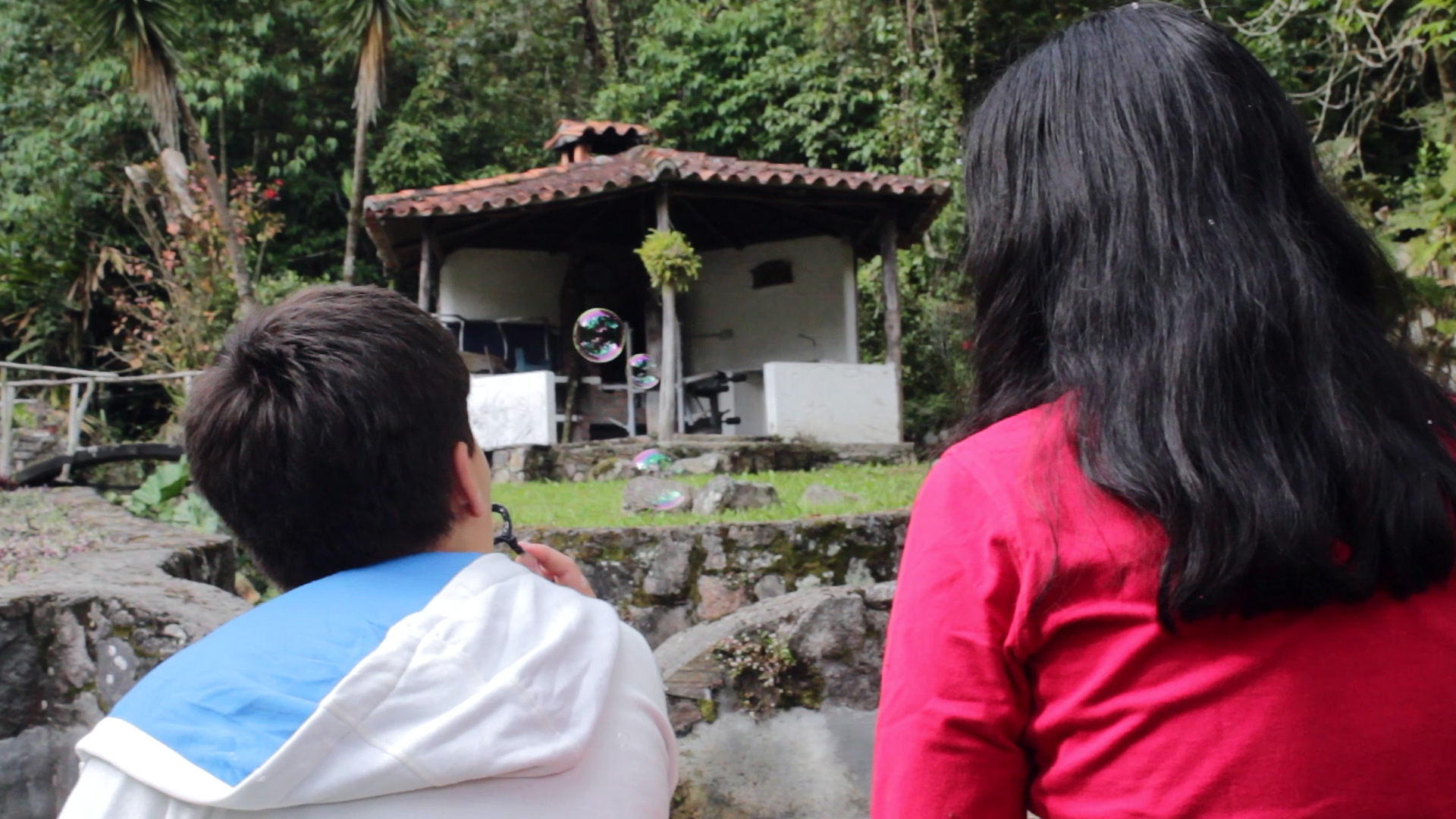
But once the mixture rests and you head outside, the mood changes. The first successful bubble always feels bigger than it is. Even a medium-size bubble earns the kind of reaction usually reserved for fireworks. Kids chase it with full-body enthusiasm, arms out, eyes wide, completely convinced that this one floating sphere is the most important object in the universe. Honestly, for that minute, they are probably right.
What parents often notice is that the best part is not the “perfect” bubble. It is the experimenting. Children quickly figure out that how they move matters. A slow breath works better than a wild blast. A gentle sweep of the wand can create a giant bubble. Standing in a breezy spot ruins the effect. They learn through play without sitting through a lecture, which feels like a parenting miracle. You are basically running a backyard physics lab, except the scientists are barefoot and sticky.
Weather becomes part of the experience too. On hot, dry afternoons, the bubbles may pop quickly and everybody gets frustrated. Then you try again on a cooler evening, and suddenly the bubbles float farther, shimmer longer, and seem almost magical. That contrast helps children see that real-world conditions matter. It also helps adults realize that sometimes the recipe was fine all along and the weather was the rude one.
There is also a practical side to the experience. Corn syrup batches can be a little sticky. Glycerin batches may feel smoother. Distilled water can give cleaner results. Homemade wands made from pipe cleaners are fun, but cookie cutters and kitchen tools often become surprise favorites. Children love turning ordinary objects into bubble machines. Parents love that this activity is inexpensive, screen-free, and oddly calming once the initial excitement settles.
And yes, there are always small bubble-time mishaps. A child will spill some solution. Someone will wave the wand like a sword. One kid will try to catch a bubble with their nose. Another will become deeply emotional because their sibling made a larger bubble. This is normal. It does not mean the activity failed. It means the activity involved children.
In the end, that is why homemade soap bubbles stay popular. They are not fancy, but they feel special. They turn simple ingredients into movement, laughter, science, and fresh air. They give parents an easy win and give children something magical they can help create with their own hands. That is a pretty impressive job for a cup of water, a little dish soap, and a solution that costs less than many coffee orders.
Conclusion
If you want an easy outdoor activity that is cheap, fun, educational, and surprisingly effective at getting kids away from screens, homemade soap bubbles are hard to beat. The quick recipe is simple: water, mild dish soap, and a little glycerin or corn syrup. Mix gently, let it rest, and use it in calm weather for the best results. From there, you can turn bubble time into science time, art time, or just an excuse to laugh in the backyard.
In other words, this is one of those rare family activities that is easy to start, inexpensive to repeat, and delightful enough that nobody complains. Well, almost nobody. There is always one child who wants a bubble the size of a minivan.