Everyone wants long, strong, glossy nails until one of them snaps while opening a soda can and suddenly you are negotiating with your own hands like they are tiny, rebellious employees. The big question is simple: how can you make nails grow faster? The honest answer is that you cannot magically command your nails to sprout overnight like chia seeds on a windowsill. Nails grow at their own biological pace, and fingernails usually grow slowly over several months.
But here is the good news: while you cannot hack your body like a video game, you can create the best possible conditions for healthy nail growth. That means fewer breaks, less peeling, better moisture, smarter nutrition, and kinder nail habits. In other words, the goal is not only to make nails grow faster but also to help them survive long enough to look longer.
This guide breaks down practical, science-backed tips for stronger, healthier nails using simple daily habits. No fairy dust, no suspicious “miracle” potions, and definitely no advice that requires you to sleep with your hands in a bowl of avocado.
Understanding Nail Growth: What Is Actually Happening?
Your nails are made mostly of keratin, a tough protective protein also found in your hair and outer skin. New nail cells form under the skin at the nail matrix, which sits near the base of the nail. As fresh cells develop, older cells are pushed forward, flatten, harden, and become the nail plate you see.
Because nail growth starts below the surface, healthy nails are built from the inside out. This is why a one-night treatment may make nails look shinier, but long-term nail growth depends on nutrition, circulation, protection, hydration, and avoiding repeated trauma.
Can Nails Really Grow Faster?
Some factors that affect nail growth are outside your control, including age, genetics, hormones, season, and overall health. Nails may grow more quickly during certain life stages and more slowly after injury, illness, or nutritional deficiency. However, most “grow nails overnight” claims are more beauty myth than biology.
What you can do is prevent breakage. If your nails grow but constantly split, peel, or crack, they will never seem to get longer. Stronger nails are like better luggage at the airport: they may not arrive faster, but they are far less likely to fall apart along the way.
1. Feed Your Nails With Protein-Rich Foods
If nails are made of keratin, and keratin is a protein, then protein deserves a front-row seat in your nail growth plan. A low-protein diet may contribute to weak nails, slow recovery, and brittle texture. You do not need to eat like a bodybuilder preparing for a competition, but consistent protein matters.
Good nail-friendly protein sources include eggs, fish, chicken, turkey, Greek yogurt, tofu, beans, lentils, nuts, seeds, and lean meats. For example, a breakfast with eggs and whole-grain toast, a lunch with salmon or tofu, and a dinner with beans or chicken gives your body the raw materials it needs to support healthy nails.
2. Get Enough Iron, Zinc, and Key Vitamins
Nails can sometimes reflect nutritional gaps. Low iron or zinc levels may be linked with brittle, thin, or weak nails, and certain vitamin deficiencies can affect nail appearance. A balanced diet is usually better than randomly buying every supplement bottle with a shiny label and a dramatic promise.
Focus on nutrient-dense foods such as leafy greens, legumes, lean meat, seafood, whole grains, nuts, seeds, berries, and colorful vegetables. Iron-rich foods include beef, lentils, spinach, beans, turkey, and fortified cereals. Zinc can be found in seafood, pumpkin seeds, chickpeas, cashews, and dairy products.
If you suspect a deficiency, especially if your nails suddenly become brittle, spoon-shaped, discolored, or unusually slow-growing, talk with a healthcare professional. Nails can be beauty accessories, but they are also tiny health billboards.
3. Be Smart About Biotin
Biotin, also known as vitamin B7, is one of the most popular supplements for hair, skin, and nails. Some research suggests biotin may help strengthen weak or brittle nails, especially when there is a deficiency. However, biotin is not a guaranteed nail-growth accelerator for everyone.
Most people get biotin from foods such as eggs, nuts, seeds, salmon, sweet potatoes, and legumes. If you are considering a biotin supplement, ask your healthcare provider first. High-dose biotin can interfere with certain lab tests, including tests used for thyroid function and heart-related markers. That means the “cute nail vitamin” can become very uncute if it confuses important medical results.
4. Moisturize Your Nails and Cuticles Daily
Dry nails break. Dry cuticles crack. Cracked skin around the nails invites irritation and sometimes infection. If you want nails to grow longer, moisture is not optional; it is the daily rent you pay for healthy hands.
Apply hand cream after washing your hands and before bed. Massage a small amount of cuticle oil, petroleum jelly, or thick moisturizer into the nail folds and cuticles. Ingredients such as glycerin, petrolatum, shea butter, jojoba oil, and lanolin can help seal in moisture.
A simple habit works well: keep a hand cream near your sink, desk, and bed. If your moisturizer is always within reach, you are more likely to use it. If it is hidden in a drawer under old receipts and mystery cables, your nails are on their own.
5. Stop Cutting Your Cuticles
Cuticles protect the nail matrix from bacteria and irritation. Cutting them may make a manicure look neat for a few days, but it can also increase the risk of inflammation, infection, and nail damage. Instead of cutting cuticles, soften them with warm water and moisturizer, then gently push them back only if needed.
If a salon technician reaches for the cuticle nippers like they are preparing for a tiny construction project, politely ask them not to cut your cuticles. Your future nails will thank you.
6. Keep Nails Clean, Dry, and Trimmed
Healthy nail growth starts with basic hygiene. Keep nails clean and dry, especially after washing dishes, gardening, cleaning, swimming, or using harsh products. Too much moisture can soften nails and make them more likely to peel, while dirty or damp environments may encourage bacterial or fungal problems.
Trim nails regularly with sharp clippers or nail scissors. File rough edges with a fine emery board to prevent snags. A tiny snag can turn into a full nail tragedy faster than you can say, “I just got them even.”
7. File Nails the Right Way
Rough filing can create micro-tears that weaken the nail edge. Use a fine-grit file and move gently. Many people prefer filing in one direction instead of aggressively sawing back and forth. The goal is to shape the nail, not punish it for existing.
Rounded or softly squared nails are often less likely to catch on fabric, hair, or random life objects. Extremely pointy or sharp corners may look dramatic, but they can break more easily if your natural nails are already weak.
8. Wear Gloves for Wet Work and Cleaning
Water, soaps, detergents, and cleaning products can dry out nails and cuticles. If your hands are constantly in water, your nails may become softer, weaker, and more prone to peeling. Gloves are not glamorous, but neither is watching your thumbnail split while scrubbing a pan.
Use rubber or nitrile gloves when washing dishes, cleaning bathrooms, handling household chemicals, or gardening. For extra protection, apply hand cream before putting on gloves. It is like giving your nails a mini spa treatment while you attack the sink full of dishes.
9. Give Gel, Acrylic, and Dip Nails a Break
Gel manicures, acrylic nails, and dip powder can look beautiful, but repeated use may weaken natural nails. Removal is often the biggest problem. Peeling, prying, or filing too aggressively can strip layers from the nail plate, leaving nails thin, sensitive, and breakable.
If you love long-lasting manicures, choose salons with good hygiene practices, avoid cuticle cutting, and never peel off polish. Take breaks between services when your nails feel weak or look damaged. A bare-nail recovery period with moisturizer and gentle care can help nails grow out stronger.
10. Avoid Using Nails as Tools
Your nails are not box cutters, screwdrivers, sticker scrapers, soda-can openers, or emergency keychains. Using them as tools is one of the fastest ways to cause cracks and breaks.
Try this rule: if the task makes your nail bend, stop. Use an actual tool instead. Keep a letter opener, small scissors, or keyring tool nearby. Your nails have one job: looking fabulous while protecting your fingertips. Do not assign them unpaid manual labor.
11. Stop Biting and Picking
Nail biting and picking can damage the nail plate, cuticles, and surrounding skin. Over time, these habits may affect nail shape and increase the risk of infection. If biting is stress-related, try replacing the habit with something else, such as a fidget ring, stress ball, or bitter-tasting nail treatment.
Keeping nails short and neatly filed can also reduce temptation. Some people find that regular manicures help because they are less likely to bite nails that look polished and intentional. Others need behavioral strategies, stress management, or support from a healthcare professional if the habit feels compulsive.
12. Choose Gentle Nail Products
Harsh removers, frequent acetone use, and strong adhesives can dry or weaken nails. Acetone is effective for removing certain polishes, especially gel, but repeated exposure can be drying. After using remover, wash your hands and apply moisturizer or cuticle oil.
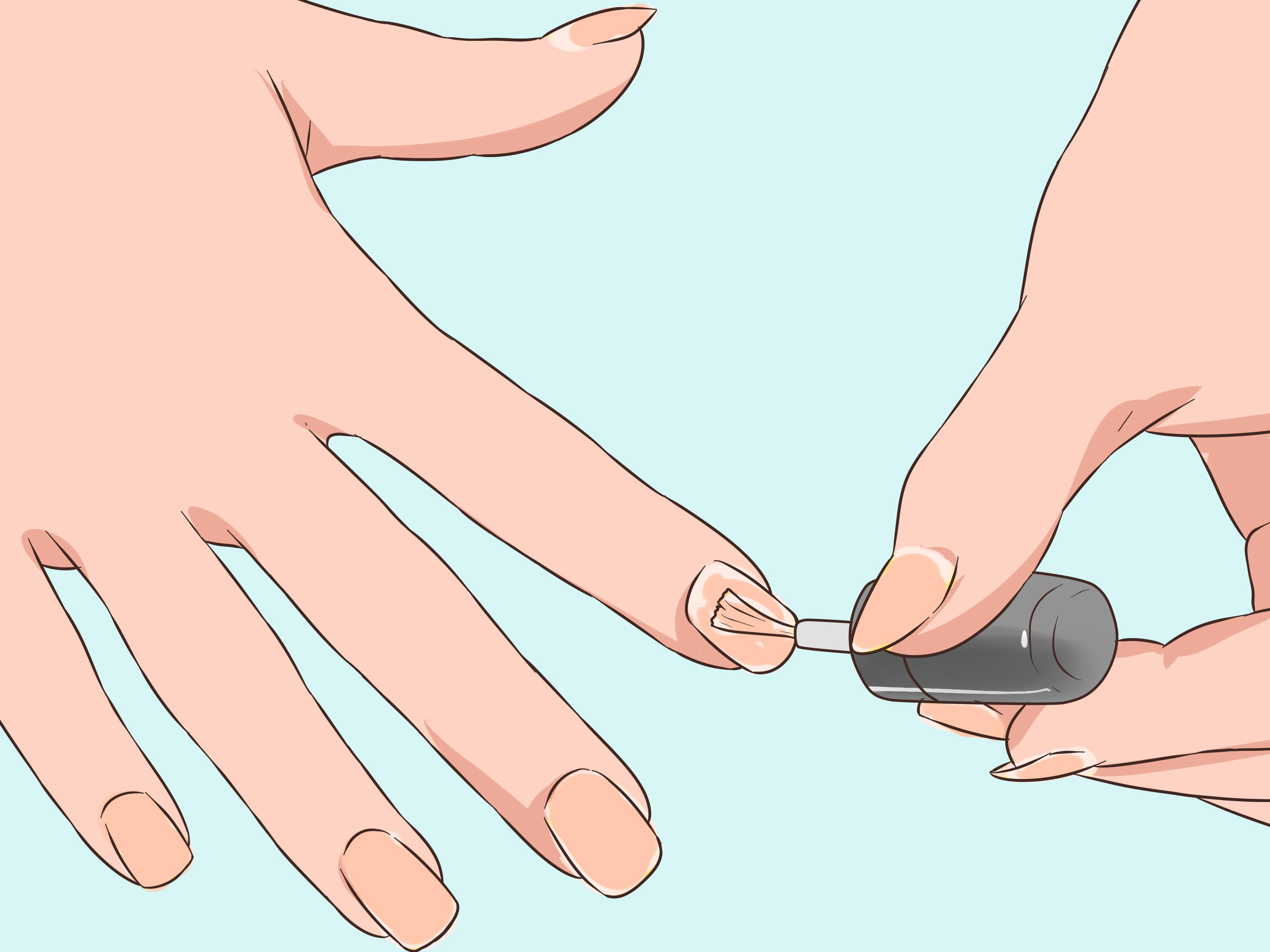
Use a base coat before polish to reduce staining and protect the nail plate. Avoid old or questionable nail products that smell suspiciously like a chemistry lab with commitment issues. If a product causes burning, itching, swelling, or redness, stop using it.
13. Hydrate, Sleep, and Support Circulation
Nails are part of your body, not separate accessories shipped in from a beauty warehouse. General wellness matters. Staying hydrated, sleeping enough, managing stress, and staying active all support the systems that help your body repair and renew itself.
Simple movement, such as walking, stretching, or light exercise, supports circulation. Good circulation helps deliver oxygen and nutrients to tissues, including the nail matrix. You do not need to train for a marathon; your nails are not checking your step count with judgmental clipboards. Just aim for consistent, healthy movement.
14. Know When Nail Changes Need Medical Attention
Not every nail ridge or split is serious. Nails can change with age, weather, water exposure, manicures, or minor injuries. However, some signs deserve professional attention.
See a healthcare provider or dermatologist if you notice sudden nail discoloration, dark streaks, pain, swelling, pus, nail separation, thickening, persistent brittleness, bleeding, or changes affecting many nails at once. Also get help if a nail problem does not improve after several weeks of gentle care.
Fungal infections, psoriasis, thyroid problems, anemia, and other health conditions can affect nails. Treating the underlying cause is more effective than coating the problem with another layer of polish and hoping it gets shy and leaves.
A Simple Weekly Nail Growth Routine
Here is an easy routine for stronger nails and better length retention:
- Daily: Apply hand cream after washing and use cuticle oil before bed.
- Every 2–3 days: Check for snags and gently file rough edges.
- Weekly: Trim nails evenly and apply a protective base coat if using polish.
- During chores: Wear gloves for dishes, cleaning, and gardening.
- Monthly: Take a break from gels, acrylics, or dip powder if nails feel thin or weak.
Foods That Support Healthy Nail Growth
A nail-friendly plate does not need to be complicated. Try meals that combine protein, healthy fats, vitamins, and minerals. For breakfast, consider scrambled eggs with spinach and whole-grain toast. For lunch, a salmon salad with avocado, pumpkin seeds, and chickpeas provides protein, omega-3 fats, zinc, and iron. For dinner, turkey chili with beans or tofu stir-fry with vegetables can support overall nutrition.
Snacks can help too. Greek yogurt, almonds, walnuts, sunflower seeds, hummus, berries, and boiled eggs are easy options. The point is not perfection. The point is consistency. Nails grow slowly, so they respond better to months of steady nutrition than one heroic smoothie followed by three weeks of chaos.
Common Myths About Making Nails Grow Faster
Myth 1: Garlic Makes Nails Grow Overnight
Garlic belongs in pasta, not necessarily in your manicure routine. Some people swear by rubbing garlic on nails, but there is no strong evidence that it makes nails grow faster. It may, however, make your hands smell like a restaurant kitchen, which is a bold lifestyle choice.
Myth 2: Nail Polish Stops Nails From Breathing
Nails do not breathe like lungs. They receive nutrients from the bloodstream before the visible nail plate forms. However, constant polish, harsh removers, and rough removal can dry or damage nails. The issue is not “breathing”; it is overprocessing.
Myth 3: More Supplements Always Mean Better Nails
More is not always better. Supplements can help when there is a deficiency, but unnecessary high doses may be useless or risky. Biotin, for example, can interfere with lab tests. Before taking supplements for nail growth, especially high-dose formulas, check with a healthcare professional.
Extra Experience Section: Real-Life Lessons for Growing Longer Nails
One of the most useful lessons about nail growth is that the small habits matter more than the dramatic ones. Many people start with a “nail growth journey” by buying oils, hardeners, vitamins, gloves, files, and enough polish to open a tiny salon in their bedroom. Then, three days later, they use their thumbnail to peel off a price sticker and wonder why the corner split. The truth is that nail care is less about one magical product and more about removing the daily damage.
A practical experience-based approach is to treat nails like delicate fabric. You would not scrub silk with floor cleaner, yank it through a zipper, and then blame the silk for being dramatic. Nails behave the same way. If they are exposed to hot water, detergent, acetone, biting, picking, and constant gel removal, they will eventually show it. Once you start protecting them, growth becomes more noticeable because fewer nails break before reaching your goal length.
For example, one simple change is wearing gloves while washing dishes. At first, it feels unnecessary. Then you notice your nails are less bendy after a week. After a few weeks, the peeling at the tips may look better. This is not because gloves are magical. It is because your nails are no longer soaking in water and detergent every day like tiny noodles in soup.
Another real-world tip is to keep nails at a manageable length while they recover. Many people want long nails immediately, but weak nails often need a rebuilding phase. Short, smooth, evenly filed nails are less likely to catch and tear. Once the nail edge becomes stronger, you can gradually grow them longer. Think of it like training wheels, but prettier.
Cuticle oil is another habit that works best when it is boringly consistent. Applying oil once and expecting a miracle is like watering a plant once and asking why it has not become a rainforest. Keep the oil near your bed, apply it nightly, and massage it into the nail folds. The massage may also encourage circulation, and the moisture helps reduce cracking around the nail.
Manicure breaks can be emotionally difficult, especially if you love polished nails. But if your natural nails feel paper-thin after repeated gel or acrylic use, a break can be the difference between constant damage and real improvement. During that break, keep nails short, moisturized, and protected. A clear strengthening base coat may help some people, but avoid overusing hardeners that make nails too rigid and prone to snapping.
Finally, patience is the secret ingredient nobody wants to buy because it is not available in a cute bottle. Nails take time to grow out. If damage happened near the tip, you may see improvement quickly after trimming. If damage started near the base, it may take months for healthier nail to fully replace the old nail. Progress can feel slow, but photos help. Take a picture every two weeks in the same lighting. You may be surprised by the difference.
Conclusion: The Best Way to Make Nails Grow Faster
The best way to make nails grow faster is to help them grow stronger. You cannot force nails to double their natural growth speed overnight, but you can protect them from breakage, feed your body well, moisturize daily, avoid harsh nail habits, and treat problems early. Longer nails are usually the result of healthy growth plus fewer setbacks.
Start with the basics: protein-rich meals, enough key nutrients, regular moisturizing, gentle filing, gloves for chores, and breaks from damaging manicures. Avoid biting, picking, and using nails as tools. If your nails suddenly change color, shape, thickness, or texture, get medical advice instead of guessing.
Healthy nails are not built in one weekend. They are built through small, repeatable habits. Give your nails time, protection, and a little daily kindness. They may not grow like weeds, but with the right care, they can grow longer, stronger, and far less likely to betray you during a zipper emergency.
Note: This article is for general educational purposes only and does not replace professional medical advice. If nail changes are sudden, painful, persistent, or linked with other symptoms, consult a qualified healthcare provider or board-certified dermatologist.