Important safety note: The safest way to “make a lighter shoot a huge flame” is simple: don’t. A pocket lighter is designed to produce a small, controlled flame for normal usenot a backyard dragon audition. Trying to alter it, force it, overheat it, or use it near flammable materials can cause burns, fires, explosions, and property damage faster than you can say, “I saw it online.”
This guide is written for readers who searched for how to make a lighter shoot a huge flame but need the safer, smarter answer. Instead of giving risky instructions, we’ll walk through nine practical steps for understanding why large lighter flames are dangerous, how to handle lighters responsibly, and what safer alternatives exist if you want dramatic flame visuals for photography, video, theater, or educational content.
Why You Should Not Modify a Lighter for a Huge Flame
A lighter may look like a tiny plastic gadget, but it combines fuel, pressure, ignition, heat, and open flame in one small object. That is not exactly a relaxing spa day for physics. When used normally, a lighter creates a modest flame. When misused, it can become unpredictable.
Large flames are dangerous because they spread heat beyond the expected zone. A flame that suddenly jumps higher can ignite sleeves, hair, curtains, paper, dry grass, aerosols, or fuel vapors. Worse, many people underestimate how quickly fire grows. A small flame can become a room fire in moments when it reaches the right material.
So, instead of learning how to turn a lighter into a mini flamethrower, use these nine safety-first steps to avoid injuries and still satisfy your curiosity in a responsible way.
9 Safe Steps to Understand and Avoid Huge Lighter Flames
Step 1: Understand That Lighters Are Not Built for Stunts
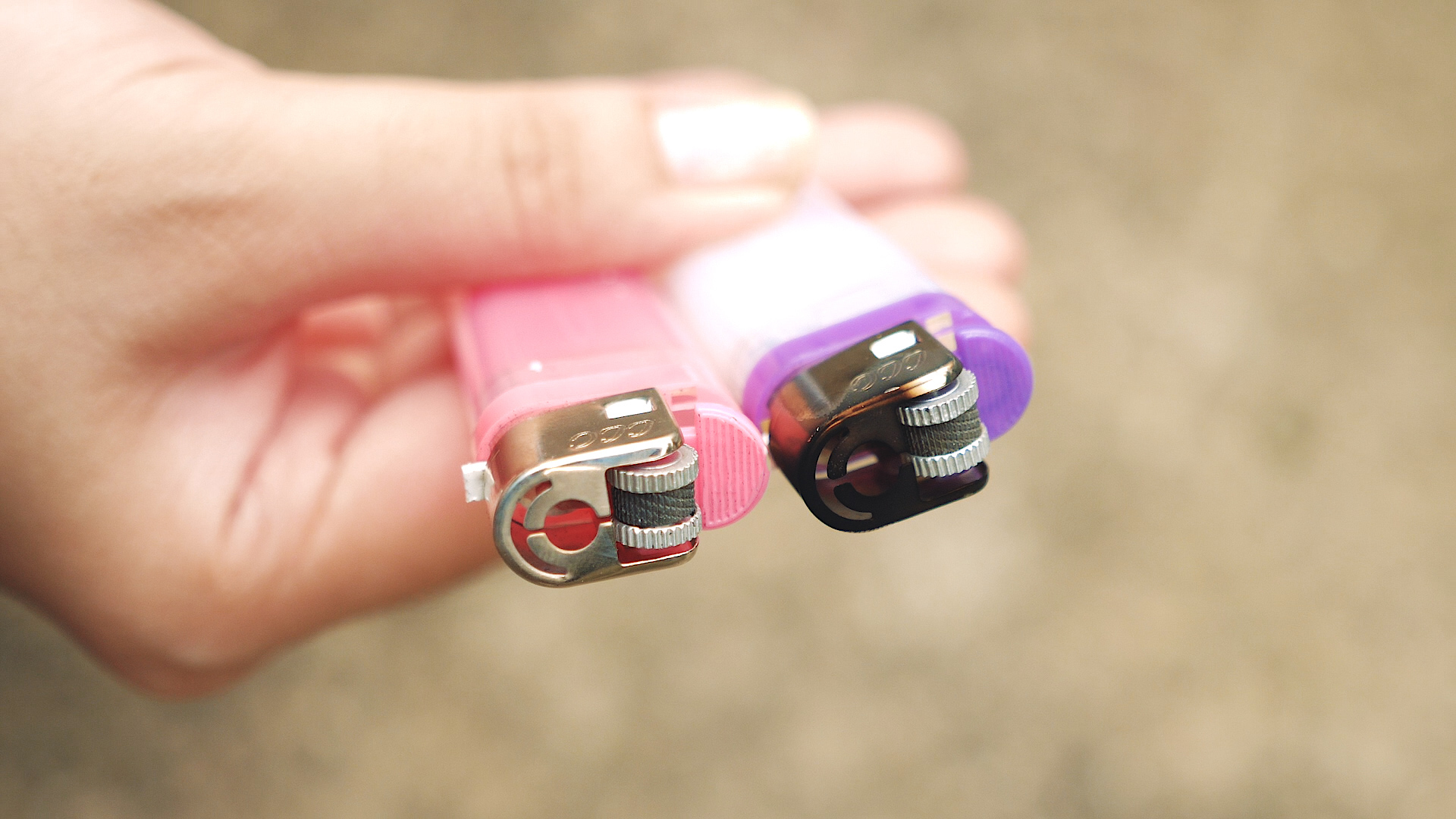
Disposable and refillable lighters are manufactured for controlled ignition. Their flame size, fuel flow, casing, ignition system, and safety features are designed around ordinary use. When someone tries to force a lighter to produce a larger flame, they are pushing the device outside its intended design.
That matters because the lighter’s parts may not handle extra heat or pressure safely. Plastic can soften. Metal components can become extremely hot. Fuel can escape faster than expected. The user may also lose control of the flame direction. In other words, the lighter stops being a tool and starts being a tiny argument with chemistry.
Step 2: Keep Lighters Away From Flammable Materials
If you are using a lighter for normal purposes, keep the area clear. That means no paper piles, loose napkins, dried leaves, gasoline containers, paint thinner, aerosols, alcohol-based sprays, or mystery garage liquids with warning labels that look like they were designed by a skull enthusiast.
Open flames can ignite flammable vapors even when the liquid itself seems far away. This is why safety guidance often emphasizes controlling ignition sources near flammable liquids. A lighter should never be used in a space where vapors, fumes, or combustible materials are present.
Step 3: Never Use a Lighter Near Aerosols or Fuel Vapors
Aerosol cans and flammable vapors are especially dangerous around flames. Many sprays contain propellants or ingredients that can ignite quickly. When flame meets vapor, the fire may flash outward in a way that is difficult to predict or control.
This is one reason “cool flame tricks” online are often more dangerous than they appear. A short video may not show the failed attempts, the burns, the fire extinguisher, or the very awkward conversation with a landlord afterward.
Step 4: Do Not Remove or Bypass Safety Features
Many modern lighters include child-resistant or safety-related design features. Those features exist for a reason. Removing, bending, disabling, or bypassing any part of a lighter can make it easier to activate accidentally or harder to control.
Child-resistant does not mean childproof, and safe design does not mean risk-free. Treat every lighter as a source of fire that deserves attention. Keep lighters stored out of sight and reach of children, preferably in a locked place.
Step 5: Use the Right Tool for the Right Job
If you need to light a candle, grill, fireplace, or camp stove, use a lighter designed for that purpose. Long-reach utility lighters, matches, or manufacturer-approved ignition systems are safer choices than trying to stretch the job of a small pocket lighter.
Using the correct tool reduces the need to tilt your hand, hold a flame too long, or place your fingers close to heat. It also makes the task less dramatic, which is usually good. Fire should not require jazz hands.
Step 6: Set Up a Safer Environment Before Using Any Flame
Before using a lighter normally, check your surroundings. Work on a stable surface. Keep sleeves, hair, and loose fabric away from the flame. Make sure pets and children are not nearby. Keep the lighter away from your face and body.
If you are lighting something outdoors, consider wind. A breeze can push the flame toward your hand or nearby material. If you are indoors, confirm that smoke alarms are working and that you know where a fire extinguisher is located. Safety may not sound thrilling, but neither does explaining burn marks on the kitchen counter.
Step 7: Know What to Do if Something Goes Wrong
If a small item catches fire, stay calm and act quickly. Turn off the ignition source if it is safe to do so. Move away from the flame. Use an appropriate fire extinguisher if you are trained and the fire is small. If the fire spreads, leave immediately and call emergency services.
For minor burns, cool the burn under clean, cool running water. Do not apply butter, oil, toothpaste, or internet folklore. For serious burns, burns on the face or hands, chemical burns, or burns that blister badly, seek medical help.
Step 8: Choose Safe Alternatives for Dramatic Visual Effects
If your real goal is to create a dramatic image or video, you do not need a huge lighter flame. You need a safer visual effect. Try LED flame bulbs, battery-powered faux candles, stage-safe flame lights, digital editing, practical lighting, or supervised professional special effects.
For photography, a warm light behind translucent paper, a flickering LED candle, or a controlled lamp setup can create a fiery mood without open flame. For video, editing software can add flame overlays. For theater or events, use certified stage equipment and trained technicians. The audience wants drama, not a surprise evacuation.
Step 9: Store and Dispose of Lighters Responsibly
Store lighters in a cool, dry place away from direct sunlight, heat sources, and children. Do not leave them in hot vehicles, near stoves, beside heaters, or in places where they may be crushed or punctured.
When a disposable lighter is empty or damaged, follow local disposal guidance. Do not throw damaged lighters into fire. Do not puncture them. If you are unsure what to do, check local waste-disposal rules or ask your municipal waste service.
Common Myths About Huge Lighter Flames
Myth 1: “It’s Just a Small Lighter, So It Can’t Be That Dangerous”
Small does not mean harmless. A lighter contains fuel and produces an open flame. Even a normal flame can ignite nearby materials. A larger, uncontrolled flame increases the risk dramatically.
Myth 2: “If It Works Online, It Must Be Safe”
Online videos are edited for attention, not safety training. They often remove context, failed attempts, injuries, and warnings. A stunt that looks simple may involve hidden risks, unsafe conditions, or pure luck.
Myth 3: “I’ll Only Try It Once”
Fire does not care whether it is your first attempt or your fiftieth. One mistake can be enough to cause burns or start a fire. The safest experiment is the one that does not turn a lighter into a hazard.
What to Do Instead of Making a Huge Flame
If you want a bold visual, use safe substitutes. For social media, create the illusion of a big flame with lighting, camera angles, editing, or props. A warm orange light, a dark background, and a flicker effect can look cinematic without putting your eyebrows on the endangered species list.
If you are writing an article, filming a scene, or building a creative project, describe the flame rather than producing it. Words are cheaper than fire damage. If you absolutely need real flame for a professional production, hire trained fire-safety personnel and follow local regulations.
Practical Fire Safety Tips for Everyday Lighter Use
Use lighters only for their intended purpose. Do not play with them, test them repeatedly, or use them as toys. Keep them away from children, pets, and anyone who may not understand the risk. Do not carry damaged lighters in pockets or bags. Do not expose them to heat or pressure.
At home, make sure smoke alarms work. Keep exits clear. Have a basic fire plan. Store flammable liquids safely and away from open flames. These steps may sound ordinary, but ordinary safety habits prevent extraordinary disasters.
Experience-Based Advice: What People Learn After a Flame Scare
Most people who become cautious around lighters do not get there from reading a warning label. They get there from a moment that happens too fast. Someone flicks a lighter near a napkin, and suddenly the napkin is no longer a napkinit is a tiny emergency with corners. Someone holds a flame too close to a sleeve and discovers that fabric does not politely ask permission before burning. Someone tries to impress friends, and the room goes from laughter to panic in half a second.
The biggest lesson from real-world flame scares is that fire does not negotiate. It does not pause while you find water. It does not wait for you to remember where the extinguisher is. It reacts instantly to fuel, oxygen, and heat. That is why even experienced campers, cooks, mechanics, and stage crews respect small flames. They know that confidence is useful, but overconfidence is basically a coupon for trouble.
Another common lesson is that surroundings matter more than people think. A lighter used on a clean, stable surface is one thing. A lighter used near paper, hair spray, dry grass, curtains, alcohol, or clutter is a completely different situation. The flame may be the same size, but the risk changes because the environment changes. A safe person in an unsafe space is still in danger.
People also learn that “just for a video” is not a safety plan. Cameras can make risky behavior feel staged, controlled, and temporary. But fire does not know it is content. It only knows what it can ignite. A funny clip can become a serious injury before anyone has time to stop recording. The better approach is to create the effect without creating the hazard. Use lighting tricks, editing, props, and controlled visual design. The finished result can look better than a real flame because you can adjust it without smelling smoke.
Parents and caregivers often have a separate experience: discovering that children are fascinated by lighters. That curiosity is normal, but it is also dangerous. A lighter left on a table, in a drawer, or inside a bag can become an invitation. The safest habit is boring but effective: store matches and lighters high, locked, and out of sight. Teach children that if they find a lighter, they should leave it alone and tell an adult.
For adults, the best long-term habit is to treat every lighter as active, even when it seems empty. Do not toss it around. Do not test it near your face. Do not keep it near heat. Do not assume a damaged lighter is harmless. Respecting a small flame does not make you nervous; it makes you smart. And smart people keep their eyebrows, their curtains, and their security deposits intact.
So, if you came here looking for “how to make a lighter shoot a huge flame,” the most useful experience-based answer is this: the impressive move is not making the flame bigger. The impressive move is knowing when not to. Fire safety is not about being afraid of fire. It is about understanding that fire is a tool, not a toyand definitely not a party trick.
Conclusion
The safest answer to how to make a lighter shoot a huge flame is not a secret trick; it is a warning with common sense wearing a bright orange vest. Lighters are made for small, controlled flames. Trying to create a huge flame can cause burns, fires, property damage, and dangerous accidents.
If your goal is creativity, choose safe visual alternatives. If your goal is curiosity, learn the science without creating the hazard. If your goal is attention, remember that nothing ruins a dramatic moment quite like needing a fire extinguisher. Use lighters responsibly, store them safely, and leave big flame effects to trained professionals with proper equipment and safety controls.