High blood sugar can feel like a dashboard warning light: sometimes it signals a small, fixable problem, and sometimes it means you need professional help quickly. Food choices, physical activity, medication, stress, sleep, illness, and even the timing of your meals can affect your glucose level.
The good news is that blood sugar management rarely depends on one heroic act. It usually improves through repeatable habits: balanced meals, regular movement, consistent medication use, sensible monitoring, and timely conversations with your healthcare team. No magical cinnamon volcano or “detox” smoothie is required.
What Does High Blood Sugar Mean?
Blood sugar, also called blood glucose, is the main sugar circulating in your bloodstream. Your body obtains glucose from carbohydrates and can also release stored glucose between meals. Insulin helps move glucose from the blood into cells, where it can be used for energy.
Hyperglycemia develops when the body does not produce enough insulin, cannot use insulin effectively, or temporarily needs more insulin than usual. Common triggers include eating more carbohydrates than expected, missing medication, taking too little insulin, becoming less active, experiencing significant stress, developing an infection, or taking certain medications such as corticosteroids.
Common symptoms of high blood sugar
- Increased thirst or a persistently dry mouth
- Frequent urination, especially at night
- Blurred vision
- Fatigue, weakness, or difficulty concentrating
- Headaches
- Slow-healing cuts or recurring infections
- Unexplained weight loss, particularly with type 1 diabetes
Symptoms do not always match the number on the glucose meter. Some people feel miserable at a moderately high level, while others feel surprisingly normal at a dangerous level. That is why monitoring and a written action plan matter.
How to Lower Blood Sugar Safely
1. Confirm the reading before reacting
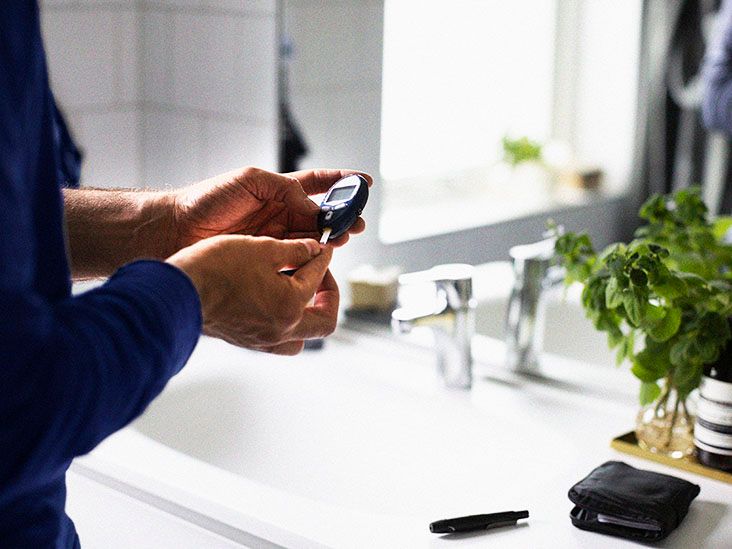
If a glucose result looks unexpectedly high, wash and dry your hands and test again. Sugar from fruit, candy, lotion, or another substance on your fingers can produce a misleading reading. Confirm that your test strips are not expired and that they have been stored properly.
Continuous glucose monitor users should consider a finger-stick confirmation when symptoms do not match the sensor value, the sensor has just been inserted, or the reading is changing rapidly. A single number is information, not a personality test or a final grade.
2. Follow your prescribed correction plan
People who use insulin may have an individualized correction factor or high-glucose action plan. Follow the instructions provided by your diabetes care team. Avoid guessing at extra doses, repeatedly correcting too soon, or borrowing another person’s dosing formula. “Insulin stacking” can cause delayed, dangerous hypoglycemia.
If you repeatedly need correction doses, contact your healthcare professional. Your basal insulin, mealtime dose, carbohydrate ratio, medication schedule, injection technique, or pump settings may need review.
3. Drink water or another sugar-free fluid
High glucose can increase urination and contribute to dehydration. Drinking water supports hydration and helps replace lost fluid. It does not work like an instant glucose eraser, but it is generally a sensible step unless you have been told to restrict fluids because of heart failure, kidney disease, or another medical condition.
Avoid soda, sweet tea, energy drinks, sweetened coffee, lemonade, and ordinary sports drinks when your glucose is already high. Their carbohydrates can push the number higher. Sugar-containing drinks may be appropriate for treating hypoglycemia, but that is a different situation.
4. Use physical activity carefully
Working muscles can use glucose for energy, and physical activity often improves insulin sensitivity. A comfortable walk after a meal may reduce the size or duration of a post-meal glucose rise. Regular aerobic activity and resistance training can also support longer-term glucose management.
However, exercise is not always safe during severe hyperglycemia. If your blood sugar is above 240 mg/dL, follow your care plan for checking blood or urine ketones. Do not exercise when ketones are present. Activity in that situation can make glucose and ketone levels rise further.
People taking insulin or medications that can cause hypoglycemia should check glucose as recommended before, during, and after unfamiliar exercise. Carry fast-acting carbohydrates and know how activity affects you. An enthusiastic workout should not end with you negotiating with a juice box on the living-room floor.
5. Review what you recently ate
Carbohydrates have the most immediate effect on blood glucose, but that does not mean carbohydrates must disappear from your kitchen. The amount, type, timing, and combination of foods all matter.
Look back at the previous meal. Was the portion of rice, pasta, bread, cereal, potatoes, or dessert larger than usual? Did a sauce or drink contain hidden sugar? Was the meal low in vegetables, protein, and fiber? This review is not about blaming yourself. It is about collecting useful data.
Build Meals That Produce Gentler Glucose Changes
Try the diabetes plate method
A simple meal-planning approach is to use a nine-inch plate and divide it into three sections:
- Fill half with non-starchy vegetables such as broccoli, leafy greens, peppers, zucchini, cauliflower, mushrooms, or green beans.
- Fill one-quarter with lean protein such as fish, chicken, turkey, eggs, tofu, beans, or lean meat.
- Fill one-quarter with a quality carbohydrate such as brown rice, quinoa, whole-grain pasta, corn, beans, fruit, or a small potato.
This structure naturally limits oversized carbohydrate portions while adding fiber and protein. It is easier than performing long division over dinner and far more pleasant than treating every grain of rice as a suspect.
Choose higher-fiber carbohydrates
Fiber slows digestion and can help produce a more gradual rise in glucose. Useful choices include beans, lentils, vegetables, berries, pears, apples, oats, barley, quinoa, and minimally processed whole grains.
Increase fiber gradually and drink enough fluid. A sudden leap from a low-fiber diet to a mountain of beans may improve your nutrition while making your digestive system file a formal complaint.
Pair carbohydrates with protein or healthy fat
A carbohydrate eaten alone may raise glucose faster than the same food eaten with protein, fiber, or healthy fat. For example, pair an apple with peanut butter, whole-grain crackers with tuna, or plain yogurt with berries and nuts.
This does not make carbohydrate portions unlimited. Pairing foods can slow digestion, but it cannot persuade an enormous bowl of sweetened cereal that it is secretly a salad.
Reduce liquid sugar
Sugary beverages are rapidly absorbed and easy to consume in large quantities. Replacing them with water, sparkling water, unsweetened tea, or coffee without added sugar can meaningfully reduce carbohydrate intake.
Fruit juice deserves special attention. Although it can contain vitamins, it lacks much of the fiber found in whole fruit and can raise glucose quickly. A small serving may fit an individualized meal plan, but whole fruit is usually easier to portion and more filling.
Keep meal timing reasonably consistent
Skipping meals and then eating a very large dinner can create dramatic glucose swings. Consistent timing may be particularly important for people using insulin or medications that increase insulin production.
Your ideal schedule depends on your treatment, work, sleep, culture, and appetite. The goal is not to eat according to a military trumpet. It is to create a pattern your body and medication plan can handle predictably.
Improve Blood Sugar Over the Long Term
Move throughout the day
A scheduled workout is helpful, but it does not cancel every hour spent sitting. Break up long periods of inactivity with brief walks, household tasks, stretching, or standing activities. A ten- or fifteen-minute walk after meals can be a practical starting point.
Adults should work toward an activity plan that combines aerobic exercise, strength training, flexibility, and balance when medically appropriate. Start gradually if you have been inactive. People with neuropathy, foot ulcers, vision complications, heart disease, or other medical concerns should ask for specific exercise guidance.
Work toward a sustainable weight
For some people with insulin resistance or type 2 diabetes, modest weight loss can improve insulin sensitivity and glucose control. The most useful plan is one that protects nutrition, preserves muscle, and can be maintained without turning every meal into a moral crisis.
Weight management may involve nutrition counseling, behavioral support, medication, or metabolic surgery depending on individual needs. It is a medical issue, not a willpower competition.
Take medication consistently
Diabetes medications lower glucose through different mechanisms. Some improve insulin sensitivity, some stimulate insulin release, some reduce glucose production by the liver, some slow digestion, and others help the kidneys remove glucose.
Take each medication at the prescribed dose and time. Use a pill organizer, phone reminder, medication app, or written checklist if needed. Contact your healthcare team if cost, side effects, nausea, injection concerns, or schedule problems make adherence difficult. Quietly skipping doses may feel easier today but creates a louder problem tomorrow.
Protect your sleep
Poor sleep can affect appetite, stress hormones, insulin sensitivity, and the motivation to exercise or prepare balanced meals. Maintain a regular sleep schedule, limit late-night caffeine, reduce bright-screen exposure before bed, and keep the bedroom cool and dark.
Discuss loud snoring, gasping during sleep, morning headaches, or severe daytime sleepiness with a healthcare professional. Sleep apnea is common, treatable, and associated with metabolic problems.
Manage stress without expecting perfection
Stress hormones can raise blood glucose, while stress itself may lead to missed medication, emotional eating, or reduced activity. Useful strategies include slow breathing, meditation, prayer, music, counseling, social support, time outdoors, or a short walk.
Stress management does not require becoming a person who smiles peacefully while answering forty-seven emails. Even five deliberate minutes can interrupt an unhealthy pattern.
Track patterns instead of isolated numbers
Record glucose readings along with meal timing, carbohydrate amounts, activity, medication, sleep, illness, and stress. Patterns are more useful than random numbers. You might discover that one breakfast repeatedly causes a spike, a short walk consistently helps, or poor sleep predicts higher morning glucose.
An A1C test reflects average glucose over roughly three months, while a meter or CGM shows daily fluctuations. Both views are valuable. Your healthcare team can help establish individualized goals based on your age, diabetes type, pregnancy status, medications, health conditions, and risk of hypoglycemia.
What Not to Do When Blood Sugar Is High
- Do not take extra medication without a plan. Improvised dosing can cause delayed hypoglycemia.
- Do not exercise when ketones are present. This may worsen hyperglycemia and ketoacidosis.
- Do not stop basal insulin because you are not eating. People with type 1 diabetes generally continue needing background insulin during illness.
- Do not rely on supplements marketed as diabetes cures. Products may be ineffective, interact with medication, or contain undeclared ingredients.
- Do not ignore repeated high readings. Persistent hyperglycemia may indicate illness, medication problems, pump failure, or a treatment plan that needs adjustment.
- Do not punish yourself by starving. Extreme restriction can cause unstable glucose, nutritional deficiencies, overeating later, and medication-related hypoglycemia.
When High Blood Sugar May Be an Emergency
Follow your personal sick-day and emergency plan. Seek urgent medical help when high blood sugar occurs with any of the following:
- Moderate or high ketones
- Repeated vomiting or inability to keep fluids down
- Abdominal pain
- Rapid, deep, or difficult breathing
- Fruity-smelling breath
- Severe weakness, unusual drowsiness, or confusion
- Signs of severe dehydration
- A persistently very high glucose level despite following your correction plan
These may be signs of diabetic ketoacidosis or a hyperosmolar hyperglycemic emergency. Both require professional treatment. Call 911 in the United States when someone is confused, unconscious, having difficulty breathing, or otherwise appears critically ill.
Frequently Asked Questions About Lowering Blood Sugar
How quickly can blood sugar come down?
The answer depends on the cause, diabetes type, current level, hydration, medication, insulin sensitivity, recent food, and physical activity. Rapid-acting insulin may begin working relatively quickly, but its total effect continues for several hours. Walking may lower glucose during or after activity, while meal and lifestyle changes influence both immediate and long-term patterns.
Trying to force a rapid drop can be dangerous. A controlled reduction following your prescribed plan is safer than repeatedly adding insulin or exercising aggressively.
What food lowers blood sugar immediately?
No ordinary food reliably lowers an already high glucose level immediately. Foods rich in fiber, protein, and healthy fat may produce smaller rises than refined carbohydrates, but they are not emergency treatments. Water, monitoring, prescribed medication, and an individualized action plan are more relevant when glucose is already elevated.
Does drinking water lower blood sugar?
Water helps prevent or correct dehydration caused by frequent urination. It may support the body’s normal removal of excess glucose, but it is not a substitute for insulin or other prescribed treatment. People with fluid restrictions should follow their clinician’s instructions.
Can walking lower blood sugar?
Yes, light or moderate walking often lowers glucose because active muscles use glucose and become more sensitive to insulin. The response varies, and some intense exercise can temporarily raise glucose because stress hormones prompt the liver to release stored energy.
Do not exercise when glucose is very high and ketones are present. People at risk for hypoglycemia should carry a glucose source and follow monitoring instructions.
Does lemon water lower blood sugar?
Lemon water without added sugar is a low-carbohydrate beverage and may be a useful replacement for soda or sweet tea. However, it does not function as a diabetes medication or reliably correct hyperglycemia.
Can cinnamon or apple cider vinegar replace diabetes medication?
No. Research on cinnamon, vinegar, and other supplements has produced mixed results, and products vary in dose and purity. Supplements can interact with medication or affect the liver, kidneys, digestion, and risk of hypoglycemia. Discuss them with a healthcare professional rather than using them as a substitute for proven treatment.
Why is my morning blood sugar high?
Possible causes include the dawn phenomenon, insufficient overnight medication, a high-carbohydrate evening meal, late-night snacking, stress, poor sleep, illness, or rebound after an overnight low. Checking glucose at bedtime, during the night when advised, and upon waking can help identify the pattern.
Do not automatically increase nighttime insulin based on one morning reading. An incorrect adjustment could cause dangerous overnight hypoglycemia.
Can stress raise blood sugar even when I eat well?
Yes. Stress hormones can prompt the liver to release glucose and can make insulin less effective. Emotional stress, pain, infection, surgery, poor sleep, and intense exercise may all contribute. Persistent unexplained highs deserve medical review.
Should I avoid all carbohydrates?
Not necessarily. Carbohydrate needs vary, and nutritious carbohydrate foods can provide fiber, vitamins, minerals, and energy. Focus on portion size, food quality, meal balance, and your personal glucose response. A registered dietitian nutritionist or diabetes care and education specialist can help design an appropriate plan.
When should I call my doctor about high blood sugar?
Contact your healthcare team when readings remain above your agreed range, corrections are not working, you develop an illness, ketones appear, medication causes side effects, or your usual glucose pattern changes. Seek emergency help for severe symptoms rather than waiting for an office callback.
Conclusion
Learning how to lower blood sugar is less about finding one miracle trick and more about creating a reliable system. Confirm unexpected readings, follow your prescribed medication plan, stay hydrated, use physical activity safely, choose balanced meals, and track patterns that you can discuss with your healthcare team.
Most importantly, know the boundary between routine self-management and an emergency. High glucose accompanied by ketones, vomiting, confusion, breathing problems, or severe dehydration needs urgent medical attention. Good diabetes care is not about achieving perfect numbers every hour. It is about making informed decisions, reducing risk, and improving the trend over time.
Practical Experiences: What Blood Sugar Management Often Teaches People
The following observations reflect common, real-world experiences reported in diabetes education and care. They are illustrative rather than personal medical stories, and individual responses can differ substantially.
The first lesson: the “healthy” meal can still be carbohydrate-heavy
Many people begin by removing obvious sweets but remain puzzled by high post-meal readings. Their breakfast may contain oatmeal, a banana, honey, dried fruit, and a large glass of orange juice. Every item has a wholesome reputation, yet together they create a sizable carbohydrate load.
A more effective experiment is to change one variable at a time: reduce the oatmeal portion, replace juice with water, remove honey, or add eggs and nuts. Testing before and after similar meals can reveal which adjustment matters. The lesson is not that oatmeal or bananas are forbidden. It is that nutritious foods still have portions.
The second lesson: a short walk can be easier than a perfect diet
People often imagine that lowering blood sugar requires an hour at the gym, expensive equipment, and the motivational energy of a sports commercial. In practice, a ten-minute walk after lunch or dinner may be easier to repeat.
One common pattern is that the person who struggles to exercise “regularly” succeeds when movement is attached to an existing habit. Dinner ends, the dishes go into the sink, shoes go on, and a walk begins. There is less debate and fewer opportunities for the couch to present its closing argument.
The third lesson: recording context is more valuable than collecting numbers
A notebook containing fifty glucose readings without times, meals, or medication details is difficult to interpret. A smaller record that says “7:30 a.m., before breakfast, poor sleep, missed evening medication” provides far more insight.
People frequently discover patterns only after adding context. Weekend breakfast may occur later. Restaurant meals may contain more carbohydrates than expected. A stressful meeting may consistently precede a high reading. These discoveries transform monitoring from judgment into problem-solving.
The fourth lesson: aggressive correction creates a glucose roller coaster
Seeing a high number can trigger panic. A person may take extra insulin, check again twenty minutes later, see little change, and take more. The original dose has not finished working, so the combined insulin later produces a low. The low is treated with too much food, causing another high.
An individualized correction plan helps prevent this cycle. It establishes how much insulin to use, when to recheck, and when to call for help. Patience is not passive in diabetes management; sometimes it is a safety skill.
The fifth lesson: sustainable changes are usually boringand effective
Blood sugar often improves through routines that would make a terrible reality television show: taking medication on time, buying vegetables, preparing lunch, walking after dinner, sleeping consistently, and attending follow-up appointments.
These habits lack the excitement of a seven-day cleanse, but they are measurable and repeatable. A person might begin with one soda replacement, one balanced breakfast, or three post-meal walks per week. Once that habit becomes ordinary, another can be added.
The final lesson: numbers are feedback, not a character review
A high reading can produce guilt, especially when someone believes they “should have done better.” But glucose is influenced by many factors, including hormones, infection, stress, medication timing, sleep, digestion, and equipment problems. The productive questions are: What may have contributed? Is this an isolated event or a pattern? What does my action plan say? Do I need professional help?
Successful management does not mean never seeing a high number. It means knowing how to respond safely, learning from recurring patterns, and asking for help before a manageable problem becomes an emergency.