Propane heaters are fantastic at turning “why is my nose so cold?” into “I can feel my fingers again.”
They’re also little boxes of combustion, which means they deserve your respect, your attention,
and about a thousand percent less improvisation than your average DIY project.
This guide is written to be practical, safe, and real-world. It’s also written with one big rule:
your heater’s owner’s manual is the final boss. Different models light differently
(pilot ignition, push-button igniter, electronic ignition, thermostatic valve, etc.), and the safest
“how to light it” is the one the manufacturer designed for your exact unit.
What you’ll get here are 15 safety-first steps that walk you through preparation,
setup, leak-checking, and the safest way to proceed to the actual lighting procedure as described
by your manual. You’ll also get troubleshooting and “stop-now” red flags, because the most heroic
thing you can do around propane is shut it down when something feels off.
Quick Safety Note (Because Propane Doesn’t Do “Oops”)
Propane heaters can create fire hazards and can also create carbon monoxide (CO) if used improperly or
in poorly ventilated spaces. CO is odorless and dangerous, so treat ventilation and CO alarms as
non-negotiable safety gearnot optional accessories.
Before You Start: Identify Your Heater Type
“Propane heater” is a whole family reunion:
- Portable radiant/cabinet heaters (often used in garages, shops, or outdoor work areas)
- Portable “Buddy”-style heaters (compact radiant heaters that use 1 lb cylinders or a hose)
- Tank-top heaters (mount on top of a propane cylinder, common on job sites/outdoors)
- Patio heaters (tall mushroom-style outdoor heaters)
- Wall furnaces or vented heaters (installed appliancesusually a pro territory)
The lighting method depends on which one you have. So step one is always: find the rating plate,
brand/model number, and the manual (paper, PDF, or on the manufacturer site).
How to Light a Propane Heater: 15 Safety-First Steps
The steps below are designed to get you safely from “cold” to “ready to follow the manual’s lighting
procedure.” Don’t skip the boring partspropane rewards patience.
-
Read the manual and locate the shutoff points
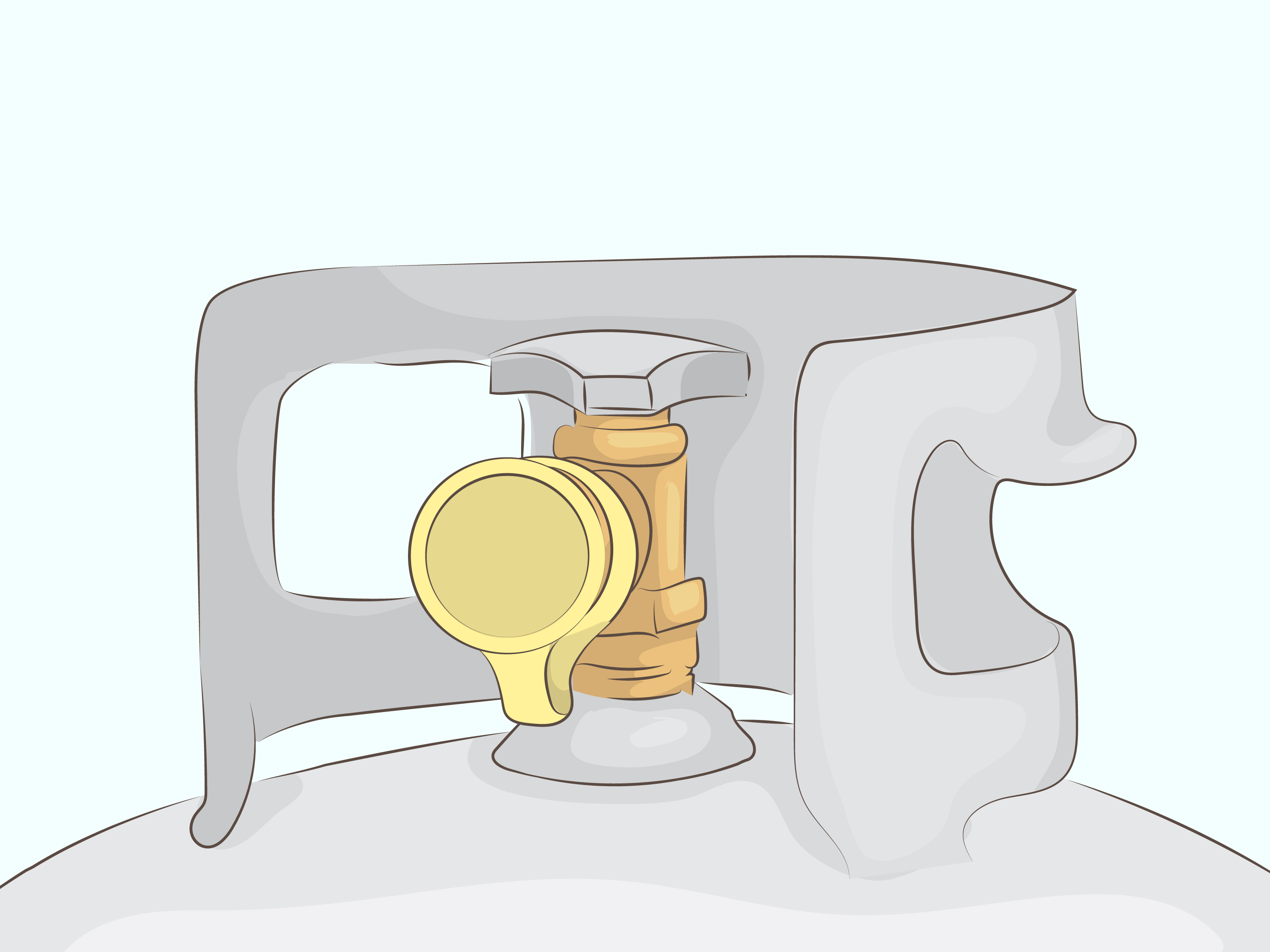
Confirm where the cylinder valve is (main fuel shutoff), where the heater control
is (OFF/LOW/HIGH/THERMOSTAT), and if your unit has a regulator or special connector.
If you can’t find a manual, pause and search by brand + model number. -
Use the heater only in approved locations
Many propane heaters are designed for outdoor or well-ventilated use, and some are not safe
for indoor living spaces. Never assume “small” means “safe inside.” CO risk rises in enclosed or poorly
ventilated areas. -
Set a “no-flammables” zone
Clear the area around the heater: paper, cardboard, curtains, clothing, furniture, gasoline cans,
aerosol sprays, paint thinneranything that can burn or explode. A common safety rule for portable heaters
is at least 3 feet of clearance from combustibles. -
Place the heater on a stable, level surface
A wobbly heater is a drama queen waiting for a spotlight. Use a flat, stable surface where it won’t get bumped
(especially if kids, pets, or clumsy adults are in the area). -
Check that the heater controls are OFF before connecting fuel
This is a big one: ensure the heater is not calling for gas before you open the cylinder valve. Safety guidance
for LP systems emphasizes verifying appliance valves are closed before opening the container valve. -
Inspect the heater body and burner area
Look for visible damage, missing parts, cracked housings, or signs of soot or scorching that might indicate
past problems. If anything looks “melt-y,” stop and get it serviced or replaced. -
Inspect the hose, regulator, and fittings (if your model uses them)
Look for cracks, stiffness, cuts, or abrasion. If the hose looks dry-rotted or damaged, replace it with the correct
manufacturer-approved part. Many heater manuals explicitly warn against using non-approved parts. -
Confirm the propane cylinder is the right size and is upright
Use the fuel cylinder type your heater is designed for (1 lb disposable cylinder, 20 lb grill tank, etc.).
Keep cylinders upright during use so the system draws vapor, not liquid. -
Connect the cylinder (or hose) correctlyno “creative tightening”
Thread connections carefully to avoid cross-threading. Tighten as directed by the manual (often hand-tight plus
a specified amount, depending on fitting type). If the connection feels wrong, back it off and start over. -
Leak test with soapy water (never with a flame)
Apply a soapy-water solution to connections (cylinder valve area, regulator, hose ends). Look for bubbles.
Never use a match, lighter, or any open flame to check for leaks. This warning appears in safety
standards and product manuals. -
Do a quick “sniff check” and listen for hissing
Propane is odorized for leak detection, so a strong gas smell is a serious warning sign. Some manuals also recommend
a periodic sniff check around joints and connections. If you smell gas, shut off the cylinder valve immediately,
ventilate the area, and do not attempt ignition. -
Open the cylinder valve slowly
Open the propane cylinder valve gradually to reduce stress on the regulator and fittings. If you hear unusual
hissing or detect odor, close it and re-check connections and leak testing. -
Confirm ventilation and safety alarms
If the heater is approved for indoor use, ensure adequate ventilation as required and verify that carbon monoxide
alarms are working. Never operate unvented fuel-burning appliances in sleeping areas. -
Proceed with the manufacturer’s lighting procedure (exactly as written)
Nowand only nowfollow your heater’s specific lighting instructions from the manual. This is where models vary:
some use a built-in igniter, some use a pilot system, and installed units may have different safety interlocks.
Keep your face and hands away from the burner area while initiating ignition. -
Monitor the first few minutes and learn the “normal” signs
Stay with the heater during startup. Look for stable operation, no unusual odors, and no signs of overheating.
If anything seems off (persistent gas smell, soot buildup, repeated shutdowns, headache/dizziness), shut it down and
troubleshoot safely or call a qualified service technician.
What to Do If It Won’t Light (Without Turning It Into a Science Experiment)
A heater that won’t light is not an invitation to “try harder.” It’s a clue.
Safe checks you can do
- Re-check the OFF position before resetting anythingthen follow the manual’s reset sequence, if it has one.
- Confirm fuel: the cylinder may be empty or the valve may not be fully open.
- Confirm fittings: a loose connection can reduce fuel flow (and is a leak risk).
- Look for obvious blockage: dust, debris, or spider webs can interfere with combustion air on some units.
- Let it air out if you smell gas: shut off the cylinder, ventilate, and wait before attempting again.
Red flags: stop and get help
- Strong propane odor that persists after shutoff
- Visible damage to the heater, regulator, or hose
- Soot, heavy discoloration, or scorching around the burner area
- Symptoms of CO exposure (headache, nausea, dizziness) in anyone nearby
Shutting Down Safely (Don’t Skip the Finale)
When you’re done heating:
- Turn the heater control to OFF.
- Close the propane cylinder valve when equipment is not in use (a common LP safety practice).
- Let the unit cool completely before moving or storing it.
- Store cylinders as recommendedmany portable-heater manuals warn against storing cylinders in enclosed areas.
Common Questions People Google at 2 A.M.
Can I use a propane heater in a tent, RV, or small room?
Only if the heater is specifically approved for that environment and you can meet ventilation requirements.
CO risk increases in small, enclosed, or poorly ventilated spaces, and safety agencies have documented CO hazards
with portable propane radiant heaters in enclosed areas.
How do I check for propane leaks?
Use a soapy-water solution on connections and look for bubbles. Do not use a flamethis is explicitly warned against in
safety standards and manuals.
What’s the safest “rule of thumb” for heater placement?
Stable surface, good airflow, and keep it well away from anything flammable (often at least 3 feet). Don’t run it unattended
or while sleeping, and follow the manufacturer’s clearance requirements.
Extra: Real-Life Experiences (and the Lessons They Teach)
I’ve learned that propane heaters don’t really have “personalities,” but the people using them absolutely do.
There’s the Optimist (“It’ll be fine”), the Over-Tightener (“If I can’t move my wrist afterward, it’s secure”), and the
Classic Multitasker (“I’ll just light it while carrying three things and answering a text”). If you see yourself in any of
these characters, congratsyou’re human. Also: please read this section twice.
One of the most useful habits I ever picked up was treating a propane heater startup like a mini pre-flight checklist.
Not because I’m dramatic (okay, maybe a little), but because the same tiny mistakes show up again and again:
setting the heater too close to a folding chair, running it near a cluttered workbench, or assuming “it’s outdoors-ish”
means ventilation is fine. The funny part is that most of the time, nothing bad happensso people conclude their method
is “safe.” That’s the trap. Safety isn’t measured by one lucky night; it’s measured by whether your routine prevents the
bad night from happening at all.
The first time I watched someone do a proper leak test with soapy water, it looked almost sillylike giving a bubble bath
to a hose connection. Then we saw a tiny string of bubbles forming at a fitting that “seemed tight.” No dramatic hiss.
No obvious odor. Just a steady little “I am absolutely leaking” bubble chain. That moment permanently cured me of the
“good enough” mindset. Leak tests aren’t about paranoia; they’re about catching the quiet problems before they become loud ones.
Another lesson: people underestimate how quickly spaces change. A garage that’s “wide open” at 4 p.m. can become a mostly
closed box at 9 p.m. when the wind kicks up and someone shuts the door “just a bit.” A workshop that felt airy becomes a
low-ventilation zone once drop cloths go up for painting. Even outdoors, a heater placed near a wall, tarp, or windbreak can
create weird airflow patterns. That’s why CO guidance keeps repeating the theme of ventilation and avoiding enclosed/sleeping
areas with unvented fuel-burning appliances.
And then there’s the “cold brain” problem. When you’re freezing, you make faster, worse decisions. You’re more likely to
set the heater closer, ignore the manual, or skip steps. I’ve seen people put a heater near a pile of cardboard because
“it’s only for a minute.” The heater doesn’t care about your timeline. Heat plus combustibles equals risk, whether it’s
one minute or one hour. So the best trick I know is to prep the space before you’re desperate:
clear the area, place the heater safely, confirm alarms, and keep a simple checklist in your head:
“OFF before valve, connect carefully, leak test, ventilate, follow manual.”
Finally: the best propane-heater users I know have one superpowerthey’re not afraid to stop.
If it won’t light, they don’t keep forcing it. If they smell gas, they shut down and ventilate. If they notice soot or
discoloration, they treat it like a warning, not a trivia fact. That’s not being cautious; that’s being competent.
Propane rewards the people who respect it, and it punishes the people who treat it like a casual hobby.
Conclusion
Lighting a propane heater safely is less about “the perfect trick” and more about a consistent routine:
confirm the right environment, clear combustibles, inspect parts, connect properly, leak test with soapy water,
ventilate, and then follow the manufacturer’s exact lighting procedure. If anything feels wrong,
shut it down and get help. Warm is wonderful. Safe is mandatory.