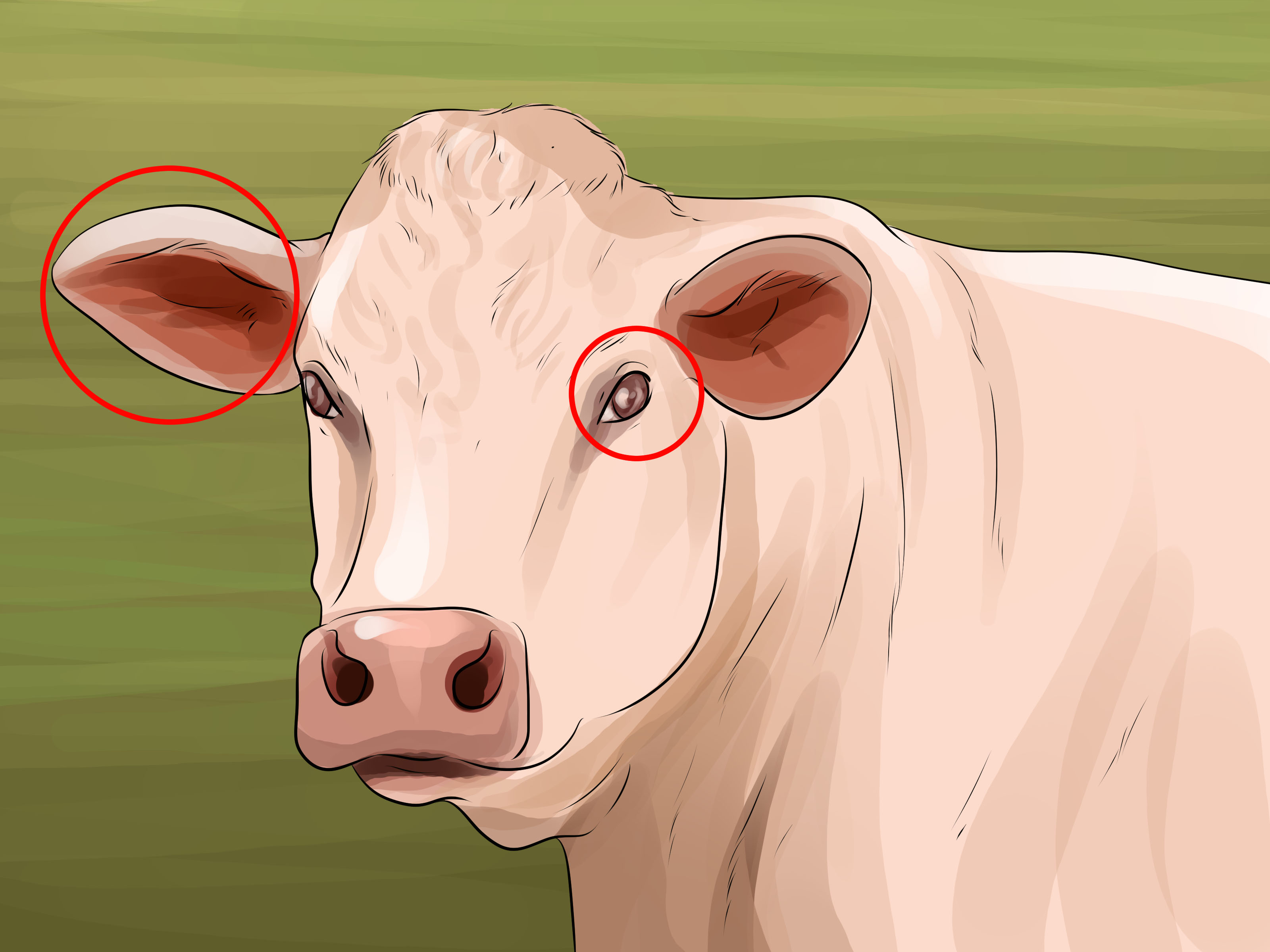
If you have ever stood by a pasture fence and thought, “That is definitely a Charolais… probably… maybe… unless that cow is just cosplaying,” you are not alone. Charolais cattle are one of the easier beef breeds to recognize once you know what to look for, but beginners often confuse them with other light-colored cattle, especially crossbreds, Chianina-influenced cattle, or Brahman-type animals. The good news is that breed identification gets much easier when you stop relying on one clue and start using a full checklist.
This guide breaks the process into nine practical steps. Instead of staring dramatically into the horizon and hoping your ranch instincts magically appear, you will learn how to use coat color, body shape, horn status, muscling, head structure, and comparison points to identify Charolais cattle with much more confidence. Whether you are a student, a new cattle producer, a livestock blogger, or just someone who likes knowing which cow is which, this step-by-step approach will help you make smarter calls in the field.
Why Charolais Cattle Stand Out
Charolais cattle are known for their light coat, strong muscling, fast growth, and larger frame. They originated in France, but they became especially important in American beef production because of their ability to add size, muscle, and lean growth in crossbreeding programs. In plain English, Charolais cattle tend to look like they were built by someone who loved beef production and had no patience for tiny cattle.
That said, no single trait tells the whole story. A white coat alone does not automatically mean Charolais. Some crossbred cattle are very light colored. Some white cattle have a hump, some have black points, and some simply have enough Charolais influence to make identification tricky. That is why a step-by-step method works better than breed guessing by vibes alone.
How to Identify Charolais Cattle: 9 Steps
Step 1: Start With the Coat Color
The first and most obvious clue is color. Purebred Charolais are typically white to creamy white. Some animals look bright white, while others have a soft butter-cream shade, especially around the neck, topline, or shoulders. This pale appearance is one of the breed’s signature features and often catches your eye from a distance.
Still, do not stop here. Color is your opening clue, not your final answer. Crossbred cattle with Charolais influence may appear smoky gray, off-white, or light cream rather than clean white. If you identify a Charolais only because it is pale, you are basically judging the whole book by the dust jacket.
Step 2: Check the Muzzle, Hooves, and Pigmentation
Once you move closer, look at the finer details. Charolais commonly have a pink muzzle and pale hooves. Their pigmentation is generally lighter than that of breeds like Chianina, which usually show darker points such as black around the muzzle, eyes, tongue, or tail switch.
This step matters because beginners often lump all white cattle together. A Charolais usually looks light all over, not white with dramatic black trim. If the animal has a distinctly black nose, strong dark eye pigmentation, and very dark switch, you may be looking at something other than a classic Charolais.
Step 3: Look for a Medium-to-Large, Growthy Frame
Charolais are generally medium to large framed, and many are clearly on the larger side. They tend to have length of body, substance of bone, and an overall powerful build. From the side, a Charolais often looks long-bodied and roomy rather than compact or refined.
Frame alone is not enough to identify breed, but it helps confirm your guess. If the animal is pale in color and also shows noticeable size, length, and scale, Charolais becomes more likely. If it looks tiny, narrow, or overly refined, you should probably keep investigating.
Step 4: Study the Muscling
Muscling is one of the best clues in the whole process. Charolais cattle are known for being heavily muscled. Look for thickness through the shoulder, topline, loin, and especially the hindquarter. The rear leg and rump area should look powerful rather than flat or delicate.
A Charolais often carries muscle in a practical, beefy way. You are not looking for cartoon exaggeration. You are looking for an animal that appears built for growth and carcass yield. If the body shape feels broad, thick, and substantial, that supports a Charolais identification. If the animal looks angular and dairy-like, your Charolais radar should start blinking.
Step 5: Examine the Head and Face
Charolais cattle usually have a short, broad head. Their face tends to look clean, strong, and straightforward, without the extra-long leggy appearance you might notice in Chianina. The overall look is practical and substantial rather than elegant and stretched out.
Head shape is especially helpful when two animals share a similar body color. A Charolais head usually matches the rest of the animal’s sturdy build. Think less “supermodel runway” and more “serious beef business.”
Step 6: Do Not Let Horns Fool You
Charolais can be horned or polled. That means the presence of horns does not rule them in, and the absence of horns does not rule them out. Some people assume all Charolais have horns because the breed was historically horned, while others assume every modern Charolais should be naturally polled. Both assumptions can lead you straight into a ditch.
Use horn status as a supporting trait, not a deciding trait. If you see a white, heavily muscled, large-framed animal with a pink muzzle and pale hooves, horns may fit the picture. If the same animal is polled, that can still fit the picture just fine.
Step 7: Notice the Breed’s Lean, Late-Maturing Look
Charolais are often described as later maturing and leaner in type than some British breeds. In practical terms, they may look growthy and muscular without carrying the same early-fleshing appearance you might expect from cattle bred more strongly for marbling or moderate size.
This is subtle but useful. A Charolais often gives the impression of performance, muscle, and growth potential first. If you are looking at an animal that appears pale, big-scaled, muscular, and still somewhat trim in condition, that is another point in the Charolais column.
Step 8: Compare It With Common Look-Alikes
This step saves a lot of embarrassment. The most useful breed identification skill is not just knowing what Charolais look like, but knowing what they do not look like.
Charolais vs. Brahman: Brahman cattle usually have a prominent hump over the shoulder, loose skin, more pendulous ears, and a very different silhouette. A white Brahman may be pale, but it does not carry itself like a Charolais.
Charolais vs. Chianina: Chianina are also light colored, but they typically show black skin pigmentation around the nose, eyes, tongue, and switch. They also tend to look taller and longer-legged, with a more stretched outline.
Charolais vs. Charolais Crosses: Crossbreds can be the trickiest. A Charolais-cross calf may still show the breed’s light color, growth, and muscling, but the details can shift. Gray color in a Charolais-Angus cross, for example, is a classic clue that you are looking at influence rather than a straight, typical white Charolais appearance.
Step 9: Use Context Clues From the Operation
Sometimes the smartest identification tool is not on the animal at all. It is in the context. If the herd owner uses Charolais as terminal sires, sells growth-oriented feeder calves, or keeps records tied to Charolais genetics, that context matters. Breed identification gets more accurate when you combine visual clues with management clues.
If you are at a sale, in a judging class, or visiting a commercial beef operation, ask what breeds are commonly used. A white, muscular calf in a herd known for Charolais-influenced terminal crosses is much less mysterious than one random pale cow in a mixed pasture full of surprises.
Common Mistakes People Make When Identifying Charolais
The biggest mistake is relying on only one trait. White coat? Must be Charolais. Horns? Must be Charolais. Big animal? Definitely Charolais. Not so fast. Breed identification works best when several traits line up at the same time.
Another common mistake is ignoring skin pigmentation. This is one of the quickest ways to separate Charolais from some other pale cattle. A third mistake is forgetting that modern beef cattle are often crossbred. In commercial settings, many animals will carry Charolais influence without fitting the neat little textbook picture of a purebred animal standing in perfect profile and apparently aware that it is being judged.
A Simple Charolais Identification Checklist
When in doubt, run through this quick field checklist:
- Is the coat white to cream rather than red, black, or spotted?
- Does the animal have a pink muzzle and pale hooves?
- Is it medium to large framed, long-bodied, and substantial?
- Does it show strong muscling through the loin and hindquarter?
- Does the head appear short and broad?
- Could it be either horned or polled without breaking the pattern?
- Does it look growthy and somewhat later maturing?
- Does it lack a Brahman hump and the black points common in Chianina?
- Does the herd context make Charolais genetics likely?
If most of those answers are yes, you are probably looking at Charolais or a strong Charolais-influenced animal.
Real-World Example
Imagine you are looking at three pale cattle in a pen. The first is white, thick-bodied, broad-headed, and polled, with pale hooves and a pink nose. The second is white but has a hump, droopy ears, and loose skin. The third is tall, long-legged, white to gray, and has obvious black pigmentation around the nose and eyes.
The first animal fits Charolais best. The second is more likely Brahman-influenced. The third sounds more like Chianina. Same general color family, very different breed story. This is why cattle identification is less about one magic feature and more about putting the whole picture together like a livestock detective with better boots.
Experience Notes: What People Usually Learn After Seeing Charolais in Person
One of the most common experiences beginners report is that Charolais cattle look “whiter” and “bigger” in real life than they expected from photos. Pictures flatten everything. In person, the combination of light color, body length, and muscle expression is much more obvious. A good Charolais often stands out in a group before you even realize why. Your eye catches the scale and shape first, then the details start confirming it.
Another frequent experience is confusion caused by crossbred calves. People often expect every Charolais-influenced animal to look bright white, and then they meet a smoky gray calf or a cream-colored feeder with just enough Angus, Hereford, or Brahman influence to complicate the picture. That is usually the moment when breed identification becomes real instead of theoretical. You stop asking, “What color is it?” and start asking, “What combination of traits am I seeing?” That is a big upgrade in skill.
At sales, shows, or judging practices, many learners also discover how much head shape and skin pigmentation matter. From far away, a Chianina and a Charolais can both seem light colored. Up close, the black points on the Chianina and the broader, cleaner Charolais look become much easier to separate. The same thing happens with white Brahman-type cattle. At a glance, the coat can fool you. A few seconds later, the hump, ears, and loose hide give the whole game away.
People working around commercial herds often describe another useful experience: once they learn which operations use Charolais bulls, they start seeing the pattern everywhere. The calves tend to look growthy, muscular, and performance-oriented. That management context makes visual identification easier, especially when the animals are not purebred enough to match every textbook description perfectly.
There is also a practical lesson that comes from repeated observation over time. Charolais cattle are not all identical. Some are cleaner fronted, some carry more bone, some are more moderate, and some show stronger continental style. New observers sometimes feel frustrated because the breed does not come in one exact cookie-cutter form. That frustration is normal. Experienced cattle people do not look for perfection; they look for the overall pattern. Coat, pigmentation, frame, muscle, head, and context all work together.
Perhaps the best real-world takeaway is this: confidence in cattle identification usually grows after you compare several breeds side by side. A single Charolais in a pasture can leave you guessing. A Charolais next to an Angus, Brahman, Hereford, and Chianina can teach you more in five minutes than a stack of breed charts ever will. Once your eye learns the pattern, Charolais cattle become much easier to spot, and your guesses become less like gambling and more like informed observation.
Conclusion
Identifying Charolais cattle is not hard once you know what signs to stack together. Start with the white-to-cream coat, then confirm the lighter pigmentation, strong muscling, larger frame, broad head, and horned-or-polled flexibility. After that, compare the animal against common look-alikes and use herd context to sharpen your conclusion.
In short, Charolais identification is about pattern recognition, not lucky guessing. When the color, build, and structure all line up, the answer gets a whole lot clearer. And once you learn the pattern, you will be able to spot Charolais cattle without squinting at every pale cow like it owes you an explanation.