Growing horseradish from the root is one of those gardening projects that feels almost suspiciously easy. You plant a humble piece of root, give it loose soil, water, and a little patience, and by fall you can dig up a fiery kitchen treasure that makes roast beef, seafood, sandwiches, deviled eggs, and homemade sauces wake up and salute. Horseradish is bold, stubborn, and wonderfully practicalthe kind of plant that does not need daily compliments to perform well.
But there is one important thing to know before you begin: horseradish is not shy. Once established, it can spread from small root pieces left behind in the soil. That is great if you want a dependable perennial crop. It is less great if you plant it in the middle of a tidy herb bed and expect it to behave like parsley. The best approach is to grow horseradish intentionally, preferably in its own bed, a deep raised bed, or a large container.
This easy planting guide explains how to grow horseradish from root cuttings, when to plant it, how deep to place the roots, how to care for the plants, when to harvest, and how to keep your garden from becoming a horseradish empire.
What Is Horseradish?
Horseradish, known botanically as Armoracia rusticana, is a hardy perennial vegetable grown mainly for its thick, pungent root. It belongs to the same broad plant family as cabbage, kale, mustard, and broccoli, which explains its sharp, mustard-like bite. The heat is released when the root cells are crushed or grated, so fresh horseradish has a brighter, more powerful flavor than many store-bought jars.
The plant produces large green leaves that can grow impressively tall in good soil. While the leaves are technically edible when young, most gardeners grow horseradish for the root. A few plants are usually enough for a household because the flavor is intense and the plant is productive. In other words, unless you are feeding a sandwich shop, do not plant an entire row and then act surprised when it takes over like a spicy real estate developer.
Can You Grow Horseradish from a Grocery Store Root?
Yes, you can often grow horseradish from a fresh grocery store root, as long as it has not been treated to prevent sprouting and is firm, healthy, and not dried out. However, the most reliable option is to buy horseradish root cuttings, also called sets, from a reputable nursery or garden supplier. Nursery cuttings are usually prepared for planting and are less likely to carry disease or be too old to sprout well.
If you use a grocery store root, choose one that feels solid and heavy for its size. Avoid roots that are soft, moldy, shriveled, or slimy. A fresh root should look alive, not like it has been through a dramatic breakup in the produce drawer.
Best Time to Plant Horseradish Root
The best time to plant horseradish root is in early spring as soon as the soil can be worked. In many U.S. gardens, that means sometime from late March through April, depending on climate. Fall planting is also possible in many regions, especially where winters are not extremely harsh or where the bed can be mulched well.
Spring planting gives the root a long growing season to develop. Horseradish makes much of its root growth in late summer and early fall, so patience pays off. If you plant in spring, you can usually harvest after frost in fall, although waiting until the second year may produce larger roots.
Where to Plant Horseradish
Choose a Sunny Spot
Horseradish grows best in full sun, which means at least six hours of direct sunlight per day. It can tolerate partial shade, but the root crop is usually better when the plant receives plenty of light. More sun generally means stronger growth and better root development.
Use Deep, Loose Soil
The secret to attractive horseradish roots is deep, loose, well-drained soil. Heavy clay, compacted ground, or rocky soil can cause twisted, forked, or stubbornly ugly roots. They may still taste good, but cleaning and grating them will feel like wrestling a spicy octopus.
Before planting, loosen the soil 10 to 12 inches deep, or deeper if possible. Mix in finished compost to improve texture and drainage. Avoid fresh manure right before planting because it can encourage excessive leafy growth and oddly shaped roots.
Give It Its Own Space
Horseradish can spread from root fragments, so plant it where it can stay for years or where it can be controlled. A dedicated corner of the vegetable garden works well. A deep raised bed is even better. If you are worried about spreading, grow horseradish in a large container or a buried bottomless container to limit root wandering.
How to Prepare Horseradish Root Cuttings
Horseradish is usually grown from root cuttings rather than seed. Good cuttings are often 8 to 12 inches long and about pencil-thick or larger. Some gardeners plant shorter pieces successfully, but longer pieces usually provide more stored energy for strong sprouting.
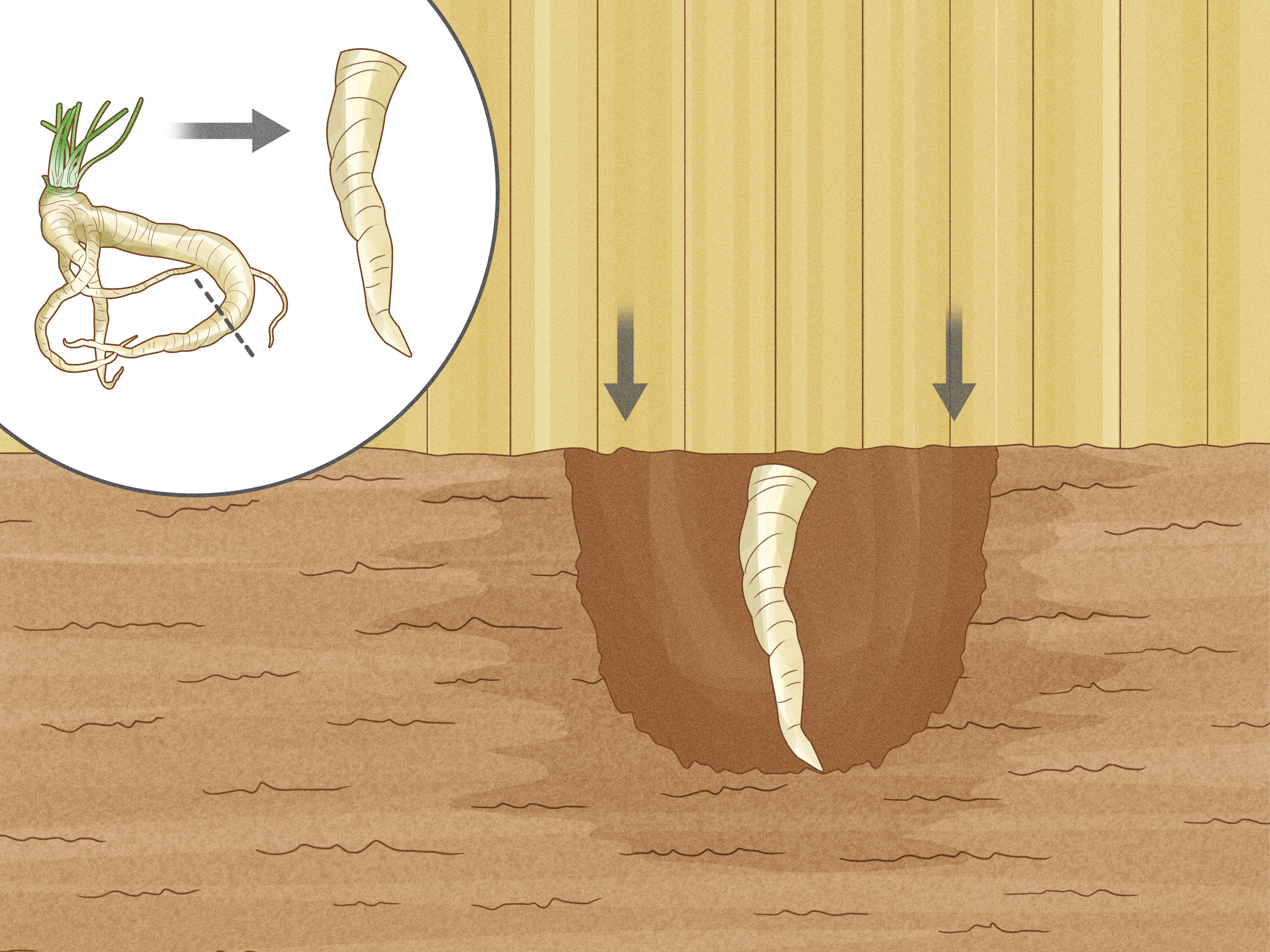
If you are cutting your own roots for planting, make a flat cut at the top end and an angled cut at the bottom end. This simple trick helps you remember which end goes up. The top end should be planted higher than the bottom end. Planting upside down can delay growth or reduce success, and horseradish already has enough attitude without being confused.
How to Grow Horseradish from the Root: Step-by-Step
Step 1: Loosen and Amend the Soil
Prepare the planting area by removing weeds, stones, and old roots. Work the soil deeply and mix in compost. Horseradish prefers fertile soil, but avoid overdoing nitrogen fertilizer. Too much nitrogen can create big leafy tops while encouraging branched or lower-quality roots.
Step 2: Dig a Shallow Trench
Dig a trench about 3 to 5 inches deep. If your soil is very loose, you can plant slightly deeper, but the upper end of the root cutting should usually be covered by about 2 to 3 inches of soil.
Step 3: Place the Root at a 45-Degree Angle
Set each horseradish root cutting at roughly a 45-degree angle, with the flat-cut top end higher and the angled bottom end lower. Planting at an angle encourages strong growth and makes later care easier. You can also plant cuttings vertically, but angled planting is popular because it helps produce straighter roots and simplifies cultivation.
Step 4: Space Plants Properly
Space horseradish roots about 12 to 18 inches apart. If you are planting multiple rows, leave enough room between rows so you can weed, mulch, and dig without performing garden yoga. For most home gardens, three to five plants are plenty.
Step 5: Cover and Firm the Soil
Cover the cuttings with soil, then gently firm the surface. Do not pack the soil hard. The goal is good root-to-soil contact without creating a brick. Water lightly after planting if the soil is dry.
Step 6: Mulch After Growth Begins
Once the plants are growing, apply mulch around them using straw, shredded leaves, compost, or another organic material. Mulch helps conserve moisture, suppress weeds, and keep the soil cooler during hot weather.
Watering Horseradish
Horseradish is fairly drought tolerant, but consistent moisture produces better roots. If the plant suffers too much drought stress, the roots may become woody and less flavorful. If the soil stays soggy, roots may become soft or develop problems. Aim for steady moisture, not swamp conditions.
In most gardens, about 1 inch of water per week is a reasonable target, including rainfall. During hot, dry weather, check the soil more often. Deep watering is better than frequent shallow sprinkling because horseradish roots grow down into the soil.
Fertilizing Horseradish
Horseradish does not need luxury treatment, but it appreciates fertile soil. Compost worked into the planting area is usually enough for many home gardens. If your soil is poor, use a balanced garden fertilizer at planting according to label directions. A soil test is the best way to know what your garden actually needs.
Be careful with high-nitrogen feeding. Nitrogen encourages leafy growth, but the goal is a strong root. If the plant looks lush on top but produces skinny, branching roots below, too much nitrogen may be one reason.
Weeding and Mulching
Weed control is especially important while horseradish plants are young. Once established, they grow vigorously and can compete well, but early weeds steal light, moisture, and nutrients. Keep the bed clean during the first part of the season.
Mulch is your quiet garden assistant. It reduces weeding, protects soil moisture, and helps keep the ground from heating too much. Just keep mulch slightly away from the crown of the plant so the base does not stay overly wet.
How to Grow Bigger, Straighter Horseradish Roots
If you want large, straighter roots, you can use a technique often called lifting and stripping. This is optional, but it can improve root shape and size.
When the leaves are about 8 to 12 inches tall, gently pull soil away from the upper part of the main root. Remove extra side shoots and small lateral roots from the upper portion, leaving the lower roots undisturbed. Then replace the soil. Repeat the process about six weeks later.
This encourages the plant to put more energy into one main root instead of forming a tangled root system. It is not necessary if you are a relaxed gardener who values flavor over beauty. But if you want roots that look more like something from a market display and less like a wizard’s walking stick, it is worth trying.
Growing Horseradish in Containers
Container growing is an excellent choice if you want fresh horseradish without giving it permission to roam. Choose a large, deep container, ideally at least 18 to 24 inches deep. Bigger is better because the roots need room to stretch.
Use a loose, high-quality potting mix, not dense garden soil. Make sure the container has drainage holes. Plant the root cutting at an angle just as you would in the ground, then place the container in full sun. Water regularly, because containers dry out faster than garden beds.
At harvest time, container-grown horseradish is much easier to manage. You can tip out the soil, collect the roots, and replant a few healthy pieces. That is much more civilized than chasing runaway roots across the garden like a detective in a spicy crime drama.
Common Pests and Problems
Flea Beetles and Leaf Chewing
Horseradish is generally tough, but flea beetles and cabbage-family pests may chew holes in the leaves. Minor leaf damage is usually not a big problem because the edible crop is underground. For heavier infestations, floating row cover early in the season can help protect young plants.
Root Rot
Root rot is more likely in poorly drained soil. Avoid planting horseradish where water sits after rain. If your garden has heavy clay, use raised beds, add compost, or grow in containers.
Spreading
The biggest “problem” with horseradish is often success. Any small root piece left behind can regrow. To control spread, harvest carefully, remove unwanted root fragments, and consider planting in a confined area. Do not till an unwanted horseradish patch unless your goal is to create a larger unwanted horseradish patch.
When to Harvest Horseradish
Horseradish is usually harvested in fall after frost has killed or damaged the foliage. Cold weather improves root quality, and fall harvest gives the plant a full season to size up. In many regions, October or November is ideal.
You can harvest some roots in the first year, but larger harvests often come in the second year. If you want a perennial supply, dig the main roots and replant smaller side roots for next season.
How to Harvest Horseradish Root
Use a garden fork or shovel to loosen the soil deeply around the plant. Dig carefully because roots can extend farther than expected. Lift the crown and roots from the soil, shake off loose dirt, and trim the leaves back to about 1 inch above the crown.
Choose the largest roots for the kitchen. Save pencil-thick side roots for replanting. If you want to store planting pieces for spring, keep them cool and moist, such as in slightly damp sand in a refrigerator or root cellar. Label them clearly unless you enjoy mystery vegetables.
How to Store Fresh Horseradish
Fresh horseradish roots can be stored in the refrigerator in a plastic bag or container. For longer storage, keep roots in cold, humid conditions. In cold climates, you can leave some roots in the ground under a thick mulch and dig them as needed when the soil is not frozen solid.
Once grated, horseradish loses pungency over time. For the strongest flavor, grate only what you need. Vinegar stabilizes the heat, while waiting before adding vinegar allows the flavor to become sharper. Use good ventilation when grating fresh horseradish because the fumes can clear your sinuses and possibly your calendar.
Real-Life Experiences: Lessons from Growing Horseradish from the Root
The first lesson many gardeners learn about horseradish is that it rewards confidence but punishes forgetfulness. Plant one root in a thoughtful location, and you get a dependable crop. Toss a leftover root piece into a random corner “just to see what happens,” and the plant may interpret that as a lifetime lease.
One practical experience is that soil preparation matters more than daily care. A gardener can water faithfully and still end up with awkward roots if the soil is compacted or full of stones. In loose soil, horseradish roots grow longer, smoother, and easier to clean. In heavy soil, the roots may branch in strange directions. They still work for sauce, but peeling them feels like a small woodworking project.
Another common lesson is that a small planting goes a long way. Beginners often assume they need many plants because the root pieces look unimpressive at planting time. By late summer, those modest cuttings can become big leafy clumps. Three plants can easily provide enough fresh horseradish for a family that uses it occasionally. If you make prepared horseradish often, share jars with neighbors, or host serious roast beef dinners, plant more. Otherwise, start small.
Container growing is especially useful for gardeners who like control. A deep container makes harvest cleaner and prevents spreading. The trade-off is watering. In the ground, horseradish can tolerate some neglect. In a pot, it depends on you more. During hot weather, container plants may need water several times a week. If the leaves wilt repeatedly, the roots can become tough and woody.
Harvesting after frost is another experience-backed tip. The plant may look tired above ground, but that is when the root is ready to shine. Cool weather concentrates the harvest season and makes digging feel like a reward at the end of the garden year. The flavor of freshly grated horseradish is brighter and more exciting than most prepared versions. It is the kind of ingredient that makes you wonder why you waited so long to grow it yourself.
Finally, every horseradish grower learns respect. This plant is hardy, productive, and forgiving, but it is not delicate. Treat it like a perennial crop with a permanent personality. Give it boundaries, harvest thoroughly, replant only what you need, and never ignore root fragments if you are trying to control it. Horseradish is easy to grow from the root, but the best results come when you combine that ease with a little planning.
Conclusion
Growing horseradish from the root is simple, satisfying, and perfect for gardeners who want a low-maintenance crop with big kitchen payoff. Start with healthy root cuttings, plant them in early spring or fall, choose deep loose soil, place the roots at an angle, keep weeds down, and water consistently. For bigger, straighter roots, try lifting and stripping during the growing season. Harvest after frost, save side roots for replanting, and enjoy fresh homemade horseradish with a flavor that has real personality.
The main thing to remember is location. Horseradish is generous, but it can spread if left unmanaged. Plant it in a dedicated bed or deep container, and you will have a dependable supply of spicy roots for years. It is one of the easiest perennial vegetables to grow, and once you taste it fresh, the little jar in the refrigerator door may start looking nervous.
Note: This article is written in original wording and synthesizes practical guidance from reputable U.S. university extension and gardening references. Source links are intentionally omitted for clean web publishing, as requested.