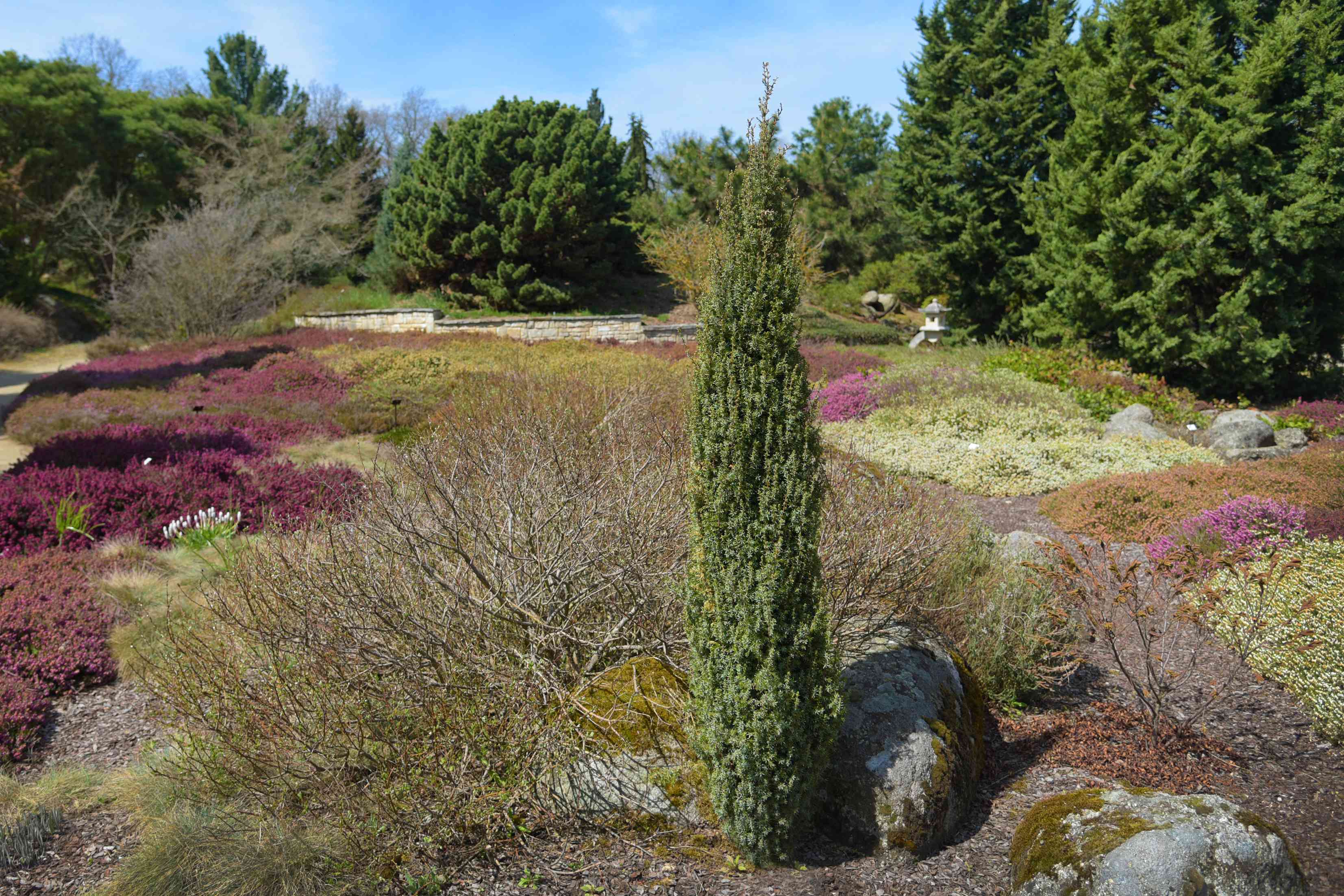
Common juniper is one of those plants that quietly minds its business, looks good in all four seasons, and rarely demands a dramatic intervention. In other words, it is the exact opposite of that tomato plant you swore would be “easy this year.” If you want an evergreen shrub that can handle wind, cold, lean soil, and a bit of benign neglect, common juniper deserves a spot on your shortlist.
Known botanically as Juniperus communis, common juniper is a hardy conifer with a surprisingly flexible personality. Depending on the variety and where it grows, it can appear as a low, spreading ground cover, a mounded shrub, or a more upright, shrubby form. It is prized for its prickly needles, blue berry-like cones, rugged tolerance, and ability to bring year-round structure to the landscape. Best of all, once it settles in, it is not interested in becoming your full-time job.
What Is Common Juniper?
Common juniper is an evergreen conifer native to large parts of the Northern Hemisphere, including North America. It is often described as one of the most widely distributed conifers in the world, which tells you something important right away: this plant knows how to survive. In the United States, it is commonly seen as a multi-stemmed shrub, though some forms stay low and spreading while others become taller and more irregular with age.
Its foliage is usually needle-like rather than scale-like, and the needles tend to be sharp enough to remind you that gardening gloves are not just decorative accessories. Male and female cones are produced on separate plants. The female plants develop fleshy, bluish seed cones that people casually call “juniper berries.” These cones are ornamental, useful for wildlife, and famous for flavoring gin. So yes, this shrub has range.
Why Gardeners Love Common Juniper
There is a lot to like here. Common juniper offers evergreen color through winter, tolerates poor or rocky soils, handles drought once established, and fits into a variety of landscape styles. It can work in naturalized plantings, slopes, rock gardens, borders, foundation beds, and even in spots where the soil quality is more “construction site chic” than “luxury loam.”
It is also a smart choice for gardeners who want a plant with a more natural, durable look. This is not a fussy shrub that needs babying with constant watering, pampering, and whispered affirmations. It prefers a sunny spot, decent drainage, and the freedom to be itself. Frankly, more plants should take notes.
Best Growing Conditions for Common Juniper
Sunlight
Common juniper grows best in full sun. That means at least six hours of direct sunlight per day, though more is often better. Some references note that it can tolerate light shade or semi-shade, but performance is usually strongest in open, bright locations with good airflow. A juniper planted in too much shade may thin out, lose density, or become more vulnerable to disease problems.
If you are deciding between a spot that gets crisp morning-to-afternoon sun and a spot tucked under a tree canopy, choose the sunny location every time. Common juniper is happiest when it can bake a little, not when it has to compete for light with a bossy maple.
Soil
The golden rule of growing common juniper is simple: good drainage matters more than fancy soil. This plant can tolerate sandy soil, loamy soil, lean soil, alkaline soil, acidic soil, and even poor soil, but it does not appreciate sitting in soggy ground. Wet, compacted, or chronically waterlogged soil is where trouble begins.
If your garden soil drains well, you are already halfway there. If your soil is heavy clay or a low spot that stays wet after rain, do not just hope for the best and call it a planting strategy. Improve drainage, plant on a mound, or use a raised bed. Juniper roots want oxygen around them, not a long-term swamp vacation.
Water
Newly planted common juniper needs regular watering while it establishes a root system. During the first growing season, deep watering once or twice a week is often enough, depending on rainfall, soil type, and temperature. The goal is to keep the root zone evenly moist, not soaked.
Once established, common juniper becomes notably drought tolerant and usually needs very little supplemental irrigation. In fact, overwatering is one of the most common mistakes people make. Gardeners often see an evergreen and assume it wants constant moisture, but juniper would prefer you back away from the hose. Too much water can contribute to root rot, weak growth, and fungal problems.
Temperature and Hardiness
Common juniper is known for excellent cold tolerance, which helps explain its popularity in northern landscapes. Many forms are hardy in USDA Zones 2 through 6, while some sources and cultivars extend performance into Zone 7. In general, this is a plant that shines in cooler climates.
In hotter, more humid parts of the country, common juniper can be more challenging. Some extension guidance specifically cautions against planting certain forms south of USDA Zone 6. That does not mean every plant will instantly write a resignation letter in summer, but it does mean site selection, airflow, and drainage become even more important.
How to Plant Common Juniper
Start with a location that matches the plant’s mature size and shape. This step is less exciting than impulse buying a beautiful shrub at the nursery, but it is what saves you from future pruning regret. Some common junipers stay broad and low, while others become taller and more upright. Give the plant enough room to reach its natural form without being squeezed between a walkway, a foundation, and your grand landscaping ambitions.
Dig a planting hole that is as deep as the root ball and wider than the root ball so the roots can spread more easily into the surrounding soil. Set the plant so the top of the root ball sits at or slightly above the surrounding grade, especially in heavier soils. Backfill with the native soil unless conditions are unusually poor. After planting, water thoroughly to settle the soil around the roots.
Finish with a layer of mulch about 2 to 4 inches deep to help moderate soil temperature and suppress weeds, but keep the mulch pulled back from the stems. Think “mulch donut,” not “mulch volcano.” In colder climates, mulch can also help protect newly planted roots during winter by reducing freeze-thaw stress.
How to Care for Common Juniper After Planting
Feeding
Common juniper usually does not need aggressive fertilizing. In decent garden soil, it often gets by just fine with little or no added fertilizer. If growth seems weak or foliage color looks poor, a light application of a balanced fertilizer in early spring can help. The key word is light. Overfeeding a juniper is a little like giving espresso to a plant that already prefers a low-maintenance lifestyle.
Mulching
Refresh mulch as needed, especially around young plantings. Mulch helps conserve soil moisture, reduce weed competition, and insulate the root zone. In colder regions, it also helps prevent frost heaving and root injury during winter. Keep it away from the stems to reduce excess moisture and bark problems.
Winter Care
Established common juniper is generally winter tough, but newly planted shrubs benefit from a little extra protection their first year or two. A proper mulch layer helps stabilize soil temperature, and watering well before the ground freezes can reduce winter stress if autumn has been dry. In exposed sites with harsh winter wind, young plants may show bronzing or minor tip damage, but healthy plants usually recover well.
Pruning Common Juniper the Right Way
Here is the short version: prune lightly, not heroically. Common juniper and other junipers generally need little pruning, and heavy cutting can leave permanent bare patches because old wood does not reliably push out new growth. If you remove too much green growth, the plant may not forgive you, at least not on your timeline.
The best time for structural pruning is usually early spring before new growth begins. Focus on removing dead, damaged, or awkward branches, and use thinning cuts rather than harsh shearing whenever possible. Tip pruning and light shaping are fine, but avoid cutting back into large, bare interior branches. If you want a perfectly geometric shrub, common juniper may politely suggest you buy something else.
Common Problems and How to Prevent Them
Root Rot
The biggest danger for common juniper is poor drainage. Heavy clay, flooded areas, runoff-prone sites, and overwatering can set the stage for root rot. Symptoms may include thinning foliage, browning, stunted growth, and a general look of botanical disappointment. Prevention is far better than treatment here. Choose a well-drained site from the beginning, and consider raised beds if drainage is questionable.
Tip Blight and Other Fungal Issues
Junipers can also be affected by tip blight and other fungal diseases, especially when airflow is poor or the plant is stressed by shade and excess moisture. This is another reason to avoid cramming them into overcrowded beds where leaves stay damp and the air barely moves. Good spacing, careful watering, and light cleanup pruning can go a long way.
Insect Pests
Bagworms, spider mites, scale insects, webworms, aphids, and other pests sometimes show up on junipers. Healthy plants grown in the right conditions are generally less vulnerable than stressed plants. If you notice discoloration, webbing, or dieback, inspect the plant closely before reaching for a treatment. Many problems start with site stress, not bad luck.
How to Propagate Common Juniper
Common juniper can be propagated by seed or cuttings, but cuttings are the more practical route for most home gardeners. Seeds can be slow and variable, and they may need a long pretreatment period before germinating. If patience is your hobby, seed is an option. If you would like results sometime this decade, cuttings are more appealing.
For cuttings, growers often use hardwood material taken in late fall or early winter after dormancy begins. Use healthy terminal shoots from the previous season’s growth and include a small bit of older wood at the base if possible. A rooting hormone can improve success. Keep the cuttings in a well-drained propagation medium with good humidity and bright, indirect light until roots develop. It is not instant, but it is very doable for gardeners who enjoy propagation projects.
Landscape Uses for Common Juniper
One of the best things about common juniper is that it can pull its weight in the landscape without looking overdesigned. Low-growing forms work beautifully on slopes, along rock walls, and in gravel gardens where other shrubs may sulk. Broader forms can anchor foundation beds or soften edges in naturalized plantings. Upright cultivars can act as accents where you want evergreen structure without the bulk of a large hedge.
Because it tolerates dry sites, wind, and lean soil, common juniper is also useful in problem areas where more delicate shrubs struggle. It pairs well with ornamental grasses, drought-tolerant perennials, stone, and other conifers. The texture contrast alone can make a bed look intentional, even if you were mostly just trying to plant something that would survive.
Gardener Experiences: What People Learn After Living With Common Juniper
A common experience with common juniper is realizing that the plant usually does better when you do less, not more. Many gardeners first approach it the way they approach thirsty annuals or leafy shrubs: richer soil, more water, more fussing, maybe a little extra fertilizer for good luck. Then the plant starts looking unhappy, and the lesson becomes clear. Juniper likes sensible care, not constant intervention. Once gardeners ease off the pampering and let the soil dry a bit between waterings, the plant often looks noticeably better.
Another shared experience is learning just how important site choice is. A common juniper planted in bright sun with sharp drainage often becomes one of the easiest plants in the yard. The same shrub tucked into a damp corner beside a sprinkler head can slowly decline while everyone stares at it and wonders what went wrong. Gardeners frequently discover that the difference between success and failure is not secret fertilizer or a miracle spray. It is usually sunlight, drainage, and airflow. That may sound almost too simple, but with juniper, simple wins.
Pruning is another place where experience teaches humility. People often assume every evergreen can be clipped into submission, only to discover that juniper has boundaries. Trim lightly and it looks tidy. Cut too hard into old wood and you may end up with a permanent window right through the middle of the plant. Gardeners who have made that mistake rarely make it twice. Over time, many learn to thin selectively, remove only what is necessary, and let the shrub keep its natural shape. In the case of common juniper, “less is more” is not a design cliché. It is survival advice.
Gardeners in cold climates also tend to appreciate this plant more with each winter. In landscapes where deciduous plants disappear for months and flower beds become sleepy, common juniper keeps doing its job. It provides structure, color, and a sense that the garden still has bones even when everything else is taking a seasonal nap. Some people notice a bit of bronzing or weathering in winter, especially on exposed sites, but they also notice that the plant is still there in spring, ready to continue without much drama.
There is also a quieter pleasure in growing a plant with so much texture and character. The prickly needles, the silvery bands on the foliage, the berry-like cones on female plants, and the rugged branching habit give common juniper a distinctly wild look. It never feels overly polished, and that is part of the charm. Gardeners who enjoy naturalistic design often say it makes a planting feel more grounded and more believable. It attracts attention without looking like it is trying too hard, which, frankly, is a quality many of us would love to borrow.
Perhaps the most useful takeaway from real-world experience is this: common juniper rewards patience. It is not always fast, flashy, or instantly full. But when it is planted in the right place and allowed to grow at its own pace, it becomes one of those dependable landscape plants people stop noticing day to day precisely because it is always doing well. And in gardening, that kind of reliability is not boring. It is gold.
Final Thoughts
If you want an evergreen shrub that can handle tough conditions, provide year-round structure, and ask for remarkably little in return, common juniper is a strong candidate. Give it full sun, well-drained soil, moderate water while establishing, and only light pruning. Avoid wet feet, avoid heavy shearing, and avoid planting it where summer humidity and shade gang up on it. Do those things, and common juniper will likely settle in as one of the toughest and most useful plants in your landscape.
In a gardening world full of divas, common juniper is refreshingly practical. It is handsome, hardy, wildlife friendly, and a little stubborn in the best possible way. Plant it where it belongs, and it will quietly prove that sometimes the easiest plants are also the smartest choices.