Picture this: You are standing outside at 5:45 a.m., rain is sliding down your collar, and your dog is conducting a detailed investigation of one extremely interesting blade of grass. You have a flight to catch, a meeting to attend, or a warm bed calling your name. At that moment, knowing how to get your dog to pee on command feels less like a party trick and more like a superpower.
The good news is that dogs can learn a verbal potty cue. You are not teaching your dog a brand-new bodily function. Instead, you are pairing a word or phrase with something your dog already does naturally. Through careful timing, consistency, and immediate rewards, the cue begins to predict the behavior.
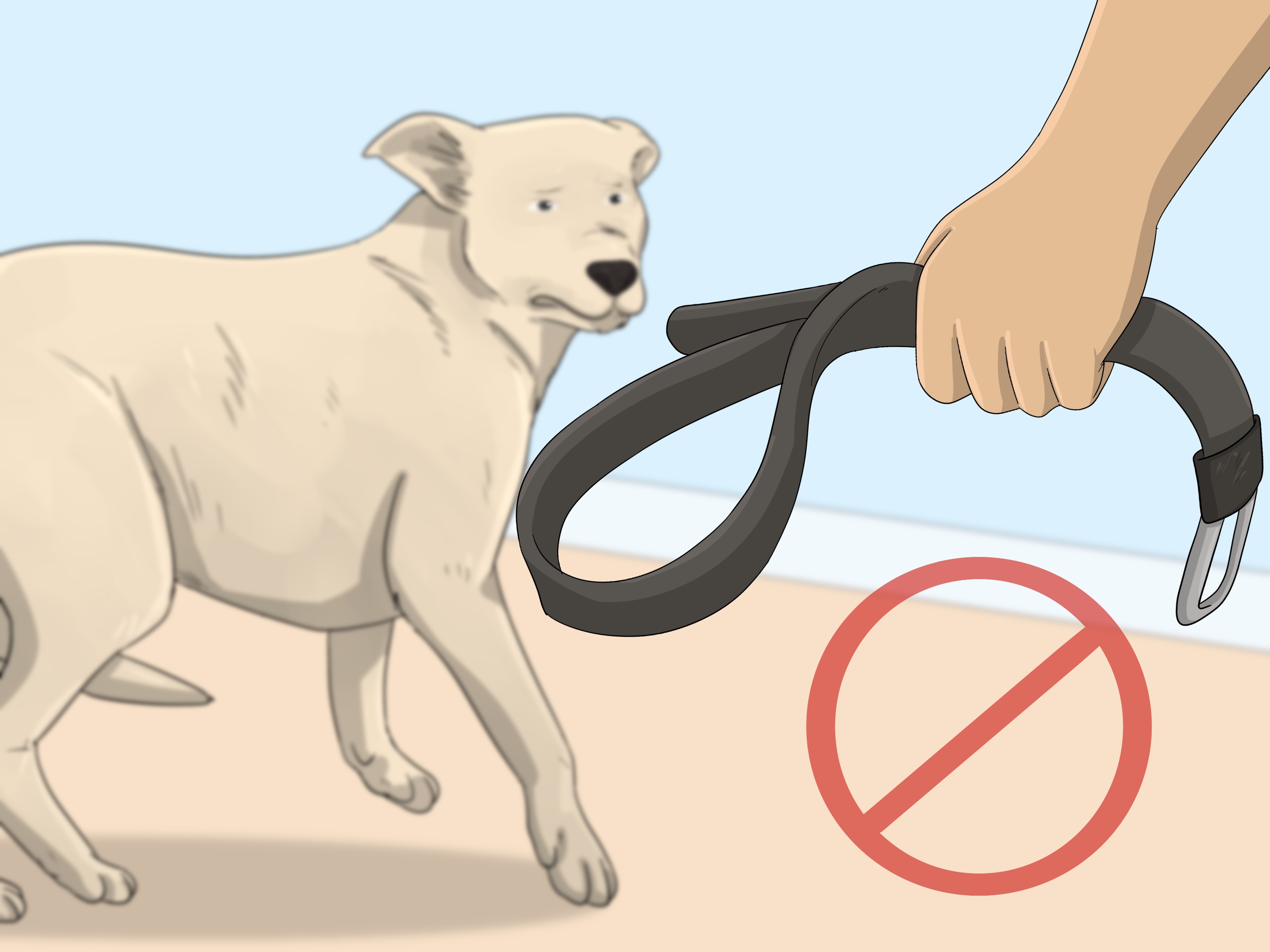
This reward-based approach is often called “capturing.” You observe the behavior, add a cue while it is happening, and reward it as soon as it is complete. Veterinary behavior guidance favors reward-based training over fear, intimidation, or physical punishment, which can damage trust without teaching the dog what to do instead.
Why Teach a Dog to Pee on Command?
A reliable potty command can make everyday life much easier. It is particularly useful before bedtime, during bad weather, before a long car ride, at highway rest stops, while staying in hotels, and whenever you need your dog to finish a bathroom break without reading every neighborhood scent-mail message first.
The skill can also help dogs adjust to unfamiliar surfaces and locations. A dog that normally urinates only on backyard grass may hesitate on gravel, snow, wet pavement, or a designated airport pet-relief area. A familiar cue gives the dog useful information: this is an acceptable place to go.
However, a command is not a remote-control button for the bladder. Your dog must physically need to urinate. The cue communicates an opportunity and a familiar behavior, not an order to produce urine from nowhere.
What You Need Before Training
- A standard leash rather than a retractable one
- Small, high-value treats your dog can eat quickly
- A quiet and familiar bathroom location
- A short verbal cue, such as “Go potty” or “Hurry up”
- Patience, consistency, and weather-appropriate shoes
Choose treats that are special enough to matter but small enough that your dog will not need a full dining intermission after every success. Tiny pieces of chicken, cheese, or a favorite commercial training treat often work well.
How to Get Your Dog to Pee on Command in 12 Steps
Step 1: Choose One Clear Potty Cue
Select a short phrase that everyone in the household can say naturally. “Go potty,” “Hurry up,” “Do your business,” and “Quick pee” can all work. Your dog does not care whether the phrase sounds elegant. Your neighbors might, so choose accordingly.
Use the exact same phrase every time. Avoid switching between “Go potty,” “Please pee,” “Come on,” and “We are late!” Those may all express the same human emotion, but to a dog they are four unrelated sounds.
Step 2: Identify Your Dog’s Normal Bathroom Schedule
For several days, observe when your dog naturally urinates. Common times include immediately after waking, after drinking, following meals, after energetic play, before bedtime, and shortly after leaving a crate or resting area.
Puppies generally need more frequent opportunities because their bladder control is still developing. Rather than waiting for an accident, take a young puppy outside proactively after sleep, food, water, play, excitement, and training sessions. Predictable routines create more chances to practice successfully.
Step 3: Choose a Consistent Potty Area
Begin in a location where your dog already feels comfortable urinating. A familiar patch of grass or quiet corner of the yard is ideal. Previous bathroom scents often help dogs recognize the purpose of the area.
Walk directly to that spot rather than wandering around the entire block. At this stage, the goal is to create a clear routine: leash on, walk to the bathroom area, stand calmly, wait, cue, reward.
Step 4: Take Your Dog Out on a Leash
Use a leash even in a fenced yard during early training. It prevents your dog from turning a focused bathroom trip into an unscheduled squirrel convention. Keep the leash relaxed and allow enough space for sniffing, circling, and choosing a comfortable position.
Stand mostly still. Constant walking may distract some dogs, while gentle movement helps others. Observe your dog and choose the approach that produces the calmest, most predictable result.
Step 5: Wait Quietly for Pre-Pee Behavior
Watch for your dog’s usual signals. These may include intense sniffing, circling, slowing down, returning to a previously used spot, lifting a leg, or beginning to squat.
Do not introduce the command before you can reliably recognize these signs. During the first phase, you want to be nearly certain that urination is about to occur. This prevents the cue from becoming associated with standing around, staring at you, or inspecting a leaf.
Step 6: Say the Cue as Urination Begins
As soon as your dog starts to urinate, say your selected cue once in a calm, conversational voice. Do not shout, clap, squeal, or suddenly lean over the dog. An enthusiastic interruption can cause a sensitive puppy to stop midstream and look at you as though you have violated an important private meeting.
Say the cue only once. Repeating “Go potty, go potty, go potty” teaches the dog that the full phrase contains several repetitions. A single, consistent cue remains cleaner and easier to understand.
Step 7: Let Your Dog Finish Completely
Wait until your dog has fully finished before reaching for a treat, clicking a clicker, or celebrating. Moving too soon can interrupt urination and lead to an only-partially-empty bladder.
Some dogs pause and then urinate again a few seconds later, especially males that mark several locations. Learn your dog’s pattern before declaring victory. The goal is a complete bathroom break, not a ceremonial teaspoon.
Step 8: Mark and Reward Immediately
Within a second or two of completion, say “Yes,” click your clicker, or offer warm praise. Then give a high-value treat while you are still beside the potty area.
Timing matters. A treat delivered after returning to the kitchen may reward coming indoors rather than urinating outside. Immediate reinforcement makes the connection much clearer: peeing in this location after hearing that phrase produces excellent consequences.
Step 9: Add a Brief Bonus After Success
Do not always march straight indoors the instant your dog urinates. Some dogs learn that peeing ends outdoor time, so they begin holding it to keep the walk going. That is clever, inconvenient, and impressively entrepreneurial.
After a successful bathroom break, occasionally offer a few minutes of sniffing, play, or walking. This teaches your dog that urinating promptly does not automatically make all outdoor fun disappear.
Step 10: Practice During Easy, Predictable Potty Breaks
Repeat the cue-and-reward sequence during times when your dog is highly likely to urinate, such as first thing in the morning. Aim for successful repetitions rather than long training sessions.
Most dogs benefit from several days or weeks of pairing the cue with the action. Continue saying the phrase only as urination begins. You are building an association, and associations become reliable through consistent repetition rather than dramatic speeches.
Step 11: Begin Saying the Cue Slightly Earlier
Once your dog consistently hears the phrase during urination and immediately looks for a reward afterward, test the cue a little earlier. Say it when your dog reaches the bathroom area and begins showing obvious pre-pee signals.
If your dog urinates, reward generously. If nothing happens, do not repeat the cue ten times. Wait quietly or reset the attempt. A dog that is not ready may simply have an empty bladder or be too distracted.
Step 12: Generalize the Command to New Places
When the behavior is reliable at home, practice in gradually more challenging locations. Try another section of the yard, a quiet sidewalk, a relative’s property, a rest stop, or a different type of ground.
Return temporarily to high-value rewards whenever the environment changes. Dogs do not automatically understand that a cue learned on backyard grass applies to gravel beside a hotel, artificial turf at an airport, or snow during a winter storm. Generalization requires practice.
Common Mistakes That Slow Potty Command Training
Repeating the Command Constantly
A cue should provide meaningful information. When it is repeated for five minutes while the dog does everything except pee, it becomes background noise. Say it once, wait, and try again during a better opportunity.
Rewarding Too Late
Dogs learn from immediate consequences. Keep treats in your pocket before going outside so you are not searching the kitchen after the important moment has passed.
Punishing Accidents
Scolding, frightening, or rubbing a dog’s nose in an accident does not explain where the dog should urinate. It may instead teach the dog to hide bathroom behavior from people. Clean the area thoroughly with an enzymatic cleaner and improve supervision and scheduling. Reward-based training and careful management are recommended over aversive corrections.
Turning Every Potty Break Into Playtime First
Play and exploration are valuable, but during training they should usually follow successful urination. Otherwise, your dog may spend 20 minutes chasing leaves and remember the original assignment only after returning to the living-room rug.
Expecting the Cue to Override Biology
A dog cannot urinate on demand if the bladder is empty. Offer the cue when success is physically possible, and never restrict normal access to fresh water simply to make bathroom timing more convenient.
Should You Use Separate Commands for Peeing and Pooping?
You can use one general phrase for both behaviors or teach separate cues. Many owners use “Go potty” for urination and “Go poop” for bowel movements. Separate commands may be useful before travel or bedtime, when you need to know whether your dog has completed both jobs.
Train each behavior using the same capturing process: say the appropriate cue as the behavior begins, wait until it is finished, and reward immediately. Keep the words distinct and make sure every family member uses them consistently.
What to Do When Your Dog Will Not Pee
If your dog does not urinate within a few minutes, calmly return indoors while maintaining close supervision. Try again after 10 to 20 minutes, depending on the dog’s age and routine. For a puppy, use a crate, exercise pen, or leash tether temporarily so you can notice circling, sniffing, restlessness, or movement toward the door.
Fear and environmental distractions can also interfere. Traffic, rain, unfamiliar dogs, fireworks, slippery surfaces, or a noisy pet-relief area may make urination difficult. Move to a quieter location, create more distance from the distraction, and use especially valuable rewards after success.
When Urination Problems Need Veterinary Attention
Training cannot fix a medical problem. Contact a veterinarian if a previously house-trained dog suddenly begins having accidents, urinates much more often, drinks excessively, leaks urine while resting, appears painful, or has blood in the urine.
Repeated straining, crying while trying to urinate, producing only drops, or being unable to pass urine can signal an urgent condition. A dog that cannot urinate needs prompt veterinary care rather than another training session.
Real-World Experiences: What Potty-Cue Training Often Looks Like
The instructions sound wonderfully tidy on paper: say cue, dog pees, provide treat, everyone applauds. Real dogs occasionally edit the script. The following scenarios reflect common experiences owners encounter while teaching a dog to pee on command.
The Distracted Puppy Who Discovers Everything Except the Potty Spot
A young puppy may step outside with a visibly full bladder and immediately forget why the trip occurred. There are leaves to chase, dirt to taste, distant sounds to investigate, and perhaps a suspicious garden ornament that requires a full security assessment.
In this situation, success usually comes from making the first part of the trip boring and predictable. The owner walks the puppy on leash to the same small patch, stands quietly, and limits the initial outing to a few focused minutes. The moment the puppy urinates, the owner says “Yes,” provides several tiny treats, and then begins a short sniffing walk.
After several repetitions, the puppy starts urinating faster because the sequence makes sense: bathroom first, payment second, adventure third. The important lesson is that outdoor fun was not removed. It was simply placed after the useful behavior.
The Adult Rescue Dog Who Is Nervous About Being Watched
Some newly adopted dogs have uncertain housetraining histories or may have previously been punished for accidents. They can become uncomfortable urinating while a person stands nearby. The owner may notice that the dog sniffs repeatedly but stops whenever eye contact occurs.
A calmer approach helps. The handler uses a longer standard leash, turns slightly away, avoids staring, and remains silent. When the dog begins to urinate, the cue is spoken softly. After the dog finishes, the treat is placed gently on the ground rather than delivered with loud celebration.
Progress may be slower, but trust improves when the dog is not pressured. Over time, the cue becomes reassuring instead of threatening. It tells the dog that the location is safe and the behavior will be rewarded.
The Apartment Dog Facing Elevators, Hallways, and Bad Timing
Apartment potty training adds logistical comedy. A dog may signal at the door, wait for the elevator, greet three neighbors, cross the lobby, and then decide that the urgent situation has somehow passed. Young puppies may not make it through the entire journey.
Owners often improve results by preparing before opening the apartment door. Treats, leash, keys, waste bags, and shoes are ready in advance. Small puppies may be carried to the approved bathroom area to prevent hallway accidents. Once outside, the owner goes directly to the same location and uses the cue as urination begins.
When the dog becomes reliable, the command becomes especially helpful during late-night outings. Instead of conducting a 30-minute tour of the neighborhood at midnight, the dog understands the familiar sequence and finishes promptly.
The First Successful Road-Trip Stop
Many owners do not realize how useful the skill is until traveling. A dog that urinates perfectly at home may refuse at a noisy rest stop because the ground, smells, trucks, and surroundings are unfamiliar.
The first successful attempt may require patience and a quiet corner away from traffic. When the familiar cue produces urination in that strange environment, a generous reward strengthens the idea that the command applies beyond the backyard. Future stops often become much easier.
Across these experiences, the pattern is the same: observe the individual dog, reduce distractions, protect trust, reward promptly, and adjust the environment before blaming the learner. Consistency matters, but flexibility matters too. The best training plan is not the one delivered most forcefully; it is the one the dog can understand.
Conclusion
Teaching your dog to pee on command is a practical application of positive reinforcement. Start with a simple cue, use it while your dog is already urinating, and provide an immediate reward after completion. Once the association is strong, gradually move the cue earlier and practice in new locations.
Keep the experience calm, avoid punishment, and remember that the command cannot manufacture a full bladder. With good timing and patient repetition, your dog can learn to handle bathroom breaks efficientlyeven when rain is falling, the airport shuttle is waiting, or your warm bed is making a very persuasive argument.