Want your boyfriend’s attention… without turning into a one-person marching band (complete with cymbals) just to be noticed?
You’re not alone. “Attention” sounds like a simple request, but it can mean a dozen different things: a quick check-in text,
real conversation, quality time, reassurance, or just feeling like you matter in his day.
Here’s the good news: getting more attention in a relationship usually isn’t about doing moreit’s about doing
a few things smarter. Think of it like adjusting a TV antenna: you don’t need a new television, you just need the
signal to come through clearly. The tips below focus on healthy communication, emotional connection, and practical habits
that make it easier for both of you to show up for each other.
A quick reality check: attention should feel mutual, not like a chase
Before the tips, one important note: a healthy relationship isn’t built on you performing tricks for crumbs of attention.
You deserve kindness, respect, and effort. If you’re getting ignored constantly, feeling anxious all the time, or being
made to feel “too needy” for wanting basic connection, that’s not a you-problemthat’s a relationship health problem.
Also, because relationships in your teens can come with a learning curve (for everyone), it’s normal to need to
practice communication skills. Needing attention doesn’t make you “dramatic.” It makes you human.
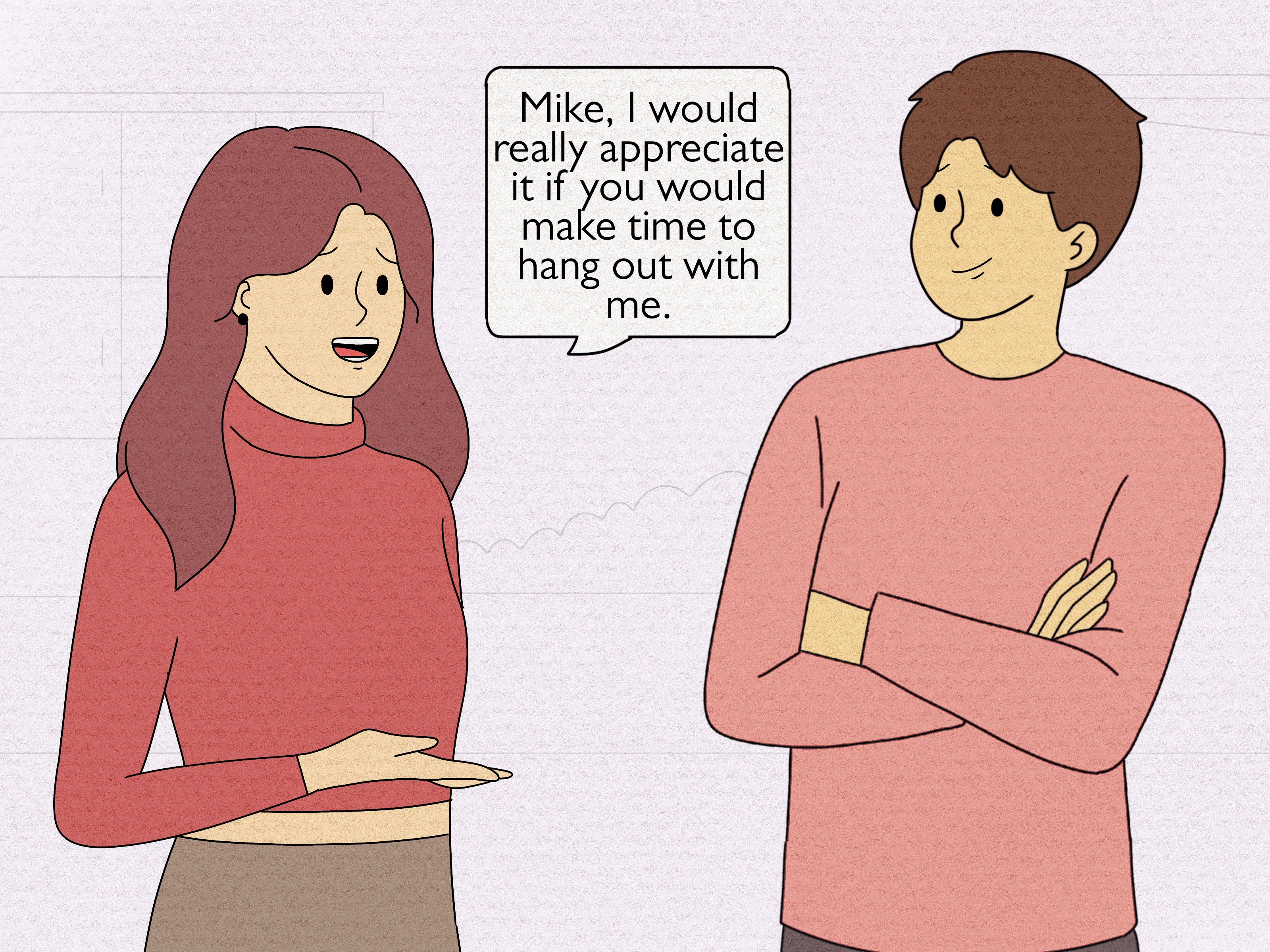
Tip 1: Ask for what you wantclearly, kindly, and specifically
People can’t read minds. (If they could, math class would be way more interesting.) Instead of “You never pay attention to me,”
try something specific and doable:
- “Can we talk for 10 minutes tonightno phonesjust us?”
- “I miss you. Can you text me when you’re free so we can catch up?”
- “I feel best when we check in once a day. Can we do that?”
Clear requests are easier to say yes to. Vague complaints are easier to argue with.
Tip 2: Use “I” statements so it doesn’t sound like an attack
If he hears blame, his brain may go into defense mode. “I” statements keep the focus on your feelings and needs:
Try this formula: “I feel ___ when ___ because ___. What I need is ___.”
- “I feel ignored when messages go unanswered for hours because I don’t know if we’re okay. What I need is a quick ‘busy’ text.”
- “I feel disconnected when we’re together but on our phones. What I need is 20 minutes of real time.”
This style invites teamwork instead of conflict.
Tip 3: Make “bids” for connection easy to notice (and easy to accept)
Relationship researchers often describe small momentsjokes, questions, invitationsas “bids” for connection.
The trick isn’t making bigger bids; it’s making clearer ones.
Instead of: “Whatever, it’s fine.” (Translation: it is not fine.)
Try: “Can I steal a hug and a quick ‘how was your day’?”
Small, warm bids often get better results than dramatic “we need to talk” alarms (save those for truly serious issues).
Tip 4: Become an expert at active listening (it’s attention’s best friend)
One of the fastest ways to receive attention is to give itgenuinely. Active listening means you’re not just waiting
for your turn to speak; you’re actually tracking what he’s saying.
Quick active-listening moves
- Reflect back: “So your coach was on your case today?”
- Ask one good follow-up: “What’s the hardest part about that?”
- Validate before advice: “That sounds stressful. I get why you’re annoyed.”
When someone feels understood, they usually become more present. Bonus: you’ll learn what’s actually pulling his attention away.
Tip 5: Create “phone-free” mini moments (quality time beats quantity time)
You don’t need a three-hour date to feel connected. You need a few minutes of undivided attentionregularly.
Pick one small ritual:
- A 10-minute call before bed
- A walk after school
- Sharing one “best thing” and one “stress thing” from the day
When time is predictable, attention stops feeling like a lottery.
Tip 6: Give attention to his effort, not just his appearance
Compliments are powerful when they’re specific and tied to character or effort. Instead of only “You’re cute,” try:
- “I noticed you checked on me earlierthank you. That meant a lot.”
- “You handled that situation really calmly. I respect that.”
- “I like how you make me laugh when I’m stressed.”
People repeat what feels appreciated. This isn’t manipulationit’s healthy reinforcement.
Tip 7: Be warm, not available 24/7 (your life is attractive)
This tip is not “play hard to get.” It’s “be a whole person.” When you have your own hobbies, friends, goals, and routines,
you naturally become more magnetic. Plus, you’ll feel less anxious waiting on his attention.
A healthy relationship is two full lives overlappingnot one person shrinking to fit inside another person’s schedule.
Tip 8: Use humor and lightness to invite connection
Laughter can be a shortcut to closeness. If you want his attention, try making the moment pleasant:
- Send a funny meme that matches an inside joke
- Playfully say, “Hi, I’d like to file a request for one (1) cuddle and two (2) compliments.”
- Turn a boring moment into a mini game (“Rate today’s cafeteria food from 1–10.”)
Humor works best when it’s kindnot sarcastic or mean.
Tip 9: Text smarter: fewer pings, more purpose
If your texts are a constant stream of “hey” “wyd” “???” you may accidentally train the relationship into shallow contact.
Try this instead:
The “3-message upgrade”
- 1) Warm opener: “Hey, I was thinking about you.”
- 2) Specific hook: “How did your test go? I know you were nervous.”
- 3) Clear ask or plan: “Can we talk later tonight?”
Purposeful texts invite real replies. Also, if he’s busy, one supportive message often lands better than five anxious ones.
Tip 10: Respect spacethen reconnect on purpose
Everyone needs downtime, especially when school, sports, family stress, or social pressure is loud.
Respecting space doesn’t mean you accept being ignored. It means you create a healthier rhythm:
- “No worriesdo your thing. Text me when you’re free.”
- Then later: “Can we get 15 minutes tonight? I miss you.”
This reduces the push-pull dynamic where one person chases and the other withdraws.
Tip 11: Plan small, specific experiences together
“We should hang out sometime” is a classic plan that never happens. Attention grows when you create shared moments that are easy to show up for.
Low-effort ideas
- Study date with a snack break
- Go get a drink/dessert after school
- Watch one episode of a show together and discuss it
- Take a walk and play a “would you rather” game
Shared experiences create inside jokes, memories, and a stronger emotional threadaka the opposite of feeling ignored.
Tip 12: Set a boundary if the pattern doesn’t change
If you’ve communicated clearly and nothing changes, it’s okay to name the pattern and protect your feelings.
Boundaries aren’t threats; they’re standards.
Try: “I like being with you, but I don’t feel good when I’m consistently ignored. I need a relationship where we both make time.
If that’s not possible right now, we should talk about what this is.”
If he cares, he’ll work with you. If he dismisses you, mocks you, or makes you feel guilty for having needsthat’s a serious sign to step back.
If you ever feel unsafe or controlled, talk to a trusted adult or reach out to a youth relationship support resource.
Why he might seem distracted (and what to do)
Sometimes “not paying attention” isn’t about you. Common reasons:
- Stress: school, work, sports, family conflict
- Social pressure: trying to look “chill” or not “whipped” around friends
- Burnout: mentally exhausted and checked out
- Communication mismatch: you want frequent check-ins; he prefers fewer, longer conversations
The solution is usually the same: talk about what each of you needs and choose a realistic rhythm. It’s not about winningit’s about understanding.
What to avoid (because it backfires)
- Mind games: making him jealous, ignoring him to “teach a lesson,” vague posting for a reaction
- Scorekeeping: “I texted first three times, so you owe me”
- Passive-aggressive hints: “Nothing’s wrong” while slamming every metaphorical door
- Over-apologizing for needs: wanting attention is normal; asking respectfully is healthy
If a tactic makes you feel smaller, more anxious, or less like yourself, it’s probably not the move.
Conclusion: the best “attention hack” is healthy connection
Getting your boyfriend’s attention isn’t about being louder, prettier, or more “perfect.” It’s about building a relationship
where attention is shared naturallythrough clear requests, good timing, active listening, small rituals, and mutual effort.
Try two tips this week: one direct ask (Tip 1) and one phone-free ritual (Tip 5). If you feel a difference, build on it.
If you don’tand you’ve communicated respectfullylisten to that information. The right relationship won’t require you to beg
for basic care.
Bonus: of Real-Life Style Experiences (Common Scenarios & What Usually Works)
Scenario 1: The “Busy Season” Boyfriend (sports, exams, family stuff)
A lot of people experience this: everything is fine, then suddenly it’s test week, practice is intense, and your boyfriend’s brain is basically a
browser with 37 tabs open. In this situation, attention often drops not because love disappears, but because energy does.
What tends to work is switching from “Why aren’t you talking to me?” to “How can we stay connected while you’re slammed?”
A simple agreementlike a quick good-morning text and a 10-minute call every other nightcan prevent that lonely, spiraling feeling.
The key is keeping the plan realistic. If he’s genuinely overloaded, expecting constant messaging will frustrate both of you.
If he’s willing to protect a small connection ritual anyway, that’s a strong sign he cares.
Scenario 2: The “Phone Black Hole” (gaming, scrolling, group chats)
Another common experience: you finally hang out… and he’s physically present but mentally living inside his screen.
People who fix this usually don’t start with accusations. They start with a specific request plus a reason:
“I really want to feel close to you. Can we do 20 minutes with our phones away?”
When the request is time-limited, it feels easier to agree to. Some couples even make it playful:
phones go face-down, and the first person who grabs theirs owes the other a snack. Silly? Yes. Effective? Also yes.
Over time, “phone-free” becomes less of a rule and more of a habit.
Scenario 3: Different communication styles (you want frequent check-ins; he prefers fewer)
This mismatch is incredibly normal. One person reads silence as “we’re drifting,” the other reads frequent texts as “pressure.”
The middle ground is often a mix of short check-ins plus one deeper conversation. For example:
a quick “thinking of you” message during the day, and a longer talk a few nights a week.
People who navigate this well focus on clarity, not blame: “Here’s what helps me feel secure,” instead of “You never care.”
When both partners feel respected, the relationship usually gets calmerand attention comes more naturally.
Scenario 4: After a small conflict, attention feels colder
After an argument, some people pull back as a coping habit, not a punishment. The relationship improves when someone makes a gentle repair attempt:
“I don’t want us to stay weird. Can we reset?” Then keep it simple: one apology if needed, one clear plan, one kind moment.
A small shared activitywalking, getting food, watching somethingoften helps the nervous system settle.
The experience many people report is that “repair” matters more than being right. When you both learn to reconnect after tension,
you stop fearing disconnectionand you stop chasing attention in panic.
Across these experiences, one theme shows up again and again: healthy attention grows from consistency, kindness, and mutual effort.
If you’re the only one trying, you’ll feel exhausted. But if both of you can make small changesclear asks, better timing,
phone-free moments, and respectful boundariesattention stops being a struggle and starts feeling like the normal flow of being together.