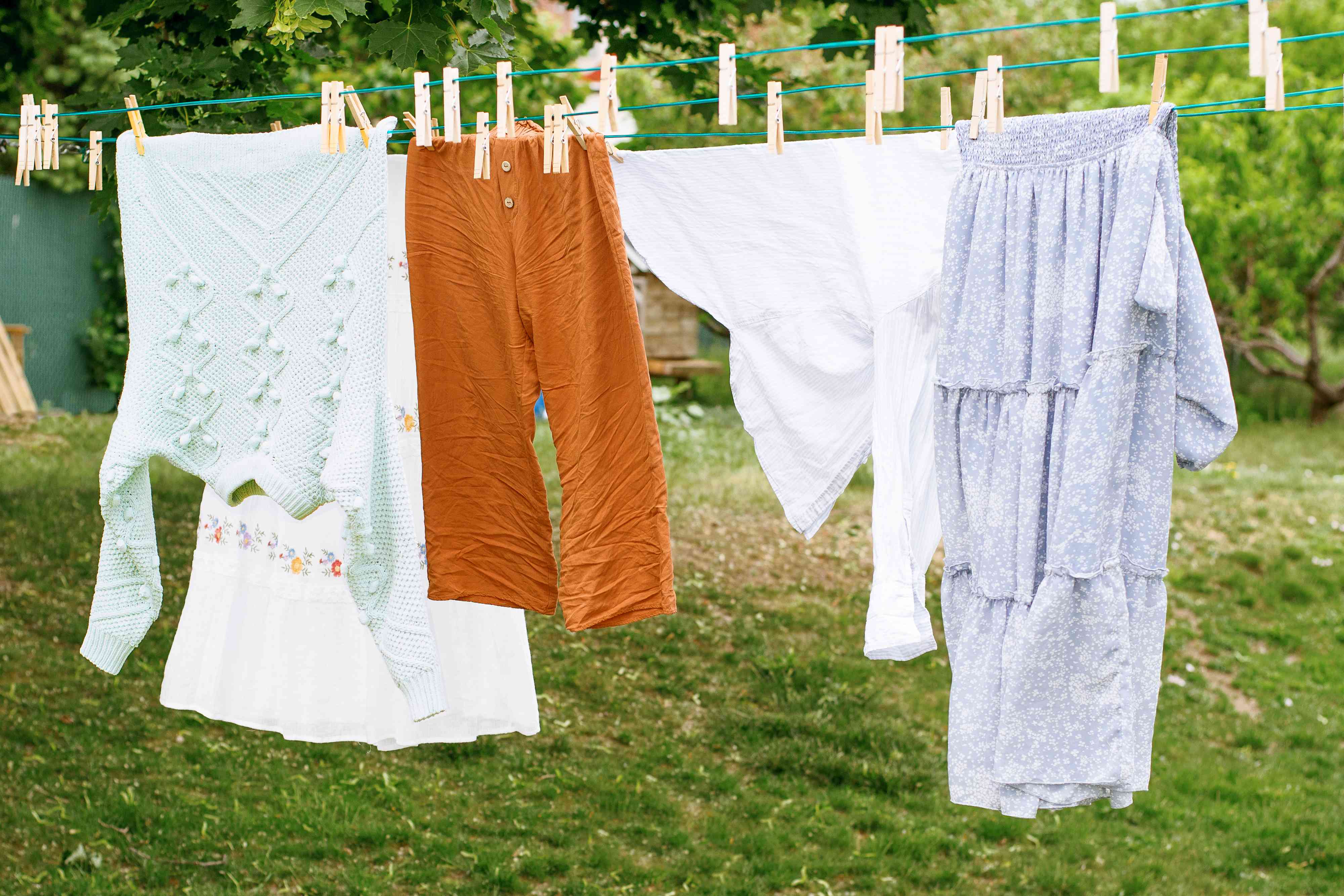
Drying clothes without a dryer sounds old-fashioned until you realize it saves money, protects fabric, reduces energy use, and makes your laundry room feel less like a tiny tropical storm. The best part? You do not need a backyard, a fancy appliance, or a sunny farmhouse porch with gingham curtains. You can dry your clothes for free all year with a clothesline, a drying rack, a few hangers, smart airflow, and a little laundry common sense.
The electric dryer is convenient, no doubt. But it is also one of the hungriest appliances in many homes. Every load you skip is money not drifting out through a vent. Air-drying clothes also reduces heat damage, shrinking, fading, and that mysterious “why did my favorite shirt become doll-sized?” problem. Whether you live in a house, apartment, dorm, or tiny studio where the kitchen and bedroom appear to be emotionally attached, this guide will show you how to dry clothes naturally in every season.
Why Dry Clothes Without a Dryer?
Air-drying is simple, but it is not just about being thrifty. It is about treating your clothes better. Dryer heat can weaken fibers over time, especially in stretchy fabrics, delicates, wool blends, workout clothing, lingerie, and anything with elastic. When you hang dry clothes, you give fabrics a gentler finish and often extend the life of your wardrobe.
There is also the energy-saving angle. Dryers use heat and tumbling to evaporate moisture quickly, which requires a lot of electricity or gas. Air-drying uses what already exists: moving air, warmth, sunlight, and time. That means lower utility bills and a smaller household energy footprint.
The Big Benefits of Air-Drying Clothes
- It costs nothing once you have a basic setup. A clothesline, folding rack, or hangers can last for years.
- It is gentler on fabrics. Less heat means less shrinking, fading, and fiber breakdown.
- It helps delicate items last longer. Bras, sweaters, swimwear, and athletic clothes usually prefer air over heat.
- It reduces wrinkles when done correctly. A good shake before hanging works like a tiny laundry miracle.
- It works year-round. Summer sun, winter indoor airflow, spring breezes, and fall ventilation can all do the job.
The Basic Supplies You Need
You do not need to build a laundry command center. Start with whatever fits your space. For outdoor drying, a traditional clothesline, retractable line, umbrella-style rotary line, or portable drying rack works well. For indoor drying, use a folding rack, wall-mounted rack, shower rod, over-the-door rack, sturdy hangers, or a tension rod installed in a laundry nook.
If you are starting from zero, buy one strong folding rack and a pack of good clothespins. Wooden or sturdy plastic clothespins are better than flimsy pins that give up halfway through a towel. For apartments, a vertical tower rack saves floor space. For families, a wide winged rack can handle more laundry.
Best Free or Low-Cost Drying Surfaces
- Shower rods for shirts and lightweight pants
- Door frames with over-door hooks
- Backs of chairs for towels, used carefully
- Hangers on curtain rods, as long as the rod is strong
- Balcony racks where building rules allow them
- Outdoor lines between posts, trees, or fence supports
Avoid laying wet clothes on untreated wood, upholstery, painted surfaces, or metal that can rust. Wet fabric can leave marks, smells, or damage behind. Your couch may be supportive emotionally, but it does not want to become a laundry rack.
Step-by-Step: How to Dry Clothes for Free
1. Use the Fastest Spin Cycle Your Clothes Can Handle
The wetter your clothes are when they leave the washer, the longer they take to dry. Use a high spin setting for sturdy cottons, towels, sheets, jeans, and everyday clothing. For delicate fabrics, use a lower spin so you do not stretch or stress the fibers.
If you hand-wash an item, press water out gently instead of twisting it like you are wringing out a mop in a cartoon. For sweaters and delicate pieces, roll the item in a clean towel and press. The towel absorbs extra moisture, and your garment keeps its shape.
2. Shake Every Item Before Hanging
This tiny step makes a big difference. Give shirts, pants, towels, and sheets a firm snap or shake before hanging. It relaxes wrinkles, separates fabric layers, removes lint, and helps air reach more surface area. Think of it as waking the garment up after its washing machine nap.
3. Space Clothes Apart
Air needs room to move. If you pack wet clothes tightly together, they dry slowly and may develop a musty smell. Leave gaps between items on a rack or line. Hang thick pieces, like hoodies and jeans, where they get the most airflow. Place lighter items, like T-shirts and socks, in the remaining spaces.
4. Hang Clothes by Fabric Type
Different fabrics dry at different speeds. Lightweight synthetics may dry in a few hours, while jeans and towels can take much longer. Grouping similar items helps you manage the load. Remove dry items as soon as they are ready so damp items get more breathing room.
5. Turn and Rotate Heavy Items
For thick towels, sweatshirts, and jeans, flip them halfway through drying. If one side is against a rack bar or folded over a line, that area can stay damp. Rotating laundry prevents wet spots and speeds up the process without spending a cent.
How to Dry Clothes Outside
Outdoor drying is the gold medal event of free laundry. Sun and wind work together beautifully. The sun helps freshen and brighten white fabrics, while moving air carries moisture away. A breezy cloudy day can dry laundry better than a still hot day because airflow matters more than heat alone.
Best Outdoor Drying Tips
- Check the weather. Avoid high pollen days if allergies are a problem.
- Turn dark clothes inside out. This helps reduce sun fading.
- Use clothespins at seams. Pinning at strong areas helps prevent marks.
- Hang sheets wide. Give large items room so air can pass through.
- Bring laundry in before evening dampness. Clothes can reabsorb moisture when temperatures drop.
For shirts, pin them from the bottom hem or hang them on sturdy hangers. For pants, hang them by the waistband or hems depending on fabric weight. For socks, pin pairs close together so laundry day does not become a tiny mystery investigation.
How to Dry Clothes Indoors Without Causing Mold
Indoor drying is completely possible, but it needs ventilation. Wet laundry releases moisture into the air. If that moisture has nowhere to go, your room may become humid, and humid spaces can encourage mold, mildew, condensation, and musty smells.
The goal is simple: move damp air away and bring drier air in. Open a window when weather allows. Use a bathroom exhaust fan if the rack is nearby. Keep doors open between rooms to improve circulation. If you already own a fan, use it on a low setting to move air around the drying rack. A fan still uses a little electricity, so it is not technically free, but it costs far less than running a heated dryer and can be used only when needed.
Smart Places to Dry Clothes Indoors
- A bathroom with an exhaust fan
- A laundry room with good airflow
- A hallway with space around the rack
- A sunny room with a window cracked open
- Near, but not blocking, a warm air vent in winter
Do not push a rack directly against an exterior wall, especially in cold weather. Exterior walls can be cooler, and damp fabric near a cold surface may create condensation. Keep the rack several inches away from walls and furniture so air can circulate on all sides.
How to Dry Clothes in Winter
Winter air-drying requires patience, but it works. Indoor heat can actually help clothes dry, especially when paired with airflow. The trick is to avoid trapping moisture in a closed room. Place your drying rack in a warm, ventilated area. Open a window briefly if outdoor air is dry, or run an exhaust fan after showers and cooking to keep indoor humidity under control.
Use the washer’s extra spin cycle for towels, jeans, and bedding. Hang thicker items over two bars instead of folding them over one. This creates an air channel and prevents the dreaded damp stripe down the middle.
Winter Drying Formula
More spin + more space + more airflow = faster dry clothes. That is the whole secret. No dryer, no drama, no laundry pile glaring at you from the corner.
How to Dry Clothes During Rainy or Humid Weather
Rainy weeks are the final boss of air-drying. The solution is not to give up; it is to manage moisture. Start with smaller loads so clothes have room to dry. Use hangers for shirts to increase airflow. Place towels and jeans on the outer edges of the rack. If possible, dry laundry in a room with ventilation instead of a cramped closet.
If you own a dehumidifier, it can help a lot, but the focus here is drying clothes for free. So use free methods first: open windows when rain stops, dry laundry near natural airflow, avoid overloading racks, and remove items as soon as they dry. Even ten minutes of fresh air can help reduce indoor dampness.
How to Keep Air-Dried Clothes Soft
Some people avoid line drying because towels can feel stiff. That stiffness usually comes from mineral residue, detergent buildup, or fabrics drying without movement. Use the right amount of detergent; more soap does not mean cleaner clothes. In fact, extra detergent can stay in fabric and make towels feel crunchy.
Shake towels before hanging and again after they dry. You can also snap them once or twice to loosen fibers. Drying towels in a breezy spot helps them feel softer. If your water is hard, occasional laundry stripping or a rinse-friendly washing routine may help, but always follow fabric care labels.
What Should Not Be Hung the Usual Way?
Some clothing needs special handling. Sweaters, heavy knits, and delicate items should often dry flat so they do not stretch. Lay them on a clean towel or mesh drying rack, reshape them gently, and keep them away from direct harsh sunlight. Bras and elastic garments should air-dry because dryer heat can weaken elastic. Swimwear also prefers air drying in shade.
Dry Flat Items
- Wool sweaters
- Cashmere or delicate knits
- Heavy cardigans
- Some hand-wash-only garments
- Clothes with embellishments or delicate construction
Always check the care label. Those tiny laundry symbols may look like secret messages from a fabric wizard, but they tell you whether to line dry, drip dry, dry flat, or avoid tumble drying completely.
How Long Does Air-Drying Take?
Drying time depends on fabric weight, humidity, airflow, temperature, and how wet the clothes were after washing. Lightweight shirts may dry in two to four hours outdoors on a breezy day. Indoor drying may take six to twelve hours. Jeans, towels, and bedding can take longer, especially in humid weather.
The fastest free method is to start early in the day, use a strong spin cycle, hang items with plenty of space, and place the rack where air moves naturally. If you wait until midnight to hang a load of towels in a closed bathroom, you are not drying laundryyou are hosting a damp fabric conference.
Common Air-Drying Mistakes to Avoid
Overloading the Rack
Cramming too many wet clothes onto one rack slows everything down. Use two smaller loads instead of one giant soggy mountain.
Drying in a Closed, Humid Room
Without airflow, moisture stays trapped. Keep doors open, use ventilation, and avoid small sealed rooms.
Ignoring Thick Seams
Waistbands, cuffs, collars, and pockets dry slowly. Turn jeans inside out halfway through drying so hidden damp areas can breathe.
Leaving Clothes Outside Too Long
Outdoor laundry can pick up evening dew, pollen, smoke, or odors. Bring clothes in once they are dry.
Hanging Stretchy Clothes From the Shoulders
Heavy wet knits can stretch. Dry them flat or support them across several rack bars.
A Year-Round Free Drying System
The easiest way to make dryer-free laundry a habit is to create a seasonal system.
Spring
Use outdoor lines when pollen is low. Dry sheets and towels outside on breezy days. Shake clothes before bringing them in.
Summer
Dry early in the morning or late afternoon to reduce fading from intense sun. Turn dark clothes inside out.
Fall
Take advantage of dry, windy days. Move racks indoors before evening chill adds moisture back into fabrics.
Winter
Use indoor racks in ventilated spaces. Run an extra spin cycle and give heavy items extra room. Keep racks away from cold exterior walls.
Real-Life Experiences: What Actually Works When You Stop Using the Dryer
The first week without a dryer can feel like adopting a new pet that only eats floor space. A drying rack appears in the living room, socks dangle from strange places, and everyone in the house suddenly has opinions about towel texture. But after a few loads, the routine becomes surprisingly easy.
One of the best practical lessons is to wash smaller loads more often. A packed washer creates a packed rack, and a packed rack creates slow drying. Smaller loads give clothes room to breathe. They are also easier to sort: shirts on hangers, socks on the top rack, towels on the outside, jeans near the best airflow.
Another helpful habit is doing laundry in the morning. Clothes hung early have the whole day to dry. Even indoors, daylight hours usually bring more movement in the house, more door opening, and more chances for ventilation. By evening, lightweight items are usually ready to fold. Heavier pieces can finish overnight without becoming musty if the room has airflow.
Hangers are the secret weapon. Button-down shirts, T-shirts, dresses, and lightweight pants dry faster when hung separately instead of folded over rack bars. They also dry with fewer wrinkles. If you smooth collars, cuffs, and hems while wet, you may not need to iron. That is not just laundry efficiency; that is a small household victory.
Towels require their own strategy. They dry best when spread wide, not folded into thick layers. If rack space is limited, hang one towel across two bars to create airflow underneath. Shake it hard before hanging and again when dry. It may not feel exactly like a dryer-fluffed towel, but it will be clean, fresh, and free to dry.
Jeans are another slow-drying champion. Turn them inside out, hang them by the waistband, and flip them later. Pockets and seams hold moisture longer than the rest of the fabric. If you forget to check them, you may fold jeans that feel dry until you discover one suspiciously cold pocket. That pocket is not haunted; it is just damp.
For apartments, the best setup is usually a folding rack plus hangers on a shower rod. Place the rack where it will not block daily life. A hallway, bathroom, or sunny corner works better than the middle of the bedroom. Keep a small gap between the rack and the wall. Open a window when weather allows. The goal is to avoid turning your apartment into a laundry-scented rainforest.
For families, the trick is assigning zones. Kids’ clothes dry quickly and can go on the inner bars. Adult jeans and towels need outer edges. Sheets can go over doors or across a line if space allows. Remove dry items throughout the day instead of waiting for everything to finish at once. This creates more airflow for the remaining damp pieces.
The biggest surprise is how much longer clothes can look good. T-shirts keep their shape better. Elastic waistbands do not give up as quickly. Dark clothes fade more slowly when dried inside out and away from harsh sun. Delicates stop living in fear of the dryer. Once you notice fewer shrunken shirts and less lint, air-drying starts to feel less like a sacrifice and more like a wardrobe care upgrade.
Drying clothes for free all year is not about perfection. Some days are humid. Some towels take forever. Sometimes a sock falls behind the rack and begins a new life as a dust collector. But the system works when you give clothes space, airflow, and enough time. The reward is lower energy use, fewer laundry mishaps, and the quiet satisfaction of beating the dryer at its own game.
Conclusion
Drying your clothes for free all year is completely realistic. You only need a smart setup, good airflow, proper spacing, and a routine that changes slightly with the seasons. Outdoor drying is ideal when the weather cooperates, while indoor drying works beautifully when you manage moisture and ventilation. By using a strong spin cycle, shaking garments, hanging items correctly, and giving heavy fabrics extra room, you can skip the dryer without ending up with stiff, musty laundry.
Air-drying saves money, protects fabric, and makes laundry feel a little less wasteful. It may not be as instant as pushing a dryer button, but it is gentler, quieter, and wonderfully practical. Plus, there is something deeply satisfying about fresh laundry drying in the breezeor on a rack near a sunny windowwhile your utility bill minds its own business.