Note: This article synthesizes guidance from reputable U.S.-based health, psychology, and medical organizations, including the American Psychological Association, CDC, NIMH, SAMHSA, Mayo Clinic, Harvard Health, Cleveland Clinic, Johns Hopkins, and the American Heart Association.
The news has always had a talent for barging into the room without knocking. One minute you are drinking coffee, checking the weather, or trying to remember where you put your keys. The next minute, your phone is serving up breaking headlines, global conflicts, economic worries, extreme weather, political drama, public health updates, and twelve opinions from people who seem to type exclusively in capital letters.
If you feel tense, distracted, sad, angry, or emotionally exhausted after consuming the news, you are not “too sensitive.” You are human. Your brain is designed to notice threats. That is helpful when a tiger is nearby. It is less helpful when your tiger is a glowing rectangle that refreshes every 2.5 seconds.
Learning how to cope with stress from news and events does not mean pretending nothing is happening. It means staying informed without letting headlines rent your nervous system like a short-term vacation property. The goal is balance: enough awareness to act wisely, enough boundaries to stay well.
Why News and Current Events Can Feel So Overwhelming
News stress is the emotional and physical strain that comes from repeatedly consuming distressing information. It can happen after major world events, natural disasters, community violence, political uncertainty, financial instability, public health scares, or even a nonstop stream of “small” alarming stories.
The human brain has what psychologists often call a negativity bias. In plain English, bad news grabs attention faster than good news because your survival system wants to know where danger might be. That is why one upsetting headline can stick in your mind longer than five cheerful stories about puppies, gardens, or someone finally learning how to fold a fitted sheet.
The Doomscrolling Trap
Doomscrolling happens when you keep reading negative news even though it makes you feel worse. It usually begins with a reasonable thought: “I should check what is going on.” Then it quietly turns into: “I have now read 47 updates, watched four clips, opened three comment sections, and somehow know less peace than when I started.”
The problem is not caring. Caring is healthy. The problem is consuming distressing information in a way that gives your body no time to process, recover, or return to calm. Constant alerts and endless feeds can keep the mind in a state of hypervigilance, which may lead to anxiety, poor sleep, irritability, trouble focusing, and a gloomy sense that everything is falling apart.
Common Signs That News Stress Is Affecting You
News-related stress can show up in subtle ways. You may not think, “Ah yes, I am experiencing media-induced emotional overload.” More likely, you think, “Why am I snapping at the toaster?”
Common signs include feeling tense after checking the news, replaying upsetting stories in your mind, checking updates compulsively, losing sleep, feeling helpless, getting angry during online discussions, avoiding responsibilities, or feeling emotionally numb. Physical signs may include headaches, tight shoulders, a racing heart, stomach discomfort, fatigue, or changes in appetite.
These reactions do not mean you are weak. They mean your nervous system is responding to repeated stress signals. The good news is that you can train your media habits, daily routine, and coping strategies to reduce the impact.
How To Cope With Stress From News and Events
The healthiest approach is not total avoidance or total immersion. Avoiding everything can leave you uninformed and anxious in a different way. Absorbing everything can leave you exhausted. The sweet spot is intentional news consumption.
1. Create a News Schedule Instead of Checking All Day
Pick one or two specific times to check the news. For example, you might read updates for 15 minutes in the morning and 15 minutes in the early evening. Avoid checking right before bed, unless your goal is to invite the entire internet into your dreams wearing muddy shoes.
A schedule gives your brain predictability. It also stops news from leaking into every quiet moment of your day. When the time is up, close the app, leave the website, and do something that signals completion: stretch, drink water, take a walk, or message a friend about something ordinary.
2. Choose Reliable Sources and Skip the Chaos Buffet
Not every source deserves a front-row seat in your mind. Reliable news outlets, official public health organizations, local government updates, and established medical or academic institutions are usually better than rumor-heavy feeds or posts designed to provoke outrage.
Try limiting yourself to a small group of trusted sources. This reduces repetition and lowers the chance of getting pulled into sensationalized, misleading, or emotionally manipulative content. You do not need twelve versions of the same frightening headline. One accurate version is plenty. Your nervous system is not a storage unit.
3. Turn Off Nonessential Alerts
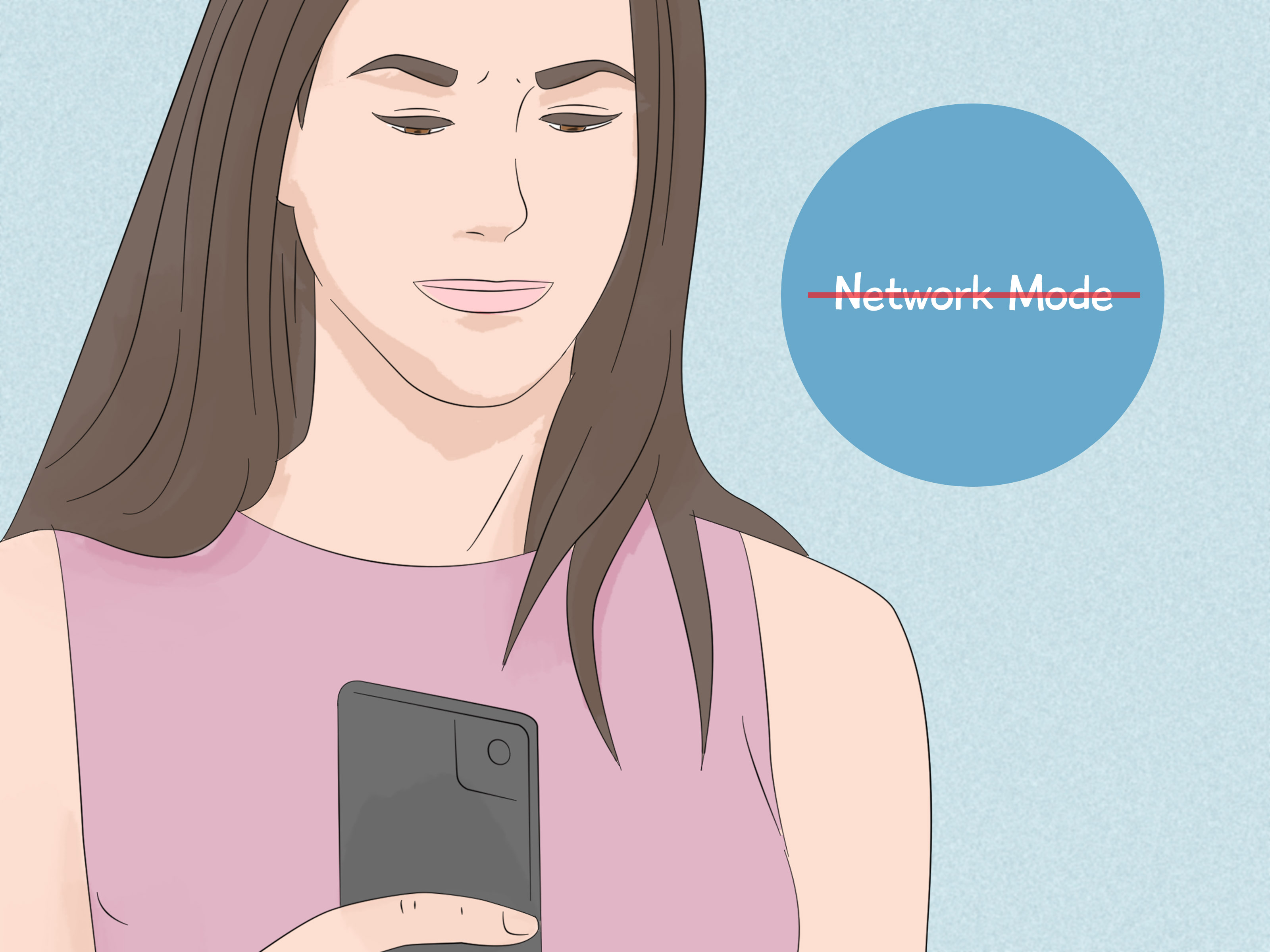
Breaking news alerts can make your phone feel like a tiny panic button. Some alerts are useful, especially for local emergencies or safety information. But many notifications are simply designed to pull you back into the feed.
Turn off nonessential push notifications from news apps, social media platforms, and opinion-heavy accounts. Keep only the alerts that truly matter, such as severe weather warnings or local safety updates. This one change can make your day feel less like a newsroom and more like a life.
4. Notice Your Body Before You Keep Reading
Before opening another article or video, pause and check in with your body. Are your shoulders tight? Is your jaw clenched? Are you holding your breath? Did your stomach just file a formal complaint?
A quick body scan helps you decide whether more information will help or harm. If you are already activated, step away. Take a few slow breaths, stand up, or focus on your surroundings. Stress often becomes easier to manage when you catch it early instead of waiting until your brain is running in emergency mode.
5. Use Grounding Techniques When Headlines Feel Too Big
Grounding techniques bring your attention back to the present moment. One simple method is the 5-4-3-2-1 exercise: notice five things you can see, four things you can feel, three things you can hear, two things you can smell, and one thing you can taste.
You can also place your feet on the floor, name the room you are in, take slow breaths, or hold a cool glass of water. These small actions remind your brain that although the news may be serious, you are here, in this moment, and you can take the next reasonable step.
6. Move Your Body to Burn Off Stress Energy
Stress prepares the body for action. When you sit still and scroll, that energy has nowhere to go. Physical movement helps release tension and supports mood, sleep, and focus.
You do not need an Olympic training plan. A walk around the block, a few minutes of stretching, dancing badly in the kitchen, light yoga, or a short bike ride can help. Bad dancing is especially underrated. It is hard to feel completely powerless while doing questionable shoulder moves to an upbeat song.
7. Protect Your Sleep Like It Is a Tiny Royal Heir
Sleep is one of the first things news stress tries to steal. Late-night scrolling keeps the mind alert, exposes you to bright light, and may fill your head with worries just when your brain should be powering down.
Create a bedtime boundary. Put your phone away at least 30 minutes before sleep, charge it outside the bed if possible, and replace scrolling with a calming routine. Read something gentle, listen to soothing music, stretch, journal, or prepare for the next day. Your bed should not become a command center for global crisis monitoring.
8. Talk to Real People, Not Just Comment Sections
Connection is a powerful stress buffer. Talking with someone you trust can help you process fear, sadness, anger, or confusion. Choose people who can listen without turning the conversation into a debate tournament.
Say something simple: “I read the news today and it really got to me.” That sentence can open the door to support. Sometimes you do not need solutions. You need a witness, a laugh, a hug, or someone who reminds you that the world still contains grocery lists, birthdays, dogs in sweaters, and dinner plans.
9. Take Useful Action, Even If It Is Small
Helplessness grows when you consume information without any path to action. Taking one constructive step can restore a sense of agency.
Depending on the situation, useful action might mean donating to a reputable relief organization, volunteering locally, checking on a neighbor, voting, writing to a representative, preparing an emergency kit, joining a community group, or simply sharing accurate information instead of rumors. Small actions do not solve everything, but they remind your brain that you are not just a spectator.
10. Balance the Negative With the Nourishing
Being informed does not require bathing in bad news 24/7. Make room for content that restores you: stories of helpers, scientific breakthroughs, local kindness, art, nature, humor, faith or reflection, hobbies, and time with people you love.
This is not toxic positivity. You are not pretending pain does not exist. You are giving your mind a full diet instead of feeding it only emotional hot sauce. A balanced media diet helps you stay engaged without becoming depleted.
How Parents, Students, and Workers Can Manage News Anxiety
For Parents and Caregivers
Children and teens often pick up emotional cues from adults. If a major event is in the news, answer questions honestly but calmly. Use age-appropriate language and avoid leaving graphic coverage on in the background. Reassure them about what is being done to keep people safe and what your family can control today.
For Students
Students may feel pressure to stay constantly updated, especially when classmates are discussing events online. Set limits during homework and study time. If news stress makes it hard to focus, take a short break, write down your worries, and return to one manageable task. The assignment in front of you may not fix the world, but finishing it can restore a little control.
For Workers
News stress can sneak into the workday through tabs, group chats, and “just one quick check” moments. Try checking updates during a scheduled break instead of between every task. If a headline rattles you, pause before replying to emails or joining a meeting. A two-minute reset can prevent your stress from accidentally becoming everyone else’s weather report.
When To Seek Extra Support
Most news stress improves with boundaries, rest, connection, and healthy coping habits. But professional support can help if your distress feels intense, lasts for weeks, disrupts sleep, affects school or work, causes panic-like symptoms, or makes daily life feel unmanageable.
A therapist, counselor, doctor, school mental health professional, or trusted healthcare provider can help you build coping skills and understand whether anxiety, depression, trauma stress, or another concern may be involved. Asking for help is not dramatic. It is maintenance. Even cars get tune-ups, and they do not have to process world events.
Everyday Experiences: What Coping With News Stress Can Look Like in Real Life
Imagine a college student named Maya who wakes up and checks her phone before getting out of bed. She sees three upsetting headlines, two arguments in a group chat, and one video that makes her chest tighten. By breakfast, she already feels behind, worried, and strangely tired. Her first change is small: no news before brushing her teeth, getting dressed, and eating something. She still reads the news, but she does it after her morning routine. Within a week, mornings feel less chaotic. The world has not become magically calm, but Maya has stopped handing it the first five minutes of her day.
Now consider a parent named Daniel. He likes staying informed, but during a tense election season he starts watching cable news every night. Soon, dinner feels rushed, bedtime feels tense, and his kids ask why everyone on TV is yelling. Daniel decides to switch from nightly television coverage to reading a balanced news summary once a day. He also starts taking a walk after dinner. The walk becomes a family habit. They talk about school, neighbors, funny things, and occasionally serious events. The news still matters, but it no longer sits at the dinner table like an uninvited guest eating all the bread rolls.
Then there is Lena, who works from home. During a major weather disaster, she keeps refreshing updates because she has friends in the affected area. Her concern is understandable, but after hours of scrolling she feels shaky and unfocused. She makes a list: contact friends directly, check one official emergency source, donate to a relief fund, then log off for the evening. This approach gives her care a direction. Instead of circling the same fear, she turns concern into connection and action.
Another common experience is the “comment section spiral.” A person reads a reasonable article, then scrolls into the comments and emerges 25 minutes later emotionally transformed into a damp sock. If this happens to you, consider making a personal rule: read the article, skip the comments. Public reactions can be useful sometimes, but many comment sections reward speed, anger, sarcasm, and certainty over wisdom. Protecting your peace may be as simple as refusing to attend every argument you are invited to.
Finally, think about the person who feels guilty taking a break. They worry that stepping away means they do not care. In reality, rest can be part of responsible engagement. A burned-out person has less energy to help, think clearly, or participate constructively. Taking a walk, laughing with a friend, cooking dinner, playing music, praying, meditating, or watching a gentle show does not erase compassion. It refuels it.
Healthy coping is not one dramatic transformation. It is a series of small, repeatable choices: fewer alerts, better sources, more sleep, real conversations, movement, grounding, and meaningful action. You do not have to build a wall between yourself and the world. You just need a door that opens and closes on purpose.
Conclusion
Stress from news and events is a normal response to an overloaded information environment. The solution is not ignorance. It is intention. By setting news boundaries, choosing reliable sources, grounding your body, protecting sleep, connecting with others, and taking small constructive actions, you can stay informed without feeling consumed.
The world may continue to be loud, complicated, and occasionally allergic to calm. But your attention is still yours. Spend it wisely. Guard it kindly. And remember: being informed should help you live better, not make you feel like you are personally responsible for refreshing the planet.