Replacing a garage door is one of those home projects that sounds simple until the estimate arrives wearing a tiny hard hat and carrying a clipboard. The door itself is only part of the bill. Size, material, insulation, labor, hardware, opener upgrades, old-door disposal, regional pricing, and the occasional “surprise, your frame is not square” moment can all affect the final total.
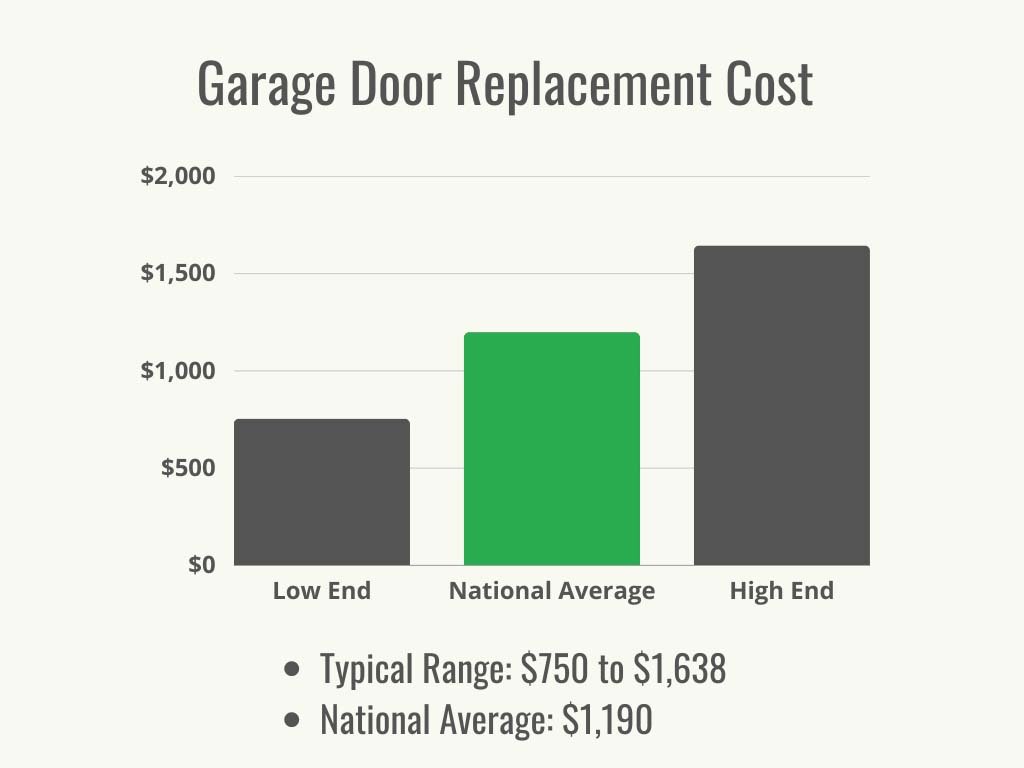
So, how much does a garage door replacement cost? In the United States, many homeowners can expect to spend somewhere between $750 and $2,700 for a standard replacement, while larger, insulated, custom, or multi-door projects may run from $3,000 to $6,000 or more. A basic single steel door is usually the budget-friendly champion. A custom wood carriage-style door with windows, insulation, decorative hardware, and a smart opener? That one walks into the room like it owns a yacht.
The good news is that garage door replacement is often considered one of the stronger curb-appeal upgrades. It improves the look of the home, can increase security, may improve comfort in an attached garage, and can make daily life quieter and smoother. After all, nobody wants their garage door to announce every departure like a medieval drawbridge.
Average Garage Door Replacement Cost
For a typical residential garage door replacement, a realistic national average is often around $1,500 to $2,700 installed. However, the true range is wider because not every garage door is built the same. A no-frills single-car steel door may cost much less than a double-car insulated door with windows and a high-end finish.
| Project Type | Estimated Cost Range |
|---|---|
| Basic single-car steel garage door | $750 to $1,600 |
| Standard double-car garage door | $1,500 to $3,500 |
| Insulated garage door replacement | $1,800 to $4,500 |
| Wood or custom carriage-style door | $2,500 to $6,000+ |
| Garage door opener replacement with installation | $300 to $900 |
These numbers are best used as planning ranges, not final quotes. A homeowner in rural Ohio may pay a very different labor rate than someone in Los Angeles, Seattle, Miami, or the New York metro area. Location matters. So does whether the installer has to remove an old door, adjust framing, replace tracks, upgrade springs, add weather sealing, or install a new opener.
Main Factors That Affect Garage Door Replacement Cost
1. Garage Door Size
Size is one of the biggest cost drivers. A single-car garage door is commonly around 8 or 9 feet wide by 7 or 8 feet tall. A double-car garage door is often around 16 feet wide. Bigger doors require more material, heavier-duty hardware, and more labor to install safely.
If your garage opening is standard, you are already in better shape than someone with a custom-sized opening. Custom sizing can increase the cost because the door may need to be special ordered. Translation: the door becomes fancy, and fancy tends to invoice accordingly.
2. Door Material
The material you choose affects price, durability, maintenance, insulation potential, and style. Steel is usually the most common and cost-effective choice. It is strong, widely available, and can be designed to mimic wood grain. Aluminum is lightweight and modern-looking, but it may dent more easily. Fiberglass resists moisture and can work well in coastal climates. Wood is beautiful, warm, and classic, but it is also more expensive and demands more maintenance.
For most homeowners, steel offers the best balance of price and performance. Wood is the “I want my garage to look like it belongs in a magazine” option. It can be gorgeous, but it may also require painting, staining, sealing, and a bigger budget.
3. Insulation and R-Value
Insulated garage doors cost more upfront, but they can be worth considering if the garage is attached to the house, used as a workshop, located under a bedroom, or exposed to very hot or cold weather. Insulation can also reduce noise, which is nice if your current door sounds like a shopping cart falling down stairs.
Garage door insulation is often measured by R-value. The higher the R-value, the better the door resists heat transfer. A detached garage in a mild climate may not need much insulation. An attached garage in Minnesota, Arizona, Texas, or the Northeast may benefit from a better-insulated door, especially if the space is used frequently.
4. Door Style and Design
A plain raised-panel garage door will usually cost less than a carriage-house style door, modern glass-and-aluminum door, or custom wood-look design. Decorative windows, specialty finishes, faux wood grain, black hardware, and custom overlays can all increase the price.
Style matters because the garage door can take up a large portion of the front of a home. If it faces the street, replacing an old dented door can make the entire house look cleaner and more updated. It is curb appeal with hinges.
5. Labor and Installation
Professional installation is a major part of the total garage door replacement cost. Labor commonly ranges from a few hundred dollars to more than $500, depending on the project. Complex installations, heavy doors, uneven framing, electrical work, or multiple doors can raise the labor total.
Garage doors are heavy, spring-loaded systems. This is not the same as hanging a picture frame slightly crooked and calling it “modern.” Springs, cables, tracks, and openers need to be installed correctly for safe operation. For most homeowners, hiring a professional installer is the smarter move.
6. Hardware, Tracks, Springs, and Weather Seals
A replacement may include new tracks, rollers, hinges, brackets, torsion springs, cables, bottom seals, and perimeter weatherstripping. Sometimes these items are included in the installation package. Sometimes they are itemized separately.
Replacing worn hardware during the door replacement can be a good investment. New rollers and tracks may make the door quieter and smoother. New weather seals can help block drafts, pests, rain, and leaves that seem personally committed to entering your garage.
7. Garage Door Opener
If your opener is old, noisy, unreliable, or incompatible with the new door, replacing it at the same time may make sense. A new opener with installation may cost around $300 to $900, depending on type and features.
Chain-drive openers are often less expensive but noisier. Belt-drive openers are quieter and popular for attached garages. Wall-mounted openers cost more but save ceiling space. Smart openers can connect to apps, allow remote access, and send alerts when the door opens or closes. Very handy, especially if you have ever driven five miles from home and suddenly wondered, “Did I close the garage?”
Garage Door Replacement Cost by Material
| Material | Typical Installed Cost | Best For |
|---|---|---|
| Steel | $750 to $3,500 | Budget, durability, low maintenance |
| Aluminum | $1,200 to $4,000 | Modern style, lightweight doors |
| Fiberglass | $1,500 to $4,500 | Moisture resistance, coastal climates |
| Wood composite | $1,800 to $5,000 | Wood look with less maintenance |
| Solid wood | $2,500 to $6,000+ | Premium curb appeal, traditional homes |
| Glass and aluminum | $2,500 to $8,000+ | Contemporary homes, natural light |
These ranges can shift based on thickness, insulation, wind-rating requirements, local labor rates, and brand. In coastal or hurricane-prone areas, wind-load-rated doors may be required or strongly recommended, which can add to the cost.
Repair vs. Replace: Which Is Cheaper?
Repair is usually cheaper than replacement when the issue is small. A broken spring, damaged roller, faulty sensor, dented panel, or opener problem may cost far less to fix than replacing the whole system. Many common garage door repairs fall in the $150 to $500 range, depending on parts and labor.
Replacement starts making more sense when the door is badly damaged, heavily rusted, warped, unsafe, outdated, or repeatedly breaking down. If repair bills keep showing up like unwanted houseguests, replacement may be the better long-term move.
Replace the Garage Door If:
- The door has major structural damage.
- Multiple panels are cracked, rusted, or warped.
- The door no longer seals properly.
- The system is unsafe or unreliable.
- You want better curb appeal before selling the home.
- The repair cost is close to half the price of replacement.
Repair the Garage Door If:
- The damage is limited to one panel or part.
- The door is fairly new.
- The opener, springs, or rollers need a simple fix.
- The door still operates safely and smoothly.
- You are not ready for a full upgrade.
Hidden Costs Homeowners Should Watch For
The estimate for a garage door replacement may not include every possible cost. Ask what is included before signing anything. Old door removal, haul-away, permit fees, trim repair, frame repair, opener installation, electrical work, and disposal fees can change the final number.
Some homes need extra work around the opening before the new door can be installed. Rotten wood trim, damaged jambs, cracked concrete, or an uneven opening may need repairs. Nobody enjoys discovering hidden rot, but it is better to fix it before attaching a brand-new door to a problem.
How to Save Money on Garage Door Replacement
Choose a Standard Size
If possible, stick with a standard door size. Custom doors look great, but standard sizes are easier to source and usually less expensive.
Compare at Least Three Quotes
Get multiple estimates from licensed, insured garage door companies. The cheapest quote is not always the best, but comparing quotes helps you understand fair pricing in your area.
Skip Unnecessary Decorative Upgrades
Windows, overlays, custom colors, and specialty hardware can improve appearance, but they also add cost. Choose upgrades that genuinely improve your home’s look and function.
Replace the Opener Only If Needed
If your opener is modern, compatible, and working well, you may not need to replace it. If it is old, loud, or missing safety features, replacing it during the door installation can save labor later.
Schedule During Slower Seasons
Some installers may have more availability during slower months. You may not get a huge discount, but flexible scheduling can sometimes help.
Is Garage Door Replacement Worth It?
For many homeowners, yes. A new garage door can improve curb appeal, security, comfort, and daily convenience. It may also help resale value, especially when the old door is dented, faded, noisy, or visually stuck in a decade that also gave us questionable wallpaper.
Garage door replacement is especially worth considering before listing a home for sale. Buyers notice exterior upgrades quickly, and a clean, modern garage door can make the whole house feel better maintained. Even if you are not selling, the everyday benefit matters. A quiet, reliable garage door is one of those upgrades you appreciate every single morning.
Real-World Experience: What Homeowners Often Learn After Getting Quotes
One of the most common homeowner experiences with garage door replacement is sticker shock followed by clarity. At first, a new garage door sounds like it should be simple: pick a door, put it up, done. Then the quotes arrive, and suddenly there are decisions about steel gauge, insulation, windows, spring systems, openers, trim, weather seals, and whether “walnut finish” is worth the extra money. Spoiler: sometimes it is, sometimes it is just your inner design magazine taking the wheel.
A typical homeowner replacing a single, non-insulated steel garage door may start with a basic quote around the lower end of the range. That quote may include the door, standard hardware, installation, and removal of the old door. But once they ask for insulation, decorative windows, upgraded rollers, or a quieter opener, the total climbs. This does not mean the contractor is being sneaky. It means garage doors are systems, not just giant rectangles with ambition.
Another common lesson is that the cheapest door may not be the best value. A thin, non-insulated door can work perfectly well for a detached garage in a mild climate. But for an attached garage, especially one with a bedroom above it, the homeowner may regret not choosing insulation. The garage may stay colder in winter, hotter in summer, and noisier year-round. Saving a few hundred dollars upfront can feel less exciting when the door rattles every time the wind clears its throat.
Homeowners also learn that color and style matter more than expected. A garage door often covers a large part of the front exterior. Replacing a faded white door with a modern steel door in a warm wood-look finish can make the home feel newer overnight. It is like giving the house a fresh haircut, except the haircut weighs several hundred pounds and has torsion springs.
Installation day brings its own surprises. A professional crew may remove the old door quickly, but small issues can appear once everything is exposed. Rotten trim, bent tracks, weak framing, or an outdated opener bracket may need attention. Good installers explain these issues before doing extra work. Homeowners should ask questions, request itemized pricing, and avoid feeling pressured into upgrades they do not understand.
Many people also underestimate how much quieter a new garage door can be. New rollers, balanced springs, fresh tracks, and a belt-drive opener can turn a noisy old door into something almost polite. For families with bedrooms near the garage, this can be a major quality-of-life upgrade. Nobody wants to wake up because someone left early and the garage door performed a metal concert at 6:15 a.m.
The best experience usually comes from preparing before requesting quotes. Measure the opening, take photos, decide whether insulation matters, think about window placement, and set a realistic budget. Ask each contractor what is included: removal, disposal, hardware, weatherstripping, trim work, opener compatibility, warranty, and service after installation. A detailed quote is much easier to compare than a vague one-line estimate.
In the end, most homeowners who choose carefully are happy with the upgrade. A new garage door improves appearance immediately, works more smoothly, and can reduce daily annoyance. It may not be the flashiest home improvement project, but it is one of the most noticeable. Your garage door opens, closes, protects, insulates, and greets the neighborhood every day. For something that works that hard, replacing it when it is worn out is not just a repair. It is a practical upgrade with curb appeal attached.
Final Thoughts
Garage door replacement cost depends on size, material, insulation, design, labor, hardware, and regional pricing. A simple single-car steel door may cost less than $1,500 installed, while a premium double-car custom door can easily exceed $5,000. Most homeowners should plan for the low-to-mid thousands and collect several local quotes before choosing a contractor.
The smartest choice is not always the cheapest door. It is the door that fits your climate, home style, budget, and daily use. Choose durable materials, consider insulation if the garage is attached, hire a qualified installer, and make sure the estimate includes the details. Do that, and your new garage door should look better, operate better, and stop making your house sound like it is launching a cargo elevator.