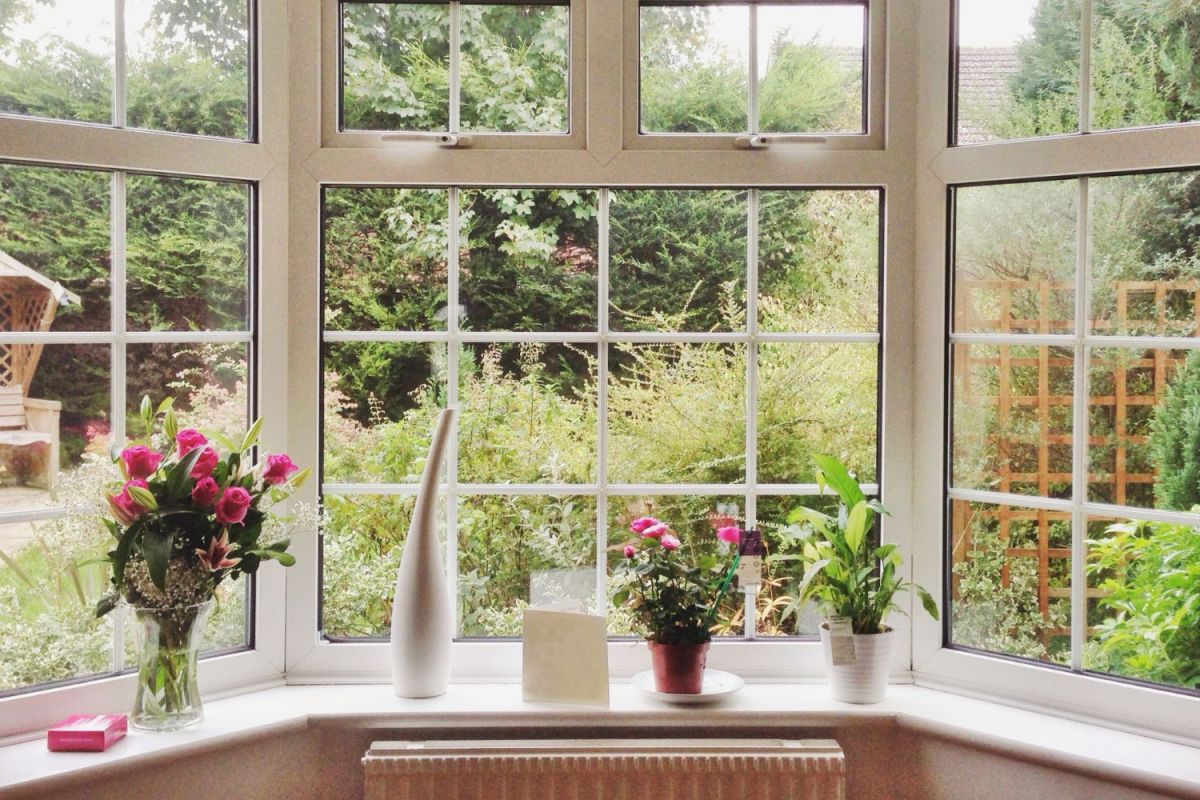
A bay window is one of those home upgrades that can make a room feel brighter, bigger, and slightly more dramaticin a good way, not in a “contractor found old wiring in the wall” way. It projects outward from the house, usually with three window panels, creating a cozy alcove that can become a reading nook, breakfast spot, plant stage, or the family cat’s new executive office.
But before you start mentally arranging throw pillows, there is one very practical question: how much does a bay window cost to install? In most U.S. homes, bay window installation costs about $2,000 to $7,500, with many standard projects landing around $2,500 to $4,000. A simple replacement of an existing bay window may stay near the lower end, while a custom window, structural wall changes, premium materials, roofing work, or interior built-in seating can push the price much higher.
Bay Window Installation Cost: The Quick Answer
The average bay window installation cost depends on whether you are replacing an existing bay window or adding one where a flat windowor no windowcurrently exists. Replacement is usually less expensive because the opening, framing, exterior trim, and support structure may already be in place. A new installation is more complicated because the contractor may need to cut into the exterior wall, frame the opening, support the projection, waterproof the exterior, and finish the inside.
| Project Type | Typical Cost Range | What It Usually Includes |
|---|---|---|
| Basic bay window replacement | $2,000 to $4,000 | Removing an old bay window and installing a similar-size new unit |
| Midrange bay window installation | $4,000 to $7,500 | Larger window, improved glass, trim work, and moderate exterior repairs |
| Custom or structural installation | $7,500 to $12,000+ | New wall opening, custom sizing, premium materials, roof addition, or built-in seating |
For budgeting, a homeowner should treat national averages as a starting pointnot a final invoice. Labor rates, climate, local building codes, window material, glass package, house age, and access to the work area can all change the final cost. In other words, your bay window does not care what the internet average says. It cares what is inside your wall.
What Is a Bay Window?
A bay window is a window assembly that projects outward from the exterior wall of a home. Most bay windows have three sections: a large fixed center window and two smaller side windows set at an angle. Those side windows may be fixed, casement, or double-hung, depending on the design.
The shape creates extra interior space, wider views, and more natural light than a flat window of similar width. That is why bay windows are popular in living rooms, dining rooms, kitchens, bedrooms, and front-facing rooms where curb appeal matters. A bay window can make a basic wall look more architectural, which is homeowner code for “finally, this room has a personality.”
Bay Window vs. Bow Window
Bay windows and bow windows are related, but they are not identical. A bay window usually has three panels and a sharper projection. A bow window typically has four to six panels arranged in a softer curve. Bow windows are often larger, heavier, and more expensive because they require more window units and more support. If your budget is already clearing its throat nervously, a bay window is often the more cost-friendly choice.
Main Factors That Affect Bay Window Cost
1. Window Size
Size is one of the biggest cost drivers. A small bay window for a breakfast nook costs less than a large living-room bay window with a deep projection and panoramic glass. Larger windows require more materials, more glass, stronger framing, and more labor. They may also require additional structural support underneath the window.
A wider or deeper bay window can also increase finishing costs. The interior seat board, insulation, trim, drywall repair, paint, and exterior flashing all grow with the size of the unit. Bigger views are lovely, but they rarely arrive alone; they bring a bigger receipt.
2. Frame Material
Bay windows are available in several frame materials, and each affects the cost, appearance, maintenance, and energy performance.
- Vinyl: Usually the most affordable and low-maintenance option. It works well for many homes but may offer fewer custom design choices.
- Wood: Warm, traditional, and attractive, but more expensive and more maintenance-heavy. Wood is popular in historic homes and high-end interiors.
- Fiberglass: Strong, stable, and energy efficient, often priced higher than vinyl.
- Aluminum or clad wood: Durable exterior performance with a cleaner finish, but costs can rise quickly depending on the brand and style.
Vinyl is often the practical pick for homeowners who want a good-looking window without adopting a new maintenance hobby. Wood is beautiful, but it expects attentionlike a houseplant with a mortgage.
3. Glass Type and Energy Efficiency
Glass upgrades can raise the cost of a bay window, but they can also improve comfort. Double-pane glass is common in modern window installations. Triple-pane glass, low-emissivity coatings, gas fills, and better spacers can reduce heat transfer and drafts. These features are especially helpful in climates with cold winters, hot summers, or noisy streets.
When comparing energy-efficient bay windows, homeowners should look for the NFRC label. Important ratings include U-factor, Solar Heat Gain Coefficient, visible transmittance, air leakage, and condensation resistance. A lower U-factor generally means better insulation. A lower Solar Heat Gain Coefficient means the window allows less solar heat into the home, which can matter in hot climates.
4. Labor and Installation Complexity
Labor is a major part of bay window installation cost because bay windows are more complicated than standard flat windows. The installer must support the projecting structure, seal multiple joints, flash the exterior properly, and make sure the window does not sag, leak, or invite drafts to move in rent-free.
Labor is usually lower for replacing an existing bay window with a similar-size unit. It becomes more expensive when the contractor must create a new opening, move electrical wiring, repair siding, add exterior roofing, or rebuild interior trim. Older homes can also add surprises, including uneven framing, hidden water damage, outdated insulation, or trim that refuses to come off without taking half the wall with it.
5. Structural Support
Because bay windows project outward, they need proper support. Smaller units may use cable support systems attached above the window, while larger or heavier units may need brackets, knee braces, or other structural reinforcement. If the wall opening is being enlarged, a new header may be needed to carry the load above the window.
This is one reason professional installation is strongly recommended. A bay window is not just a pretty glass box; it is a mini architectural event attached to your house. If it is not supported and sealed correctly, the result can be leaks, drafts, sagging, and expensive repairs.
6. Exterior Roofing or Flashing
Some bay windows tuck under an existing roof overhang. Others need a small roof or cap built over the projection. This can add hundreds or even thousands of dollars depending on the roofing material, flashing requirements, and exterior finish. Asphalt shingles are usually less expensive than metal or copper roofing.
Good flashing is not the glamorous part of the project, but it is one of the most important. Nobody compliments flashing at dinner parties, yet poor flashing is often the reason a beautiful window becomes a water problem.
7. Interior Finishing
The inside of the bay window may need a seat board, insulation, trim, drywall repair, painting, or built-in storage. A simple finished ledge costs less than a custom bench with drawers, cushions, lighting, and decorative millwork. If you want the bay window to look like it has always belonged in the room, budget for interior finish work rather than stopping at the window unit itself.
8. Permits and Local Code Requirements
Many window replacements do not require complex permitting, but a bay window can be different if the project changes the structure of the wall. Permit rules vary by city and county. Some areas may require a permit for any exterior window replacement, while others focus on projects involving structural changes, egress requirements, or energy-code compliance.
Permit fees are commonly modest compared with the whole project, but they should not be ignored. Ask your installer whether permits are included in the estimate and whether inspections are required. It is better to learn this before the project begins than when a city inspector appears like a surprise plot twist.
Bay Window Cost by Material
Material choice can dramatically affect the final price. The following ranges are broad estimates for installed bay windows and can vary by region, brand, size, and project complexity.
| Material | Typical Installed Cost | Best For |
|---|---|---|
| Vinyl | $2,000 to $5,500 | Budget-friendly projects and low maintenance |
| Wood | $3,500 to $8,500+ | Traditional homes, historic style, premium interiors |
| Fiberglass | $3,500 to $9,000+ | Strength, durability, and energy efficiency |
| Aluminum-clad or composite | $4,000 to $10,000+ | Durability, upscale appearance, and weather resistance |
The cheapest option is not always the best value. A bargain bay window that leaks, fades, warps, or performs poorly in your climate can cost more in the long run. On the other hand, not every home needs the most expensive custom wood unit available. The sweet spot is a window that fits the home’s architecture, climate, maintenance expectations, and budget.
Replacement Bay Window vs. New Bay Window Installation
Replacing an Existing Bay Window
If your home already has a bay window, replacing it with a similar-size model is usually the more affordable route. The opening is already there, and the contractor may be able to reuse or adapt parts of the existing structure. However, if the old window leaked, there may be hidden water damage around the framing, sheathing, or sill. That repair work can increase the cost.
Adding a Bay Window Where None Exists
Installing a bay window in a flat wall is a larger project. The contractor must cut the opening, frame it correctly, install structural support, protect the exterior from water, and finish both sides of the wall. This type of project can easily move into the higher price range, especially if electrical outlets, siding, masonry, or interior finishes need to be altered.
Common Add-Ons That Increase the Price
A bay window can be simple or fancy. Fancy is delightful, but it charges by the hour. Here are common upgrades that can increase the total installation cost:
- Custom sizing: Nonstandard dimensions cost more to manufacture and install.
- Built-in seating: A bench, cushions, drawers, or shelves add carpentry costs.
- Premium glass: Triple-pane, laminated, tempered, or specialty glass raises the price.
- Roof cap: A new roof structure over the bay window adds labor and materials.
- Exterior siding repair: Matching old siding can be tricky and sometimes expensive.
- Interior trim upgrades: Stained wood, custom casing, and decorative molding cost more than basic trim.
- Window treatments: Bay windows often need custom blinds, shades, or curtains.
Is a Bay Window Worth the Cost?
For many homeowners, a bay window is worth the cost because it improves both the inside and outside of the home. It brings in more light, expands the view, adds usable ledge or seating space, and creates a more finished architectural look. In a front room, it can also boost curb appeal, which matters when selling a home.
Window replacement projects can also retain a meaningful portion of their cost at resale, particularly when the old windows are inefficient, damaged, or unattractive. However, homeowners should be realistic: a bay window is not a magic money machine. It may increase appeal and comfort, but the main return is often daily enjoyment rather than a guaranteed dollar-for-dollar profit.
The project is most worthwhile when the existing window is failing, the room feels dark or flat, the home’s exterior would benefit from more dimension, or the homeowner plans to stay long enough to enjoy the upgrade. It is less compelling if the budget is tight and the existing window is already efficient and in good condition.
How to Save Money on Bay Window Installation
Bay windows are not the cheapest window style, but there are smart ways to control costs without sabotaging quality.
Get Multiple Quotes
Ask for at least three detailed estimates from licensed and insured window contractors. Make sure each quote includes the same scope: window size, material, glass package, labor, permit handling, exterior repair, interior trim, disposal, and warranty. A low quote may not be a bargain if it leaves out half the work.
Choose Standard Sizes When Possible
Custom bay windows look great, but standard sizes are usually more affordable. If a standard unit fits the wall and the room, it may save money on both manufacturing and labor.
Keep the Existing Opening
Replacing an old bay window with a similar-size new one is usually cheaper than enlarging the opening or adding a bay window to a new location. Structural changes are where budgets begin doing cardio.
Balance Efficiency and Budget
Energy-efficient glass is often worth considering, especially in extreme climates. Still, compare the actual performance ratings and price differences. Choose upgrades that make sense for your region rather than buying every option on the menu.
Schedule During a Slower Season
Spring and fall are popular because the weather is mild. Winter may sometimes offer better scheduling or promotional pricing, depending on the contractor and region. The right timing can help, but proper installation matters more than chasing a tiny discount.
DIY vs. Professional Bay Window Installation
A very experienced DIYer may be able to replace a small bay window, but this is not a beginner-friendly project. Bay windows are heavy, awkward, and structurally more demanding than typical window replacements. The installation must be level, supported, insulated, sealed, and flashed correctly. Mistakes can lead to water damage, air leaks, rot, and a window that looks slightly crooked foreverwhich is the kind of thing you will notice every morning while drinking coffee.
Professional installation is usually the safer choice. A qualified contractor can evaluate the wall, confirm support requirements, handle permits, install flashing, and finish the interior and exterior properly. The labor cost may feel painful upfront, but it is often cheaper than repairing a failed DIY installation later.
Questions to Ask Before Hiring a Bay Window Installer
Before signing a contract, ask practical questions that reveal what is included and what could cost extra:
- Is this a replacement installation or a structural new installation?
- What material and glass package are included?
- Will the estimate include permits and inspections?
- Is exterior flashing, siding repair, and trim included?
- Will the window need a roof cap or support brackets?
- What warranty covers the window, and what warranty covers labor?
- How will hidden water damage or framing problems be priced?
- Who is responsible for painting, staining, or final interior finish work?
A good estimate should be specific. “Install bay window” is not enough detail for a project that may involve framing, roofing, siding, trim, and energy performance. The more precise the contract, the fewer awkward conversations later.
Realistic Budget Examples
Example 1: Simple Replacement
A homeowner replaces an old vinyl bay window with a similar-size new vinyl unit. The opening is sound, the exterior siding needs only minor touch-up, and the interior trim is basic. This project may cost around $2,500 to $4,000.
Example 2: Midrange Living Room Upgrade
A homeowner replaces a large front picture window with a bay window. The contractor must modify the opening, add support, install energy-efficient glass, repair siding, and finish the interior with painted trim. This may cost around $5,000 to $8,500.
Example 3: Custom High-End Installation
A homeowner adds a custom wood bay window with premium glass, a copper roof cap, built-in seating, storage drawers, stained trim, and custom window treatments. This project can reach $10,000 to $15,000 or more, depending on the home and finishes.
Experiences and Practical Lessons From Bay Window Projects
Homeowners often begin a bay window project with a mood-board dream: sunlight pouring in, a cushion-lined nook, maybe a cup of coffee placed perfectly on the ledge like a magazine photo. The finished result can absolutely deliver that feeling, but the process is more successful when expectations are grounded in real installation details.
One common experience is that the room feels transformed immediately. A flat wall can look plain for years, and then one bay window suddenly gives the space depth, character, and more daylight. In living rooms, the change is especially noticeable because the window becomes a focal point. Furniture placement often improves too. A chair near the bay, a small table, or a built-in bench can make the room feel more intentional.
Another lesson is that the “window cost” and the “project cost” are not always the same thing. Homeowners may budget for the window unit and installation, then discover that the final quote also includes interior trim, exterior siding repair, painting, insulation, permit fees, disposal, and sometimes roof work. None of these items are unreasonable, but they can surprise anyone who expected the process to be as simple as swapping one glass rectangle for another. Bay windows are more like tiny room additions than basic window replacements.
Many homeowners also learn the value of choosing the right depth. A shallow bay window can add light and style without taking over the wall, while a deeper projection can create usable seating or display space. The deeper option is tempting, but it may require stronger support and more exterior work. Before choosing, it helps to stand in the room and imagine how the space will actually be used. If the goal is plants and light, a modest projection may be enough. If the goal is a reading bench, the seat depth matters.
Energy performance is another real-world consideration. A bay window brings in more glass area, which means more opportunity for heat gain, heat loss, glare, and drafts if the window is poorly selected or installed. Homeowners in hot climates often appreciate glass that limits solar heat gain. Homeowners in colder climates tend to focus on insulation and air sealing. The best choice depends on the house, not just the showroom display.
Finally, homeowners frequently say the installer matters as much as the window brand. A high-quality window can perform poorly if it is not flashed, sealed, leveled, and supported correctly. A careful installer will inspect the opening, explain potential hidden problems, protect the interior, and clarify what happens if damaged framing appears. That communication makes the project less stressful. The best bay window experiences usually come from a combination of realistic budgeting, good product selection, and professional installationnot from picking the cheapest quote and hoping the laws of physics are feeling generous.
Conclusion: What Should You Expect to Pay?
So, how much does a bay window cost to install? Most homeowners should expect to spend between $2,000 and $7,500, with a typical standard project often landing around $2,500 to $4,000. Simple replacements cost less, while custom sizes, structural changes, premium materials, roof additions, and built-in seating can push the price significantly higher.
The best way to plan is to separate the project into parts: the window unit, labor, structural support, exterior waterproofing, interior finishing, permits, and optional upgrades. Once you understand those pieces, the estimate becomes easier to evaluate. A bay window is not the cheapest home improvement project, but when installed properly, it can add light, charm, usable space, curb appeal, and a daily dose of “this room finally feels finished.”