Smoke detectors are the tiny ceiling gadgets we tend to ignore until they chirp at 2:13 a.m. like a robotic cricket with unfinished business. But when there is real smoke in the house, that little alarm becomes one of the most important safety devices you own. So, how many smoke detectors do you need? The simple answer is: one inside every bedroom, one outside each sleeping area, and one on every level of your home, including the basement.
The more useful answer depends on your home’s layout, number of bedrooms, hallways, floors, stairways, and special spaces like finished attics or converted garages. A studio apartment may only need a few. A large two-story home with four bedrooms may need eight, ten, or more. The goal is not to decorate the ceiling with plastic saucers. The goal is to make sure smoke is detected quickly enough for everyone to wake up, react, and escape.
The Basic Smoke Detector Rule
For most homes in the United States, the standard smoke alarm placement rule is easy to remember:
- Install a smoke detector inside every bedroom.
- Install one outside each separate sleeping area.
- Install one on every level of the home, including the basement.
This means you should not think of smoke detectors as “one per house.” That is like buying one umbrella for a family of six and hoping everyone walks in a perfect huddle. Smoke does not politely travel to the one alarm you installed near the front door. It moves according to heat, air currents, closed doors, stairways, and the location of the fire.
Quick Formula: How to Count Smoke Detectors
Here is a practical way to estimate how many smoke detectors your home needs:
Step 1: Count every bedroom
Each bedroom should have its own smoke detector. If your home has three bedrooms, start with three alarms.
Step 2: Count each sleeping-area hallway
If all bedrooms are clustered around one hallway, add one smoke detector in that hallway. If the primary bedroom is on one side of the house and the kids’ rooms are on another, each sleeping area needs its own alarm outside the rooms.
Step 3: Count every level
Add at least one smoke detector for each floor, including the basement. If a level already has a hallway alarm near bedrooms, that may satisfy the “every level” requirement for that floor, depending on layout. But large open floors may need more than one.
Step 4: Add alarms for large or separated spaces
Large living rooms, long hallways, finished attics, bonus rooms, home offices used overnight, and finished basements may need extra coverage. If smoke would have to take a long sightseeing tour before reaching an alarm, add another detector.
Examples: How Many Smoke Detectors Different Homes Need
Studio Apartment
A studio apartment may need one smoke detector in the main living/sleeping area and possibly another near the kitchen or entry, depending on the layout and local code. If the sleeping area is separated by a wall, alcove, or door, treat it like a bedroom area and place an alarm accordingly.
One-Bedroom Apartment
A one-bedroom apartment usually needs one smoke detector inside the bedroom and one outside the bedroom, often in the hallway or living area. If the apartment has multiple levels, each level needs coverage.
Two-Bedroom Ranch House
A single-story home with two bedrooms located near each other typically needs one alarm in each bedroom, one in the hallway outside the bedrooms, and at least one alarm in a main living area or other part of the level. If there is a basement, add one there too.
Four-Bedroom Two-Story Home
A four-bedroom home may need four bedroom alarms, one or two hallway alarms outside sleeping areas, one alarm on the main level, and one in the basement. If the home has a finished attic, bonus room, or long-separated wings, the number may climb to eight or more.
Home With Bedrooms on Different Floors
If one bedroom is downstairs and the rest are upstairs, each sleeping area needs its own alarm. Do not assume an upstairs hallway alarm will wake someone sleeping behind a closed downstairs door.
Where Should Smoke Detectors Be Installed?
Smoke rises, so smoke detectors should generally be installed on ceilings or high on walls. Ceiling-mounted alarms should be placed away from corners where dead air can prevent smoke from reaching the sensor quickly. Wall-mounted alarms should be installed close to the ceiling, following the manufacturer’s directions.
In basements, smoke detectors are often best placed on the ceiling near the bottom of the stairs leading to the next level. This helps catch smoke before it travels upward and gives people upstairs more warning.
Where Not to Put Smoke Detectors
Smoke detectors are smart, but they are not culinary critics. Put one too close to the stove and it may scream every time you make toast with ambition. To reduce false alarms, keep smoke detectors at least 10 feet from cooking appliances whenever possible.
Avoid placing smoke detectors near windows, doors, vents, ceiling fans, or ducts. Drafts can push smoke away from the alarm and delay detection. Also avoid bathrooms or very humid areas because steam may trigger nuisance alarms. Garages, dusty workshops, and unfinished attics can also be tricky because temperature swings, dust, and fumes may interfere with performance. In those spaces, a heat alarm may be more appropriate, but check local code and manufacturer instructions.
Do I Need Smoke Detectors in Every Bedroom?
Yes, every bedroom should have a smoke detector. This is especially important because people are most vulnerable when they are sleeping. If a fire starts in a bedroom, hallway, basement, or living room, the alarm needs to be close enough and loud enough to wake the person behind the door.
Closed bedroom doors can slow the spread of smoke and fire, which is good for survival time. However, a closed door may also delay smoke from reaching a hallway alarm. That is why alarms inside bedrooms matter. The hallway alarm is not a substitute for bedroom alarms; it is backup coverage.
Should Smoke Detectors Be Interconnected?
Interconnected smoke detectors are strongly recommended. When one alarm sounds, all alarms sound. This matters in larger homes, multi-level homes, and homes where people sleep with doors closed, fans running, white-noise machines humming, or teenagers wearing headphones like they are preparing for space travel.
Interconnected alarms may be hardwired, wirelessly linked, or part of a compatible smart home system. In new construction, hardwired interconnected alarms are commonly required. In older homes, wireless interconnected models can be a practical upgrade without opening walls.
What Type of Smoke Detector Should I Buy?
There are two common smoke alarm sensing technologies: ionization and photoelectric. Ionization alarms tend to respond quickly to fast-flaming fires, while photoelectric alarms are often quicker with smoldering fires. Because real home fires can behave in different ways, many safety experts recommend using both technologies or choosing dual-sensor alarms.
Look for alarms listed by a recognized testing laboratory, such as UL or ETL. Also consider features like sealed 10-year batteries, voice alerts, hush buttons, and interconnection. A hush button is especially helpful near kitchens because it lets you silence a nuisance alarm without removing the battery, which is the fire-safety equivalent of taking the batteries out of your seat belt.
What About Smart Smoke Detectors?
Smart smoke detectors can send phone alerts, identify which room triggered the alarm, and integrate with other devices. They can be useful, especially if you travel often or want extra awareness when you are away from home. However, smart features do not replace proper placement, monthly testing, or having enough alarms.
If you choose smart smoke detectors, make sure they meet recognized safety standards and provide the right sensor coverage for your home. A basic properly installed alarm is better than a fancy under-installed system. Safety first, app notifications second.
How Often Should Smoke Detectors Be Tested?
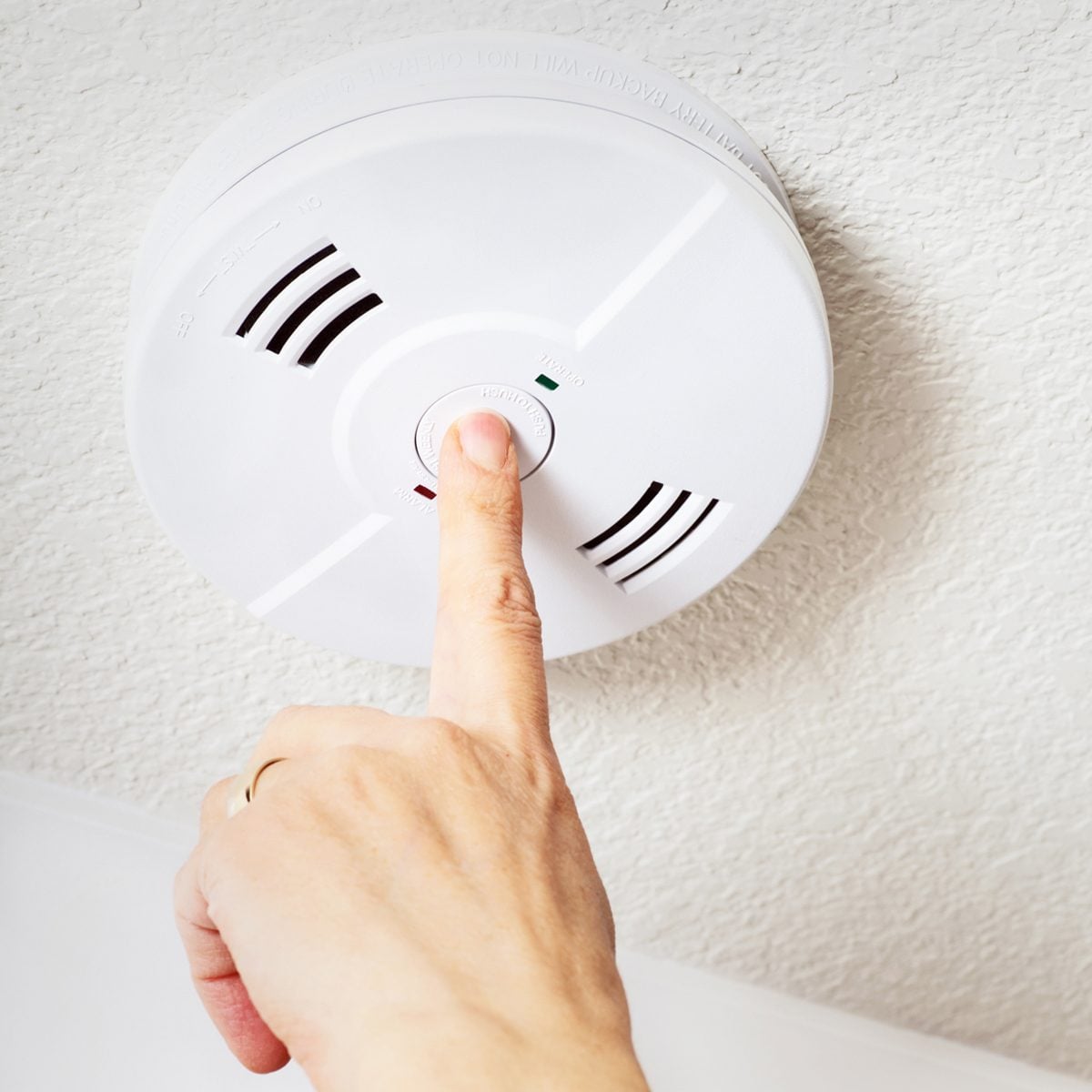
Test smoke detectors once a month by pressing the test button. Yes, it is loud. Yes, your dog may judge you. But that short beep confirms the alarm can still make noise when it matters.
Replace standard batteries at least once a year, unless the alarm has a sealed long-life battery. If an alarm chirps, do not ignore it. Chirping usually means the battery is low or the unit needs attention. Never remove the battery and walk away “just for now.” That tiny act can leave a home unprotected for weeks, months, or forever.
When Should Smoke Detectors Be Replaced?
Most smoke detectors should be replaced every 10 years from the manufacture date, not the day you finally noticed it while painting the hallway. Look at the back of the alarm for the manufacture date. If it is 10 years old or older, replace it.
Smoke detector sensors can become less reliable with age. Even if the alarm still beeps during a test, the sensor may not respond to smoke as quickly as it should. Think of it like old sneakers: they may still look like shoes, but you probably should not run a marathon in them.
Smoke Detectors vs. Carbon Monoxide Alarms
Smoke detectors and carbon monoxide alarms are not the same thing. Smoke detectors warn you about fire. Carbon monoxide alarms warn you about a colorless, odorless gas that can come from fuel-burning appliances, fireplaces, generators, or attached garages.
Many homes need both. Combination smoke and carbon monoxide alarms can be convenient in the right locations, especially near sleeping areas and on levels with fuel-burning appliances. However, follow the product instructions because ideal placement for smoke and carbon monoxide detection can vary.
Common Smoke Detector Mistakes
Installing too few alarms
One alarm in the hallway is not enough for most homes. Bedrooms, levels, and separated spaces all matter.
Putting alarms too close to the kitchen
False alarms lead people to disable detectors. Keep alarms far enough from cooking appliances to reduce nuisance alerts.
Forgetting the basement
Basements often contain electrical equipment, laundry appliances, storage, furnaces, and other fire risks. They need smoke detection too.
Ignoring old alarms
An alarm older than 10 years should be replaced, even if it looks clean and innocent.
Not interconnecting alarms
If a fire starts far from the bedrooms, interconnected alarms can provide faster warning throughout the house.
A Room-by-Room Smoke Detector Checklist
- Bedrooms: One smoke detector inside each bedroom.
- Hallways outside bedrooms: One outside each separate sleeping area.
- Main level: At least one alarm, plus more for large layouts.
- Basement: One near the stairs leading upward.
- Finished attic: Add an alarm if the space is used or finished.
- Large living areas: Add alarms if the space is far from existing coverage.
- Kitchen area: Place nearby, but not too close to the stove.
- Garage: Consider a heat alarm instead of a smoke alarm, depending on local guidance.
Personal Experience: What Homeowners Learn After Counting Their Smoke Detectors
Many homeowners discover they need more smoke detectors only after doing a real walk-through. On paper, a home may sound simple: three bedrooms, two bathrooms, one basement. In real life, the layout tells a different story. The primary bedroom may sit at the end of a long hallway. The basement stairs may be behind a door. The kids’ rooms may be split by a loft. Suddenly, “we have a smoke alarm somewhere” starts to feel less comforting.
One practical experience is to start at the front door and walk through the home as if smoke were trying to reach an alarm. Stand in each bedroom with the door closed. Can you hear the nearest alarm clearly? Is there an alarm in that room? If a fire started in the basement, would someone upstairs know quickly? If a fire started in the laundry room, would it trigger an alarm before smoke reached the bedrooms? This kind of walk-through makes the answer much clearer than guessing from a chair.
Another helpful habit is to make smoke detector counting part of a seasonal home check. When changing HVAC filters, cleaning gutters, or preparing for winter, test every alarm and check the manufacture date. Use a phone reminder or a simple note taped inside a utility closet. It is not glamorous home maintenance, but neither is cleaning dryer lint, and both can matter more than whether the throw pillows match.
Families with kids can turn the monthly test into a quick safety drill. Press the test button, let everyone hear the sound, and review the escape plan. Children should know two ways out of their room when possible, where to meet outside, and that they should never go back inside for pets, toys, tablets, or the world’s most beloved stuffed dinosaur. Adults should practice too, because panic has a way of making smart people forget simple plans.
Pet owners may also learn that alarms need to be loud enough and placed well enough to alert humans before animals are trapped. While pets cannot follow a written escape plan, earlier warning gives people more time to act safely. Older adults, heavy sleepers, and people with hearing loss may need additional features such as bed shakers, strobe lights, low-frequency sounders, or connected alert systems.
In many homes, the biggest improvement is interconnection. A basement alarm that only sounds in the basement may not wake someone upstairs. But when all alarms sound together, the warning becomes hard to miss. It is the difference between one person whispering “fire” from another room and the whole house joining an emergency choir.
The final lesson is simple: smoke detectors are not a one-time purchase. They are a small home safety system. Count them, place them correctly, test them monthly, replace them on schedule, and resist the temptation to disable them after one smoky cooking adventure. Your smoke detector is not trying to ruin breakfast. It is trying to make sure you get another one.
Conclusion: So, How Many Smoke Detectors Do You Need?
You need enough smoke detectors to cover every bedroom, every sleeping area, and every level of your home. For a small apartment, that may mean two or three. For a larger multi-level house, it may mean eight, ten, or more. The best number is the number that gives every person in the home fast warning, even at night, even behind closed doors, and even if the fire starts far away.
Use this simple rule: inside every bedroom, outside every sleeping area, and on every level. Then add more where your layout creates distance, barriers, or blind spots. Choose listed alarms, consider interconnected models, test monthly, and replace units every 10 years. Smoke detectors are small, affordable, and easy to forgetbut in an emergency, they can become the loudest little heroes in the house.