Stomach pain has an impressive talent for creating confusion. Was it the spicy tmore serious? When discomfort repeatedly appears in the upper abdomenespecially after a rich mealthe gallbladder may deserve a place on the suspect list.
Gallstones do not usually damage the stomach itself. Instead, they can obstruct the small ducts that carry bile, causing pressure, muscular spasms, inflammation, and sometimes infection. The resulting pain is commonly felt beneath the right rib cage or in the upper middle abdomen, so many people casually describe it as “stomach pain.” >
What Are Gallstones?
Gallstones are hardened deposits that form from substances in bile. Bile is a digestive fluid produced by the liver and stored in the gallbladder, a small pear-shaped organ located beneath the liver. When you eat, the gallbladder contracts and sends bile through narrow ducts into the small intestine, where it helps the body digest fat.
Most gallstones are made primarily of cholesterol. Others, known as pigment stones, contain bilirubin, a substance produced when the body breaks down red blood cells. Stones can be smaller than a grain of sand or large enough to give a golf ball an identity crisis. A person may have one stone, several stones, or hundreds of tiny stones and never know it. ilent gallstones versus symptomatic gallstones
Many gallstones are “silent,” meaning they remain in the gallbladder without blocking bile flow or causing noticeable symptoms. These stones are often discovered accidentally during an ultrasound or another imaging test performed for an unrelated reason.
Silent gallstones generally do not require treatment. Problems begin when a stone moves into the neck of the gallbladder or enters a bile duct and becomes stuck. That obstruction is what turns an innocent-looking pebble into an abdominal troublemaker. n>
How Gallstones Cause Stomach Pain
The gallbladder squeezes after a meal to release bile. If a gallstone blocks the exit, bile cannot flow normally. Pressure rises inside the gallbladder while its muscles continue contracting against the obstruction. This combination of pressure and muscular spasm produces the characteristic pain known as biliary colic or a gallbladder attack.
Despite the word “colic,” the pain is often steady rather than coming in short, rhythmic waves. It may build quickly, remain intense for 30 minutes to several hours, and gradually fade when the stone shifts or the pressure eases. hy the pain often follows a fatty meal
Fat in a meal signals the gallbladder to contract. A burger, creamy casserole, fried chicken dinner, or extra-cheesy pizza does not create a gallstone overnight, but it may encourage an already stone-filled gallbladder to squeeze harder.
If a stone is positioned near a duct, that stronger contraction can trigger an attack. Symptoms commonly start after eating, sometimes within an hour, but attacks may also occur later in the evening or wake someone from sleep. Fatty food is a frequent trigger, not a required ingredient; gallstone pain can occur even after an ordinary meal. hy pain can spread to the back or shoulder
The nervous system does not always identify the exact source of internal pain. Nerves serving the gallbladder share pathways with nerves associated with nearby areas. As a result, the brain may interpret gallbladder distress as pain in the upper back, between the shoulder blades, beneath the breastbone, or near the right shoulder.
This is called referred pain. It explains why someone can have a gallbladder problem while feeling as though they pulled a back muscle or slept on their shoulder at an angle normally attempted only by house cats. n>
What Gallstone Stomach Pain Feels Like
A typical gallbladder attack causes intense discomfort in the upper right abdomen, directly below the ribs. Some people feel it in the upper center of the abdomen, beneath the breastbone. The pain may be described as squeezing, pressure, stabbing, gnawing, or a deep and relentless ache.
Common features of gallstone pain include:
- Pain in the upper right or upper middle abdomen
- Rapidly increasing discomfort that becomes steady
- Pain lasting from about 30 minutes to several hours
- Pain that spreads to the right shoulder or upper back
- Nausea, vomiting, sweating, or restlessness
- Symptoms beginning after a large or high-fat meal
- Attacks that occur in the evening or during the night
The pain is usually strong enough to interrupt normal activity. People may walk around, change positions repeatedly, or struggle to get comfortable. Unlike simple gas discomfort, biliary pain is not usually relieved by passing gas, having a bowel movement, or swallowing an antacid. n>
When Gallstone Pain Becomes a Complication
A temporary blockage may resolve when the stone moves. A blockage that continues, however, can lead to inflammation, infection, or injury involving the gallbladder, bile ducts, liver, or pancreas.
Acute cholecystitis
Acute cholecystitis is inflammation of the gallbladder, most often caused by a stone that remains lodged in the cystic duct. The pain resembles biliary colic but is generally more persistent, often lasting longer than six hours. Fever, chills, tenderness beneath the right ribs, nausea, and pain that worsens with deep breathing may develop. ommon bile duct obstruction
A gallstone can leave the gallbladder and become trapped in the common bile duct. This condition, called choledocholithiasis, can block bile traveling from the liver and gallbladder to the intestine.
In addition to upper abdominal pain, a person may develop jaundice, dark urine, pale or clay-colored stools, itching, nausea, or vomiting. A blocked duct may also become infected, causing a dangerous condition called cholangitis. allstone pancreatitis
The bile duct and pancreatic duct drain through the same small area near the beginning of the small intestine. A stone lodged near this opening can interfere with the flow of pancreatic enzymes and trigger pancreatitis.
Gallstone pancreatitis may cause severe upper abdominal pain that travels into the back, along with vomiting, abdominal tenderness, fever, or a rapid heartbeat. It requires prompt medical evaluation and often hospital treatment. n>
When to Seek Immediate Medical Care
Do not assume every severe abdominal episode is “just another gallbladder attack.” Seek urgent medical care for:
- Sudden or severe abdominal pain that prevents you from getting comfortable
- Upper abdominal pain that persists for several hours or keeps intensifying
- Fever, shaking, or chills
- Yellow skin or yellowing in the whites of the eyes
- Repeated vomiting or an inability to keep fluids down
- Dark urine or unusually pale stools
- Pain spreading into the back with persistent vomiting
- Confusion, weakness, breathing difficulty, or a rapid heartbeat
These symptoms may indicate cholecystitis, cholangitis, pancreatitis, or another serious abdominal condition. Waiting for the pain to “make up its mind” is not a good strategy when infection or prolonged obstruction is possible. n>
Other Conditions That Can Resemble Gallstone Pain
Upper abdominal pain has many possible causes. Acid reflux, peptic ulcers, gastritis, pancreatitis, liver disease, kidney stones, muscle strain, and heart problems can produce symptoms that overlap with gallbladder pain.
Gallstone pain is more likely when attacks are intense, occur beneath the right ribs or in the upper center of the abdomen, last at least 30 minutes, and recur after meals. Mild bloating, vague aches, occasional gas, and brief abdominal twinges are less specific and may have another cause. st pressure, shortness of breath, sweating, dizziness, or pain spreading into the jaw or left arm should be treated as a possible heart emergency rather than self-diagnosed as indigestion or gallstones.
How Doctors Diagnose Gallstones
Diagnosis begins with a description of where the pain occurs, how long it lasts, what triggers it, and whether fever, vomiting, jaundice, or bowel changes are present. A clinician may examine the abdomen for tenderness, particularly beneath the right rib cage.
Abdominal ultrasound
Ultrasound is the main imaging test used to identify stones inside the gallbladder. It can also reveal gallbladder wall thickening, fluid around the gallbladder, or widened bile ducts. The examination is noninvasive and does not use radiation. lood tests
Blood tests may detect inflammation, infection, liver injury, blocked bile flow, or pancreatic irritation. Abnormal liver enzymes or bilirubin levels can suggest that a stone has entered the common bile duct.
Additional imaging and procedures
A HIDA scan may be used to evaluate bile movement and gallbladder function. Magnetic resonance cholangiopancreatography can create detailed images of the bile ducts, while endoscopic ultrasound can detect small duct stones.
Endoscopic retrograde cholangiopancreatography, commonly called ERCP, is usually reserved for cases in which a common bile duct stone is suspected or confirmed. During ERCP, a specialist can locate and remove the obstructing stone. n>
How Gallstone Pain Is Treated
Observation for silent gallstones
Gallstones that cause no symptoms generally do not need treatment. A healthcare professional may recommend watching for future warning signs rather than performing preventive surgery.
Gallbladder removal
For recurrent or complicated symptomatic gallstones, the standard definitive treatment is cholecystectomy, or surgical removal of the gallbladder. Most procedures are performed laparoscopically through several small incisions.
The liver continues producing bile after surgery. Instead of being stored in the gallbladder, bile flows directly into the small intestine. Most people digest food normally without a gallbladder, although temporary diarrhea or sensitivity to rich meals may occur during recovery. learing stones from the bile duct
Removing the gallbladder does not automatically clear a stone already trapped in the common bile duct. ERCP may be performed before, during, or after gallbladder surgery to extract duct stones and restore bile flow.
Can diet dissolve gallstones?
A lower-fat eating pattern may reduce gallbladder contractions and help some people avoid triggering symptoms while awaiting medical care. It does not reliably dissolve existing stones or guarantee that another attack will not occur.
So-called gallbladder cleanses involving large amounts of oil, juice, or herbs have not been proven to remove gallstones and may cause diarrhea, vomiting, or abdominal discomfort. A jar of olive oil is useful in the kitchen, but it is not a substitute for diagnostic imaging. n>
Reducing the Risk of Future Gallstone Problems
No lifestyle plan can guarantee gallstone prevention, but several habits may reduce risk or support digestive health:
- Maintain a weight that is appropriate for your health.
- Lose weight gradually rather than following a crash diet.
- Eat regular meals instead of repeatedly fasting and overeating.
- Choose fiber-rich vegetables, fruit, beans, and whole grains.
- Limit large portions of fried foods and heavily processed fats.
- Stay physically active according to your ability and medical needs.
Obesity can increase the likelihood of gallstones, but rapid weight loss can also encourage stone formation. The goal is steady, sustainable changenot a dramatic diet that makes both your gallbladder and your bathroom scale nervous. n>
Conclusion
Gallstones cause “stomach pain” when they obstruct bile flow and force the gallbladder to contract against a blocked opening. The classic result is steady, intense pain in the upper right or upper middle abdomen, sometimes spreading to the back or right shoulder and often appearing after a meal.
A brief attack may end when the stone moves, but recurring pain should not be ignored. Persistent pain, fever, jaundice, repeated vomiting, or dark urine may signal inflammation, infection, bile duct obstruction, or pancreatitis. An accurate diagnosisusually involving ultrasound and blood testscan separate gallstone disease from the many other conditions that cause abdominal pain.
Real-World Experiences: How Gallstone Pain May Unfold
The following scenarios are composites created from commonly reported symptom patterns. They are not individual patient testimonials and should not be used for self-diagnosis.
The “indigestion” that would not behave like indigestion
Imagine finishing a restaurant dinner and noticing pressure beneath the right ribs about an hour later. At first, it seems like ordinary indigestion. You loosen your waistband, drink water, and try an antacid. Instead of fading, the pressure becomes a deep, steady ache. It spreads toward the right shoulder blade, and sitting, standing, or curling into a ball makes little difference.
After two hours, the pain gradually disappears. Because the episode is over, it is tempting to forget it. Three weeks later, however, the same pattern returns after another rich meal. This recurrence is an important clue. Gas and reflux can certainly follow meals, but repeated, long-lasting upper-right abdominal pain may warrant a gallbladder evaluation.
The nighttime attack
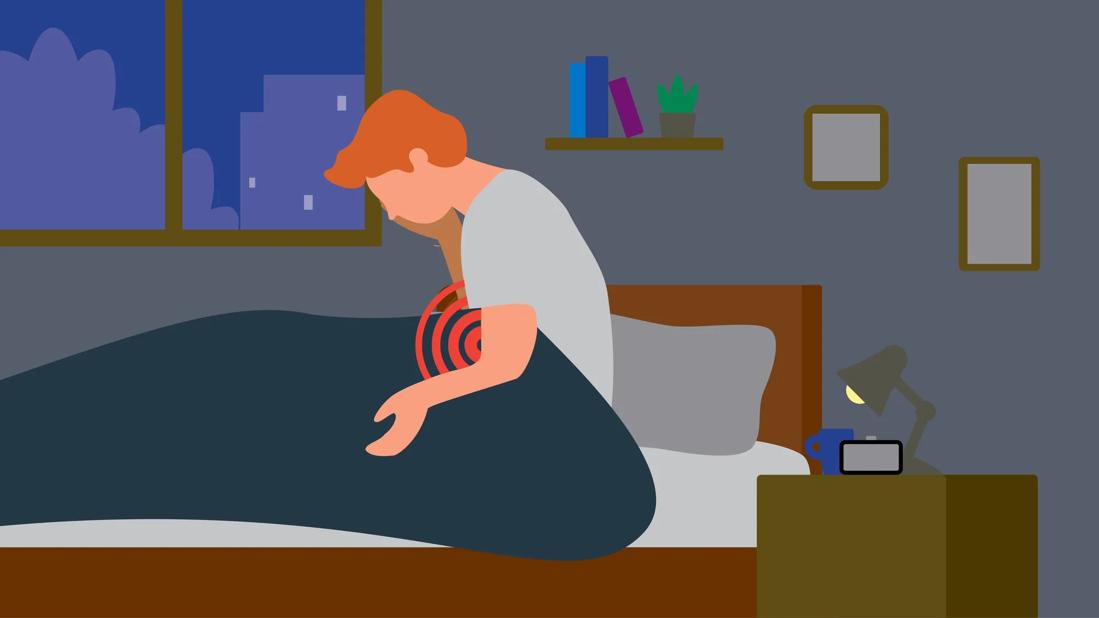
Another common experience begins several hours after dinner. A person goes to bed feeling normal, then wakes with intense discomfort in the upper center of the abdomen. The pain feels as though a tight band has been pulled beneath the breastbone. Nausea develops, and the discomfort seems to travel through the body into the back.
Because the pain is central, the person wonders whether it is heartburn, food poisoning, or even a heart problem. That uncertainty is exactly why severe new pain should not be diagnosed at home. Gallstone pain can appear in the center rather than the right side, while heart, stomach, and pancreatic conditions may produce similar symptoms.
When an attack stops being “just an attack”
Now consider a person who has experienced several previous episodes, each lasting about an hour. One day, the pain returns but does not fade. Six hours later, the upper-right abdomen is extremely tender. Taking a deep breath makes the pain worse, and a fever begins.
This change in pattern matters. Temporary biliary colic can occur when a stone blocks a duct and then moves. Pain that remains severe, particularly with fever or chills, raises concern for acute gallbladder inflammation or infection. Previous attacks do not make a new prolonged episode safe to ignore.
The subtle warning signs of a bile duct stone
Not every complication announces itself with dramatic pain. Someone may notice that the whites of the eyes look yellow, urine has become unusually dark, and bowel movements appear pale. Abdominal discomfort may still be present, but the color changes provide an additional clue that bile is not draining normally.
These signs can occur when a stone blocks the common bile duct. Fever combined with jaundice and abdominal pain is particularly concerning because it may indicate an infected bile duct. That situation requires urgent medical treatment rather than a dietary experiment or a “wait until Monday” approach.
The lesson shared by these experiences
Gallstone symptoms are not identical in every person. Pain may be right-sided or central, sharp or aching, meal-related or delayed. What often stands out is the pattern: intense upper abdominal pain that lasts, recurs, or arrives with nausea and referred pain in the back or shoulder.
Keeping a brief symptom record can help a clinician. Note when the pain began, where it was located, how long it lasted, what you ate beforehand, and whether you experienced fever, vomiting, jaundice, dark urine, or pale stools. A clear timeline is far more useful than telling the doctor, “My stomach did something weird sometime after dinner.”