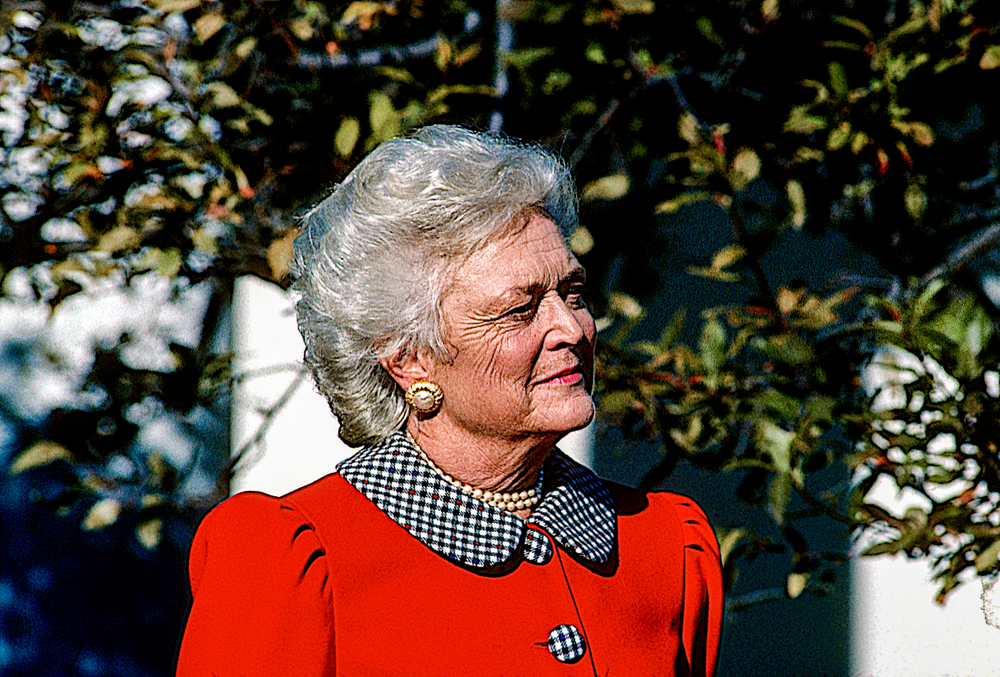
When Barbara Bush chose comfort care near the end of her life, America paused. Not because a former First Lady had become illsadly, illness is one club none of us asks to join but almost everyone eventually gets a membership card to. People paused because her decision was public, calm, and deeply human. After years of living with serious health challenges, including chronic obstructive pulmonary disease and congestive heart failure, she decided not to pursue more aggressive medical treatment. Instead, she focused on comfort, family, and dignity.
That choice helped bring a difficult subject into living rooms across the country: What do we really want care to look like when cure is no longer the main goal? For many families, words like palliative care, hospice care, and comfort care sound frightening at first. They may seem like medical code for “nothing more can be done.” But Barbara Bush’s legacy reminds us that a great deal can still be donepain can be eased, fear can be reduced, families can be supported, and a person’s final chapter can be written with more peace than panic.
In a culture that often treats every hospital admission as a battle and every treatment as a weapon, her decision gently suggested another kind of courage: knowing when to trade the battlefield for the front porch, the ICU monitor for a familiar hand, and the endless medical checklist for the simple, radical act of being comfortable at home.
Barbara Bush’s final decision and why it mattered
Barbara Bush was not only the wife of President George H.W. Bush and the mother of President George W. Bush. She was also known for her blunt humor, strong family identity, and lifelong commitment to literacy. She believed people should have the tools to understand their lives and make better choices. In a powerful way, her final public decision extended that same idea into healthcare: families need the language, confidence, and permission to talk honestly about serious illness.
Her family’s announcement that she would focus on comfort care came after repeated hospitalizations. For many older adults with advanced illness, that pattern is familiar: emergency rooms, new medications, tests, alarms, specialists, and the strange hospital experience of being woken up at 3 a.m. so someone can ask whether you are resting well. At a certain point, the question becomes less “Can we do more?” and more “Will more actually help?”
Barbara Bush’s answer was not a rejection of medicine. It was a thoughtful use of medicine. She chose care that aligned with her goals. That distinction is the beating heart of palliative care and hospice.
What is palliative care?
Palliative care is specialized medical care for people living with serious illness. Its purpose is to relieve symptoms, reduce stress, improve communication, and support quality of life for both patients and families. It can be provided at any age and at any stage of illness, and it can be given alongside treatments meant to cure or control disease.
This is one of the most important points to understand: palliative care is not the same as giving up. A person receiving chemotherapy, heart failure treatment, dialysis, or other disease-directed care may still benefit from palliative care. The palliative team helps manage pain, shortness of breath, fatigue, nausea, anxiety, depression, sleep problems, appetite changes, and the emotional circus that often arrives uninvited with a serious diagnosis.
Palliative care is a support layer, not a surrender flag
Think of palliative care as adding a skilled navigation team to a complicated journey. The primary doctor treats the disease. Specialists manage organs, scans, labs, and treatment plans. The palliative care team asks another set of crucial questions: What matters most to you? What symptoms are making daily life hardest? What trade-offs are you willingor unwillingto make? What does a good day look like now?
Those questions are not soft extras. They are practical medicine. A patient who can breathe more comfortably, sleep better, understand treatment choices, and communicate clearly with family is often better equipped to handle illness. Quality of life is not a decorative pillow tossed onto the hospital bed. It is central to care.
What is hospice care?
Hospice care is a form of comfort-focused care for people who are nearing the end of life, often when a physician believes life expectancy may be six months or less if the illness follows its usual course. Hospice usually begins when a patient chooses to stop treatments aimed at curing the terminal illness and instead focuses on comfort, dignity, and support.
Hospice can be provided at home, in nursing facilities, assisted living communities, hospice centers, or hospitals. Despite the common myth, hospice is not a place you “go to die.” More often, it is a service that comes to where the patient is. For many families, that means the living room becomes command central, the kitchen table becomes a care-planning desk, and the dog becomes an unpaid but emotionally essential member of the clinical team.
Hospice supports the whole family
Hospice care typically includes a team of professionals: physicians, nurses, social workers, chaplains, aides, volunteers, counselors, and bereavement support providers. The team helps manage pain and symptoms, provides medication and equipment related to the terminal illness, teaches family caregivers what to expect, and offers emotional and spiritual support.
For caregivers, this can be life-changing. Without hospice, families often feel as if they are trying to fly a plane after watching one online tutorial and receiving a pamphlet titled “Good Luck.” Hospice does not remove grief, but it can reduce chaos. It helps families understand what is happening, what symptoms are normal, when to call for help, and how to honor the patient’s wishes.
Palliative care vs. hospice: what’s the difference?
The two types of care overlap, but they are not identical. Palliative care can begin early in a serious illness and can be delivered together with curative treatment. Hospice is generally for the final phase of life, when the focus has shifted fully to comfort rather than cure.
A simple way to remember it:
- Palliative care: serious illness support at any stage, often alongside treatment.
- Hospice care: end-of-life support when comfort is the main goal.
- Comfort care: a broad term describing care focused on relief, peace, and quality of life.
Barbara Bush’s decision was often described as comfort care. That phrase helped the public understand the spirit of the choice, even if the exact services involved were private. The larger message was unmistakable: care does not have to mean endless intervention. Sometimes the best care is the care that listens.
The benefits of palliative care and hospice
1. Better symptom control
Serious illnesses can bring pain, breathlessness, fatigue, confusion, nausea, anxiety, and insomnia. Palliative and hospice teams are trained to manage these symptoms aggressively and compassionately. For someone with advanced heart disease, lung disease, cancer, dementia, kidney disease, or neurological illness, relief from distress can mean more meaningful time with loved ones.
Symptom control is not about “sedating someone into silence,” another common fear. Good comfort-focused care aims to match treatment to the patient’s goals. The goal is often to help the person be as alert, comfortable, and present as possible.
2. Care that respects personal values
Barbara Bush’s choice stood out because it seemed consistent with the person Americans thought they knew: practical, family-centered, direct, and not especially interested in fuss for fuss’s sake. That is one of the great strengths of palliative care. It helps patients define what matters most and then shapes care around those priorities.
For one person, the priority may be living long enough to attend a grandchild’s wedding. For another, it may be staying out of the hospital. For someone else, it may be remaining mentally clear enough to talk with family, pray, listen to music, or watch baseball while loudly disagreeing with the umpire from a recliner. The “right” care plan depends on the person.
3. Fewer unwanted hospitalizations
Hospital care can save lives. It can also be exhausting, especially near the end of life when repeated admissions may offer little benefit. Palliative care and hospice can help families avoid medical interventions that do not match the patient’s goals. This does not mean refusing all treatment. It means asking whether a treatment will improve comfort, function, or meaningful time.
Many families later say they wish they had understood hospice earlier. Not because hospice makes dying easynothing doesbut because it can make the process less frightening and less lonely. It replaces some emergency decision-making with a plan.
4. Support for caregivers
Caregivers are often the hidden patients in serious illness. They lift, bathe, cook, schedule, translate medical jargon, track medications, sleep lightly, worry constantly, and somehow still remember where the insurance card is. Hospice and palliative care teams recognize that family members need education, respite, counseling, and reassurance.
A spouse, adult child, sibling, or close friend may be willing to help but terrified of doing something wrong. Professional guidance can turn panic into confidence. Caregivers learn what symptoms to watch for, how to give medications safely, how to prevent discomfort, and when a change is part of the natural process rather than an emergency requiring another ambulance ride.
5. Emotional and spiritual care
Serious illness is never only physical. It raises questions about identity, meaning, forgiveness, unfinished business, faith, fear, and love. Hospice and palliative care make room for those questions. Social workers, chaplains, counselors, and trained volunteers may help patients and families talk through worries that do not fit neatly into a lab report.
That matters. A peaceful room is not created only by pain medicine. It is also created by honest conversations, reconciled relationships, favorite songs, familiar blankets, and the knowledge that the person’s wishes are being honored.
Why Americans still misunderstand hospice
Hospice has a public relations problem, and it is not because hospice workers lack heart. It is because many people hear the word too late, during a crisis, when everyone is exhausted and scared. In that moment, hospice can sound like defeat. Families may think they are being asked to abandon hope.
But hope changes shape. Early in illness, hope may mean cure. Later, it may mean more time. Eventually, hope may mean comfort, clarity, reconciliation, or a peaceful death at home. None of those hopes are small. In fact, they may be among the most important hopes a family ever has.
Myth: Hospice means no medical care
Hospice does not mean the patient is ignored. It means the medical plan changes direction. Instead of treating the terminal illness with curative intent, the team focuses on pain relief, breathing comfort, nausea control, wound care, emotional support, and practical help.
Myth: Palliative care is only for the last days
Palliative care can begin much earlier. A person with cancer, advanced heart failure, COPD, kidney disease, Parkinson’s disease, ALS, dementia, or another serious condition may benefit from palliative care long before hospice is appropriate.
Myth: Choosing comfort care is selfish
Some patients worry that declining aggressive treatment will disappoint their families. Some families worry that accepting hospice means they did not fight hard enough. Barbara Bush’s example challenges that guilt. Choosing comfort can be an act of love. It can spare families from making rushed decisions and allow them to spend time being family instead of full-time crisis managers.
What Barbara Bush’s legacy teaches us about healthcare conversations
Barbara Bush’s literacy work focused on helping people read, understand, and participate more fully in life. Her final healthcare decision points toward another kind of literacy: medical literacy. Families need to understand what treatments can and cannot do. They need plain language, not fog-machine phrases like “care pathway optimization.” They need doctors who can say, kindly and honestly, “Here is where we are.”
Good palliative conversations are not one-time speeches. They are ongoing discussions. They include the patient whenever possible and invite loved ones to listen, ask questions, and clarify wishes. These conversations may include advance directives, healthcare proxies, do-not-resuscitate preferences, spiritual needs, financial concerns, and practical plans for home care.
Questions every family should consider
- What does quality of life mean to the patient?
- What symptoms are most distressing right now?
- What treatments are helping, and which are causing more burden than benefit?
- Where would the patient prefer to receive care if the illness worsens?
- Who should make decisions if the patient cannot speak for themselves?
- What would a peaceful final chapter look like?
These questions can feel uncomfortable, but silence is not protection. Silence often leaves families guessing during emergencies. Clear conversations are a gift. They do not make death arrive sooner; they make decisions less chaotic when the time comes.
How to ask for palliative care or hospice
Patients and families do not have to wait for a doctor to bring up palliative care. They can ask directly: “Would palliative care help us manage symptoms and understand our options?” If the illness is advanced, they can ask: “Is it time to consider hospice?” These questions are not rude. They are responsible.
It may also help to ask what the likely course of the illness looks like. Many families are shocked because they never receive a clear explanation of what decline may involve. Palliative and hospice teams can provide that roadmap with compassion.
Signs it may be time for a hospice conversation
- Frequent hospitalizations or emergency room visits
- Progressive weight loss, weakness, or increasing sleep
- More difficulty with breathing, eating, walking, or daily activities
- Treatments causing more side effects than benefits
- A patient saying they are tired of aggressive care
- A desire to remain at home and focus on comfort
Hospice is voluntary. Patients can leave hospice if their goals change or if their condition improves. The decision is not a locked door. It is a care choice designed to meet a person where they are.
Experiences and reflections: what families often discover through comfort-focused care
Families who experience palliative care or hospice often describe a surprising shift. At first, the decision may feel heavy, almost like crossing a bridge they did not want to approach. But once support arrives, many feel a sense of relief. Not happiness, exactly, but reliefthe kind that comes when someone finally turns on the lights in a room everyone has been stumbling through.
One common experience is the return of ordinary moments. Before comfort-focused care, illness can consume the household. Every conversation becomes about appointments, lab results, medication refills, insurance calls, and whether the new pill is the tiny white one or the other tiny white onebecause apparently pharmaceutical design was inspired by confetti. With palliative or hospice support, families may regain space for normal life. They can sit together without constantly monitoring the next crisis. They can share stories, look through photos, watch old movies, or simply rest.
Another experience is learning that comfort care is active care. Families may assume hospice means “doing less,” but then they see nurses adjusting medications, aides helping with bathing, social workers solving practical problems, chaplains listening without judgment, and on-call teams answering late-night questions. The focus changes, but the care does not disappear. In many cases, it becomes more personal.
Caregivers also often discover how much they needed permission to stop pretending they were fine. Serious illness can turn loved ones into amateur nurses, logistics managers, emotional anchors, and household engineers. They may be exhausted but afraid to say so because the patient is the one who is sick. Palliative and hospice teams validate caregiver strain. They teach, encourage, and remind families that accepting help is not failure. It is wisdom wearing comfortable shoes.
There is also the experience of better communication. Many families avoid end-of-life conversations because they fear causing sadness. Yet patients often already know more than everyone thinks. When the subject is finally approached gently, there may be tears, but there can also be relief. A patient may say where they want to be, whom they want nearby, what music they want playing, which rituals matter, or even which casserole should absolutely not appear at the memorial service. These details are not trivial. They are expressions of identity.
Some families discover that hospice allows them to be present in a way hospital routines rarely permit. At home, the patient is not just a diagnosis in room 412. They are Mom in her favorite chair, Dad with his old baseball cap, Grandma under the quilt she pretends is not her favorite, or a spouse surrounded by the familiar sounds of home. The medical equipment may be there, but it does not own the room.
Barbara Bush’s final chapter resonates because it showed this possibility at a national level. Her decision did not erase grief. It did not make loss tidy. But it modeled a kind of clarity many families need. Comfort-focused care can help people spend less time fighting the machinery of medicine and more time honoring the person at the center of it all.
In the end, the rediscovery of palliative care and hospice is really the rediscovery of something older than modern medicine: the belief that people deserve tenderness, honesty, and dignity when life becomes fragile. Barbara Bush’s legacy invites us to read the final chapter differentlynot as a medical defeat, but as a human passage that deserves skill, compassion, and love.
Conclusion
Barbara Bush’s legacy reaches beyond politics, literacy, and public service. Her choice to focus on comfort care gave Americans a clearer way to talk about serious illness, family wishes, and dignity at the end of life. Palliative care and hospice are not about giving up. They are about choosing care that fits the person, not just the disease.
For patients, these services can bring relief from pain, breathlessness, anxiety, and confusion. For families, they can offer guidance, respite, emotional support, and fewer terrifying decisions made under fluorescent lights at midnight. For the healthcare system, they remind us that more treatment is not always better treatment. Sometimes better care means listening closely, managing symptoms well, and helping a person live as fully as possible for as long as possible.
Barbara Bush’s final decision was private in its details but public in its impact. It helped many people see that comfort is not a lesser goal. It is one of medicine’s highest callings.