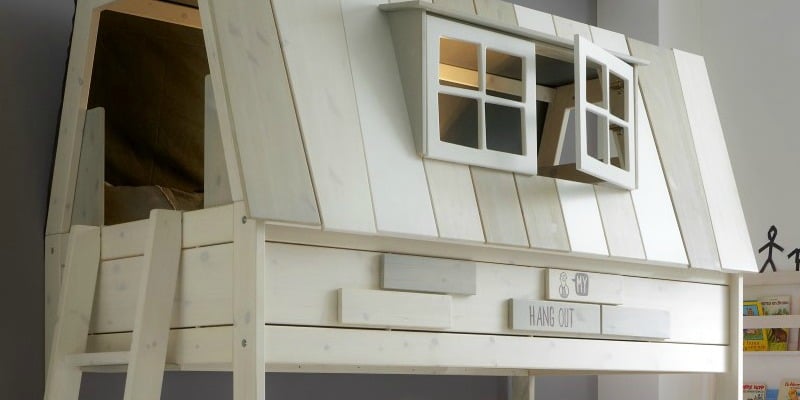
If regular bed frames are the mashed potatoes of bedroom furniture, house-shaped beds are the dessert cart rolling in with flair. They are playful without being ridiculous, practical without looking boring, and charming enough to make a kid’s room feel special before you even hang the first piece of wall art. In other words, they’re doing a lot of heavy lifting while pretending to be adorable.
House-shaped beds have exploded in popularity because they hit a sweet spot that parents, kids, and design-loving adults all appreciate. They can turn an ordinary twin mattress into a cozy nook, create a focal point in a small bedroom, and make bedtime feel a little less like a negotiation and a little more like an event. Some are low to the floor in a Montessori-inspired style. Others add trundles, shelves, guardrails, or even lofted frames. The result is a category that is surprisingly versatile, not just cute.
What Counts as a House-Shaped Bed?
A house-shaped bed is exactly what it sounds like: a bed frame designed with a simple roofline or house silhouette around the sleeping area. The outline may be minimal and modern, or it may lean into full storybook territory with windows, rails, storage, or decorative trim. The style is most common in kids’ rooms, but that does not mean every version looks like it escaped from a cartoon.
Low Floor House Beds
These sit close to the ground and are often chosen for younger children transitioning out of a crib. Parents like them because they are easier to get in and out of, and kids like them because they feel accessible, independent, and just a little magical. A low profile also makes the whole room feel less bulky.
Platform House Beds
This is the middle ground: not right on the floor, not dramatically elevated, and often the easiest style to use for everyday living. Platform versions can look cleaner and more polished while still delivering that playful house-frame shape.
House Beds With Trundles or Storage
Some models pack in drawers, shelves, or a pull-out trundle underneath. That makes them especially handy in shared bedrooms, sleepover-friendly spaces, or any room where toy clutter tends to multiply like rabbits with excellent credit scores.
Lofted or Bunk-Style House Beds
These raise the frame higher off the ground or combine the house silhouette with bunk functionality. They can look fantastic, especially in small rooms where every inch matters, but they also require more careful attention to safety, ceiling height, and how your child actually uses the space.
Why Families Love House-Shaped Beds
The obvious reason is that they’re cute. But that is only the opening act. The real reason house bed ideas keep showing up in design roundups and retail collections is that they solve several problems at once.
First, they create a sense of place. A standard bed says, “Here is where you sleep.” A house-shaped bed says, “Here is your little world.” That difference matters in children’s rooms, where furniture often doubles as part of the imagination. The frame can become a fort, a reading corner, a pretend cottage, or simply a cozy retreat after a loud school day.
Second, they make styling easy. Even a plain room can look intentional when the bed has architectural shape. A simple string of soft lights, a linen canopy, neutral bedding, or a patterned quilt suddenly feels curated instead of random. You do not need ten million accessories. The frame does the visual work for you.
Third, many house-shaped beds work well in smaller rooms. A twin house bed can visually anchor the room without eating all the available floor space. If you choose a model with under-bed storage or a trundle, it becomes even more useful. For siblings, guests, or frequent sleepovers, that functionality is a big deal.
Finally, the best house beds can grow with a child. A minimalist wood frame in a twin or full size often feels playful when they are six and still stylish when they are eleven. The trick is choosing one that leans timeless rather than overly themed.
How to Choose the Right House Bed
Start With Mattress Size
Before you fall in love with a dreamy roofline and cute little window cutouts, start with the boring stuff: size. It matters. A twin bed is usually the easiest fit for younger kids and smaller bedrooms. A full can make more sense for older kids, teens, or rooms where a parent regularly sits with a child at bedtime. The right size should fit both your child and the room, not just your Pinterest board.
Think About Room Layout
House-shaped beds are statement pieces, so give them room to breathe. If the frame is tucked into a cramped corner with no walking space, the room can feel crowded fast. In a small bedroom, a twin bed against one wall may be the smartest move. In a shared room, matching low-profile house beds can look charming without turning the floor into an obstacle course.
Be Honest About Your Child’s Age and Habits
If your child is still learning nighttime independence, a lower bed is usually the calmer choice. If they bounce, climb, leap, and treat all furniture as an unofficial training gym, avoid anything that invites risky acrobatics. A bed is a bed, not a home version of a ninja warrior course.
Look at Materials and Finish
Wood house beds tend to feel warm, classic, and flexible. Painted finishes can look cheerful and crisp. Metal versions can work well in more modern rooms and are often visually lighter. If you want longevity, natural wood tones, white, black, and soft neutrals usually age best.
Check for Extras That Truly Help
Storage drawers are useful. A trundle can be useful. Built-in shelves can be useful. Fake charm that collects dust and steals elbow room? Less useful. Choose add-ons that actually improve daily life rather than just making the online listing look exciting.
Safety Matters More Than the Roofline
Let’s say this loudly for the people admiring the cute product photos: the most important feature of any kids bed is not the shape. It is safety.
If you are choosing a low house bed, safety questions usually revolve around stability, smooth edges, proper mattress fit, and whether side rails make sense for your child’s stage. Those are manageable concerns.
Things get more serious with lofted or bunk-style versions. Elevated beds require attention to guardrails, ladder use, mattress thickness, and manufacturer instructions. If a model includes an upper bunk or raised sleeping surface, it is not a “close enough” situation. It needs to be the right bed for the right age and the right setup.
It is also smart to keep decorative temptation under control. A house-shaped frame can make parents want to add banners, ropes, dangling décor, or extra hardware. Resist the urge to turn the bed into a craft project with suspense. Clean, secure, uncluttered styling is the safer path.
And yes, the mattress matters too. A poorly sized or overly thick mattress can affect how protective rails function, especially on raised beds. This is one of those tiny details that sounds boring until it becomes the most important sentence in the room.
Design Tips That Make House Beds Look Great
Keep the Bedding Simple
Because the frame already has a strong shape, bedding does not need to scream for attention. Soft cottons, washed linen, stripes, gingham, or a subtle print usually work beautifully. If the bed frame is ornate, go calmer with the textiles. If the bed frame is minimal, that is your chance to layer in color and pattern.
Add a Reading Nook Feel
A wall sconce, clip light, or small bedside shelf can turn a house bed into a bedtime favorite. Kids love having a little “place” for books, a stuffed animal, and a glass of water. Adults love not stepping on those items in the middle of the night. Everyone wins.
Use the Vertical Shape Well
The roofline naturally draws the eye upward, which helps a room feel more styled. Lean into that by using art, removable wallpaper, or simple wall color behind the bed. You want the frame to feel intentional, not like it landed in the room by accident.
Do Not Overdecorate the Frame
It is very easy to go from “dreamy” to “birthday party supply aisle.” A few tasteful touches go a long way. Think one garland, not seven. One soft canopy panel, not a theatrical production. House-shaped beds look best when they are allowed to be charming without being smothered.
Who Should Consider a House-Shaped Bed?
This style makes the most sense for families who want furniture to be both functional and fun. It is especially appealing for:
- parents transitioning a child from crib to big-kid bed,
- families furnishing a small bedroom that still needs personality,
- homes that need a sleepover-ready setup with storage or a trundle,
- design-conscious shoppers who want something more special than a basic frame,
- children who love cozy spaces, stories, and imaginative play.
That said, not every room needs one. If the bedroom is already visually busy, a plain upholstered or wooden bed may create more balance. If you are shopping for a teen who wants a more mature look, a simple platform bed may age better. The best choice is not the trendiest one. It is the one that fits the person using it.
When a House-Shaped Bed Is Not the Best Idea
Here comes the part where we stop being dazzled by cute marketing photos and get practical. A house-shaped bed may not be ideal if your child needs a room that can transition rapidly into a more grown-up style, if your ceiling is low and the frame feels visually bulky, or if you are trying to maximize every inch of adult seating, desk space, and storage in the same bedroom.
It may also be the wrong pick if you are attracted only to the look but not the upkeep. Decorative frames can attract dust, invite extra accessories, and require more assembly than a basic bed. None of that is terrible, but it is worth knowing before the giant box arrives and occupies your hallway like an offended rhinoceros.
Real-Life Experiences With House-Shaped Beds Galore
One of the most interesting things about house-shaped beds is how differently they feel in real life compared with how they look online. On a product page, they are all sunshine, folded blankets, and one artfully placed teddy bear who has clearly never experienced real bedtime chaos. In an actual home, the experience is more textured, more useful, and honestly more revealing.
For many parents, the first big change is emotional rather than decorative. A house bed can make the transition from crib feel less abrupt because it still creates a sense of enclosure. Kids often respond well to that. Instead of sleeping in a wide-open frame that feels unfamiliar, they get a little structure around them. It can feel cozy, contained, and theirs. That sense of ownership matters more than people expect.
There is also a routine shift. Children tend to use house beds for more than sleep. They read in them, line up stuffed animals in them, whisper in them, drape blankets over them, and generally appoint them mayor of the room. That can be wonderful because the bed becomes a positive place rather than a nightly battlefield. But it also means the bed will attract books, toys, pillows, socks, and the occasional mystery object that no one in the household can identify with confidence.
Parents often discover that styling is easier once the bed is in place. The frame itself gives the room a focal point, so the rest of the decorating becomes simpler. You do not need elaborate wallpaper, complicated furniture groupings, or enough throw pillows to start a boutique hotel. A rug, a lamp, a basket, and good bedding can be enough. In that sense, the bed can actually reduce decision fatigue.
There are practical lessons too. Low house beds are usually easier for kids to access independently, easier for parents to make, and easier to vacuum around than bulky pieces with oversized trim. On the other hand, they may collect tumbleweeds of toys underneath if the clearance is just high enough to be annoying. Trundle models can be great for guests, but they also require the discipline to keep floor space open. A trundle is only magical when it can actually slide out.
Families who choose taller house beds or loft-style versions often love the added drama and space savings, especially in compact bedrooms. But they also become more aware of safety habits very quickly. Climbing, jumping, and mattress choice are not abstract concerns once the bed is installed. Real-life use has a way of clarifying which design details matter and which ones were just cute in photos.
Perhaps the biggest experience-related takeaway is this: the best house-shaped beds do not merely photograph well. They make daily life smoother. They help bedtime feel warmer, the room feel more complete, and the child feel more at home in their own space. When that happens, the trend earns its popularity fair and square.
Final Thoughts
House-shaped beds are not just another passing kids-room trend with suspiciously perfect product photos. When chosen well, they combine comfort, function, personality, and a little imagination in one hardworking piece of furniture. They can make a small room feel purposeful, make bedtime more inviting, and create a design moment without requiring a full-scale renovation.
The key is to shop with both heart and common sense. Pick the right size. Respect safety. Think about how the room will function on a Tuesday, not just how it will look in a weekend photo. If you do that, a house-shaped bed can be far more than cute. It can be the piece that makes the whole room click.