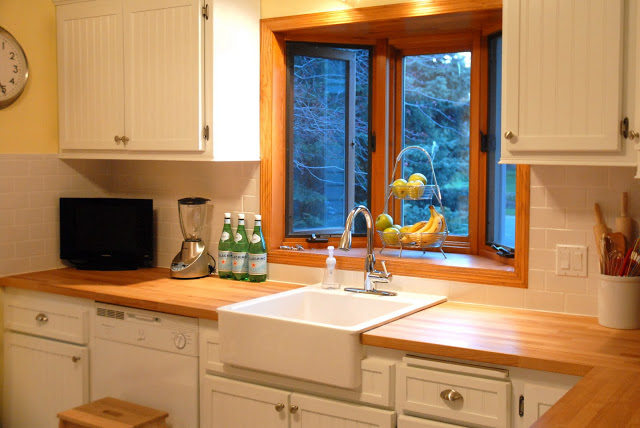
There are kitchen remodels that whisper, “I am tasteful,” and then there are kitchen remodels that kick open the pantry door and announce, “Yes, I did this on a budget, and yes, you may stare.” The House Envy Kitchen Remodel Reveal belongs proudly in the second category. It is the kind of before-and-after transformation that makes homeowners pause mid-scroll, look at their own cabinets, and mutter, “You and I need to talk.”
This remodel proves that a beautiful kitchen renovation does not always require knocking down every wall, ordering custom cabinetry from a boutique showroom, or living on microwave burritos for six months. Sometimes the smartest kitchen makeover comes from looking at what already exists, deciding what can be saved, and giving the outdated parts a firm but loving intervention.
Inspired by the original House Envy reveal, this article breaks down why the project worked so well: refreshed white cabinets, beadboard detail, butcher block countertops, classic subway tile, and a budget-conscious approach that made the final space feel warm, clean, and completely livable. In other words, it is kitchen envy with a side of common sense.
Why This Kitchen Remodel Still Feels Fresh
The reason this kitchen remodel reveal continues to feel appealing is simple: it leans on timeless design choices instead of short-lived trends. White cabinets, wood counters, simple tile, and practical storage are not flashy gimmicks. They are the reliable friends of kitchen designthe ones who show up with coffee, a level, and a realistic budget.
Many modern kitchen renovation ideas still revolve around the same core goals seen in this project: better function, cleaner surfaces, warmer materials, and a layout that supports real life. Today’s homeowners want kitchens that look good in photos but also survive lunch packing, homework piles, snack raids, and the mysterious way one spatula always disappears.
The House Envy remodel hits that sweet spot. It is bright without feeling sterile, budget-friendly without looking cheap, and charming without trying too hard. The final result feels like a kitchen that belongs to an actual family, not a showroom where no one is allowed to toast bread.
The Before: When Cabinets Need a Pep Talk
Every great remodel reveal begins with a “before” photo that makes the “after” feel heroic. In this case, the original kitchen had dated cabinets with a finish that was doing a little too much. The cabinet boxes were still useful, but the doors needed help. Not a tiny whisper of help. More like a full committee meeting.
Instead of ripping everything out, the homeowners made the smartest decision in many DIY kitchen remodels: they reused what they could. Keeping the existing cabinets saved money, reduced waste, and allowed the budget to stretch toward visual upgrades that would make the room feel completely different.
This is where many homeowners go wrong. They assume a kitchen has to be demolished to be improved. But demolition is not a personality trait. If cabinets are structurally sound, they can often be painted, refaced, trimmed, or updated with new hardware. The House Envy approach shows that a kitchen renovation can begin with careful editing rather than total destruction.
The Cabinet Makeover: Beadboard, Framing, and a Big White Refresh
The biggest transformation came from reworking the cabinet doors. By adding beadboard and framing details, the plain dated doors suddenly had cottage-style character. This simple upgrade gave the cabinets texture and depth without requiring an expensive custom order.
Painting the cabinets white was another major move. White kitchen cabinets remain popular because they reflect light, make a room feel larger, and create a flexible backdrop for wood, tile, metal, and color accents. In this remodel, white paint did not simply change the color; it changed the mood. The kitchen went from tired and heavy to bright and welcoming.
Of course, painting cabinets is not a “slap on a coat and hope for the best” situation. The best results come from cleaning, sanding, priming, and using the right paint for high-touch surfaces. Cabinets endure sticky fingers, coffee splashes, and the occasional dramatic search for a missing lid. They need a finish that can handle everyday chaos with grace.
Why Reusing Cabinets Was the Winning Move
Reusing cabinetry is one of the most effective ways to control a kitchen remodel budget. New cabinets often consume a major portion of renovation costs, especially when custom sizes, upgraded interiors, or professional installation are involved. By keeping the bones of the kitchen intact, the House Envy remodel reserved money for details with high visual impact.
This strategy works especially well for homeowners who like their current layout. If the sink, stove, and refrigerator already function well together, there may be no need to rearrange plumbing and electrical systems. That kind of restraint may not sound glamorous, but neither does paying a surprise plumbing invoice large enough to need its own chair at dinner.
Subway Tile Backsplash: Classic for a Reason
The subway tile backsplash is one of the stars of this kitchen remodel reveal. It is clean, affordable, and easy to pair with almost any cabinet style. While tile trends continue to evolve, a simple subway tile backsplash remains a dependable choice because it brings order and brightness to the kitchen without stealing the entire conversation.
In this remodel, the tile works because it supports the other materials. It lets the butcher block countertops look warm, the cabinets look crisp, and the room feel polished. The backsplash is not screaming, “Look at me!” It is calmly saying, “I make everything else look better.” That is exactly the kind of friend every kitchen needs.
For homeowners copying this look, grout color matters. White grout creates a seamless, airy effect, while darker grout outlines the tile pattern and adds contrast. Darker grout can also be more forgiving in a busy cooking zone. Translation: it is less likely to betray you after taco night.
Butcher Block Countertops: Warmth Without Drama
The butcher block countertops give the kitchen its warmth. White cabinets and white tile can sometimes feel cool or flat if there is no natural texture to balance them. Wood counters solve that problem immediately. They bring in a casual, handmade quality that makes the space feel less like a laboratory and more like a home.
Butcher block is especially appealing in budget-conscious kitchen renovations because it can be more affordable than many stone options. It also fits a range of styles, from cottage and farmhouse to Scandinavian and modern traditional. The key is maintenance. Wood counters need sealing, care around water, and occasional refinishing. They are beautiful, but they are not invisible. They ask for attention, much like a golden retriever with a cutting board.
Used thoughtfully, butcher block can be a practical and stylish choice. It works beautifully on perimeter counters, islands, baking zones, and breakfast areas. Pairing it with white cabinetry creates contrast, while pairing it with simple hardware keeps the overall look clean.
Small Details That Made the Remodel Feel Finished
A kitchen remodel is not just cabinets, countertops, and tile. The finishing details are what make the room feel complete. Hardware, lighting, open shelves, wall color, rugs, and accessories all help a remodeled kitchen settle into the rest of the house.
Hardware is especially powerful. Swapping outdated knobs or pulls for cleaner black, brass, nickel, or bronze hardware can change the entire personality of a cabinet. Think of cabinet hardware as jewelry for the kitchenexcept it also has to survive being yanked open by someone looking for cereal at 6:12 a.m.
Lighting also plays a huge role. Even the prettiest kitchen can feel gloomy under weak lighting. A strong remodel plan usually includes layers: overhead lighting for general brightness, task lighting for prep areas, and accent lighting to soften the room. Under-cabinet lighting is especially helpful because it turns countertops into usable work zones instead of shadowy places where onions go to hide.
Budget Lessons From the House Envy Remodel
One of the most impressive parts of the House Envy project is the budget-minded execution. The remodel came in under $2,000 by recycling the old cabinets and choosing materials carefully. That is the renovation equivalent of finding designer shoes at a thrift store and discovering they are your size.
The lesson is not that every kitchen can be remodeled for the same amount. Costs vary widely depending on location, labor, material prices, kitchen size, and how much professional help is needed. The real lesson is that smart prioritization matters. Spend where durability and daily use matter most. Save where creativity can do the heavy lifting.
Where to Spend
Spend on surfaces and systems that take daily abuse: cabinet finishes, countertop sealing, quality primer, good hardware, safe electrical work, reliable plumbing, and lighting. These are the parts of the kitchen that quietly determine whether the remodel still feels good five years later.
Where to Save
Save by keeping the existing layout, repainting instead of replacing, choosing classic tile, doing cosmetic work yourself when your skills allow, and shopping strategically for fixtures. Open shelving, beadboard panels, trim, and paint can deliver a big visual shift without requiring a luxury budget.
How to Get the House Envy Look in Your Own Kitchen
If you want to borrow the spirit of this DIY kitchen remodel, start by evaluating your cabinet boxes. Are they sturdy? Do the doors close properly? Is the layout functional? If the answer is yes, you may be looking at a strong candidate for a cabinet refresh rather than full replacement.
Next, choose a simple design direction. The House Envy look works because it has a clear palette: white cabinetry, warm wood, simple tile, and understated details. Too many competing materials can make a small remodel feel busy. A limited palette gives the space confidence.
Then focus on high-impact updates. Add trim or beadboard to flat doors. Paint cabinets in a durable finish. Install a backsplash that suits the scale of the room. Replace hardware. Add better lighting. Style the final space with practical accessories: cutting boards, jars, plants, bowls, and textiles that bring softness without clutter.
Most importantly, design for the way you actually live. If you cook daily, prioritize prep space and easy-to-clean surfaces. If you entertain, create landing zones for drinks and serving dishes. If your household treats the kitchen island like mission control, build in storage for chargers, mail, and school papers. A beautiful kitchen that ignores your habits will eventually become a very expensive obstacle course.
Common Kitchen Remodel Mistakes to Avoid
The first mistake is chasing trends too aggressively. Trendy details can be fun, but permanent elements should have staying power. Cabinets, countertops, and tile are not throw pillows. You cannot casually swap them when next year’s design mood changes from “modern cottage” to “moody mushroom cave.”
The second mistake is underestimating preparation. Painting cabinets, installing tile, and sealing butcher block all require patience. The difference between a professional-looking DIY project and a weekend regret often comes down to prep work. Clean surfaces, straight measurements, dry time, and the right tools are not optional little extras. They are the adults in the room.
The third mistake is forgetting storage. A pretty kitchen still needs to hold pans, spices, food, dishes, cleaning supplies, and whatever mystery gadgets have been living in the back of the drawer since 2017. Before removing upper cabinets or adding open shelves, decide where everything will go. Open shelving is lovely until your mismatched mugs start forming a protest group.
Why This Reveal Works Emotionally
The best remodel reveals do more than show new materials. They show relief. They show the moment a frustrating room becomes a place you want to use. That is why the House Envy kitchen makeover is so satisfying. It does not feel like a cold design exercise. It feels like a family solved a problem with creativity, teamwork, and just enough stubborn optimism to keep going.
There is also something deeply encouraging about seeing old cabinets transformed instead of discarded. It reminds homeowners that ugly does not always mean hopeless. Sometimes ugly simply means unfinished, under-loved, or wearing the wrong color. With the right plan, even a dated kitchen can become the room everyone wants to gather in.
Real-Life Experience: What a Kitchen Remodel Reveal Teaches You
Anyone who has lived through a kitchen remodel knows the reveal photo does not show everything. It does not show the dust that somehow reaches rooms the contractor never entered. It does not show the night you eat cereal from a coffee mug because every bowl is packed in a box labeled “kitchen stuff,” which is helpful in the same way a treasure map labeled “somewhere” is helpful.
The biggest experience lesson is that planning matters more than excitement. Excitement will get you to the paint aisle. Planning will remind you to buy primer, painter’s tape, degreaser, sandpaper, drop cloths, a decent brush, and snacks. Never remodel hungry. That is how people make bold decisions about orange grout.
Another lesson is that every kitchen has a rhythm. Before choosing finishes, watch how the space is used. Where do people drop keys? Where does mail pile up? Which cabinet is opened twenty times a day? Where does the coffee maker actually belong? A remodel should improve those daily patterns instead of pretending everyone in the house has suddenly become a minimalist chef with perfect posture.
Budget discipline is another unforgettable part of the experience. Small purchases add up quickly. A knob here, a bracket there, one more tube of caulk, a new saw blade, extra tile because someone measured with confidence instead of accuracysuddenly the budget is sweating. The best way to stay sane is to build in a cushion and make a priority list before shopping. Decide what must be excellent and what can simply be good.
Living through the process also teaches patience. Paint needs to cure. Tile needs to set. Countertops need sealing. Projects that look simple online often involve waiting, adjusting, and solving small problems in an order no tutorial fully predicts. That does not mean DIY is a bad idea. It means DIY is a relationship, and occasionally it leaves its socks on the floor.
The final reveal, however, makes the inconvenience fade. There is a specific joy in walking into a kitchen that used to annoy you and realizing it now works. The light feels better. The surfaces feel cleaner. The cabinets no longer glare at you in a dated finish. Even making toast feels slightly more sophisticated, as if the bread understands it has been promoted.
The House Envy Kitchen Remodel Reveal captures that feeling perfectly. It is not just about white cabinets, butcher block countertops, or subway tile. It is about the satisfaction of seeing potential where other people might only see a problem. It is about proving that creativity can stretch a budget, that old materials can have a second act, and that a kitchen does not need to be expensive to be lovable.
Conclusion
The House Envy Kitchen Remodel Reveal is a reminder that smart design is not always about spending more. Sometimes it is about seeing more clearly. By reusing cabinets, adding beadboard detail, painting everything fresh white, installing classic subway tile, and warming the space with butcher block countertops, this remodel turned a dated kitchen into a bright, charming, functional room.
For homeowners dreaming of their own kitchen makeover, the biggest takeaway is simple: start with what works, improve what bothers you most, and choose materials that support your real life. A kitchen should be beautiful, yes, but it should also be forgiving, practical, and ready for everything from holiday cooking to Tuesday leftovers. If it can do all that while making guests a little envious, congratulationsyou have officially earned the reveal.