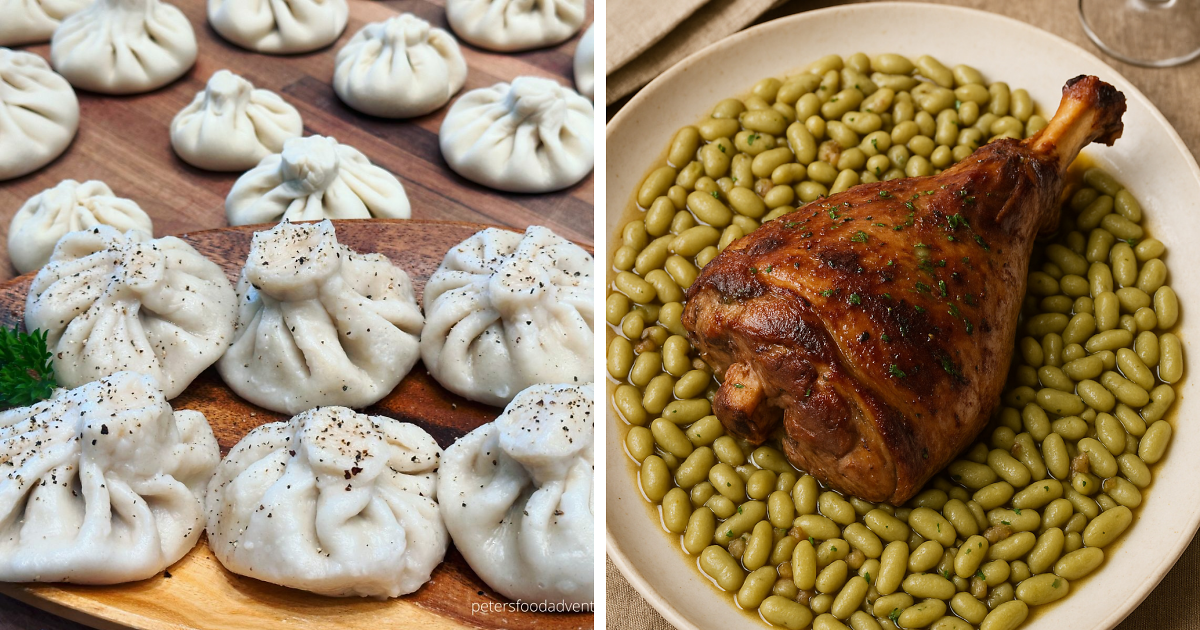
Some meals arrive with a side of fries. Others arrive with an entire childhood.
One look at a chipped bowl filled with chicken noodle soup, a slightly overdone grilled cheese sandwich, or a plate of rice and beans can make the present moment disappear. Suddenly, you are eight years old again. Your feet do not touch the floor, somebody is calling you to the table, and the biggest crisis in your life is whether the peas are allowed to touch the mashed potatoes.
That is the delicious power of a childhood meal. It does not need to be fancy, photogenic, or approved by a celebrity chef with dramatic forearm tattoos. It only needs to carry a memory. So, Pandas, open your camera roll, raid the family recipe box, or recreate the plate that still lives rent-free in your mind. What meal instantly brings you back to your childhood?
Why Childhood Meals Feel Like Edible Time Machines
Food memories can be remarkably vivid because eating is a full-sensory experience. A meal is not just taste. It is the smell rising from the stove, the scrape of a spoon against a bowl, the color of the tablecloth, the warmth of the kitchen, and the sound of relatives talking over one another as if volume were an Olympic event.
Smell is especially powerful. The aroma of cinnamon, toasted bread, simmering tomato sauce, fried onions, or warm tortillas may bring back a scene before you can even name the dish. A familiar scent can unlock details that seemed forgotten: the old radio on the counter, rain against the window, a grandparent’s apron, or the exact cupboard where the cookies were supposedly hidden from children who absolutely knew where they were.
Taste and smell also work closely together to create flavor. That is why a childhood meal can feel emotionally “correct” even when it is not technically perfect. Maybe the macaroni was too soft. Maybe the gravy came from a packet. Maybe the pancakes resembled regional maps rather than circles. None of that matters. Memory is not a restaurant critic. It gives stars for comfort, familiarity, and who sat beside you.
The Most Memorable Food Is Often the Simplest
Ask people about their favorite childhood meals and many will not name elaborate holiday centerpieces. They will mention buttered noodles, scrambled eggs, beans over rice, tomato soup, dumplings, peanut butter sandwiches, baked potatoes, instant noodles, or cereal eaten while watching Saturday morning cartoons.
Simple meals become meaningful because they are repeated. The after-school snack appears every weekday. The soup returns whenever someone is sick. Pancakes belong to Sunday morning. A particular casserole shows up whenever cousins visit. Repetition turns food into ritual, and ritual turns an ordinary dish into a landmark in the story of a family.
Comfort Can Come From a Box, Can, or Freezer
Childhood nostalgia is not limited to recipes written in elegant cursive by a great-grandmother. Sometimes home tastes like boxed macaroni and cheese, canned ravioli, frozen pizza, powdered drink mix, or fish sticks arranged with the architectural ambition of a suspension bridge.
Those foods can carry memories of busy parents, tight budgets, sleepovers, school nights, and small acts of care. Romanticizing the past should not erase the realities behind it. A convenience meal may have been what a caregiver could afford, what a child would reliably eat, or what could be prepared between two jobs. Its emotional value does not depend on whether every ingredient came from a farmers market.
A Childhood Plate Can Tell a Family’s History
Family recipes often preserve more than instructions. They carry migration stories, regional traditions, religious customs, celebrations, improvisations, and the personal habits of the cooks who kept making them.
A pot of gumbo may reflect several generations of adaptation. Tamales may mean a crowded kitchen and an assembly line of relatives. Dumplings may connect a family to a homeland, a neighborhood, or a grandparent who measured ingredients by instinct. Collard greens, fry bread, pierogi, congee, matzo ball soup, pupusas, biscuits, pancit, arroz con pollo, or a carefully seasoned pot of beans can function as edible family archives.
Recipes also change as they travel. One relative adds more garlic. Another replaces an unavailable ingredient. Someone writes “a little” in the margin, offering future generations the least useful measurement in culinary history. Over time, the family version may differ from the traditional version, yet that variation becomes part of the story.
The Person Behind the Plate Matters
Often, the strongest memory is not the meal itself but the person who made it. A photograph of apple pie may summon a grandmother who always cut slices too large. A bowl of stew may recall a father who cooked without speaking much but always saved the best piece of meat for someone else. A lunchbox sandwich may bring back the caregiver who trimmed the crusts, added a note, or packed the same snack every day because consistency was its own love language.
This is why recreating a childhood dish can be emotional. You may follow the recipe exactly and still feel that something is missing. The missing ingredient might be a particular kitchen, a familiar voice, or the person whose hands made the dish feel like home.
Family Meals Build Memories Beyond the Menu
Shared meals offer families a recurring place to talk, laugh, disagree, tell stories, and notice how everyone is doing. They do not need to be formal dinners. Breakfast before school, sandwiches at a park, takeout on the living room floor, or a late-night snack after a long trip can become just as memorable.
What children often remember is the atmosphere. Was the table warm and noisy? Did everyone help? Was there a running joke? Did someone always steal the crispiest potatoes? Did the dog wait beneath the youngest child’s chair because years of careful research had identified the household’s weakest link?
The healthiest memory is not necessarily attached to the most nutritionally flawless plate. A balanced diet matters, but so do connection and emotional safety. A family meal can include vegetables, laughter, and a dessert nobody measured. Human beings contain multitudes.
Why a Photo Makes the Memory Even Stronger
A food photo can preserve details that a written recipe misses. It captures the shape of the dumplings, the scorched corner everyone fought over, the floral plate used only at holidays, or the wonderfully uneven frosting applied by enthusiastic children with no commitment to symmetry.
The picture does not need studio lighting. In fact, a slightly blurry snapshot may feel more honest. Childhood meals rarely arrived under a ring light. They arrived under a buzzing kitchen fixture while somebody said, “Sit down before it gets cold.”
When sharing your picture, add the story behind it. Tell us who made the meal, when you ate it, what it smelled like, and why it mattered. Mention the tiny details: the cup you always used, the sauce you refused to eat, the sibling who stole from your plate, or the rule that dessert required finishing exactly three more bites.
Childhood Meals That Commonly Bring the Memories Flooding Back
Grilled Cheese and Tomato Soup
The crisp bread, melted cheese, and bright red soup are practically a weather forecast: cold outside, safe inside. Bonus nostalgia points if the sandwich was cut diagonally, because rectangles simply do not taste as comforting.
Sunday Pancakes
Pancakes often represent unhurried mornings. They may recall a parent flipping the first one badly, children arguing over chocolate chips, and syrup reaching surfaces previously believed to be physically impossible.
Rice and Beans
Affordable, adaptable, and deeply connected to many cultures, rice and beans can carry the aroma of a household before the front door even opens. Every family seems to have a preferred texture, seasoning, and firm opinion about the correct ratio.
Chicken Soup
Whether filled with noodles, rice, dumplings, vegetables, herbs, or matzo balls, chicken soup is often associated with care. It is the meal that appears when someone is sick, tired, cold, heartbroken, or simply in need of being fussed over.
After-School Snacks
Toast with cinnamon sugar, fruit with salt or spice, crackers with cheese, instant noodles, milk and cookies, leftovers, or whatever could be assembled without adult supervision often became the unofficial feast of childhood freedom.
Holiday Specialties
Some foods appeared only once a year, which made them powerful markers of time. A particular pie, roast, cookie, bread, noodle dish, or casserole can bring back decorations, relatives, music, and the annual debate over whether the recipe should ever be changed. It should not. We have reviewed the evidence.
How to Recreate a Childhood Meal Without Losing Its Magic
Start by asking relatives what they remember. One person may know the ingredients, another may remember the method, and a third may contribute confidently incorrect information. Compare notes. Old photographs, recipe cards, community cookbooks, handwritten grocery lists, and even the brands visible in kitchen snapshots can help.
Do not panic when the recipe uses vague directions such as “cook until done,” “add enough flour,” or “use the good pan.” These instructions were written for someone who already knew the answer. Make a test batch, record what you do, and adjust. Preserving a recipe sometimes requires translating muscle memory into actual measurements.
Also accept that the recreation may not taste exactly as you remember. Ingredients change. Equipment changes. Your palate changes. Memory edits the past with a soft, flattering filter. The goal is not laboratory duplication; it is reconnection.
Five Plates, Five Time Machines: Childhood Meal Experiences
1. The Rainy-Day Sandwich
Picture a wet afternoon when outdoor plans have collapsed and everyone’s shoes are lined up by the door. A pan hisses on the stove. Bread turns golden in butter, cheese softens at the edges, and tomato soup warms in a small saucepan. The meal is basic, but the setting gives it power. Years later, the smell of toasted bread may bring back the sound of rain, a blanket on the couch, and the relief of having nowhere else to be. The sandwich did not solve the weather. It made the weather feel like a gift.
2. The Saturday-Morning Pancake Experiment
In this memory, the kitchen is less a cooking space than a minor disaster zone. Flour dusts the counter. One pancake is raw in the middle, another is nearly charcoal, and a third looks like a famous cartoon character if everyone agrees not to examine it too closely. A child gets to stir the batter and feels promoted to executive chef. The finished stack may be uneven, but it tastes like attention. Recreating those pancakes as an adult can revive the excitement of being included, trusted, and allowed to make a mess that somebody else helped clean up.
3. The Grandparent Bowl
Every visit begins the same way: a bowl appears before anyone claims to be hungry. It might hold soup, noodles, stew, porridge, or fruit cut with ceremonial precision. Refusing is useless. The grandparent has already decided that love is measured in servings, and the current serving is apparently only a preliminary serving. The bowl becomes inseparable from the room, the voice, and the ritual. Much later, finding the same dish can feel joyful and painful at once. You remember not only how it tasted, but how insistently someone wanted you fed.
4. The School-Lunch Trade Economy
A lunch tray or packed lunch can reopen an entire social world. Cookies had market value. Chips were negotiable assets. A homemade specialty might be treasured, hidden, or misunderstood by classmates until everyone grew older and realized it was the best food at the table. The memory may include embarrassment as well as affection, especially for children whose family foods looked or smelled different from the cafeteria norm. As adults, many people reclaim those dishes with pride. The meal once labeled “weird” becomes a link to culture, resilience, and the person who woke up early to pack it.
5. The Late-Night Bowl
Some childhood food memories were made after bedtime: instant noodles during a power outage, cereal after a long road trip, leftover rice reheated when guests finally left, or soup served after returning from the emergency room. The hour made the food feel secret and important. Everyone was tired, the normal schedule had broken, and the family existed briefly in a small pool of kitchen light. A simple bowl eaten at midnight can remain unforgettable because it represents being together when ordinary life paused.
Share the Meal That Still Feels Like Home
Childhood meals remind us that food can be ordinary and priceless at the same time. A plate may hold a family tradition, a survival story, a weekly ritual, a cultural inheritance, or one person’s quiet way of saying, “I took care of you.”
So, Pandas, show us the meal that sends you backward in time. It can be homemade, store-bought, beautifully plated, or cheerfully beige. Share the picture and tell the story. Who made it? When did you eat it? What tiny detail brings the whole memory rushing back?
And yes, photographs of half-eaten food are welcome. Childhood rarely waited for proper documentation.