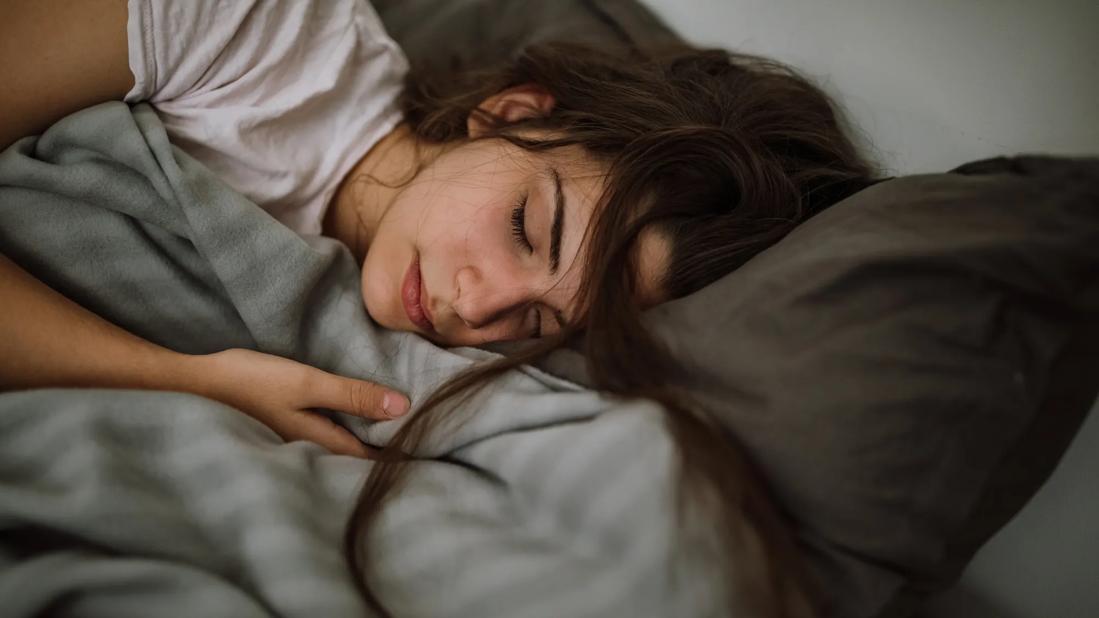
Ask a teenager whether they need more sleep and you may hear, “I’m fine,” while they put the orange juice in the cereal cabinet. Teen sleep can look mysterious, but the recommendation is clear: most teenagers ages 13 to 18 should regularly get 8 to 10 hours of sleep every 24 hours. That is not a weekend hobby or a reward for finishing homework. It is a basic health need.
The difficult part is fitting those hours around school, sports, jobs, homework, gaming, and the strange ability of one short video to become 47 short videos. Here is how to build a realistic teenage sleep schedule.
The Direct Answer: Teens Need 8 to 10 Hours
The American Academy of Sleep Medicine recommends 8 to 10 hours per 24-hour period for ages 13 through 18, and the American Academy of Pediatrics endorses that range. Many teens function best near the middle or upper end; earlier pediatric guidance described roughly 8.5 to 9.5 hours as optimal for many adolescents.
Calculate Bedtime Backward
A teen who must wake at 6:30 a.m. needs to be asleep by 10:30 p.m. for eight hours, 9:30 p.m. for nine, or 8:30 p.m. for ten. Because “in bed” and “asleep” are not identical, allow time to wind down. A 10:00 p.m. lights-out target may be more realistic than expecting sleep to begin instantly at 10:30.
Does Every Teen Need the Same Amount?
No. Sleep needs vary within the recommended range. Look at daytime alertness, mood, concentration, school performance, and whether the teen needs repeated alarms, long naps, or marathon weekend sleep. True natural short sleepers exist, but regularly sleeping four to six hours is not a healthy expectation for the overwhelming majority of teens.
Why Teenagers Naturally Fall Asleep Later
During puberty, the circadian system shifts later and evening sleepiness tends to arrive later than it did in childhood. Melatonin timing also moves later, so an adolescent may be genuinely alert at 10:30 p.m. and genuinely miserable at 6:00 a.m. This is biology, not simply attitude with headphones.
The schedule around that body clock usually does not shift. Homework ends late, activities fill the afternoon, screens extend the evening, and school may begin early. Researchers have called this collision of biological delay and social pressure a “perfect storm” for adolescent sleep loss.
Later Timing Does Not Mean Less Sleep
A teen who cannot fall asleep at 9:00 p.m. may still need nine hours. That mismatch helps explain why medical groups support middle and high school start times of 8:30 a.m. or later. Reviews generally find that later starts increase weeknight sleep and may improve attendance, punctuality, classroom alertness, grades, and driving safety.
Most U.S. Teens Are Not Getting Enough Sleep
CDC reporting has found that about seven in ten high school students in a national sample slept less than the recommended amount on school nights. For surveillance purposes, the CDC considers fewer than eight hours on an average school night insufficient for high school students.
A 2026 Pediatrics analysis covering 1991 through 2023 found that sleep duration declined with age in every studied period and that recent adolescents were more likely to report inadequate sleep than same-age teens in earlier decades.
Can Teens Catch Up on Weekends?
Sleeping later on Saturday can reduce immediate sleepiness, but it does not make chronic weekday sleep loss harmless. Large weekend shifts may push the body clock later and make Sunday night and Monday morning harder. Naps, caffeine, and weekend sleep are temporary patches, not substitutes for sufficient nightly sleep.
What Sleep Deprivation Does to Teenagers
Repeated short nights can affect physical health, mental health, learning, behavior, and safety. The CDC associates insufficient sleep in young people with higher risks of obesity, type 2 diabetes, poor mental health, injuries, attention and behavior problems, and weaker academic performance.
Learning, Mood, and Behavior
Sleep supports attention and the retention of new information. Research summarized by the American Academy of Pediatrics found that multi-night restriction can impair adolescents’ long-term retention of factual knowledge. Sleep-deprived teens may also seem irritable, impulsive, restless, emotionally reactive, or unmotivated rather than visibly sleepy. Sleep is not stealing study time; it is part of the study process.
Safety and Recovery
Drowsy driving is especially dangerous for inexperienced drivers, and insufficient sleep has been associated with injury-related risk behaviors among high school students. Sleep also supports brain function, growth, physical health, and recovery. A teen who is struggling to keep their eyes open needs another ridenot a motivational speech and the car keys.
Signs a Teen May Be Running on Sleep Debt
- Needing several alarms or repeated wake-up attempts
- Falling asleep in class, in the car, or during quiet activities
- Sleeping dramatically later on weekends
- Frequent low energy, headaches, or trouble concentrating
- New irritability, impulsiveness, or emotional volatility
- Depending on energy drinks or large amounts of caffeine
- Taking long after-school naps and then staying awake late
- Declining grades, missed practices, or repeated tardiness
These signs are not a diagnosis. They can overlap with anxiety, depression, attention disorders, medication effects, medical conditions, and sleep disorders. Notice the pattern and investigate it; do not diagnose a teenager across the breakfast table.
How to Help a Teen Get 8 to 10 Hours
1. Anchor the Schedule
Choose a consistent wake time, then move bedtime earlier in small steps. Keep weekend sleep and wake times reasonably close to the weekday schedule so Sunday night does not feel like accidental jet lag.
2. Establish a Real Media Curfew
Phones consume time, stimulate the brain, deliver notifications, and expose the eyes to evening light. Set a cutoff, silence alerts, and charge devices outside the bedroom when possible. Pediatric sources commonly recommend turning screens off about an hour before bed. “Night mode while scrolling under a blanket” is not quite the same thing.
3. Fix the Workload, Not Just Bedtime
Start demanding assignments earlier, use focused work blocks, and prepare clothes and school materials before the wind-down period. If a teen must repeatedly sacrifice sleep to finish everything, review the schedule. One person cannot sustainably be a top student, varsity athlete, employee, volunteer, family chauffeur, and fully rested human without something giving way.
4. Watch Caffeine and Naps
Higher caffeine intake in adolescent research has been associated with shorter nighttime sleep and more wakefulness after sleep onset. Avoid caffeine late in the day, and keep naps brief and early when they are necessary. Long evening naps reduce sleep pressure and can turn bedtime into ceiling-inspection hour.
5. Use Light and Routine
Morning light helps reinforce wakefulness, while dimmer evening light supports the transition toward sleep. Open curtains after waking, spend time outdoors, and lower lights before bed. A dark, quiet, comfortably cool room and a repeatable routineshower, teeth, reading, lights outare boring in exactly the right way.
6. Be Cautious With Melatonin
Melatonin can have a role in selected pediatric sleep and circadian problems, but timing, dose, product quality, interactions, and the cause of the sleep problem matter. It should not replace healthy habits. Families considering it should first discuss the situation with a pediatrician or qualified clinician.
When to Speak With a Healthcare Professional
Seek guidance when sleep difficulty lasts for weeks, disrupts school or family life, or continues despite a consistent routine. Warning signs include loud habitual snoring, gasping or breathing pauses, morning headaches, uncomfortable leg sensations, sudden sleep attacks, dangerous sleepwalking, severe insomnia, or extreme daytime sleepiness. These may suggest sleep apnea, restless legs syndrome, narcolepsy, insomnia, or a circadian rhythm disorder.
Persistent depression, intense anxiety, withdrawal, or talk of self-harm also deserves prompt professional attention. Sleep and mental health influence one another, and a bedtime routine should never be treated as a substitute for needed care.
Experience-Based Lessons: What More Sleep Looks Like in Real Life
The following composite examples reflect common family experiences rather than one specific person’s medical story. They show why small changes usually work better than a dramatic “new life starts Monday” plan.
The Student Who Thought Six Hours Was Enough
Imagine a 16-year-old who sleeps from 12:30 a.m. to 6:30 a.m. He says he feels fine, but needs three alarms, sleeps during the drive to school, drinks an energy beverage before lunch, and stays in bed until noon on Saturday. His definition of “fine” has slowly become “technically conscious.”
Instead of demanding a 9:00 p.m. bedtime, the family works backward. The phone charges in the kitchen at 10:15. Clothes and school materials are prepared earlier. Homework starts 30 minutes sooner because social media is blocked during study periods. Lights go out at 10:45, then 10:30 after a week. The result is not instant perfection, but sleep approaches eight hours. The first visible benefit is less morning conflictnot a movie-style transformation, just fewer arguments about socks and existence.
The Athlete With Too Much Evening
Now consider a 15-year-old whose practice ends at 8:00 p.m. She gets home hungry, showers, starts homework, and finally opens social media as her only free time. Midnight arrives quickly. Telling her to “manage time better” misses the structural problem: the evening contains more tasks than the clock contains minutes.
The family prepares dinner ahead on practice nights, removes one lower-priority activity, and protects social time on lighter days so bedtime does not feel like punishment. She does not become less ambitious; she stops treating sleep as the only flexible item. Over time, practices feel more manageable and weekend recovery sleep becomes less extreme. Adequate sleep does not add hours to the day, but it improves the quality of the hours already there.
The Night Owl Mistaken for a Rebel
A 14-year-old may honestly try to sleep at 9:30 p.m. but remain awake for two hours. A parent sees defiance; the teen experiences frustration. Once the family understands adolescent circadian timing, the approach changes. They stop arguing in the bedroom, dim evening lights, remove screens, keep wake time consistent, and add morning outdoor light. Bedtime shifts earlier gradually rather than by decree.
If the teen still cannot fall asleep until very late and cannot wake for school despite sustained changes, the family asks a clinician about delayed sleep-wake phase disorder instead of assuming poor character. Biology does not get unlimited authority, but a plan works better when it cooperates with the body clock rather than insulting it.
Measure Patterns, Not Promises
A one- or two-week sleep log can track bedtime, estimated sleep time, waking, naps, caffeine, screens, and daytime energy. It may reveal that the phone is the main problem, that late practice is the true bottleneck, or that sleep time is adequate but snoring suggests poor sleep quality. Experience repeatedly teaches the same lesson: judge the full pattern, not one bedtime or one unusually energetic morning.
The goal is not a household where everyone whispers after sunset and treats a notification like a federal emergency. It is to make sleep visible as a priority. When families protect an 8-to-10-hour window, teens often discover that rest is not wasted time. It is the equipment that makes school, sports, relationships, driving, and ordinary patience work better.
Conclusion
Most teenagers ages 13 to 18 need 8 to 10 hours of sleep every 24 hours. Aiming near nine hours is a useful starting point, then adjusting within the range based on alertness and daily function. Calculate bedtime from wake time, protect a wind-down period, keep devices away from bed, stabilize weekends, and seek care when symptoms suggest more than ordinary sleep loss. Teens may not celebrate a 10:00 p.m. media curfew, but by morning they may be slightly less likely to pour coffee into the toaster.
Note: This article provides general educational information and is not a substitute for individualized medical advice, diagnosis, or treatment from a qualified healthcare professional.