Some kitchen tools arrive with buttons, batteries, screens, and instruction manuals thick enough to qualify as bedtime reading. Then there is the French taper rolling pin: one smooth piece of wood, no handles, no moving parts, no drama. At first glance, it looks almost too simple. But the moment you roll pie dough with one, you understand why bakers treat it like a quiet little secret weapon.
A French taper rolling pin is a handle-free rolling pin that narrows toward both ends. That tapered shape gives bakers more control over pressure, direction, and dough shape. It is especially loved for pie crusts, tart shells, cookies, pizza dough, pasta sheets, and delicate pastry work. In other words, it is the kind of tool that looks humble on the counter but performs like it has a culinary résumé.
This guide explains what French taper rolling pins are, why bakers love them, how they compare with traditional rolling pins, what materials matter, how to use one properly, and how to care for it so it lasts for years. We will also get practical with real kitchen experience, because dough has a personality, and sometimes that personality is “sticky toddler with flour on its hands.”
What Is a French Taper Rolling Pin?
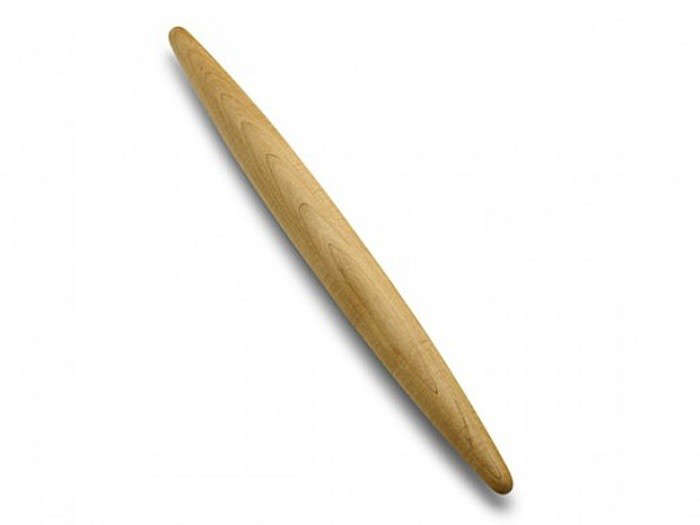
A French taper rolling pin is a long, cylindrical rolling pin without handles. Unlike the classic American-style rolling pin, which has a central barrel and two handles, the French version is one continuous piece. The key feature is its tapered ends: the center is thicker, while each end gradually becomes narrower.
That shape is not just for elegance, although it certainly looks beautiful. The taper allows the baker to apply pressure more naturally. Press slightly harder on one side, and the dough shifts in that direction. Rotate the pin gently, and you can guide dough into a more even circle. This is especially useful when rolling pie crust, where the goal is usually “round enough to fit the pan” rather than “abstract map of a country no one can identify.”
French Tapered vs. French Dowel Rolling Pins
Not all French rolling pins are tapered. Some are straight dowels, meaning they have the same diameter from end to end. A dowel rolling pin is excellent for even thickness, especially with cookie dough, pasta dough, and large sheets of pastry. A French tapered rolling pin, however, is more maneuverable. It gives you greater control when shaping dough into circles, ovals, and delicate pastry rounds.
Think of the dowel pin as steady and precise, while the tapered pin is graceful and responsive. One is a ruler; the other is a paintbrush. Both belong in serious kitchens, but if you make pies, tarts, galettes, or hand pies often, the tapered French rolling pin earns its place quickly.
Why Bakers Love French Taper Rolling Pins
The biggest reason bakers love French taper rolling pins is control. With a handled rolling pin, your hands are separated from the dough by handles and a rotating barrel. With a French pin, your palms rest directly on the wood, which means you can feel the dough underneath. That direct feedback helps you notice thick spots, thin edges, soft patches, and areas that need more attention.
This matters because dough is not always polite. Pie dough may soften too quickly. Pizza dough may spring back like it has personal objections. Cookie dough may crack at the edges. A French taper rolling pin lets you respond in real time by changing pressure, angle, and speed.
Better Pressure Control
The tapered shape helps you apply pressure where it is needed. When rolling a pie crust, for example, the center can become too thin if you press evenly across the entire pin for too long. With a French taper rolling pin, you can feather the edges, ease pressure at the center, and nudge the dough outward gradually.
This is one of the reasons many bakers prefer a tapered rolling pin for pastry. It helps create a rounder, more even dough sheet without forcing it. Dough does not like being bullied. It prefers calm leadership, a little flour, and maybe a moment in the refrigerator to think about its choices.
More Maneuverability
Because there are no handles, a French taper rolling pin is easy to pivot. You can roll forward, angle slightly left or right, rotate the dough, and keep shaping as you go. That makes it ideal for circular doughs such as pie crusts, tart shells, galettes, empanada wrappers, and homemade tortillas.
The pin also feels lighter and more agile than many traditional rolling pins. For home bakers who dislike bulky tools, this simplicity is part of the charm. It stores easily, cleans quickly, and does not require a drawer large enough to house a rolling-pin submarine.
Best Uses for French Taper Rolling Pins
French taper rolling pins are versatile, but they shine brightest with doughs that require finesse. They are not only for French pastry chefs with dramatic aprons and perfect countertops. They are excellent for everyday home baking too.
Pie Crust
Pie crust may be the best reason to own a French taper rolling pin. The tapered design helps you roll dough from the center outward while maintaining a round shape. You can gently angle the pin to correct uneven edges and prevent the center from becoming too thin.
For best results, start with chilled dough, lightly flour the counter, and roll in short strokes from the center outward. Rotate the dough a quarter turn every few rolls. If the dough sticks, lift it gently and add a light dusting of flour underneath. If it cracks, let it rest for a minute. Pie dough is basically butter wearing a flour jacket, so temperature matters.
Tart Dough and Galettes
Tart dough and galette dough benefit from a light touch. A French taper rolling pin makes it easier to avoid overworking the dough, which can lead to toughness. Since galettes are rustic by nature, the tapered pin is especially helpful. You can shape the dough into a charming circle without chasing perfection like it owes you money.
Cookies
For sugar cookies, gingerbread, shortbread, and cutout cookies, a French taper rolling pin works well when you want smooth, controlled rolling. However, because the center is thicker than the ends, beginners may need a little practice to keep cookie dough evenly thick. If exact thickness is critical, rolling guides or thickness strips can help.
Pizza Dough and Flatbreads
Many pizza lovers prefer stretching dough by hand, but a French taper rolling pin can be useful for thin-crust pizza, flatbreads, lavash, and crackers. The pin lets you roll gently without crushing all the air out of the dough. Use light pressure and stop before the dough becomes stubborn. If it springs back, cover it and let it rest for 5 to 10 minutes.
Pasta, Dumpling Wrappers, and Small Dough Projects
A French taper rolling pin can also help with pasta sheets, dumpling wrappers, small pastry circles, and hand pies. For very small wrappers, a shorter dowel-style pin may be easier, but the tapered French pin still performs well when you need controlled shaping and delicate pressure.
French Taper Rolling Pin vs. Traditional Rolling Pin
The traditional American rolling pin usually has handles and a rotating barrel. It is familiar, comfortable, and useful for many tasks. However, the handles can reduce the baker’s sense of direct contact with the dough. You push the handles, the barrel moves, and the dough responds. With a French taper rolling pin, your hands guide the tool directly.
Traditional pins can be helpful for dense doughs because they often have more weight. But that extra weight can also make them less nimble. French taper rolling pins are typically lighter and easier to angle, which makes them better for delicate pastry and circular shapes.
Which One Is Better?
The better choice depends on what you bake most. If you mainly make thick cookie dough, pasta sheets, or doughs that need consistent thickness, a straight dowel pin or handled pin may feel easier at first. If you make pie crusts, tarts, galettes, and pastry, a French taper rolling pin gives more control and finesse.
For many home bakers, the French taper rolling pin is the best all-around choice because it is simple, affordable, durable, and versatile. It does have a small learning curve, but the payoff is worth it. After a few baking sessions, a handled pin may start to feel like driving with oven mitts on.
Best Materials for French Taper Rolling Pins
Most high-quality French taper rolling pins are made of wood. Common woods include maple, beech, birch, cherry, walnut, and olive wood. Wood is popular because it feels warm in the hands, offers good grip, and can hold a light dusting of flour. This helps reduce sticking without requiring excessive flour, which can toughen dough.
Maple
Maple is one of the most common choices for wooden rolling pins. It is hard, smooth, durable, and resistant to everyday wear. A maple French rolling pin is a practical option for bakers who want a reliable tool that can handle pie crust, cookies, pizza dough, and pastry.
Beech and Birch
Beech and birch are also excellent choices. They are often slightly lighter than maple and provide a smooth rolling surface. Many well-made rolling pins use North American hardwoods because they are strong and attractive without being overly heavy.
Walnut and Specialty Woods
Walnut rolling pins are beautiful and often feel luxurious. They may cost more, but they can be worth it for bakers who enjoy tools that look as good as they perform. Specialty woods can vary in weight, grain, and finish, so it is important to choose a pin with a smooth surface and comfortable feel.
Should You Choose Marble, Stainless Steel, or Silicone?
Marble and stainless steel rolling pins are popular for keeping dough cool, especially when working with butter-heavy pastry. However, they are usually heavier and less responsive than wood. Silicone can be easy to clean, but it may not offer the same natural feel or flour-gripping surface as unfinished wood.
For a French taper rolling pin, wood remains the classic and most practical material. It gives the best combination of control, comfort, lightness, and tradition. Also, it looks quietly impressive on the counter, which is useful when you want guests to think you casually make laminated pastry on weekdays.
How to Choose the Right French Taper Rolling Pin
When shopping for French taper rolling pins, look at length, diameter, weight, finish, and surface texture. A good pin should feel balanced in your hands. It should not be so light that it feels flimsy or so heavy that rolling dough becomes arm day.
Length
Most full-size French rolling pins are around 18 to 21 inches long. This length works well for pie crusts, cookie dough, pastry, and pizza dough. Shorter pins can be useful for dumplings or small kitchens, while longer pins are helpful for larger sheets of dough.
Diameter
The center diameter often ranges from about 1.5 to 1.75 inches. A thicker center gives more rolling surface and a little more weight. Slimmer pins are agile but may require more passes. Choose a diameter that feels comfortable under your palms.
Finish
Many bakers prefer unfinished or lightly finished wood because it holds flour better and gives a natural grip. A very glossy finish may look attractive but can become slippery. The surface should be smooth, but not plastic-like.
Weight
A good French taper rolling pin should have enough weight to help roll dough without requiring too much pressure. However, it should still feel easy to lift, pivot, and control. Remember, the point of a French pin is finesse, not flattening dough like a tiny wooden steamroller.
How to Use a French Taper Rolling Pin
Using a French taper rolling pin is simple, but technique matters. Start by placing your hands near the center of the pin, not at the narrow ends. Use your palms rather than your fingertips. Roll from the center of the dough outward, applying gentle, even pressure.
Do not roll back and forth aggressively. Instead, roll outward, lift slightly, rotate the dough, and repeat. This helps keep the shape even and prevents sticking. If one side is thicker, apply slightly more pressure on that side. If the dough starts stretching unevenly, pause and let it rest.
Use Enough Flour, But Not Too Much
A light dusting of flour prevents sticking, but too much flour can dry out dough. The best approach is to flour the work surface lightly, dust the pin lightly, and add more only when needed. If you see patches of raw flour building up, brush them away.
Keep Dough Cool
For pastry and pie crust, cold dough is easier to roll and produces better texture. If the dough becomes sticky or greasy, slide it onto a baking sheet and refrigerate it for a few minutes. This small pause can save the dough from turning into a buttery crime scene.
How to Clean and Care for a French Taper Rolling Pin
Wooden rolling pins are easy to care for, but they do not enjoy long baths. Never soak a wooden rolling pin in water, and do not put it in the dishwasher. Heat and moisture can cause wood to warp, crack, or dry out.
After use, scrape off any stuck dough with a bench scraper or the dull side of a knife. Wipe the pin with a damp cloth, then dry it immediately. If needed, use mild soap sparingly. Let the pin air-dry completely before storing it.
Oil It Occasionally
To keep the wood from drying out, apply food-grade mineral oil occasionally. Rub a small amount into the wood, let it absorb, and wipe away any excess. Avoid vegetable oils because they can become sticky or rancid over time.
Store It Properly
Store your French taper rolling pin in a dry place. You can keep it in a drawer, stand it in a utensil crock, or hang it if it has a hole or loop. Just avoid leaving it next to the sink, stove, or any place where humidity and heat can cause damage.
Common Mistakes to Avoid
The first mistake is pressing too hard. A French taper rolling pin is designed for control, not brute force. Let the tool guide the dough. If dough resists, rest it. If it sticks, flour lightly. If it cracks, give it a moment to soften.
The second mistake is keeping your hands too far apart. Beginners often grip the narrow ends, but that reduces control. Keep your hands closer to the center so you can feel the dough more clearly.
The third mistake is expecting perfection immediately. A French taper rolling pin has a learning curve. The first pie crust may still look like a weather map. That is normal. By the third or fourth attempt, the movement starts to feel natural.
Experience Notes: What It Feels Like to Use a French Taper Rolling Pin
The first time many home bakers use a French taper rolling pin, they notice how direct it feels. There is no handle wobble, no rotating barrel, and no mechanical separation between your hands and the dough. It feels less like operating a kitchen gadget and more like shaping something by hand.
For pie dough, the difference is especially clear. With a handled pin, it is easy to roll straight lines and accidentally create squared-off edges. With a tapered French pin, you can guide the dough outward in a circular rhythm. Roll, rotate, roll, rotate. The dough gradually expands into a round shape without needing to be dragged or stretched.
Another practical advantage is speed. Because the pin is lightweight and easy to maneuver, it feels less tiring during longer baking sessions. If you are making several pie crusts, batches of cookies, or laminated pastry sheets, the reduced bulk matters. Your wrists will notice. They may not send a thank-you card, but they will notice.
There is also a pleasant simplicity to the tool. A wooden French taper rolling pin has no parts to break. There are no bearings to jam, no handles to loosen, and no silicone sleeves to peel. It is just wood and technique. That makes it dependable, especially for bakers who prefer tools that age well instead of tools that need replacement every holiday season.
In real kitchen use, the French taper rolling pin teaches you to pay attention. If the dough is too cold, you feel it cracking. If it is too warm, you feel it sticking. If one side is thicker, your palms catch the difference before your eyes do. This feedback helps improve baking skill over time. The pin does not magically make better pastry, but it helps you understand what the dough is doing.
For cookie dough, the experience is slightly different. A tapered pin requires a more careful touch to keep thickness consistent. Rolling guides can help, especially for decorated sugar cookies where even thickness affects baking time. Once you adjust, the pin works beautifully for cutout cookies, gingerbread, crackers, and shortbread.
For pizza dough, the French taper rolling pin is best when used gently. It is not ideal for forcing a thick dough into submission. Instead, it works well after the dough has rested and relaxed. Light rolling can help start the shape before finishing by hand. For thin-crust pizza or flatbread, it is especially useful.
One underrated experience is cleanup. Compared with handled pins, French taper rolling pins are refreshingly easy to wipe down. There are no seams around handles where dough can hide like it is avoiding rent. A quick scrape, a damp cloth, and a dry towel usually do the job.
Over time, a good wooden French rolling pin develops character. The surface becomes familiar. The weight feels natural. You learn where to place your hands and how much pressure different doughs need. It becomes one of those tools that feels personal, like a favorite knife or cast iron skillet.
The best advice is to use it often. Make pie crust on a weekend. Roll cookie dough during the holidays. Try homemade crackers, tart shells, or galettes. The more you use a French taper rolling pin, the less it feels like a specialty tool and the more it feels like the obvious choice.
Conclusion
French taper rolling pins prove that great kitchen tools do not need to be complicated. Their handle-free design, tapered ends, and responsive feel make them ideal for bakers who want better control over dough. They are especially useful for pie crusts, tarts, galettes, cookies, pizza dough, and delicate pastry work.
A well-made wooden French taper rolling pin is durable, beautiful, easy to clean, and surprisingly versatile. It may take a few practice sessions to master, but once you understand how to guide pressure and rotate dough, it becomes one of the most satisfying tools in the kitchen.
If your current rolling pin feels bulky, awkward, or better suited for cartoon chase scenes than pastry, a French taper rolling pin may be the upgrade your baking routine needs. Simple? Yes. Old-fashioned? Absolutely. Effective? Very. Sometimes the smartest tool in the kitchen is just a beautifully shaped piece of wood that knows exactly what it is doing.