Editorial note: This publish-ready article synthesizes current U.S. furniture design knowledge, vintage market information, dining table buying guidance, solid wood care recommendations, and real-world homeowner experience. Source links are intentionally omitted from the article body as requested.
What Is a Founders Dining Table?
A Founders Dining Table can mean two closely related things, depending on who is talking. In contemporary design circles, it may refer to the Founders Dining Table by Fern, a modern handcrafted table inspired by the classic sawbuck form. In vintage furniture circles, it often points to dining tables made by Founders Furniture Company, a respected name associated with mid-century modern pieces, walnut surfaces, extension leaves, sculptural bases, and that wonderful “my grandparents had taste before Instagram existed” energy.
Either way, the phrase carries a certain mood. A Founders dining table is not the kind of table that disappears into a room. It anchors the space. It says, “Yes, dinner is at seven, but also please admire this grain pattern before passing the mashed potatoes.” Whether you are shopping for a modern custom version or hunting down a vintage Founders Furniture Company table, the appeal is similar: clean lines, warm wood, practical function, and a design language that feels both sturdy and elegant.
The dining table has always been more than furniture. It is where families negotiate pizza toppings, couples plan budgets, children turn cereal into modern art, and guests pretend they are not eyeing the last slice of pie. A well-chosen Founders dining table supports all of that daily life while still looking polished enough for a magazine shootassuming someone hides the mail pile first.
The Design Story Behind the Founders Dining Table
A Modern Take on the Sawbuck Table
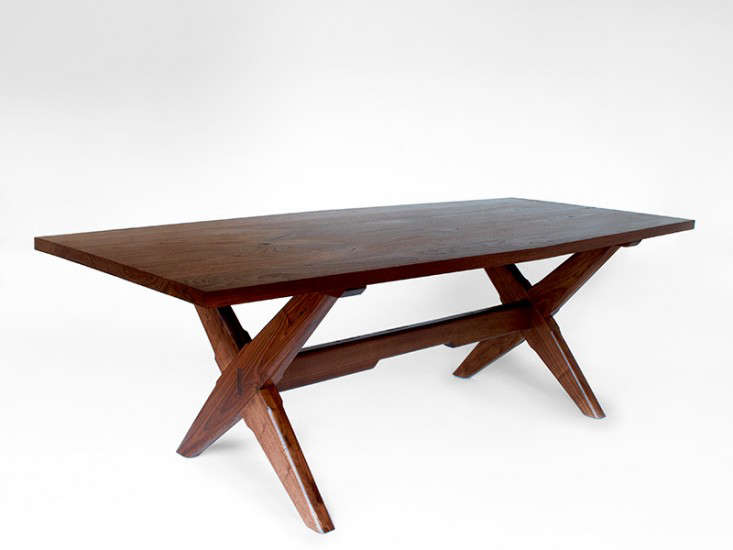
The modern Founders Dining Table by Fern is described as a contemporary interpretation of the sawbuck table. The sawbuck form is old, practical, and almost stubbornly sensible. Historically, sawbuck-style supports used angled or X-shaped bases that offered strength without unnecessary bulk. In dining furniture, that structure creates visual interest while leaving the tabletop feeling open and honest.
Fern’s version updates that heritage with refined proportions, carefully selected wood, and multiple top shapes, including rectangular, oval, hexagonal, and live-edge options. That flexibility matters because modern dining rooms are no longer one-size-fits-all. Some people have formal dining rooms. Others have open kitchens, apartment corners, loft spaces, or a dining zone that also serves as a laptop station, craft table, homework headquarters, and emergency gift-wrapping command center.
The Vintage Founders Furniture Company Connection
Vintage Founders dining tables tell a slightly different but equally interesting story. Founders Furniture Company pieces from the mid-20th century are often associated with American mid-century modern design. Many vintage examples feature walnut, rosewood, chrome, brushed steel, extension leaves, drop leaves, pedestal bases, or sculptural slab supports. Some pieces are attributed to well-known designers such as Jack Cartwright or Milo Baughman, which adds collector interest.
These tables appeal to buyers because they combine beauty with usability. They are not delicate museum pieces that faint when someone sets down a casserole. They were made for living rooms and dining rooms where real people actually lived. That combination of design credibility and everyday usefulness is one reason vintage Founders tables remain popular on resale and collectible furniture markets.
Why the Founders Dining Table Still Feels Fresh
Mid-century modern furniture has survived countless design trends because it understands a simple truth: people like furniture that looks good and works well. The Founders Dining Table fits naturally into that tradition. It avoids fussy decoration and relies instead on proportion, material, structure, and silhouette.
In practical terms, that means a Founders-style table can work in many interiors. Pair it with leather chairs and it leans sophisticated. Add woven seats and it feels relaxed. Place it under a globe pendant and suddenly the room has “architect with excellent coffee” energy. Surround it with mismatched vintage chairs and it becomes warm, personal, and just rebellious enough to make your dining room interesting.
Materials That Define the Look
Walnut
Walnut is one of the signature woods associated with Founders-style dining tables, especially vintage pieces. It has rich brown tones, expressive grain, and a natural elegance that does not need to shout. Walnut is excellent for dining rooms where you want warmth without making the space feel rustic. It is the furniture equivalent of a perfectly tailored jacket: classic, quietly confident, and difficult to improve upon.
White Oak
White oak gives a Founders dining table a lighter, more contemporary character. It works beautifully in modern farmhouse, Scandinavian, coastal, and minimalist interiors. Natural white oak feels bright and clean, while oxidized or darker finishes can add depth and drama. For homes with lighter floors or neutral walls, white oak can keep the dining space airy without feeling cold.
Maple
Maple is durable, smooth, and visually calm. It can be used in natural, bleached, or oxidized finishes, depending on the maker. A maple Founders dining table is a smart choice for people who want a clean modern look and a surface that feels sturdy enough for daily meals, work sessions, and the occasional “why is there glitter here?” mystery.
Rosewood and Veneered Woods
Some vintage Founders Furniture Company tables feature rosewood or veneered construction. Veneer sometimes gets unfairly judged, but high-quality vintage veneer can be beautiful, stable, and expertly matched for dramatic grain patterns. The key is condition. Look for lifting, bubbling, chipped edges, deep water stains, or repairs that were performed with more enthusiasm than skill.
Choosing the Right Shape
Rectangular Founders Dining Table
A rectangular table is the classic choice for larger dining rooms and long open-plan spaces. It seats more people efficiently and works well with benches, sideboards, and linear lighting. If you host holidays, game nights, or dinner parties where someone always brings “just one more friend,” a rectangular table with leaves can save the evening.
Oval Founders Dining Table
An oval table softens the room while still offering generous seating. It is especially useful when you want the capacity of a rectangular table but need better flow around corners. Oval tops are forgiving in busy spaces because no one has to perform a dramatic hip-check against a sharp table corner while carrying soup.
Round or Drop-Leaf Vintage Tables
Some vintage Founders dining tables include round or drop-leaf designs. These are excellent for apartments, breakfast areas, or smaller dining rooms. Round tables encourage conversation because everyone faces inward. Drop-leaf tables add flexibility, expanding when needed and shrinking when daily life requires more floor space.
Live-Edge and Hexagonal Options
For homeowners who want a more distinctive modern table, live-edge and hexagonal tops create a statement. A live-edge Founders dining table celebrates the natural outline of the wood, while a hexagonal top adds geometry and architectural interest. These shapes work best when the surrounding decor is restrained enough to let the table be the star rather than one more voice in a very crowded design choir.
How to Pick the Right Size
Before falling in love with a table, measure your room. Then measure it again, because furniture has a magical way of looking smaller online and larger when blocking the path to the refrigerator.
As a general rule, allow about 36 inches of clearance around the dining table so chairs can move comfortably and people can walk behind seated guests. For seating, many dining guides recommend roughly 22 to 26 inches of width per person for comfortable everyday use. Compact seating may be possible with less space, but comfort matters if you expect people to linger over dinner instead of escaping after ten minutes like contestants in a speed-eating event.
A 48- to 60-inch table can often seat four to six people, depending on shape and base style. A 72- to 96-inch rectangular table usually works for six to eight. Larger tables, especially those over 96 inches, can seat eight to ten or more when paired with slim chairs or benches. Extension leaves are extremely useful because they let the table adapt to holidays, birthdays, and surprise guests without forcing you to live with a banquet hall in your dining room every day.
Base Style: Beauty Meets Legroom
The base of a Founders dining table is not just decorative. It affects comfort, chair placement, and how many people can sit around the table. A sawbuck or trestle-style base provides stability and a strong architectural look. A pedestal base can create more flexible seating because there are no corner legs in the way. Slim metal or chrome supports, common in some vintage Founders-inspired pieces, add a sleek mid-century edge.
When shopping, always check where chair legs and human legs will go. A table can be gorgeous and still annoy everyone if the support structure forces guests into awkward knee yoga. Sit at it if possible. If shopping online, study dimensions carefully and compare them to your chairs.
How to Style a Founders Dining Table
Keep the Chairs Intentional
You do not need matching chairs, but you do need a plan. A walnut Founders dining table pairs well with black leather, cane, upholstered neutrals, or slim wooden chairs. A white oak table looks fresh with linen upholstery, wishbone-style chairs, or simple modern silhouettes. If using mismatched chairs, repeat one elementcolor, material, shape, or heightso the result feels collected rather than accidentally assembled during a moving-day panic.
Choose Lighting That Respects the Table
A strong dining table deserves good lighting. Linear pendants work well above rectangular and oval tables. Globe fixtures can soften angular designs. Sculptural chandeliers add drama, but keep scale in mind. The light should frame the table, not hover over it like a UFO preparing to abduct the salad.
Add a Rug, But Size It Properly
A rug can define the dining area and add softness, especially in open-plan homes. Choose a rug large enough for chairs to remain on it when pulled out. If the rug is too small, chairs will catch on the edges, and every meal will include a tiny furniture wrestling match. Flatweave and low-pile rugs are easier to clean than plush options, especially if children, pets, or enthusiastic spaghetti eaters are involved.
Buying a Vintage Founders Dining Table
Buying vintage can be deeply rewarding, but it requires attention. Check the table’s structure first. Does it wobble? Are the joints tight? Do extension leaves fit correctly? Is the base original? Has the table been refinished, and if so, was it done well?
Surface wear is normal on older tables. Light scratches, small dents, and gentle patina can add character. Major veneer damage, deep gouges, unstable bases, and poorly repaired leaves may require professional restoration. That is not necessarily a dealbreaker, but it should affect the price.
Also verify dimensions. Many vintage listings include tables that can function as dining tables, desks, or conference tables. A height around 28 to 30 inches is typical for dining, but width, depth, and leg clearance matter. If you already own chairs, compare the chair arm height and seat height to the table apron or underside.
Buying a Modern Custom Founders Dining Table
A modern custom Founders Dining Table gives you more control. You may be able to choose wood species, finish, top shape, edge detail, and size. Custom sizing is helpful when your dining room has unusual proportions or when you want the table to fit a specific number of people without overwhelming the space.
The main advantage of custom furniture is fit. The table can be designed around your life instead of forcing your life to adapt to a showroom standard. The trade-off is usually cost and lead time. Custom pieces often require patience, but the reward is a dining table that feels personal from day one.
Care and Maintenance
Clean Gently
For everyday cleaning, use a soft, slightly damp cloth. Avoid harsh chemicals, abrasive pads, and aggressive scrubbing. Wood is durable, but it is not a kitchen counter from a superhero movie. Treat it with respect, and it will age beautifully.
Protect Against Heat and Moisture
Use coasters, trivets, and placemats. Hot pans, wet glasses, and mystery spills can leave marks on wood finishes. Wipe spills quickly instead of letting them settle in. If your table has an oil or wax finish, periodic maintenance may be recommended by the maker. If it has a lacquer or varnish finish, avoid oily cleaners unless specifically approved.
Control the Environment
Solid wood expands and contracts with changes in humidity. Keep the table away from direct heat sources, intense sunlight, and damp areas. In very dry homes, a humidifier can help prevent cracking. In humid climates, air conditioning or dehumidification can reduce swelling and movement. The goal is not perfection; it is stability.
Is a Founders Dining Table Worth It?
For many buyers, yes. A Founders Dining Table is worth considering if you want furniture with character, lasting materials, and design presence. It works especially well for people who prefer timeless style over disposable trends. Whether vintage or modern, the best Founders-style tables offer a rare balance: they are handsome enough to impress guests and practical enough to survive Tuesday night tacos.
The value also depends on how you use your home. If your dining table is only a decorative landing zone for unopened mail, you may not need an heirloom-quality piece. But if the table is central to your daily lifemeals, work, family conversations, celebrations, projectsthen investing in a better table can make the whole home feel more grounded.
Common Mistakes to Avoid
Buying Too Big
A table should not dominate the room so completely that guests need to shuffle sideways like crabs. Leave enough space around it for chairs and movement.
Ignoring Chair Compatibility
Beautiful chairs are useless if they do not slide under the table or if the arms collide with the apron. Measure first, celebrate later.
Choosing a Finish That Does Not Match Your Lifestyle
A delicate finish may not be ideal for young children, frequent entertaining, or households where someone treats coasters as abstract theory. Choose a finish that matches real life, not fantasy life.
Forgetting Delivery Logistics
Large dining tables need to fit through doors, stairwells, elevators, and hallways. Measure the path into your home before ordering. Nothing ruins furniture joy faster than discovering your dream table can only live in the garage.
of Real-Life Experience With a Founders Dining Table
Living with a Founders Dining Table is different from simply owning a table. At first, you notice the design. The grain catches the light. The base has presence. The proportions make the room feel more intentional. You may even find yourself walking past it and thinking, “Yes, I am now the kind of person who has opinions about table silhouettes.” Congratulations. It happens to the best of us.
After a few weeks, though, the table becomes less of a showpiece and more of a daily companion. Morning coffee lands on it. Laptops appear. Grocery lists are written. Someone places keys on it even though there is a perfectly good tray two feet away. The Founders dining table becomes part of the rhythm of the home. That is where the quality matters. A flimsy table feels temporary; a well-made one feels like it is participating in family history.
One of the best experiences is hosting. A Founders-style table naturally gathers people. The warm wood tones make food look better, the structure gives the room confidence, and the design is interesting without being distracting. Guests may comment on it, especially if it is vintage or custom made. But after the first compliment, the table fades into its proper role: supporting conversation, plates, elbows, laughter, and the dramatic retelling of stories everyone has heard before.
Extension leaves are especially useful in real life. On ordinary days, the table can remain compact and comfortable. When friends come over, the leaves turn it into a proper gathering surface. There is something satisfying about expanding a table before a dinner party. It feels ceremonial, like preparing a stage. Of course, someone will still ask where to sit, even when the seating arrangement is obvious. That is not the table’s fault.
Maintenance also becomes part of the relationship. You learn to wipe spills quickly. You learn which coasters actually get used and which decorative ones are merely tiny sculptures. You may become mildly protective when someone sets down a hot mug without thinking. Try not to become the table police, but also, yes, use the coaster. Balance is everything.
Over time, small marks may appear. A tiny scratch from a holiday centerpiece. A faint impression from an overenthusiastic homework session. A spot where someone spilled wine and performed a cleanup routine with the urgency of a medical drama. These marks can feel frustrating at first, but many become part of the table’s story. High-quality wood furniture does not have to remain perfect to remain beautiful. In fact, the best dining tables become more meaningful as they collect evidence of meals, milestones, and ordinary days.
The most valuable experience is emotional. A Founders Dining Table makes the dining area feel settled. It gives people a place to return to. In a home full of screens, schedules, deliveries, and distractions, that matters. A good dining table quietly encourages people to sit down, slow down, and share space. That may sound sentimental, but it is also practical. Homes function better when they have strong gathering points. A Founders Dining Table does exactly thatwith style, strength, and just enough design charisma to make dinner feel a little more special.
Conclusion
The Founders Dining Table stands at the intersection of craftsmanship, modern design, and everyday usefulness. Whether you are drawn to the contemporary sawbuck-inspired version or a vintage Founders Furniture Company table from the mid-century era, the appeal is clear. These tables offer warmth, structure, flexibility, and personality. They can host elegant dinners, casual breakfasts, work sessions, family debates, and the occasional dessert negotiation.
Choose the right size, shape, wood, and base style, and a Founders dining table can become the most important piece in your dining room. Care for it well, and it may serve your home for decades. More than a surface for plates, it becomes a stage for real lifeand real life, as we know, occasionally includes crumbs.