Note: This article is based on real U.S. fire-safety guidance and manufacturer troubleshooting recommendations, rewritten in plain American English for web publication.
You climb the ladder, swap in a fresh battery, press the button like a responsible adult, and then… beep. A minute later? Beep again. At this point, your smoke alarm starts to feel less like a life-saving device and more like a tiny ceiling goblin with opinions.
If your fire alarm is beeping even after a new battery, the good news is that the alarm is usually trying to tell you something specific. The bad news is that the message is often less “Hello, homeowner” and more “interpret my mysterious chirp language if you dare.” In most homes, the problem comes down to one of a handful of issues: the battery was installed incorrectly, the alarm needs a reset, the device is old, the unit is dirty, moisture or temperature is affecting it, or a hardwired alarm is having a power problem.
This guide explains why a smoke alarm keeps beeping with a new battery, how to fix it step by step, and when it is smarter to stop troubleshooting and just replace the unit. We will also clear up one important point early: many people say “fire alarm” when they really mean a smoke alarm or a combo smoke and carbon monoxide alarm. That matters, because different alarms use different chirp patterns and different replacement timelines.
First, Know the Difference Between a Chirp and an Emergency Alarm
Before you do anything else, figure out whether you are hearing a single intermittent chirp or a full alarm pattern. That is the difference between “maintenance issue” and “do not stand there in your socks debating battery chemistry.”
A chirp usually means maintenance
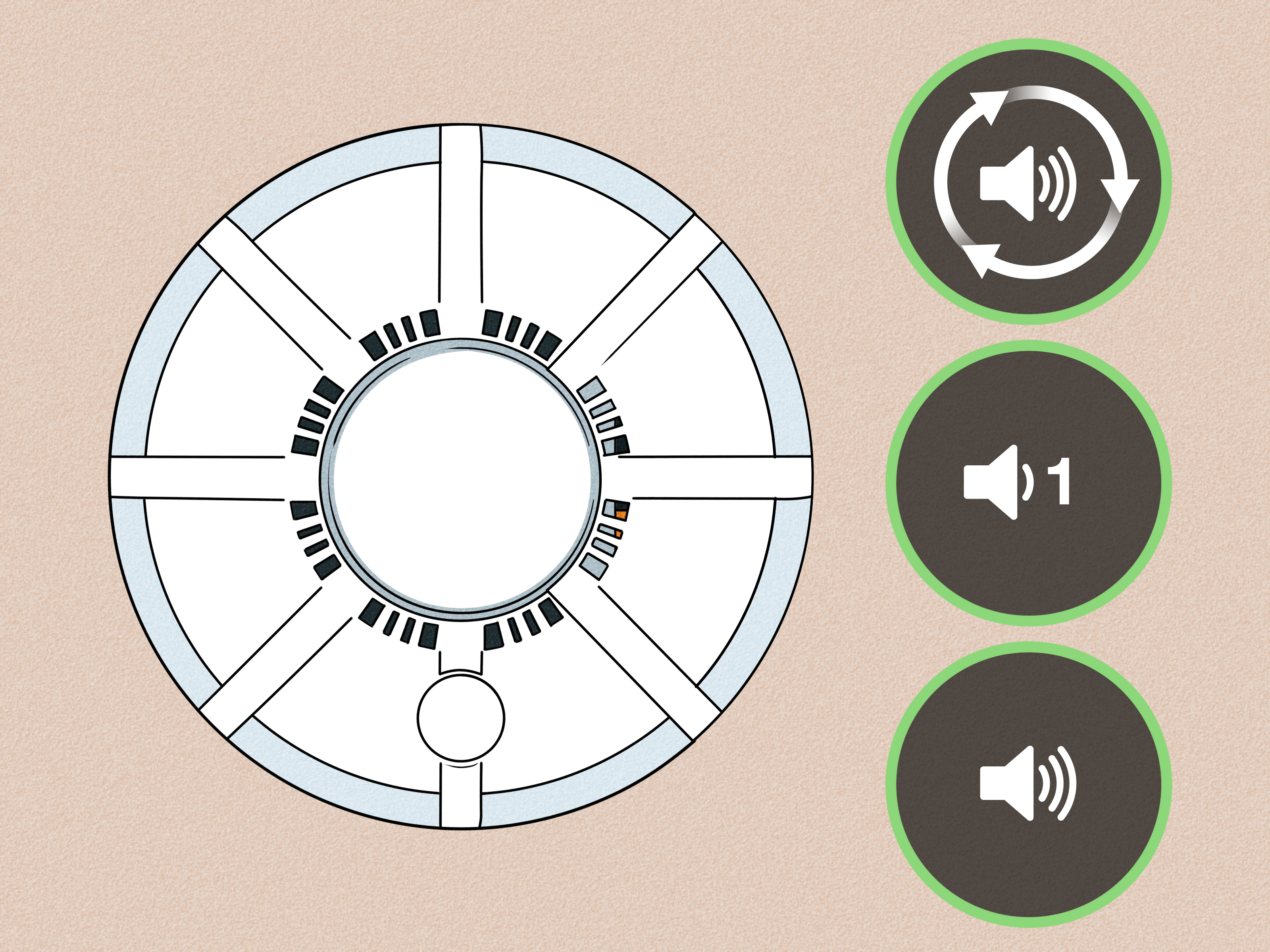
A brief chirp every 30 to 60 seconds often points to a low battery, an end-of-life warning, a sensor issue, or a reset problem. In other words, the alarm is not usually saying, “There is fire right now.” It is saying, “Something is wrong with me.”
A repeating alarm pattern may mean danger
If the unit gives a louder repeating pattern instead of a quiet chirp, treat it seriously. Smoke alarms commonly sound three quick beeps in an emergency, while combo units may use different patterns for carbon monoxide. If you suspect smoke or fire, get everyone out first and deal with the hardware drama later.
Why Your Fire Alarm Is Beeping Even with a New Battery
1. The battery is new, but it is not installed correctly
This is the most obvious cause, which is precisely why people hate it. A battery can be fresh from the package and still fail if the terminals do not line up correctly, the battery drawer is not fully closed, or the contacts are bent or dirty.
Some alarms are wonderfully picky. If the battery door is even slightly loose, the unit may keep chirping because it thinks the battery is missing. Others will complain if you used the wrong battery type, mixed old and new batteries, or installed a rechargeable battery in a model that expects a standard alkaline battery. Always check the label on the back of the alarm or the manual for the exact battery type the manufacturer recommends.
2. The alarm still has residual charge and needs a reset
This is the classic new battery, same beeping problem. Some smoke alarms hold a residual charge or retain the previous low-battery error in the processor. So even after you replace the battery, the alarm continues its chirpy protest because it has not actually been reset.
In many battery-only models, the fix is simple:
- Remove the new battery.
- Press and hold the test button for at least 15 seconds.
- Wait a moment.
- Reinstall the battery.
- Test the unit again.
For a hardwired smoke alarm with battery backup, the process is a little more involved. Turn off the circuit at the breaker, remove the alarm from the bracket, disconnect the wiring harness if the model allows it, remove the battery, hold the test button for at least 15 seconds, then reconnect everything and restore power. If you skip the reset, the chirp may keep coming back like a sequel nobody asked for.
3. The alarm is at the end of its life
This is one of the biggest reasons a smoke alarm beeps after a battery change. Homeowners assume the battery was the problem, but the real issue is that the alarm itself is too old. Smoke alarms do not last forever. In general, smoke alarms should be replaced about every 10 years, and some carbon monoxide or combo units may need replacement sooner depending on the model.
That means a new battery will not magically revive a detector from the ancient era of your kitchen backsplash. If the alarm is pushing the end of its service life, many models chirp to tell you the sensor is no longer reliable. At that point, replacing the battery is like giving a vitamin gummy to a toaster. Noble effort. Wrong solution.
Look for the manufacture date on the back of the unit. If it is around 10 years old, replace it. If it is a sealed 10-year alarm that starts chirping end-of-life warnings, replace the whole unit, not the battery. There is no secret compartment. There is only acceptance.
4. The alarm is dirty
Dust, debris, cobwebs, and even tiny insects can interfere with the sensor chamber and cause random chirping or nuisance alarms. This happens more often than people think, especially in hallways, near HVAC vents, close to attics, or in homes going through renovation.
If your smoke detector is beeping with a new battery, take it down if your model allows, vacuum the exterior and vent openings gently, and wipe away visible dust. Do not spray cleaners directly into the unit. Do not blast it like you are pressure-washing the driveway. Gentle cleaning is the goal.
5. Humidity, steam, or temperature swings are triggering it
Smoke alarms are dramatic about air conditions. Steam from a shower, high humidity, condensation, and sudden temperature changes can all cause chirping or false alarms in some models. This is especially common when an alarm is installed too close to a bathroom, kitchen, attic access point, or supply vent.
Another fun twist: alarms often chirp in the middle of the night because the temperature drops. A weak or aging battery may perform worse in cooler overnight air, which is why the beeping loves to debut around 3 a.m. like a tiny haunted-house soundtrack.
If the unit is near a bathroom, kitchen, drafty window, or HVAC register, the location may be the real culprit. In that case, the fix is not just “new battery.” It may be better placement.
6. A hardwired alarm may have an AC power problem
If you have a hardwired smoke alarm, the backup battery is only one part of the story. The alarm also depends on household AC power. Loose connections, brief power interruptions, surges, or a tripped breaker can make the unit chirp even when the battery is brand-new.
That is why people sometimes change the battery and get nowhere. The battery was never the main issue. If your hardwired alarm chirps after power flickers, after a breaker trip, or when certain appliances turn on, you may be dealing with an electrical issue rather than a battery issue.
If you are comfortable checking the breaker, do that first. If not, or if the alarm keeps chirping after a reset, it may be time to call an electrician or replace the unit.
7. The alarm is not seated correctly on the mounting bracket
On some models, the alarm has to be mounted properly for the battery circuit or backup battery activation to work as intended. If the unit is twisted onto the bracket incorrectly, or not fully locked in place, it can chirp even though the battery is fresh.
This issue also shows up with some brand-new alarms. If you just installed a new unit and it starts chirping right away, check whether the backup battery was fully activated, whether the pull tab was removed, and whether the alarm is firmly mounted the way the manufacturer intended.
8. You may be dealing with the wrong device entirely
Sometimes the sound you think is coming from the smoke alarm is actually from a carbon monoxide alarm, a combo unit, a security keypad, or another detector in the house. In homes with interconnected alarms, the beeping can seem like it is coming from the hallway when the real troublemaker is in the guest room no one has entered since the last holiday season.
Listen closely, test one unit at a time, and identify the exact device before you go replacing batteries everywhere like you are on a caffeine-fueled scavenger hunt.
What to Do: A Step-by-Step Fix
Step 1: Identify the exact alarm that is beeping
Walk room to room and listen carefully. If you have interconnected alarms, one failing unit can create confusion fast. Find the exact alarm, then check whether it is a battery-only smoke alarm, a hardwired smoke alarm, or a smoke/CO combo.
Step 2: Check the battery type and orientation
Make sure the battery matches the type listed by the manufacturer. Reinsert it carefully, confirm the plus and minus orientation, and make sure the battery door closes completely.
Step 3: Reset the alarm
For battery-only models, remove the battery and hold the test button for at least 15 seconds before reinstalling it. For hardwired units, shut off power first, disconnect if needed, remove the battery, hold the test button, then reconnect everything and restore power.
Step 4: Clean the unit
Vacuum the openings and remove dust around the alarm. This is especially important if the detector is near a vent, entryway, or construction area.
Step 5: Check the age
Find the manufacture date on the back. If the alarm is about 10 years old, replace it. If it is a combo model, review the manual because some units have a shorter life.
Step 6: Review the location
If the unit is near a bathroom, kitchen, window, or duct, steam or airflow may be contributing to the problem. Smoke alarms should be installed in the right places, including inside bedrooms, outside sleeping areas, and on every level of the home, but not so close to cooking steam or ventilation that they false alarm constantly.
Step 7: Test the unit
Once everything is back in place, press the test button. If the alarm still chirps after all of this, replacement is often the most sensible next move.
When You Should Replace the Alarm Instead of Fighting With It
At some point, troubleshooting becomes a hobby you did not choose. Replace the alarm if:
- It is around 10 years old.
- It keeps chirping after a battery replacement and full reset.
- It has repeated nuisance alarms even after cleaning and relocation.
- It shows an end-of-life or malfunction signal.
- It is a sealed 10-year model that has started chirping.
- You cannot identify the exact issue and no manufacturer troubleshooting step fixes it.
Modern alarms are better than many older units, and replacing one worn-out detector is usually cheaper than losing sleep for a week and arguing with a ceiling.
How to Prevent the Problem in the Future
Test monthly
Press the test button once a month. This helps catch battery, sensor, and power issues before the chirping begins its midnight solo.
Replace alarms on schedule
Do not wait for an alarm to become a relic. Replace smoke alarms about every 10 years, and check combo units for their model-specific lifespan.
Clean alarms regularly
A quick vacuum around the vents can prevent dust buildup and help the sensor work properly.
Use the right battery or the right replacement unit
If the model takes replaceable batteries, use the specified type. If it is a sealed long-life alarm, replace the entire alarm at end of life.
Have a fire escape plan
Working alarms matter, but so does knowing what to do when they sound. Every home should have a fire escape plan with two ways out and a meeting place outside.
Common Real-World Experiences Homeowners Have With a Beeping Fire Alarm
One of the most common experiences is the “I changed the battery and it still chirps every minute” scenario. Usually, that turns out to be a reset issue or an old detector. The homeowner assumes the new battery must be defective, buys another battery, and ends up with the same result. The real fix is often a hard reset or full unit replacement.
Another classic is the “the beeping only happens at night” mystery. People think the house is haunted, or at least mildly rude. In reality, a weak battery or aging alarm may react to lower overnight temperatures. The chirp appears between 2 a.m. and 6 a.m., then disappears after sunrise. It feels personal, but it is usually physics.
Then there is the “I replaced the battery in the hallway alarm, but the noise is still happening” problem. After thirty minutes of stepladder aerobics, the homeowner discovers the actual source is a combo unit in the upstairs guest room. Sound travels oddly in hallways and stairwells, which is why identifying the exact device first can save a lot of time and a surprising amount of grumbling.
Many people also run into the “brand-new alarm is chirping right out of the box” moment. That can happen when the backup battery was not fully activated, the pull tab was not removed, or the unit was not seated correctly on the bracket. It is frustrating, but it does not always mean the alarm is defective. Sometimes it simply means the installation needs one more careful pass.
Humidity-related cases are common too. A family installs a smoke alarm near a bathroom or too close to the kitchen because it seems like a logical spot. Then every shower, every pasta night, and every slightly ambitious pancake session turns into an acoustic event. They replace the battery, but the beeping and nuisance alarms continue because the real issue is location, not power.
Hardwired alarms create their own flavor of confusion. A homeowner changes the backup battery, but the chirp continues because the unit is actually warning about interrupted AC power. Sometimes a loose connection, a tripped breaker, or brief power fluctuation is behind the problem. That is why hardwired models can be especially stubborn if you only treat them like battery-only alarms.
Older homes often reveal the most relatable lesson of all: a new battery cannot fix an old sensor. Plenty of homeowners discover that their detector has been hanging on the ceiling since flip phones were cool. Once they check the date on the back, the mystery solves itself. The alarm is not being dramatic. It is retired.
The best experience, of course, is the one where the problem gets fixed before it becomes a bigger issue. A chirping alarm is annoying, but it is also useful. It is an early warning that your home safety system needs attention. Treat it as a maintenance message, not just an annoyance, and you will sleep better once the house is quiet again.
Final Thoughts
If your fire alarm is beeping with a new battery, do not assume the battery is the problem just because it is the newest thing in the equation. In many cases, the real cause is a reset issue, an old alarm, dust buildup, humidity, poor placement, or a hardwired power interruption. The good news is that most of these problems are easy to diagnose once you know what to look for.
Start simple: confirm the device, check the battery, reset the unit, clean it, and check the manufacture date. If the alarm still chirps after that, replacement is often the fastest and safest answer. And if the unit ever switches from a quiet chirp to a true alarm pattern, stop troubleshooting and treat it like an emergency.
Because yes, the beeping is annoying. But a working smoke alarm is one of the most important little noisemakers your home will ever have.