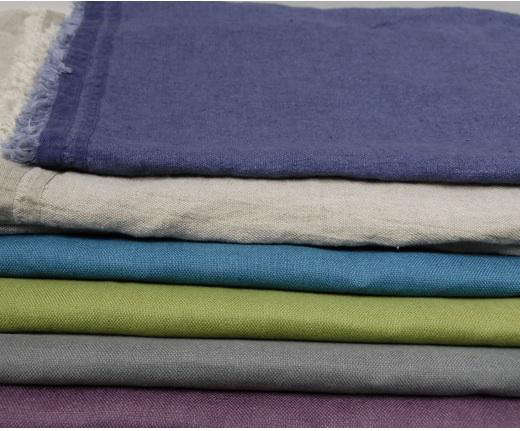
Summer bedding has one job: help you sleep without feeling like a burrito left under a heat lamp. That sounds simple, until the temperature rises, the air gets sticky, and your once-beloved comforter starts behaving like a weighted blanket with trust issues. This is where linen earns its reputation. Light, breathable, naturally textured, and charmingly rumpled, linen is the fabric equivalent of opening a window in a quiet coastal house.
AREA Home, the New York-based bedding and home accessories brand founded by Swedish designer Anki Spets, approaches summer linens with a Scandinavian sensibility: natural fibers, practical beauty, and pieces that mix easily instead of shouting for attention. Its linen bedding collections are not about fussy perfection. They are about softness, airflow, texture, and that casually elegant bed that says, “I woke up like this,” even if the pillows were arranged with surgical precision.
In this guide, we will look at why linen works so well in warm weather, how AREA’s summer-friendly linen collections fit into modern bedrooms, how to style linen bedding without making the room look like a laundry basket audition, and how to care for it so it keeps getting better with age.
Why Linen Is the Summer Bedding MVP
Linen is made from flax, a natural fiber known for strength, breathability, and moisture management. Compared with many heavier synthetic fabrics, linen allows more air to move through the weave. That matters in summer because bedding comfort is not just about softness; it is also about temperature, airflow, and how quickly moisture moves away from the body.
Hot sleepers often reach for cotton percale, bamboo-derived fabrics, or linen because these materials tend to feel cooler and less clingy than dense sateen or microfiber. Linen has a slightly open, textured weave that helps it feel dry and airy. It does not try to smother you with glossy hotel-room drama. It simply says, “Let’s all calm down and sleep like civilized people.”
Breathability Without the Bare-Bed Look
One common summer mistake is stripping the bed down so much that it feels unfinished. Yes, nobody wants to roast under a winter duvet in July. But a bed still needs layers for comfort, style, and the mysterious 4 a.m. chill that appears after you kicked everything onto the floor. Linen is useful because it creates visual depth without excessive weight.
A linen flat sheet, duvet cover, or lightweight throw can make a bed feel complete while still keeping the mood breezy. AREA’s linen collections are especially good for this because the colors and textures are designed to work together. Instead of one loud pattern taking over the room, you get subtle weaves, muted shades, and quiet contrast.
AREA Home: Scandinavian Ease Meets New York Practicality
AREA Home was started in 1990 by Swedish founder Anki Spets, whose design approach reflects the Scandinavian tradition of useful, long-lasting everyday objects. That background matters. AREA’s bedding is not trying to win a beauty pageant and then fall apart after three washes. The brand focuses on natural fibers, original designs, and bedding that can be mixed across collections.
This mix-and-match philosophy is ideal for summer. Instead of buying a complete “seasonal set” that looks dated by Labor Day, you can build a flexible bed: linen sheets, a cotton-linen duvet cover, a percale base layer, a thin blanket, and maybe one textured pillow for the person who believes beds need accessories the way coffee needs a mug.
The AREA Look: Relaxed, Not Random
AREA’s summer linens tend to feel calm, tactile, and intentionally understated. Think soft neutrals, tonal depth, quiet stripes, washed finishes, and natural fiber texture. This is not the kind of bedding that demands you repaint the room or buy a new lamp named after a Scandinavian village. It works with white walls, wood furniture, vintage pieces, modern apartments, beach cottages, and bedrooms where the nightstand contains one book, three chargers, and an emotional-support lip balm.
Key AREA Linen Collections for Summer
AREA’s linen bedding options include pure linen pieces and linen-blend designs. Each has a slightly different personality, which is helpful because not everyone wants the same summer bed. Some people love crisp texture. Others want linen’s breathability with a softer, cotton-like hand. The best choice depends on how you sleep, how you style your room, and whether wrinkles make you smile or reach for a steamer.
LOUIE: Pure Linen With a Subtle Menswear Twist
LOUIE is one of AREA’s most summer-friendly linen collections. It uses an end-on-end weave, also known as fil-à-fil, where light and dark threads alternate to create a subtle effect that reads almost solid from a distance. This gives the fabric quiet depth rather than a flat block of color.
The result is crisp but relaxed, refined but not uptight. Imagine a perfectly worn linen shirt, the one that makes you look like you own a beach house even if your current view is a parking lot and a very determined pigeon. LOUIE’s prewashed finish helps create a cool, soft feel, making it well suited for warm nights and casual layering.
EMILE: Linen With a Smoother, Light-Reflecting Finish
EMILE is 100% pure linen with a sateen-like weave, giving it a slightly shinier surface than typical plain-weave linen. That subtle sheen can make a summer bedroom feel brighter and more polished without sacrificing the natural character of linen.
This collection is a strong option for people who love linen but want a more refined look. It pairs beautifully with flatter cottons or matte linen pieces because the contrast creates dimension. For example, an EMILE duvet cover with simple cotton percale sheets can make the bed feel layered, grown-up, and cool enough for July without looking like a hotel tried too hard.
ELI: The Cotton-Linen Compromise That Makes Sense
Some people love linen in theory but find pure linen a little too textured at first. AREA’s ELI, a cotton-linen blend, offers a smart middle ground. With linen for breathability and cotton for softness, a cotton-linen blend can feel easier for sleepers who want texture without the full rustic handshake of pure flax.
ELI’s basket weave adds visual structure, while the cotton content can make the fabric feel more familiar. This is a useful summer option for guest rooms, shared beds, or anyone trying linen for the first time. It also wrinkles less dramatically than some pure linen fabrics, which is helpful if your design philosophy is “relaxed, yes; abandoned, no.”
How to Build a Summer Bed With AREA Linens
A good summer bed is not just one magic sheet. It is a system. The wrong layers can turn even beautiful bedding into a sauna with pillowcases. The right layers create airflow, comfort, and flexibility.
Start With a Breathable Base
Begin with sheets that feel cool against the skin. Linen sheets are excellent for a dry, textured feel, while cotton percale sheets offer crispness and a cleaner snap. If you want the AREA look without going all-in on linen, try cotton percale sheets under a linen duvet cover or linen throw. This gives you the best of both worlds: cool contact and relaxed texture.
Use a Duvet Cover Without Overfilling It
In summer, the duvet insert matters as much as the cover. A breathable linen duvet cover stuffed with a heavy winter insert is like wearing sandals with a ski jacket. Technically possible, emotionally confusing. Choose a lightweight insert, a summer-weight comforter, or skip the insert and use the duvet cover as a top layer on especially warm nights.
Add One Light Blanket or Throw
A thin cotton blanket, linen throw, or airy coverlet gives the bed structure without trapping too much heat. AREA’s understated textures are useful here because they add interest without visual clutter. A light throw folded at the foot of the bed also solves the “I am hot, then cold, then hot again” dance that summer sleepers know too well.
Color Ideas for Summer Linens from AREA
Summer color does not have to mean seashell prints, turquoise overload, or a pillow that says “Beach Please.” AREA’s palette works best when you think in soft contrasts and natural tones.
White and Ivory for Maximum Airiness
White linen instantly makes a bedroom feel cooler and cleaner. It reflects light, pairs with everything, and creates that breezy vacation feeling even when your vacation is opening the freezer and standing in front of it for emotional support. Mix white linen with ivory cotton, pale wood, and a single darker accent for depth.
Blue, Gray, and Graphite for Quiet Cool
Blue-gray bedding can make a room feel calm and shaded. A graphite accent pillow or throw adds definition without making the bed look heavy. This palette works especially well in modern apartments or rooms with metal, concrete, black frames, or cool-toned art.
Natural Flax and Warm Neutrals
Natural flax shades are ideal for summer because they feel earthy, relaxed, and forgiving. They hide minor wrinkles, coordinate with wood tones, and make a room feel less sterile than pure white. Pair flax linen with cream sheets, woven baskets, and a small plant for a bedroom that whispers “weekend retreat” instead of “I forgot to decorate.”
Linen vs. Cotton: Which Is Better for Summer?
Both linen and cotton can be excellent summer fabrics, but they behave differently. Cotton percale feels crisp and smooth, like the classic cool sheet many people grew up with. Linen feels more textured, drier, and more relaxed. Cotton may feel softer immediately, while linen often becomes softer over time with washing and use.
For very hot sleepers, linen’s moisture-wicking feel and airy weave can be a major advantage. For people who dislike texture, a cotton-linen blend or cotton percale base may be more comfortable. The best summer bed often combines both: cotton close to the skin, linen on top for airflow and style.
How to Care for Summer Linens So They Last
Linen is durable, but it still appreciates decent manners. Treat it well and it becomes softer, more relaxed, and more beautiful over time. Treat it badly and it may respond like any offended fabric: shrinking, fading, or developing a personality you did not request.
Wash Gently and Avoid Overloading
Use cold or warm water, a gentle cycle, and mild detergent. Avoid cramming the washer like you are packing for a three-week trip with one carry-on. Linen needs room to move so detergent can rinse out properly and fibers are not twisted aggressively.
Skip Bleach and Heavy Fabric Softener
Bleach can weaken fibers and alter color, especially on dyed linen. Fabric softener may sound helpful, but it can leave residue that reduces absorbency and breathability. Linen softens naturally with washing, so patience is the better laundry product. Annoying, yes. Effective, also yes.
Dry Low or Line Dry
High heat can be rough on natural fibers. Tumble dry on low and remove linen while it is slightly damp, then smooth it by hand. If you line dry, keep strong direct sun in mind, especially for darker colors. Sunlight is lovely; fading is less charming.
Common Mistakes When Buying Summer Linen Bedding
Choosing Only by Color
Color matters, but fiber content, weave, and feel matter more. A beautiful duvet cover that sleeps hot is just a decorative regret. Check whether the piece is pure linen, cotton-linen, percale, or another fabric, then choose based on your sleep habits.
Expecting Linen to Look Perfectly Smooth
Linen wrinkles. That is not a flaw; it is the plot. If you want a glass-smooth bed, linen may frustrate you. If you like a relaxed, lived-in look, it is perfect. The trick is to make the wrinkles look intentional by keeping the bed neatly layered and the color palette cohesive.
Using Too Many Heavy Layers
Summer bedding should be flexible. Instead of one thick comforter, use lighter layers that can be added or removed. A linen sheet, breathable duvet cover, and thin blanket will usually perform better than one bulky piece pretending it is still February.
500-Word Experience Section: Living With Summer Linens from AREA
There is a specific moment when summer bedding either wins your loyalty or gets mentally listed for donation. It usually happens around midnight, when the room is still warm, the ceiling fan is doing its best impression of a lazy helicopter, and you are deciding whether a sheet is comforting or personally attacking you. This is where AREA-style summer linens make sense in real life.
The first experience worth mentioning is the feel. Linen does not greet you like slippery sateen or fluffy flannel. It has a dry, tactile hand that feels more natural than polished. At first, that texture can surprise people who are used to ultra-smooth cotton. But after a few nights, the appeal becomes clear: linen does not cling. It creates a small pocket of air between you and the fabric, which makes the bed feel less sticky when the room is warm.
Styling AREA linens is also refreshingly low-pressure. You do not need a perfect catalog bed. In fact, linen looks better when it is not over-managed. A LOUIE-style linen duvet cover can be pulled up casually, paired with white or ivory sheets, and finished with one folded throw. The bed looks thoughtful, not staged. It is the kind of setup that makes a bedroom feel edited, as if someone removed the visual noise and left only the good parts.
Another practical experience is how linen behaves through the week. On night one, it feels fresh and structured. By night three, it softens into a relaxed shape. By night five, it has that slightly rumpled, lived-in charm that makes the room feel comfortable rather than messy. This is one of linen’s best qualities: it does not demand perfection. It gives busy people permission to have a beautiful bed without ironing pillowcases like they are preparing for a royal inspection.
AREA’s understated colors also help in daily use. Soft neutrals, quiet blues, grays, and flax tones do not show every crease or shadow. They layer well with existing furniture and allow seasonal changes without replacing everything. In summer, you can keep the palette pale and airy. When fall arrives, the same linen can work with a heavier throw or deeper accent pillow. That versatility makes the bedding feel less like a trend purchase and more like a long-term wardrobe for the bed.
The care routine becomes part of the experience too. Washing linen gently, drying it on low, and putting it back on the bed slightly relaxed feels simple and unfussy. There is no need to chase hotel-level crispness. The reward is bedding that gradually becomes softer and more personal. It begins to feel like your bed, not a showroom bed. And honestly, that is the point. Summer linens from AREA are not just about sleeping cooler. They are about creating a bedroom that feels easy, breathable, beautiful, and human.
Conclusion: Summer Linen Should Feel Effortless
Fabrics and linens can change the way a bedroom feels, especially in summer. AREA’s linen bedding stands out because it combines natural fibers, subtle design, and practical layering. Whether you choose pure linen like LOUIE or EMILE, a cotton-linen blend like ELI, or a mix of linen and crisp cotton, the goal is the same: a bed that feels cooler, softer, and more inviting when temperatures rise.
The best summer linens do not need loud patterns or complicated styling. They need breathable materials, thoughtful texture, easy color, and care that supports long-term comfort. AREA understands that formula. Its linens bring together Scandinavian restraint and everyday usability, which is a very elegant way of saying your bed can look fantastic without acting high-maintenance.
If your current summer bedding makes you wake up warm, tangled, and slightly betrayed, linen may be the upgrade your bedroom needs. Choose breathable layers, embrace the rumple, wash with care, and let natural fibers do what they do best. Your summer sleep may not become perfect overnight, but at least your sheets will stop behaving like a heated argument.
Note: This article is written in original American English for web publishing and is based on synthesized information from current bedding, textile, fabric-care, and AREA Home product references.