Some nights, sleep arrives like a polite guest. Other nights, it acts like a cat: it sees you calling, makes eye contact, and walks the other way. While food is not a magic sleeping pill, what you eat in the evening can absolutely influence how comfortable, calm, and ready for rest your body feels. The right bedtime snack may help steady hunger, support natural sleep-related hormones, and prevent the midnight stomach growl that sounds suspiciously like a tiny lawn mower.
The key is balance. A huge plate of spicy nachos at 11:30 p.m. is not exactly a lullaby for your digestive system. But a small, nutrient-rich snack with protein, fiber, complex carbohydrates, magnesium, calcium, or natural melatonin may fit nicely into a healthy sleep routine. This guide breaks down the best foods to eat before bed, why they may help, what to avoid, and how to build a simple nighttime eating habit that supports a good night’s sleep without turning your kitchen into a 24-hour diner.
How Food Affects Sleep
Sleep is influenced by your circadian rhythm, hormones, stress levels, digestion, light exposure, caffeine intake, and daily routine. Food enters the picture because certain nutrients help the body produce or regulate compounds involved in sleep, including serotonin and melatonin. Tryptophan, an amino acid found in many protein-rich foods, helps the body make serotonin, which can then be converted into melatonin. Magnesium supports normal muscle and nerve function, while calcium helps the brain use tryptophan efficiently.
That does not mean one almond will knock you out like a cartoon mallet. Instead, sleep-friendly foods work best as part of a pattern: regular meals, reasonable portions, limited caffeine, and a calming bedtime routine. Think of food as one member of the sleep team, not the entire coaching staff.
Best Foods to Eat Before Bed for a Good Night’s Sleep
1. Tart Cherries or Tart Cherry Juice
Tart cherries are one of the most popular foods linked with sleep because they naturally contain melatonin, the hormone that helps regulate the sleep-wake cycle. Unsweetened tart cherry juice can be an easy evening option, especially for people who prefer a drink instead of a snack.
A practical serving might be a small glass of tart cherry juice about one to two hours before bed. Choose unsweetened varieties when possible because a sugar-loaded drink can feel more like dessert with a sleep costume on. Tart cherries are not a guaranteed cure for insomnia, but they are a simple, antioxidant-rich addition to a sleep-supportive diet.
2. Kiwi
Kiwi is small, bright, and slightly dramatic-looking, but it earns its place on the bedtime snack list. It contains fiber, antioxidants, vitamin C, and compounds that may support serotonin activity. Many people like kiwi before bed because it is light, refreshing, and unlikely to sit heavily in the stomach.
Try one or two kiwis in the evening if you want something sweet without reaching for cookies. Slice them into a small bowl, pair them with plain Greek yogurt, or eat them with a spoon if you enjoy pretending fruit is a tiny green pudding cup.
3. Bananas
Bananas are a classic bedtime food because they offer a mix of carbohydrates, potassium, magnesium, and vitamin B6. Vitamin B6 plays a role in the body’s production of neurotransmitters, while magnesium and potassium support normal muscle function. If your body tends to feel restless at night, a banana can be a gentle, easy-to-digest option.
For better staying power, pair half a banana with a spoonful of peanut butter or almond butter. The carbohydrates can help with fullness, while the nut butter adds healthy fat and a bit of protein. Just keep the portion moderate; the goal is comfort, not a second dinner wearing pajamas.
4. Oatmeal
Oatmeal is usually seen as breakfast food, but it can be a cozy bedtime snack when served in a small portion. Oats provide complex carbohydrates and fiber, which may help prevent hunger from waking you up during the night. They also contain minerals such as magnesium.
A small bowl of warm oatmeal with sliced banana, cinnamon, or a few chopped nuts can feel soothing in the evening. Avoid turning it into a sugar festival with heavy syrups or candy toppings. Your sleep does not need a parade of chocolate chips marching through it.
5. Greek Yogurt
Greek yogurt offers protein, calcium, and a creamy texture that feels satisfying without being too heavy. Calcium is important for many body processes, and protein can help keep you full through the night. Plain Greek yogurt is usually the best choice because flavored varieties may contain a lot of added sugar.
For a sleep-friendly snack, try plain Greek yogurt with berries, kiwi, or a sprinkle of pumpkin seeds. This combination gives you protein, fiber, and beneficial nutrients without creating a digestive traffic jam before bed.
6. Warm Milk
Warm milk is a bedtime tradition for a reason. Milk contains tryptophan and calcium, and the warmth itself can become part of a calming nighttime ritual. Even if the effect is partly psychological, that still counts. The brain loves routines, especially when they gently tell it, “We are not starting a new project at midnight.”
If dairy works for your digestion, a small mug of warm milk may help you settle down. If you are lactose intolerant or sensitive to dairy, choose lactose-free milk or a fortified milk alternative. The important part is comfort, not forcing your stomach into a debate club right before sleep.
7. Almonds, Walnuts, and Pistachios
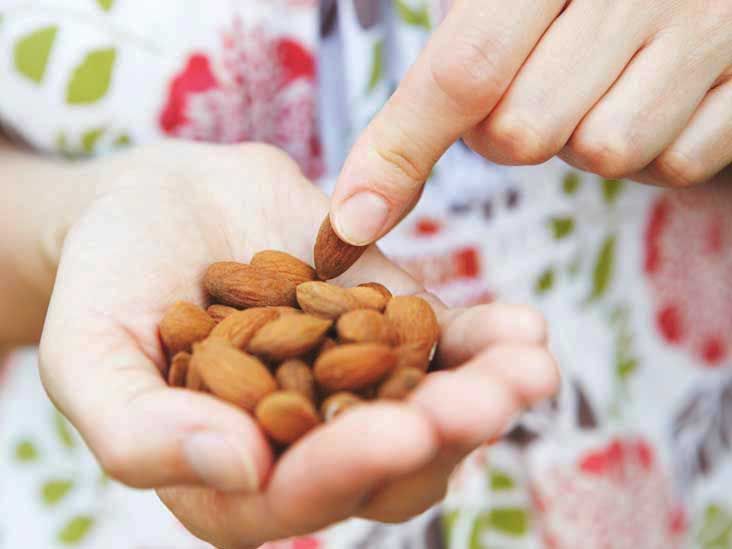
Nuts can be an excellent evening snack when portions stay small. Almonds provide magnesium and healthy fats. Walnuts contain beneficial fats and small amounts of melatonin. Pistachios are often mentioned for their melatonin content as well as protein and fiber.
A small handful is enough. Nuts are nutrient-dense, which is a polite way of saying they are healthy but can quickly become a calorie avalanche if you eat them straight from the bag. Put a portion in a small bowl, enjoy it slowly, and do not negotiate with the pantry after that.
8. Pumpkin Seeds
Pumpkin seeds are rich in magnesium and also contain tryptophan. They add a satisfying crunch to yogurt, oatmeal, or a small bowl of fruit. Because they are easy to sprinkle onto other foods, they can improve a bedtime snack without much effort.
Try one tablespoon of pumpkin seeds over Greek yogurt or oatmeal. You get texture, minerals, and a little protein in one simple move. It is the snack version of putting on socks before stepping onto a cold floor: small action, surprisingly helpful.
9. Whole-Grain Toast
Whole-grain toast provides complex carbohydrates, which can help satisfy hunger and may support tryptophan’s pathway into the brain when paired with a protein source. The trick is to keep the topping simple and not build a sandwich so tall it needs architectural approval.
Good options include whole-grain toast with peanut butter, avocado, cottage cheese, or a thin slice of cheese. If you want something very light, try toast with a small amount of almond butter and sliced banana.
10. Cottage Cheese
Cottage cheese is rich in protein, especially casein, which digests slowly. That makes it useful for people who wake up hungry in the middle of the night. It also pairs well with fruit, cinnamon, or a few nuts.
A small bowl of cottage cheese with berries can be a smart bedtime snack because it combines protein and fiber. Choose a portion that satisfies you without feeling heavy. Sleep is easier when your stomach is comfortable, not filing a complaint.
11. Hummus With Vegetables
If you prefer savory snacks, hummus with vegetables is a strong choice. Chickpeas provide plant-based protein and fiber, while vegetables add crunch and nutrients. Carrots, cucumber slices, bell pepper strips, or grape tomatoes can make the snack feel fresh and filling.
This option is especially helpful for people who tend to raid the kitchen for salty chips at night. Hummus gives you that savory satisfaction in a more balanced way. Keep the portion moderate, and avoid very garlicky or spicy versions if they trigger reflux.
12. Fatty Fish at Dinner
Fatty fish such as salmon, sardines, and trout is not usually a bedtime snack, but it can be a smart dinner choice for better sleep. Fatty fish provides omega-3 fatty acids and vitamin D, nutrients that are linked with overall health and may support sleep quality as part of a balanced diet.
Try salmon with sweet potatoes and spinach for an evening meal that feels satisfying without being overly heavy. Eat dinner a few hours before bed so digestion has time to do its work before your head hits the pillow.
Best Bedtime Snack Combinations
The best snacks before bed usually combine complex carbohydrates with protein or healthy fat. This helps you feel full and steady instead of giving you a quick sugar spike followed by a dramatic energy crash. Here are simple combinations that work well:
- Plain Greek yogurt with kiwi and pumpkin seeds
- Whole-grain toast with almond butter and banana slices
- A small bowl of oatmeal with walnuts and cinnamon
- Cottage cheese with berries
- Carrot sticks with hummus
- A small glass of warm milk with whole-grain crackers
- A small handful of pistachios with a piece of fruit
These combinations are easy, realistic, and unlikely to require a full kitchen cleanup. That matters because nothing ruins a bedtime routine like discovering you have created six dirty pans in the name of relaxation.
What to Avoid Eating Before Bed
Large, Heavy Meals
A large meal close to bedtime can make sleep harder because digestion takes energy and may cause discomfort. If you eat a heavy dinner and immediately lie down, your body may still be busy processing food while you are trying to drift off. For many people, finishing dinner two to three hours before bedtime is a comfortable target.
Spicy Foods
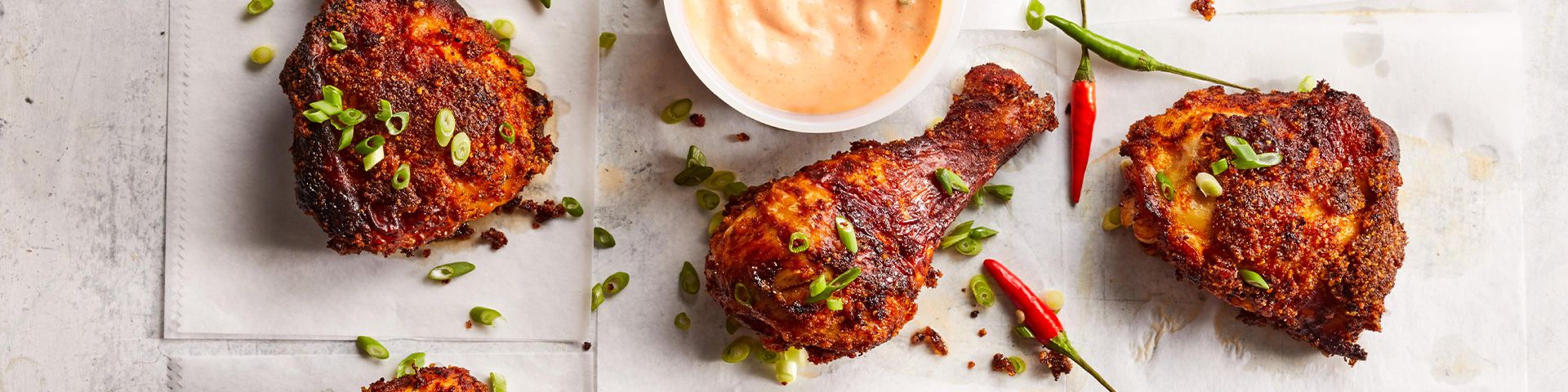
Spicy foods can trigger heartburn or indigestion, especially when eaten late. If hot sauce makes your stomach feel like it is hosting a fireworks show, save it for lunch or an earlier dinner.
Caffeine
Caffeine is a stimulant found in coffee, many teas, chocolate, energy drinks, and some sodas. Some people can drink coffee in the afternoon and sleep like a golden retriever. Others have one latte after lunch and spend the night mentally reorganizing their closet. Pay attention to your own tolerance, but many people sleep better when they stop caffeine by early afternoon.
Alcohol
Alcohol may make you feel sleepy at first, but it can disrupt sleep later in the night. It may reduce sleep quality, increase awakenings, and make you feel less rested the next day. A nightcap is not the reliable sleep helper it pretends to be.
Too Much Sugar
Sugary desserts and sweet drinks can make bedtime harder for some people. They may cause energy swings or leave you feeling thirsty. You do not have to ban dessert forever, but late-night sugar bombs are not the best strategy for peaceful sleep.
How Much Should You Eat Before Bed?
The best bedtime snack is small enough to digest comfortably but satisfying enough to quiet hunger. For most people, that means roughly 150 to 250 calories, depending on body size, activity level, dinner timing, and personal needs. A snack should feel like a bridge to breakfast, not a secret fourth meal.
If you are not hungry, you do not need to eat just because an article told you almonds exist. If you are hungry, choose something balanced and gentle. The sweet spot is comfort: no growling stomach, no bloated belly, no regret.
When Should You Eat Before Bed?
Timing matters. A small snack about 30 to 90 minutes before bed works well for many people. A larger dinner is usually better at least two to three hours before bedtime. People with acid reflux may need a longer gap between eating and lying down, especially after fatty, spicy, or acidic foods.
Consider your own pattern. If you wake up hungry at 3 a.m., a small protein-rich snack may help. If eating late makes you feel uncomfortable, shift your calories earlier in the day and keep bedtime snacks very light.
Simple 7-Day Bedtime Snack Plan
Need practical ideas? Here is a simple week of sleep-friendly bedtime snacks:
- Monday: Greek yogurt with kiwi
- Tuesday: Whole-grain toast with almond butter
- Wednesday: Warm milk with a few whole-grain crackers
- Thursday: Cottage cheese with blueberries
- Friday: Tart cherry juice with a small handful of pistachios
- Saturday: Oatmeal with banana and cinnamon
- Sunday: Hummus with cucumber and carrot sticks
Rotate these based on your preferences and digestion. The best plan is the one you can actually follow without feeling like you joined a strict bedtime snack academy.
Common Mistakes People Make With Bedtime Foods
One common mistake is expecting a single food to fix poor sleep habits. Kiwi is lovely, but it cannot outwork three hours of scrolling in bed, a double espresso at 5 p.m., and a bedroom that feels like a toaster oven. Food helps most when the rest of your routine also supports sleep.
Another mistake is overeating healthy foods. A giant bowl of nuts, yogurt, granola, honey, and fruit may be nutritious, but it may also be too much right before bed. Healthy food can still disrupt sleep if the portion is large enough to make digestion uncomfortable.
Finally, many people forget to watch drinks. Too much liquid close to bedtime can lead to bathroom trips during the night. Hydrate earlier in the day, then sip lightly in the evening.
Personal Experience: What Bedtime Eating Teaches You Over Time
After paying attention to bedtime eating habits, one pattern becomes clear: sleep does not like chaos. It prefers boring, predictable, cozy routines. The nights that tend to feel easiest are often the nights when dinner happens at a reasonable hour, caffeine stops early, and the evening snack is simple. A small bowl of Greek yogurt with fruit, a banana with peanut butter, or warm milk can feel almost ceremonial. It tells the brain, “The day is closing. We are not solving world problems right now.”
One useful experience is learning the difference between true hunger and snacky boredom. True hunger feels physical and steady. Snacky boredom usually appears when the couch is comfortable, the show is interesting, and the pantry is whispering your name. On nights when hunger is real, a balanced snack helps. On nights when it is boredom, herbal tea, brushing your teeth, or moving away from the kitchen often works better than opening every cabinet like you are investigating a mystery.
Another lesson is that heavy food can be sneaky. A late burger, creamy pasta, or spicy takeout may taste amazing in the moment, but the body often has opinions later. Lying down with a too-full stomach can lead to tossing, turning, thirst, or reflux. It is not that these foods are forbidden; it is that timing matters. Enjoying a richer meal earlier in the evening is very different from eating it right before bed and expecting your digestive system to clock out politely.
Simple snacks usually win. Oatmeal feels warm and grounding. Kiwi feels light and fresh. Nuts are convenient but need portion control, because “just one more handful” can turn into a full squirrel banquet. Cottage cheese with berries works well for people who need something more filling. Hummus and vegetables are helpful for anyone who craves savory snacks and wants an alternative to chips.
The most valuable experience is personal tracking. You do not need a complicated spreadsheet with color-coded sleep drama. Just notice what happens. Did tart cherry juice help you feel relaxed, or did the liquid wake you up for a bathroom trip? Did yogurt sit well, or does dairy bother you? Did a banana help, or do you sleep better with no snack at all? Your body gives feedback every morning. The trick is listening before the coffee starts making all the decisions.
Over time, the best bedtime food routine becomes less about chasing the “perfect” sleep snack and more about creating a peaceful evening rhythm. Eat enough during the day. Choose a lighter dinner when bedtime is near. Keep snacks small, calm, and familiar. Avoid caffeine and alcohol close to bed. Then let the bedroom do its job: dark, cool, quiet, and boring in the most beautiful way. Great sleep is not always dramatic. Sometimes it starts with a spoonful of yogurt, a banana, and the heroic decision not to open a family-size bag of chips at 10:47 p.m.
Conclusion
Eating the right foods before bed can support a good night’s sleep, especially when you choose small, balanced snacks that are easy to digest. Tart cherries, kiwi, bananas, oatmeal, Greek yogurt, warm milk, nuts, pumpkin seeds, cottage cheese, and hummus with vegetables are all smart options. They provide nutrients such as tryptophan, magnesium, calcium, protein, fiber, and complex carbohydrates that may help your body settle into rest.
Still, bedtime food works best when paired with strong sleep habits. Keep portions modest, avoid heavy meals close to bedtime, limit caffeine and alcohol, and create a relaxing routine. Sleep is not controlled by one snack, but the right snack can make the road to dreamland a little smoother. And honestly, if a bowl of oatmeal helps keep you from staring at the ceiling while mentally replaying a conversation from 2018, that is a win.
Note: This article is for general wellness information and should not replace medical advice. Anyone with chronic insomnia, reflux, diabetes, food allergies, pregnancy-related concerns, or a medical condition should speak with a qualified healthcare professional about the best nighttime eating plan.