Digital health was supposed to make healthcare easier. Open an app, schedule a virtual visit, message your doctor, refill a prescription, check lab results, and maybe even get a friendly reminder from your smartwatch to stand up before your chair officially adopts you. In theory, it sounds like the healthcare version of a drive-thru: faster, simpler, and less likely to involve a waiting room magazine from 2014.
But in real life, digital health is not equally available to everyone. That is where digital health equity comes in. It means every person should have a fair chance to access, understand, and benefit from digital healthcare tools, regardless of income, race, age, disability, language, location, education level, or internet connection. Without that fairness, technology can quietly create a new health gap: people who can use digital tools receive faster, more convenient care, while people who cannot are left standing outside the digital front door.
The problem is not that telehealth, patient portals, mobile health apps, remote monitoring, and wearable devices are bad. Far from it. These tools can save time, expand access, and help people manage chronic conditions. The problem is that digital healthcare often assumes everyone has reliable broadband, a smartphone or computer, privacy at home, digital literacy, English fluency, accessible design, and enough free time to navigate login screens that seem personally offended by forgotten passwords.
Digital health equity is now one of the most important conversations in public health because healthcare is moving online faster than many communities can follow. If the healthcare system does not address the digital divide, the future of medicine may become more convenient for some people and more confusing, expensive, and unreachable for others.
What Is Digital Health Equity?
Digital health equity is the fair and inclusive design, delivery, and use of digital health tools so that technology improves health outcomes for everyone, not just for people who already have resources. It connects two big ideas: health equity and digital equity.
Health equity focuses on removing unfair and avoidable barriers to good health. Digital equity focuses on whether people can access and use technology meaningfully. Put them together, and you get a practical question: Are digital tools helping close healthcare gaps, or are they quietly making those gaps wider?
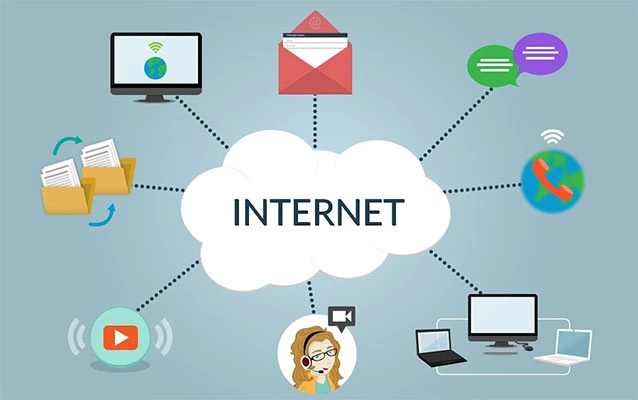
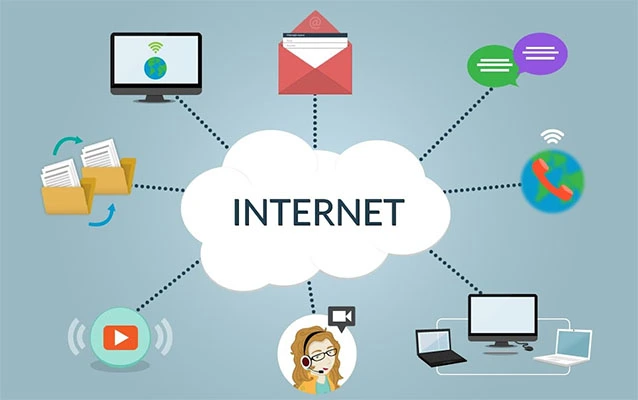
Digital health includes much more than video visits. It can include patient portals, electronic health records, online appointment scheduling, mobile apps, remote blood pressure monitoring, wearable devices, artificial intelligence chat tools, text-message reminders, online insurance forms, pharmacy apps, and digital mental health platforms. In other words, digital health is no longer a side dish. It is quickly becoming part of the main course.
Why Digital Health Equity Matters Now
The COVID-19 pandemic accelerated telehealth adoption almost overnight. Many patients discovered that seeing a clinician from home could be convenient, especially for routine visits, medication management, behavioral health care, and follow-ups. For people with transportation challenges, mobility limitations, caregiving duties, or long distances to clinics, virtual care can be a genuine blessing.
However, the same rapid shift exposed an uncomfortable truth: access to digital healthcare depends on access to technology. People without reliable internet, private space, updated devices, or digital skills may not benefit from virtual care. A telehealth appointment is not very helpful if the video freezes, the portal will not load, or the patient has to use public Wi-Fi from a parking lot. Healthcare should not require a scavenger hunt for signal bars.
This matters because digital access is now tied to real health outcomes. A person who can easily message a doctor, review test results, and join a virtual visit may get faster answers and better follow-up. A person who cannot may delay care, miss results, misunderstand instructions, or skip preventive services. Over time, those small digital obstacles can turn into major health disparities.
The Digital Divide Is a Health Divide
The digital divide is usually described as a gap in internet access, but in healthcare it is bigger than broadband. It includes affordability, device quality, digital skills, language access, disability access, privacy, trust, and whether digital tools are designed for real people instead of imaginary users who never forget passwords and always read terms of service.
1. Broadband Access and Affordability
Reliable internet is the foundation of digital health. Without it, telehealth becomes unreliable, patient portals become frustrating, and remote monitoring becomes nearly impossible. Rural communities, tribal areas, low-income neighborhoods, and medically underserved regions often face weaker broadband infrastructure or higher cost barriers.
Affordability is just as important as availability. A household may technically have internet service nearby but still be unable to pay for it every month. When families must choose between groceries, rent, medicine, and internet, healthcare technology becomes another bill instead of a bridge to care.
2. Device Access
A smartphone can do many things, but it is not always the ideal tool for healthcare. Filling out medical forms, reading lab reports, uploading documents, or joining a long video visit can be difficult on a small screen. Some patients rely on older phones, limited data plans, shared devices, or public computers. That can make private healthcare communication harder and less secure.
3. Digital Literacy
Digital literacy means knowing how to use technology confidently and safely. In healthcare, it includes skills like downloading an app, creating a portal account, joining a video visit, reading online instructions, protecting passwords, and recognizing scams. These tasks may seem simple to a tech-savvy person, but they can feel like a maze to someone with limited experience.
Digital literacy is not about intelligence. It is about exposure, practice, support, and design. A patient should not need the patience of a monk and the troubleshooting skills of an IT department just to ask a nurse a question.
4. Language and Cultural Barriers
Digital health tools often fail when they are designed only for English-speaking users or written at a reading level that feels like a legal contract wearing a lab coat. Patients with limited English proficiency need translated interfaces, interpreter access, culturally relevant education, and clear instructions. Otherwise, digital healthcare can become another place where people feel excluded.
5. Disability Access
Accessible design is essential for people with visual, hearing, cognitive, mobility, or speech disabilities. Digital tools should work with screen readers, captions, keyboard navigation, plain language, adjustable text sizes, and assistive technologies. Accessibility is not a luxury feature. It is part of safe healthcare.
6. Privacy and Safe Spaces
Telehealth assumes people have a private place to talk. Many do not. A patient may live with family, roommates, or caregivers. They may not have a quiet room, reliable transportation to a private location, or safe conditions for discussing sensitive health concerns. Privacy is especially important for behavioral health, reproductive health, chronic disease management, and any conversation that requires honesty.
Who Is Most Affected by Digital Health Inequity?
Digital health inequity can affect anyone, but some groups face higher risk. Older adults may have less experience with portals and apps. Rural residents may struggle with broadband access and provider shortages. Low-income households may face affordability barriers. People with disabilities may encounter inaccessible platforms. Immigrants and people with limited English proficiency may face language barriers. Communities of color may experience both technology gaps and longstanding healthcare inequities.
Patients with chronic conditions can also be affected. A person with diabetes, heart disease, asthma, cancer, or mental health needs may benefit greatly from digital check-ins, remote monitoring, and quick communication. But if access is uneven, the people who need support most may receive it least. That is the healthcare equivalent of giving umbrellas only to people who are already indoors.
How Digital Health Tools Can Accidentally Widen the Gap
Technology often enters healthcare with good intentions. The pitch is usually simple: make care faster, cheaper, and more convenient. But convenience depends on the user’s life situation. A patient portal can be convenient for someone with broadband, a laptop, and flexible work hours. It can be stressful for someone using a prepaid phone during a lunch break in a noisy workplace.
Artificial intelligence can also create equity concerns. AI tools may help with triage, documentation, diagnosis support, and patient communication. But if the data used to train these tools underrepresents certain populations, the outputs may be less accurate for those groups. If AI chatbots are not tested for language, literacy, disability access, and bias, they may deliver unequal support while looking impressively futuristic.
Even appointment scheduling can become inequitable. Clinics may encourage online booking, but patients without digital access may be left waiting on phone lines. If faster appointment slots appear online first, digital access becomes a hidden advantage. The result is not intentional discrimination, but the effect can still be unfair.
Examples of Digital Health Equity in Real Life
Imagine a rural patient with high blood pressure who lives 60 miles from the nearest clinic. Telehealth could help them avoid long drives and missed work. But if their internet connection drops during every visit, remote care becomes unreliable. A better solution might include broadband investment, phone-based options, home blood pressure cuffs, community telehealth rooms, and local support staff who can help with setup.
Now imagine an older adult who receives a message saying their test results are available in the patient portal. They do not remember their password, cannot find the reset email, and worry they will click the wrong thing. A digitally equitable health system would offer simple login support, phone access, printed explanations when needed, and patient navigators who treat confusion as normalnot as a personal failure.
Consider a Spanish-speaking parent managing a child’s asthma. A mobile app could track symptoms and medication use, but only if the app is available in Spanish, written clearly, and connected to a care team that can respond appropriately. Translation alone is not enough. The tool must fit the family’s real communication needs.
What Healthcare Organizations Can Do
Healthcare organizations can make digital health more equitable by designing systems around patients, not around software checklists. That begins with asking who may be excluded before launching a tool. Equity should be built into planning, purchasing, testing, training, and evaluation.
Offer Multiple Ways to Access Care
Digital-first should not mean digital-only. Patients should be able to choose video visits, phone visits, in-person care, text reminders, printed instructions, or support from staff. A flexible system recognizes that different patients need different doors into care.
Use Plain Language
Medical information should be clear, short, and useful. Patient portals and apps should avoid jargon whenever possible. “Your glucose is elevated” may be accurate, but “Your blood sugar is higher than your care team recommends” is easier to understand. Clear language is not dumbing down. It is opening the door wider.
Provide Digital Navigation Support
Digital navigators can help patients set up accounts, prepare for virtual visits, use remote monitoring devices, understand portal messages, and troubleshoot basic problems. This kind of support is especially valuable for older adults, patients with chronic conditions, and people new to digital tools.
Design for Accessibility
Every digital health platform should be tested for accessibility. Captions, screen-reader compatibility, high-contrast options, keyboard navigation, adjustable font sizes, and simple layouts help many usersnot only people with diagnosed disabilities.
Measure Equity Outcomes
Healthcare systems should track who uses digital tools and who does not. Data can reveal whether certain groups are less likely to enroll in patient portals, complete telehealth visits, use remote monitoring, or receive timely follow-up. Measurement is not about collecting numbers for decoration. It is about finding gaps and fixing them.
What Policymakers Can Do
Digital health equity cannot be solved by hospitals alone. Public policy plays a major role. Broadband infrastructure, affordability programs, telehealth reimbursement, privacy protections, accessibility standards, and digital literacy funding all shape whether digital health tools reach the people who need them.
Investing in broadband is a health policy decision, not just a technology decision. When internet access affects telehealth, prescription management, insurance enrollment, appointment scheduling, and health education, connectivity becomes part of the healthcare ecosystem. A weak signal can mean delayed care. A monthly internet bill can become a medical access barrier.
Policy should also protect patients from being forced into digital systems without support. Telehealth reimbursement should include audio-only options when clinically appropriate. Community health centers, libraries, schools, and local nonprofits can serve as trusted partners for digital health education and access points.
The Role of Trust in Digital Health Equity
Trust is often overlooked in digital health. Some patients worry about privacy, data sharing, scams, surveillance, or whether online care is as good as in-person care. These concerns are not silly. Healthcare data is deeply personal, and many communities have historical reasons to question whether systems will treat them fairly.
To build trust, healthcare organizations should explain how data is used, who can see it, and what patients can control. They should also involve community members in digital health design. A tool built with patients is more likely to work for patients. A tool built in a conference room by people who have never struggled to pay for Wi-Fi may miss the point entirely.
Digital Health Equity and the Future of Care
The future of healthcare will almost certainly be more digital. Remote monitoring may help patients manage chronic conditions from home. AI may support clinical decisions. Apps may guide prevention and wellness. Telehealth may remain a normal part of care. These changes can be powerful, but only if equity stays at the center.
Digital health equity asks a simple but urgent question: Who benefits from innovation? If the answer is only people with money, broadband, English fluency, digital confidence, and flexible schedules, then the system has not truly innovated. It has simply upgraded the front desk and left too many people outside.
Experiences Related to Digital Health Equity
One of the clearest lessons from digital healthcare is that access is personal. A tool that feels effortless to one person can feel impossible to another. During the rise of telehealth, many patients loved the convenience of seeing a clinician from home. They could avoid traffic, skip the waiting room, and keep an appointment without taking half a day off work. For a parent with a sick child, a worker with limited paid time off, or a patient managing anxiety, that convenience can feel like a small miracle with a Wi-Fi password.
At the same time, other patients experienced the opposite. They struggled to download apps, upload insurance cards, adjust camera permissions, or understand why the “Join Visit” button appeared only after refreshing the page three times and whispering a small prayer to the technology gods. Some had to ask children or grandchildren for help, which can feel embarrassing when the health issue is private. Others joined visits from cars, break rooms, or public spaces because home was too crowded or noisy.
These experiences show why digital health equity is not only about devices. It is about dignity. Patients do not want to feel foolish because a portal is confusing. They do not want to miss care because their internet plan is too slow. They do not want to choose between privacy and participation. A fair digital health system respects these realities and creates backup routes.
Healthcare teams have also learned that small changes can make a large difference. A reminder text written in plain language can prevent missed visits. A staff member who calls a patient before a first telehealth appointment can reduce stress. A clinic that offers phone visits, translated instructions, and digital navigator support can turn technology from a barrier into a bridge. Even something as basic as explaining “click this link five minutes before your visit” can save patients from confusion.
Community organizations often play a powerful role. Libraries, senior centers, churches, schools, public health departments, and local nonprofits can help people build digital confidence. These trusted spaces may offer internet access, device support, health education, or private rooms for virtual visits. In many communities, digital health equity will not be achieved by apps alone. It will happen through relationships.
The lived experience of digital health equity comes down to whether technology makes care feel closer or farther away. When designed well, digital tools can help a patient get answers faster, manage medication better, avoid unnecessary travel, and stay connected to a care team. When designed poorly, they become another obstacle in a healthcare system that already has plenty of obstacle courses available.
The goal is not to reject digital health. The goal is to make it humane, flexible, accessible, and fair. Technology should serve patients, not audition them for a software engineering degree. If healthcare leaders remember that, digital health can become more than a shiny upgrade. It can become a practical path toward better health for everyone.
Conclusion
Digital health equity is an emerging gap in health because healthcare access increasingly depends on digital access. Telehealth, patient portals, mobile apps, remote monitoring, and AI-powered tools can improve care, but only if people can actually use them. Broadband, affordability, device access, digital literacy, language support, disability access, privacy, and trust all shape whether digital healthcare works.
The smartest healthcare technology is not the flashiest. It is the one that helps the most people, especially those who have historically faced the biggest barriers. Closing the digital health gap will require healthcare organizations, policymakers, technology companies, and communities to work together. The future of care should not depend on who has the fastest internet, the newest phone, or the most patience for password reset emails. It should depend on a shared commitment to making health easier, fairer, and more human.
Note: This article is written in original American English for web publishing and is based on current U.S. public-health, broadband, telehealth, and digital healthcare equity information.