Deviled crab is what happens when sweet crabmeat puts on a little red lipstick, adds a dash of spice, and shows up to dinner acting like the main character. This classic Southern seafood dish combines tender lump crab, buttery crumbs, aromatic vegetables, lemon, mustard, Worcestershire sauce, and just enough heat to earn the word “deviled” without setting off the smoke alarm.
Whether baked in crab shells, ramekins, scallop shells, or a small casserole dish, a good deviled crab recipe should taste rich but not heavy, seasoned but not salty, and crab-forward enough that nobody at the table asks, “So… where’s the crab?” The goal is simple: protect the delicate sweetness of the seafood while giving it a golden, crunchy topping and a bright, savory kick.
This recipe is inspired by Southern coastal cooking, Lowcountry stuffed crab, Chesapeake-style seasoning, and Tampa’s famous devil crab tradition. It is approachable for home cooks, elegant enough for guests, and forgiving enough for a weeknight dinner when you want something that feels fancy but does not require a culinary degree or a dramatic kitchen monologue.
What Is Deviled Crab?
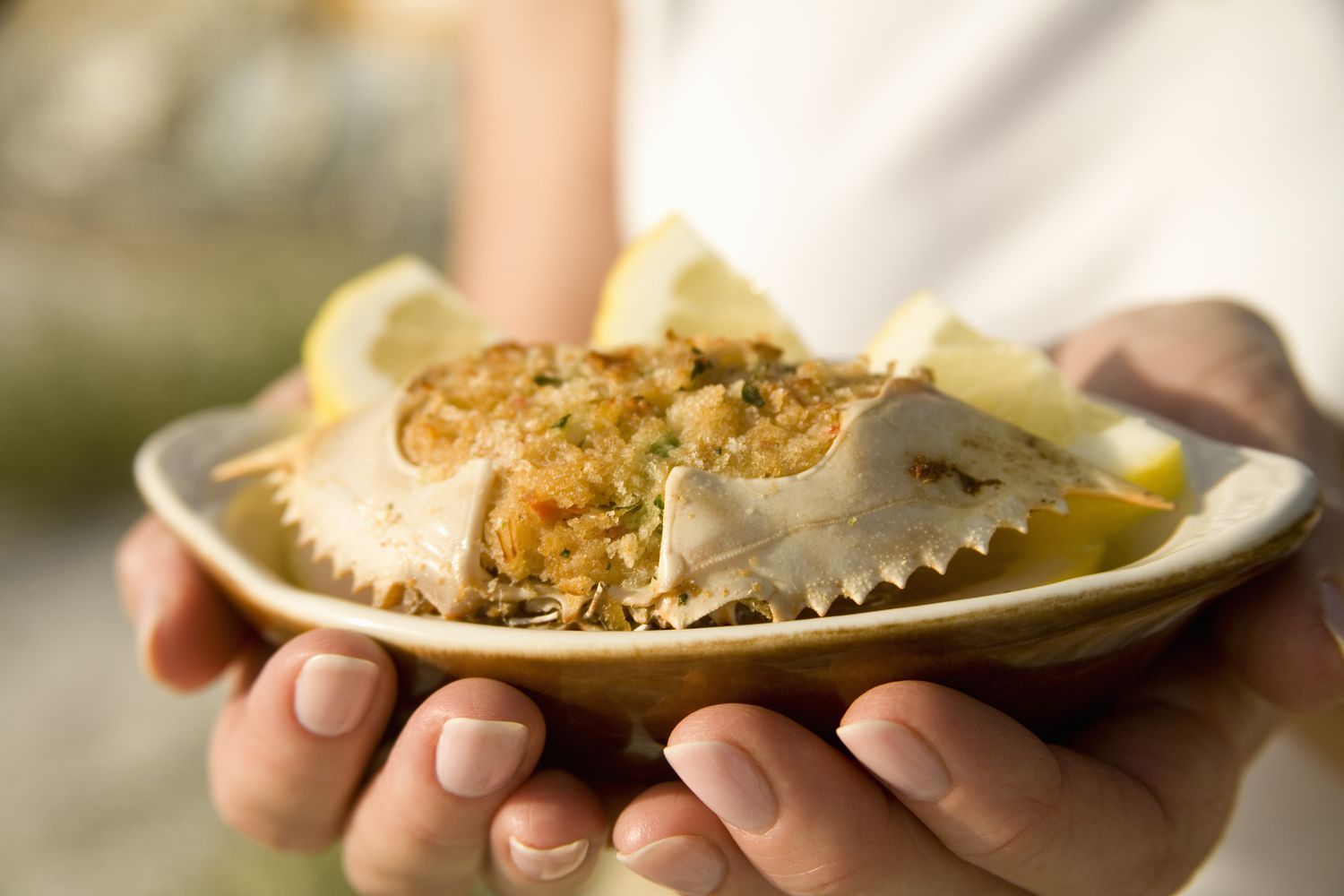
Deviled crab is a baked seafood dish made with crabmeat, seasonings, breadcrumbs or crushed crackers, vegetables, and a creamy binder such as mayonnaise, egg, or a light sauce. The mixture is usually spooned into cleaned crab shells, ramekins, or baking dishes, topped with buttered crumbs, and baked until hot and golden.
The word “deviled” traditionally means the dish includes lively seasonings such as mustard, cayenne, paprika, hot sauce, or pepper. It does not mean the crab is aggressively spicy. Think of it as crab with personality: warm, zesty, a little bold, and absolutely invited to the party.
Why This Deviled Crab Recipe Works
The best deviled crab recipe balances three things: sweet crab, gentle richness, and crisp texture. Too much filler makes it taste like bread wearing a crab costume. Too much mayonnaise makes it heavy. Too much spice hides the seafood. This version keeps the crab front and center while using just enough binder to hold everything together.
Finely chopped onion, celery, and bell pepper bring a classic coastal flavor base. Dijon mustard and Worcestershire sauce add tang. Lemon juice brightens the crab. Old Bay or Creole seasoning adds that familiar seafood-house aroma. A buttery crumb topping gives every bite a crisp finish.
Ingredients for Homemade Deviled Crab
Main Ingredients
- 1 pound lump crabmeat, picked over for shells
- 2 tablespoons unsalted butter, plus 2 tablespoons melted butter for topping
- 1/3 cup finely chopped onion
- 1/3 cup finely chopped celery
- 1/4 cup finely chopped red or green bell pepper
- 1 garlic clove, minced
- 1/2 cup mayonnaise
- 1 large egg, lightly beaten
- 1 tablespoon Dijon mustard
- 1 teaspoon Worcestershire sauce
- 1 tablespoon fresh lemon juice
- 1 teaspoon Old Bay seasoning or Creole seasoning
- 1/4 teaspoon smoked paprika
- Pinch of cayenne pepper, optional
- 1 tablespoon chopped parsley
- 3/4 cup crushed saltine crackers, panko, or plain breadcrumbs, divided
- Salt and black pepper, to taste
- Lemon wedges, for serving
Optional Add-Ins
For extra flavor, add a few chopped scallions, a splash of hot sauce, a teaspoon of finely chopped jalapeño, or a small amount of grated Parmesan on top. Keep the extras modest. Crab is the star here, not the opening act for a cheese festival.
Best Crabmeat to Use
Lump crabmeat is the best choice for deviled crab because it has a sweet flavor and attractive texture. Jumbo lump is luxurious but expensive, and its large pieces may break apart during mixing. Backfin crabmeat also works well and is often more affordable. Claw meat has a stronger flavor and darker color, so it can be mixed with lump crab if you want a bolder seafood taste.
Fresh crabmeat is wonderful if you can get it from a trusted seafood market. Pasteurized refrigerated crabmeat is convenient and reliable. Canned shelf-stable crab can work in a pinch, but it usually has a softer texture and less delicate flavor. Whatever you choose, gently pick through the crab before cooking. Tiny shell pieces love to hide like they owe you money.
How to Make Deviled Crab
Step 1: Prepare the Baking Dish
Preheat your oven to 375°F. Lightly grease six ramekins, cleaned crab shells, or a small baking dish. If using shells, place them on a rimmed baking sheet so they stay steady while baking.
Step 2: Sauté the Vegetables
Melt 2 tablespoons of butter in a skillet over medium heat. Add the onion, celery, and bell pepper. Cook for 4 to 5 minutes, stirring often, until the vegetables soften but do not brown. Add the garlic and cook for 30 seconds. Remove the skillet from the heat and let the mixture cool slightly.
Step 3: Mix the Binder
In a large bowl, whisk together the mayonnaise, beaten egg, Dijon mustard, Worcestershire sauce, lemon juice, Old Bay seasoning, smoked paprika, cayenne, parsley, and a small pinch of black pepper. Taste before adding extra salt, because seafood seasoning and crackers can already be salty.
Step 4: Fold in the Crab
Add the cooled vegetables, crabmeat, and 1/2 cup of crushed crackers or breadcrumbs. Fold gently with a spatula until everything is just combined. Do not stir aggressively. Crabmeat is delicate, and you want lovely pieces of crab in the final dish, not seafood confetti.
Step 5: Fill and Top
Spoon the crab mixture into prepared ramekins, shells, or baking dish. In a small bowl, combine the remaining 1/4 cup crumbs with 2 tablespoons melted butter. Sprinkle the buttered crumbs evenly over the top.
Step 6: Bake Until Golden
Bake for 18 to 22 minutes, or until the deviled crab is hot in the center and the topping is lightly golden. If you want a deeper brown crust, broil for 1 to 2 minutes at the end, watching carefully. The line between golden crumbs and “oops” is very thin.
How to Serve Deviled Crab
Serve deviled crab hot with lemon wedges, chopped parsley, and a simple side. It works beautifully as an appetizer, lunch, light dinner, or seafood holiday dish. For a restaurant-style plate, serve each portion in a ramekin with a lemon wedge and a small green salad.
For a heartier meal, pair it with coleslaw, roasted asparagus, corn on the cob, hush puppies, garlic bread, rice pilaf, or crispy potatoes. If you are serving deviled crab at a party, bake it in small shells or ramekins so guests get individual portions. People love personal seafood dishes. It makes them feel fancy, even if they are eating in flip-flops.
Deviled Crab Recipe Tips
Use a Light Hand With Filler
Breadcrumbs and crackers help bind the filling, but too much can make the dish dry. Start with the amount in the recipe and add more only if the mixture seems too loose. The crab mixture should be moist and spoonable, not stiff like crab-flavored stuffing.
Do Not Overmix
Fold the crab gently into the binder. Overmixing breaks the crab into tiny pieces and changes the texture. A good deviled crab should have visible crabmeat in every bite.
Balance the Heat
Cayenne, hot sauce, and Creole seasoning are delicious, but they should support the crab rather than bully it. Add a small amount first, then adjust. You can always add more heat at the table.
Choose the Right Baking Vessel
Crab shells are traditional and charming. Ramekins are practical and easy. A shallow baking dish is best if you are feeding a crowd. Avoid a deep dish if possible, because the topping-to-filling ratio is part of the magic.
Easy Variations
Southern Deviled Crab
Use crushed saltine crackers, Old Bay seasoning, celery, onion, bell pepper, mayonnaise, and a buttery crumb topping. This version is classic, cozy, and ideal for family dinners.
Lowcountry-Style Deviled Crab
Add scallions, parsley, a little extra lemon juice, and a light hand with breadcrumbs. The flavor should be fresh, briny, and crab-forward.
Creole Deviled Crab
Use Creole mustard, Creole seasoning, a dash of hot sauce, and a little chopped green onion. This version has more zip and pairs well with rice or a crisp salad.
Tampa-Inspired Devil Crab Flavor
Tampa-style devil crab is often known as a fried croquette with seasoned crab filling, influenced by Cuban and coastal Florida food traditions. For a baked home version, add a pinch of oregano, a little tomato paste to the sautéed vegetables, and use fine breadcrumbs for a richer, croquette-like flavor.
Make-Ahead and Storage Tips
You can assemble deviled crab a few hours ahead of time. Cover and refrigerate it before baking, then add a few extra minutes in the oven if it goes in cold. For best texture, add the buttered crumb topping right before baking so it stays crisp.
Leftover cooked deviled crab should be cooled, placed in an airtight container, and refrigerated. Enjoy it within 3 to 4 days. Reheat gently in a 325°F oven until warmed through. The microwave works, but it can soften the topping and make the crab smell like it has taken over the entire kitchen. The oven is kinder.
Common Mistakes to Avoid
Using Too Much Mayonnaise
Mayonnaise adds moisture and richness, but too much can make the filling greasy. The crab should taste creamy, not slippery.
Skipping the Lemon
Lemon juice brightens the dish and balances the richness. Without it, deviled crab can taste flat. Serve extra lemon wedges at the table for anyone who likes a brighter bite.
Forgetting to Check for Shells
Even high-quality crabmeat can contain shell fragments. Spread the crab on a plate and inspect it carefully before mixing. Your guests will appreciate not discovering a crunchy surprise that was not part of the recipe.
Overbaking
Crabmeat is already cooked when you buy it picked, so the goal is to heat the filling, set the binder, and brown the topping. Overbaking can dry out the crab and make the dish less tender.
What Does Deviled Crab Taste Like?
Deviled crab tastes sweet, savory, buttery, lightly tangy, and gently spicy. The crab brings natural sweetness. The vegetables add freshness. The mustard, lemon, and Worcestershire sauce create brightness. The crumbs add crunch. The seasoning brings warmth without overwhelming the seafood.
If crab cakes are neat little seafood patties, deviled crab is their cozy baked cousin. It is softer, creamier, and often more dramatic in presentation, especially when served in shells.
Frequently Asked Questions
Can I use canned crabmeat?
Yes, but refrigerated lump crabmeat usually gives better flavor and texture. If using canned crabmeat, drain it well and taste before adding salt.
Can I make deviled crab without shells?
Absolutely. Ramekins, small gratin dishes, scallop shells, or a shallow baking dish all work. Crab shells are traditional, but they are not required.
Is deviled crab spicy?
It can be, but it does not have to be. This recipe is mildly spicy. Add more cayenne or hot sauce if you want a stronger kick.
Can I freeze deviled crab?
You can freeze it before baking, but the texture may become slightly softer after thawing. For best results, freeze the filling without the crumb topping, thaw overnight in the refrigerator, add fresh buttered crumbs, and bake.
Personal Cooking Experience: Making Deviled Crab at Home
The first time you make deviled crab at home, you may be surprised by how simple it is. The name sounds like something served at a white-tablecloth seafood restaurant by a waiter who knows the wine list by heart. In reality, it is mostly chopping, folding, spooning, and baking. The hardest part is not eating the crab mixture before it reaches the oven.
One of the best experiences with this dish is how quickly the kitchen begins to smell like a coastal dinner spot. Butter hits onion, celery, and bell pepper, and suddenly the whole room feels warmer. Add garlic, lemon, and seafood seasoning, and you are halfway to convincing people you spent the afternoon near a dock, even if the closest body of water is your kitchen sink.
Texture is the lesson most home cooks learn first. If you treat the mixture like meatloaf and stir it with great enthusiasm, the crab disappears into the filling. The flavor will still be good, but the luxury of those sweet pieces of crab is lost. Folding gently is the move. Use a spatula, take your time, and pretend the crab has a fragile ego.
Another experience worth mentioning is the importance of tasting the binder before adding the crab. Crabmeat is delicate and often expensive, so it deserves a well-seasoned home. The mayonnaise mixture should taste bright, savory, and slightly bold. If it tastes bland in the bowl, it will taste quiet after baking. A little lemon, mustard, paprika, or hot sauce can wake it up.
Serving deviled crab in individual ramekins is also a small trick that makes a big difference. Guests love receiving their own bubbling seafood portion. It feels special, and it keeps the crispy topping evenly distributed. When served from one large dish, everyone secretly aims for the golden corner pieces. Ramekins solve the problem and keep dinner civilized.
This recipe is also flexible enough for different occasions. For a holiday appetizer, use smaller portions and garnish with parsley and lemon. For a casual dinner, serve larger ramekins with coleslaw and toasted bread. For a summer seafood night, pair it with corn, sliced tomatoes, and a cold salad. Deviled crab has a charming way of fitting in without becoming boring.
The biggest lesson from making deviled crab is restraint. Do not bury the crab under too many ingredients. Do not drown it in sauce. Do not turn the topping into a bread blanket. The beauty of the dish is balance. When done right, each bite gives you sweet crab, buttery crunch, gentle spice, and a little lemony lift. It is rich but not exhausting, classic but not dusty, and impressive without being fussy.
If you are cooking it for the first time, start with good crabmeat, keep your vegetables finely chopped, and bake just until hot and golden. That is the whole secret. Well, that and making enough for seconds, because deviled crab has a funny habit of disappearing faster than expected.
Conclusion
A great deviled crab recipe should celebrate crabmeat, not hide it. With tender lump crab, sautéed vegetables, mustard, lemon, seafood seasoning, and a buttery crumb topping, this dish delivers classic coastal flavor in a form that feels both comforting and special. Serve it in shells for tradition, ramekins for convenience, or a shallow dish for sharing. However you bake it, keep the filling moist, the topping crisp, and the seasoning lively. That is how deviled crab earns its place at the table.