Some decorating ideas announce themselves with brass hardware, designer labels, and a price tag that requires a calming cup of tea. Romantic paper flowers work differently. They sit quietly in a vase, looking soft, poetic, and slightly mysterious until someone leans closer and asks, “Waitare those made of paper?”
That small surprise is part of their charm. A well-made paper bloom does not need to impersonate nature perfectly. It only needs to capture the gesture of a flower: the loose curl of a rose petal, the rumpled fullness of a peony, or the elegant droop of a tulip that appears to have stayed up too late reading love letters.
From pale arrangements in bohemian interiors to oversized wedding backdrops, romantic paper flowers have evolved from a modest craft into a serious decorative art. They can soften modern rooms, enliven antique furnishings, personalize celebrations, and provide year-round color without requiring water, sunlight, or a heroic battle against aphids.
The Original Design Clue
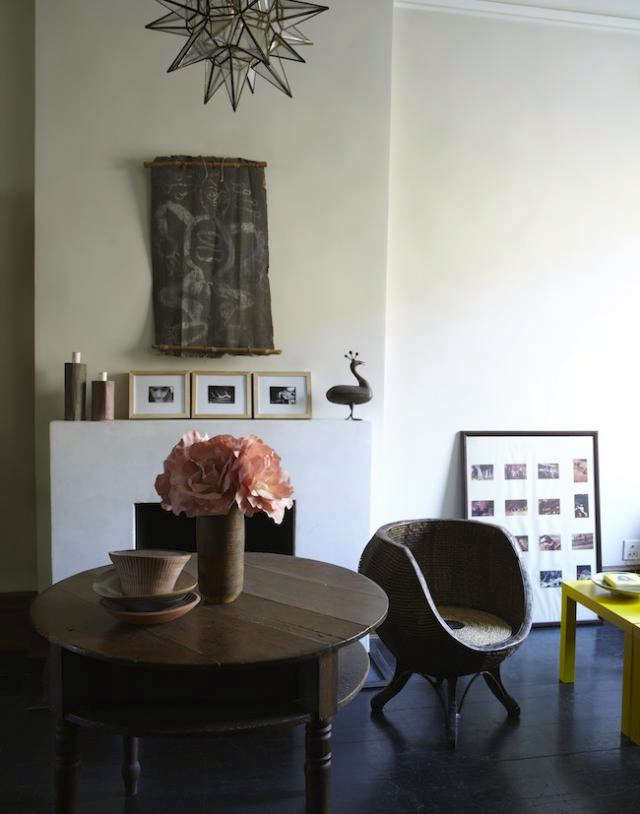
The inspiration behind “Design Sleuth: Romantic Paper Flowers” began with a deceptively simple interior detail: a pale pink paper-flower arrangement in the Brooklyn parlor of ceramicist Paula Greif. The room mixed vintage and contemporary furniture, polished pieces and humble objects, demonstrating how handmade flowers can connect seemingly unrelated elements.
That is the real design lesson. Paper flowers are not merely substitutes for fresh flowers. They act as visual bridges. Their organic shapes soften hard architectural lines, while their obviously crafted nature complements ceramics, woven textiles, painted furniture, and collected objects.
Because they are neither fully natural nor entirely manufactured, paper blooms fit comfortably into rooms that celebrate contrast. Place them beside a sleek lamp, an old portrait, a flea-market table, or a sharply modern sofa. They keep the setting from feeling too formal, too coordinated, orinterior design’s greatest feartoo much like a furniture showroom where nobody is allowed to own a phone charger.
Why Paper Flowers Feel So Romantic
Romance in decorating rarely comes from perfection. It comes from suggestion: faded color, irregular edges, soft shadows, personal associations, and objects that appear to have a story. Handmade paper flowers contain all of these qualities naturally.
They Preserve a Fleeting Moment
A fresh flower is beautiful partly because it will not last. Paper flowers play with that expectation. They freeze the appearance of a bloom at its most expressive stage, allowing a fully opened peony or delicate magnolia to remain suspended in time.
This makes paper floral arrangements especially meaningful for weddings, anniversaries, baby showers, and memorial displays. A bouquet can be designed around a particular season or memory and then kept long after the event. Unlike fresh flowers, it will not collapse dramatically while everyone is still cleaning cake frosting from the tablecloth.
Handmade Imperfections Create Character
Real petals are not identical, so paper petals should not be either. A slight asymmetry, uneven tint, or gently crumpled edge gives a handmade flower personality. These details prevent the finished arrangement from looking stiff or mass-produced.
The most convincing paper-flower artists often work impressionistically rather than attempting botanical photocopies. They study how a flower opens, bends, and responds to light, then exaggerate the features that make it recognizable. The result may not fool a botanist with a magnifying glass, but it can capture the emotional character of the bloom.
They Invite Sentimental Materials
Romantic paper flowers can be made from more than colored craft paper. Old sewing patterns create translucent, sepia-toned petals. Sheet music adds rhythm and nostalgia. Maps can represent a honeymoon destination, hometown, or favorite journey. Pages from damaged books can become literary roses without sacrificing an intact volume.
These materials transform the arrangement into a personal artifact. The flowers are no longer simply decorative; they carry fragments of a story.
A Brief History of Paper-Flower Craft
Paper-flower making has deep international roots. Early forms appeared in Asia, where artisans used paper blooms in religious and ceremonial settings. The craft traveled across regions and developed distinctive traditions, including the brilliantly colored paper flowers associated with Mexican festivals, churches, altars, and street decoration.
In Victorian Europe, flower making became a fashionable domestic art. Makers sometimes took real flowers apart, traced the individual components, and recreated each petal, leaf, and center in paper. Kits supplied tools and materials, making the craft an early relative of the modern boxed DIY projectonly with more corsets and considerably fewer video tutorials.
Crepe and tissue paper later became popular materials for American party decorations, favors, costumes, and floral displays. Their stretch, texture, and lightness made it possible to shape surprisingly lifelike petals with simple hand tools.
Contemporary designers have pushed the medium far beyond tabletop craft. Paper flowers now appear in fashion exhibitions, luxury retail windows, editorial photography, museums, wedding installations, and large-scale event design. Some artists create tiny botanical studies; others construct flowers large enough to make guests feel as though they have wandered into a very glamorous beehive.
Choosing the Right Paper
The material determines how a flower behaves. Before cutting a single petal, consider whether the finished bloom should look soft, crisp, translucent, sculptural, vintage, or deliberately whimsical.
Crepe Paper
Crepe paper is the leading choice for realistic flowers because its ridged grain can stretch and curve. By gently pulling across the grain, a maker can cup a petal, ruffle an edge, or create the slight irregularity seen in natural blooms.
Fine crepe works well for delicate sweet peas, poppies, and small blossoms. Heavier crepe provides more structure for roses, magnolias, dahlias, and oversized installations. Always study the grain direction before cutting. Petals generally need the ridges positioned so they can expand across their width.
Tissue Paper
Tissue paper creates airy, translucent flowers with a soft romantic appearance. It is excellent for loose peonies, carnations, party pom-poms, and clustered blossoms. Because it tears easily, it rewards a gentle hand and punishes impatient scissor work with immediate theatrical consequences.
Cardstock and Construction Paper
Heavier papers are ideal for graphic flowers, wall installations, wreaths, garlands, and projects requiring crisp shapes. Cardstock does not stretch like crepe paper, but petals can be curled around a pencil, bone folder, or rounded tool. Layering and staggered placement keep the result from looking flat.
Coffee Filters and Repurposed Papers
Coffee filters are inexpensive, absorb color beautifully, and allow light to pass through their fibers. They can be dyed with watercolor or diluted acrylic paint to create subtle tonal variations. Vintage papers, brown bags, maps, and sewing patterns provide additional texture, although fragile materials may require reinforcement around wired stems.
Essential Tools and Materials
A basic romantic paper-flower kit does not require an entire craft-store aisle. Start with sharp scissors, paper, floral wire, floral tape, and an appropriate adhesive. Add wire cutters, a pencil or dowel for curling, and watercolor or soft pastels if you want more realistic color.
- Sharp detail scissors: Clean blades prevent fuzzy or crushed petal edges.
- Floral wire: Thicker wire supports major stems; thinner wire works for leaves, buds, and small flowers.
- Floral tape: Stretch it slightly while wrapping so it grips the wire and itself.
- Tacky craft glue: Useful when you need time to adjust a petal.
- Hot glue: Fast and strong for cardstock flowers or installations, but use small amounts to avoid bulky joints.
- Coloring tools: Watercolor, markers, pan pastels, and diluted paint can create veins, blushes, shadows, and aged effects.
A template helps beginners maintain proportion, but it should be treated as a guide rather than a law carved into a marble craft tablet. Alter a few petals, trim an edge, or vary the size to create a more natural arrangement.
How to Make a Romantic Paper Flower
1. Study the Real Bloom
Begin with photographs or a fresh flower. Notice the center, the number of petal layers, the direction of growth, and how the outer petals differ from the inner ones. Roses often begin tightly curled and gradually open. Peonies build volume through many overlapping petals. Tulips depend on a smaller number of strong, cupped shapes.
2. Create the Center
Build a center from fringed paper, a wrapped cotton ball, a small paper bud, or a cluster of handmade stamens. Attach it securely to floral wire. The center sets the scale and gives the petals something to gather around.
3. Cut Petals with the Grain in Mind
Stack a few paper layers to save time, but avoid cutting so many at once that the shapes become inaccurate. For crepe paper, align the grain consistently. Cut some petals slightly larger or more irregular than others.
4. Shape Before Attaching
Cup crepe petals by placing both thumbs near the center and gently stretching outward. Curl edges around a pencil or dowel. Pinch or pleat the base to narrow it. Add painted color before assembly when possible, allowing every piece to dry completely.
5. Build in Uneven Layers
Attach the smallest petals near the center, then add larger petals while rotating the stem. Stagger the seams so each new petal covers the gap between earlier ones. Avoid perfect concentric circles unless you are intentionally creating a stylized bloom.
6. Finish with Sepals and Leaves
Add green sepals beneath the flower head to hide the attachment point. Wrap the wire with floral tape, incorporating wired leaves as you move down the stem. Bend the finished stem gently to give the flower a relaxed posture.
Designing a Romantic Color Palette
The safest route to romance is not simply “use pink.” A sophisticated paper-flower palette depends on tonal variation, contrast, and restraint.
Try blush, shell pink, parchment, dusty rose, and a small touch of burgundy. For a cooler arrangement, combine lavender, faded lilac, gray-green, and cream. Peach, butter yellow, and warm white feel sunny without becoming overly sweet. Deep plum or chocolate-colored centers can prevent pale flowers from disappearing into a sugary cloud.
Color individual petals rather than relying only on solid paper. Brush a deeper shade near the base, soften the outer edge with diluted paint, or add faint veins. Natural flowers rarely display one perfectly uniform color, and paper versions become more convincing when they include similar variation.
Styling Paper Flowers at Home
Use Fewer Stems Than You Think
One expressive branch or three large blooms can have more impact than an overcrowded bouquet. Negative space allows each flower’s shape to be seen. It also prevents a handmade arrangement from resembling the decorative centerpiece at a highly enthusiastic pancake restaurant.
Choose an Unexpected Container
Paper flowers look especially appealing in vessels with age or texture: handmade ceramics, tarnished silver cups, colored glass, vintage pitchers, pharmacy jars, and small stoneware crocks. Because no water is needed, you can also use baskets, wooden boxes, wall pockets, and containers that would normally leak onto the furniture.
Mix Paper Flowers with Natural Elements
Combine paper blooms with bare branches, dried grasses, seedpods, or a few preserved leaves. The contrast makes the flowers feel less artificial and gives the arrangement seasonal depth. Mixing one or two paper flowers into fresh greenery can also create a playful visual puzzle.
Repeat Color Elsewhere
Connect the arrangement to the room by repeating one flower color in a cushion, artwork, book spine, or small ceramic object. The match need not be exact. A subtle echo is more interesting than a perfectly coordinated decorating set.
Paper Flowers for Weddings and Celebrations
Wedding paper flowers offer practical and emotional advantages. They can be prepared months in advance, matched to almost any palette, transported without refrigeration, and preserved after the event. They are also useful when a favorite flower is unavailable during the wedding season.
Use them for bridal bouquets, boutonnieres, flower crowns, place-card holders, cake-table accents, ceremony arches, photo backdrops, or small favors. Giant flowers create theatrical impact, while miniature blossoms can decorate invitations and gift boxes.
For a refined result, choose one dominant flower, one secondary bloom, and foliage rather than attempting to recreate an entire botanical garden. Repeat shapes throughout the celebration so the decorations feel intentional. A peony used in the bouquet might reappear in smaller form on place cards or the welcome table.
Care and Long-Term Display
Paper flowers last far longer than fresh blooms, but they are not indestructible. Direct sunlight can fade dyed paper, moisture may cause colors to run, and prolonged humidity can soften carefully shaped petals.
Display arrangements away from steamy bathrooms, radiators, fireplaces, and sunny windows. Dust them with a soft artist’s brush or a hair dryer set to cool and low. Hold the dryer at a distance so a delicate poppy does not suddenly reenact a tornado documentary.
When storing flowers, support the heads with acid-free tissue and use a roomy box. Avoid pressing the petals flat. Wired stems can usually be reshaped after storage, but crushed tissue blossoms are less forgiving.
Common Paper-Flower Mistakes
- Using blunt scissors: Ragged cuts make petals look tired before the flower is assembled.
- Ignoring crepe-paper grain: Petals will stretch in the wrong direction or refuse to hold their intended shape.
- Making every petal identical: Mechanical repetition removes the natural looseness that creates romance.
- Adding too much glue: Heavy adhesive produces visible lumps and stiff flower bases.
- Skipping the center: A detailed center provides depth and makes even simplified petals feel convincing.
- Overfilling the arrangement: Handmade flowers need breathing room to show their silhouettes.
- Chasing perfect realism: A flower can be beautiful without passing an identity check from Mother Nature.
A Maker’s Experience: What Creating Romantic Paper Flowers Really Feels Like
The first stage of a paper-flower project tends to inspire unreasonable confidence. The paper is neatly arranged, the scissors are clean, and the template appears harmless. It is easy to imagine producing a vase of museum-worthy peonies before lunch. Then the first petal is cut, stretches sideways, and develops a mysterious dent that no known peony has ever possessed.
That awkward beginning is useful. Paper flowers teach observation more quickly than almost any decorative craft. After several unsuccessful petals, you begin to notice that a real flower is not simply a collection of oval shapes. The base narrows. The edge changes thickness. Inner petals protect the center, while outer petals open toward light. Some curl inward, some fall backward, and one invariably points in a direction that makes no compositional sense but somehow improves the whole flower.
The most satisfying moment comes when flat paper gains volume. A small stretch across the grain creates a cup. A pencil rolls an edge into a loose curl. A pinch at the base transforms a clumsy shape into something recognizably botanical. These changes are minor, yet they make the material feel unexpectedly alive.
Assembly requires a different kind of patience. The first few petals often look lonely around the stem. Halfway through, the flower may resemble a vegetable wearing a party hat. This is not the moment to panic or introduce seventeen emergency petals. Continue rotating the stem, stagger the shapes, and examine the flower from the side as well as from above. Volume develops gradually.
Coloring the petals introduces another lesson: restraint is more convincing than coverage. A pale wash near the base, a dusty edge, or several tiny marks can create more realism than painting the entire petal. The best results often come from layering imperfect, translucent color and allowing some of the original paper to remain visible.
Arranging the finished stems can be surprisingly emotional. Each flower represents a series of small decisions and corrections. A petal that seemed flawed on the worktable may become the detail that gives the bouquet movement. Slightly bent stems look more graceful than straight ones, and an asymmetrical cluster frequently feels more romantic than a balanced dome.
The experience also changes the way you look at fresh flowers. You begin inspecting poppies in grocery-store buckets, studying rose centers during neighborhood walks, and quietly evaluating the grain direction of party streamers. Ordinary blooms become design references.
Most importantly, the process rewards slowness. Paper-flower making is repetitive without being mindless. Cutting, shaping, coloring, and wrapping create a steady rhythm, while every new bloom presents a small problem to solve. The finished arrangement is decorative, but the deeper pleasure comes from watching inexpensive material acquire character through attention.
That is why romantic paper flowers deserve more than the label of substitute flowers. They are records of time, touch, experimentation, and observation. Fresh flowers bring nature indoors. Paper flowers bring in nature as remembered, interpreted, and lovingly reinventedwith no vase water spilled on the good books.