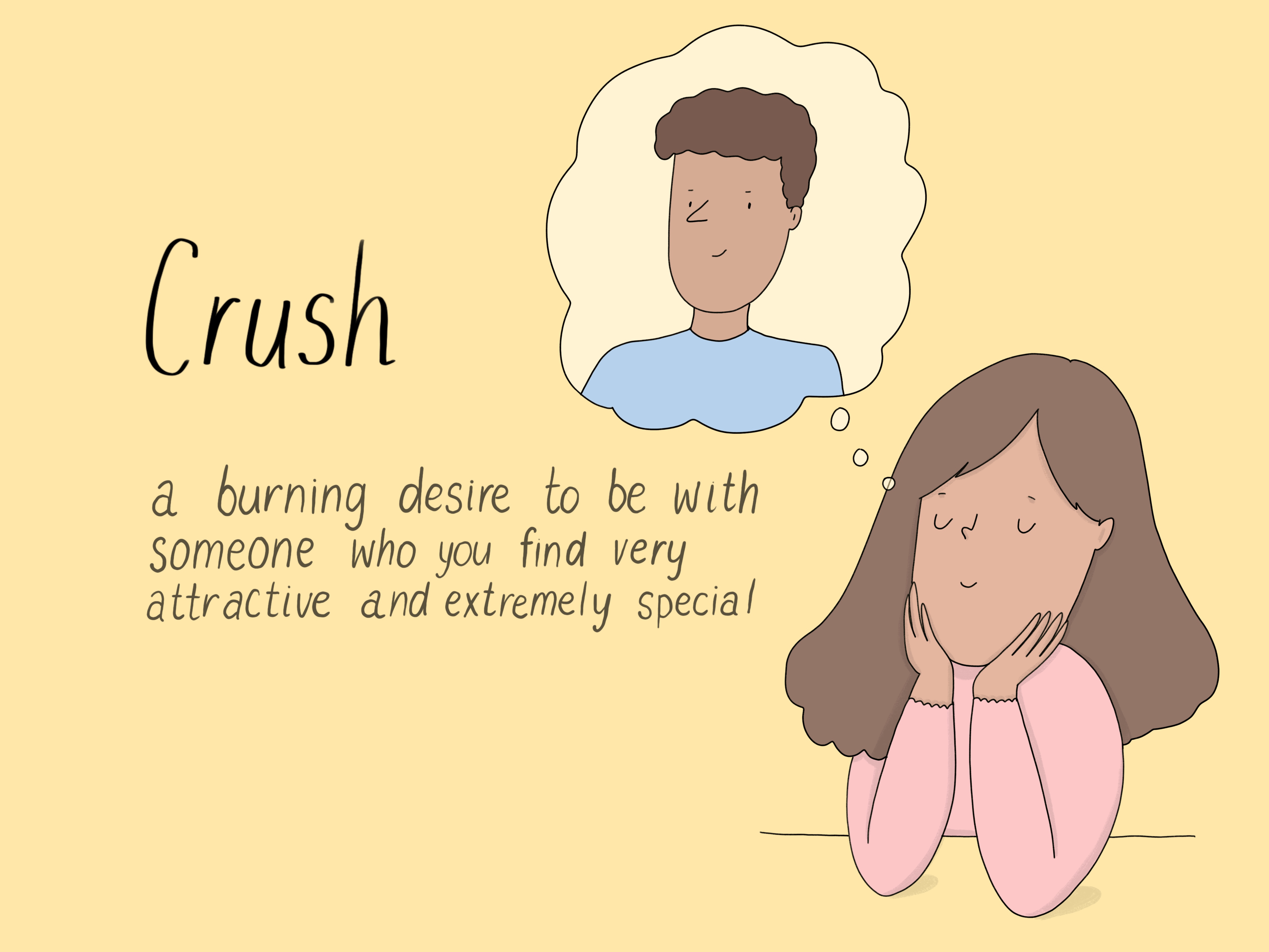
Let’s be honest: few mysteries in life feel more urgent than “Does my crush like me back?” Taxes can wait. Laundry can wait. But that one person who watched your story within 38 seconds? We need answers, preferably with charts, dramatic music, and a percentage score.
That is where the idea of a Crush Analyzer comes in. A crush analyzer, love tester, name matcher, or “find names of people who like you” tool promises to turn romantic confusion into something easier to read. Maybe it asks for your name and your crush’s name. Maybe it gives you a compatibility score. Maybe it claims to reveal secret admirers. And maybejust maybeit should come with a tiny warning label that says: “For fun, not for life decisions.”
This guide breaks down what crush analyzer tools actually do, how they work, what they can and cannot reveal, how to use them safely, and how to recognize real signs someone may like you. Because while an app can generate a funny love percentage, your best clues still come from behavior, communication, respect, and good old-fashioned courage. Terrifying? Yes. Useful? Also yes.
What Is a Crush Analyzer?
A crush analyzer is usually an online quiz, mobile app, calculator, or entertainment tool that helps users explore romantic interest. Some are called love calculators, crush meters, secret admirer finders, name match testers, or compatibility analyzers. The basic idea is simple: enter names, answer questions, or connect limited information, and the tool gives you a playful result.
Most crush analyzers are designed for entertainment. They may use random scoring, basic name-matching formulas, simple personality questions, or social-style prompts. For example, a name-based love tester might ask for two names and return a percentage like “83% compatible.” A quiz-style tool might ask whether someone texts first, remembers small details, laughs at your jokes, or acts nervous around you. Then it gives you a result such as “They might be interested” or “You are currently in the friend-zone suburbs.”
The keyword here is might. A crush analyzer cannot read minds, access someone’s private feelings, or magically reveal names of people who secretly like you unless those people have willingly provided information through the same platform. If an app claims it can expose private crushes, hidden followers, secret profile viewers, or exact names without consent, treat that claim with caution. Romance is mysterious, but privacy law is not a magic wand.
Can a Crush Analyzer Really Find Names of People Who Like You?
In most cases, no tool can honestly “find names of people who like you” unless it is using information that users voluntarily submit. A legitimate crush analyzer may show mutual matches if both people entered each other’s names, joined the same game, or responded to the same anonymous prompt. That can be fun and harmless when everyone understands the rules.
However, a random website cannot secretly scan the universe and identify everyone who has a crush on you. It cannot detect feelings through your phone screen. It cannot analyze someone’s soul through their username, although that would make school hallways and office break rooms much more chaotic.
Be especially careful with tools that ask for excessive permissions, such as access to your contacts, private messages, location, camera roll, or social media account. A crush finder should not need your entire digital life to tell you “Alex maybe likes you.” If the price of a love percentage is your privacy, the romance math is not mathing.
How Crush Analyzer Tools Usually Work
1. Name Matching
Name-based crush analyzers are the simplest. They compare two names and generate a compatibility result. Some use letter counts, vowels, numerology-style formulas, or playful algorithms. The results can be cute, but they are not scientific evidence of attraction.
Example: You enter “Mia” and “Jordan.” The tool returns “91% match.” Does that mean Jordan is secretly writing poetry about Mia? Not necessarily. It means the calculator did calculator things.
2. Quiz-Based Analysis
Quiz-based tools are more useful because they ask about real behavior. Questions may include: Does your crush start conversations? Do they remember personal details? Do they make time for you? Do they seem happy when you are around? These signs can be meaningful when they appear consistently.
Still, a quiz depends on your interpretation. If you are deep in crush mode, you may see “romantic destiny” in someone saying, “Can I borrow a pencil?” That is normal. Crushes come with built-in detective goggles.
3. Anonymous Confession Games
Some platforms let people anonymously send compliments, confessions, or crush messages. These can reveal interest if users participate honestly. But anonymity can also invite teasing, fake submissions, or uncomfortable messages. A good anonymous tool should include reporting, blocking, moderation, and clear privacy controls.
4. Social Signal Guessing
Some users try to analyze likes, views, comments, streaks, reply speed, and emoji choices. Social signals can offer clues, but they are easy to misread. Someone liking your photo may be flirting. They may also be bored in line at a sandwich shop. Context matters.
Real Signs Someone Might Like You
A crush analyzer is fun, but real attraction usually shows up through repeated patterns. One sign alone does not prove much. Several signs together, over time, are more meaningful.
They Make an Effort to Talk to You
If someone regularly starts conversations, asks follow-up questions, and seems genuinely interested in your life, that may be a sign of attraction. People usually give attention to what matters to them. If they remember your favorite snack, your big test, your dog’s weird name, or your dramatic coffee order, that attention may be more than random politeness.
They Find Reasons to Be Near You
Frequent run-ins can happen naturally, but repeated effort matters. If someone often chooses the seat near you, joins conversations you are in, or volunteers to help when you need something, they may be trying to create more connection.
Their Body Language Opens Up
Common body language signs of interest include leaning in, smiling often, mirroring your posture, making comfortable eye contact, and turning their body toward you. But body language is not universal. Culture, personality, anxiety, neurodiversity, and comfort level all affect how people express themselves. The best approach is to look for warm, consistent behavior rather than one dramatic eyebrow movement.
They Respond With Energy
Someone who likes you may reply thoughtfully, continue the conversation, ask questions, or react with enthusiasm. This does not mean instant replies are required. People have jobs, school, families, hobbies, and mysterious periods where they forget their phone exists. But consistent warmth is a good sign.
They Respect Your Boundaries
This is the big one. A person who truly likes you should respect your comfort, time, privacy, and “no.” Healthy attraction does not pressure, stalk, guilt-trip, monitor, or demand access to your accounts. If someone acts possessive before you are even dating, congratulations: you have discovered a red flag wearing perfume.
What Crush Analyzers Get Right
Crush analyzer tools are not useless. Used correctly, they can be lighthearted conversation starters. They can help people reflect on what they are noticing. They can turn nervous feelings into a fun quiz instead of a full emotional courtroom trial.
A good crush analyzer can help you ask better questions: Is this person kind to me? Do I feel relaxed around them? Do they make effort? Am I imagining interest because I want it to be true? Do I actually like them, or do I like the idea of being liked?
That last question deserves a tiny trophy. Sometimes a crush is less about the person and more about the sparkle of possibility. A quiz can help you slow down long enough to separate fantasy from reality.
What Crush Analyzers Get Wrong
The biggest problem is certainty. Some tools make bold promises like “Find out exactly who has a crush on you” or “Reveal secret admirers now.” Those claims can create false expectations. They may also push users to share personal data, invite friends, or pay for premium results.
Another issue is over-analysis. When people are anxious about romance, they may use quizzes repeatedly, hoping the next result will feel more reassuring. But emotional clarity rarely comes from refreshing a result page. It comes from observation, communication, and sometimes accepting uncertainty without turning into Sherlock Holmes with Wi-Fi.
Privacy Tips Before Using a Crush Analyzer
Before you use any crush analyzer, ask what information it wants and why. A simple name game should not require your contacts, location, private photos, or social media password. Avoid tools that pressure you to install unknown files, complete suspicious surveys, or share the app with many friends before showing results.
Use a nickname instead of your full legal name when possible. Do not enter someone else’s private details without permission. Avoid uploading personal photos to unknown websites. Read app permissions before installing. If the app is for younger users, parents and caregivers should check privacy practices, age guidelines, and safety settings.
Also remember that anonymous does not always mean safe. Anonymous apps can still collect data, track behavior, or expose users to unwanted messages. If a platform allows anonymous crush confessions, it should also make blocking and reporting easy.
How to Use a Crush Analyzer in a Healthy Way
Use it like a party game, not a prophecy. A crush analyzer should make you smile, not spiral. If the result says your crush likes you, enjoy the confidence boost, but do not treat it as proof. If the result says they do not, do not collapse dramatically onto the nearest couch. Algorithms are not Cupid. They are code in a trench coat.
The healthiest way to use a crush analyzer is to combine it with real-life awareness. Look at how the person treats you. Notice whether the connection feels mutual. Pay attention to respect, kindness, and consistency. If you feel safe and the situation is appropriate, consider communicating directly.
How to Ask Someone If They Like You
At some point, the best crush analyzer is a simple conversation. That does not mean you need to deliver a movie-style confession in the rain. You can keep it calm, respectful, and low-pressure.
Try something like: “I like talking with you, and I was wondering if you might want to hang out sometime.” Or: “I feel like there might be a vibe between us, but I may be reading it wrong. What do you think?”
These lines work because they are direct without being intense. They also give the other person room to answer honestly. If they say no, it may sting, but it is better than spending six months decoding punctuation marks. A clear answer is emotional sunscreen. It prevents long-term burn.
When a Crush Analyzer Becomes Unhealthy
A crush analyzer becomes unhealthy when it feeds obsession, jealousy, or privacy invasion. If you are repeatedly checking someone’s activity, tracking their posts, testing name combinations daily, or feeling anxious because an app gave you a low score, step back.
Crushes should not make you feel trapped in a detective novel. If the situation affects your sleep, school, work, friendships, or self-worth, talk to someone you trust. A friend, counselor, therapist, parent, or mentor can help you regain perspective.
Examples of Healthy Crush Analyzer Results
Example 1: The Friendly Maybe
You answer a quiz and get: “They may like you, but the signs are mixed.” In real life, this might mean the person is friendly but not clearly romantic. Your next step is not panic. Your next step is to observe whether they make consistent effort.
Example 2: The Strong Signal
The quiz says: “High chance of mutual interest.” You notice they text first, remember details, ask to spend time together, and seem happy around you. This may be a good time to gently suggest hanging out one-on-one.
Example 3: The Red Flag Result
The analyzer says: “They are obsessed with you!” But in real life, the person pressures you, monitors your online activity, or gets angry when you talk to others. That is not romantic. That is a boundary problem. Choose safety over flattery.
Crush Analyzer vs. Real Compatibility
Finding out whether someone likes you is only the first step. The bigger question is whether the connection is healthy and compatible. Do you share values? Can you communicate honestly? Do you respect each other’s boundaries? Do you feel like yourself around them?
A crush can start with butterflies, but a good relationship needs more than winged stomach insects. It needs respect, trust, humor, patience, and the ability to talk when things feel awkward. Especially when things feel awkward.
of Real-Life Experience: What Using a Crush Analyzer Feels Like
Almost everyone has had a moment where they wished a crush analyzer existed in real life. Imagine standing near someone you like, trying to act normal, while your brain is running a full investigation. They smiled. Was it a friendly smile? A romantic smile? A “please stop blocking the doorway” smile? Suddenly, you are not a person anymore. You are a research department with shoes.
The fun of a crush analyzer is that it gives shape to that confusion. It lets people laugh at the awkwardness. You type in two names, watch a percentage appear, and for a second the mystery feels manageable. Even when the result is obviously playful, it can be oddly comforting. It says, “You are not ridiculous for wondering.” And honestly, that matters.
One common experience is using a crush analyzer with friends. Someone enters their name and the name of their crush, everyone leans toward the screen, and the room becomes a tiny sports stadium. If the score is high, there is cheering. If the score is low, someone immediately says, “This app is broken.” Friendship is beautiful.
Another experience is using a quiz privately because you are too nervous to ask anyone for advice. The questions make you think: Does this person really show interest, or am I building a castle out of three emojis and one hallway glance? A good quiz can help you notice patterns. Maybe they do start conversations. Maybe they do remember small things. Or maybe you realize you have been doing most of the emotional heavy lifting.
The most important lesson is that crush tools work best when they lead you back to reality. The point is not to let a website decide your love life. The point is to help you reflect. If the analyzer gives you confidence to say hello, great. If it reminds you to protect your privacy, even better. If it helps you laugh at yourself instead of drowning in overthinking, that is a win.
There is also a humbling side. Sometimes the signs are not there. Sometimes someone is kind because they are kind, not because they are secretly planning your wedding playlist. That realization can hurt, but it can also free you. When you stop forcing meaning into every interaction, you make room for people who show interest clearly and respectfully.
The best “crush analyzer” is ultimately your own balanced judgment. Use the playful tools. Take the quiz. Giggle at the score. Send the screenshot to a friend if it is harmless. But then look up from the screen. Notice how the person treats you. Notice how you feel around them. And when the time is right, choose honest communication over endless guessing. It may not come with a neon percentage bar, but it works a lot better.
Conclusion
A Crush Analyzer: Find Names Of People Who Like You tool can be entertaining, useful for reflection, and a fun way to explore romantic curiosity. But it should never replace consent, privacy, communication, or common sense. No responsible tool can magically expose someone’s private feelings without their participation. The safest and smartest approach is to treat crush analyzers as playful guides, not final answers.
If you want to know whether someone likes you, look for consistent effort, respectful attention, warm communication, and healthy boundaries. If the signs seem mutual, start a simple conversation. If they are not interested, you will surviveand you will save yourself from weeks of analyzing whether a period instead of an exclamation point means heartbreak. Romance is confusing enough. Keep your tools fun, your data private, and your standards high.
Note: This article synthesizes real-world guidance and public information from reputable U.S.-focused consumer safety, online privacy, relationship health, dating safety, app marketplace, and digital well-being resources, including government, nonprofit, medical, research, and technology organizations. Crush analyzer tools should be used for entertainment and reflection, not as proof of another person’s private feelings.