The word colposcopy sounds like it should come with a spaceship manual, but the procedure itself is much less dramatic. A colposcopy is a close-up exam of the cervix, and sometimes the vagina or vulva, using a lighted magnifying device called a colposcope. Doctors usually recommend it after an abnormal Pap test, a positive HPV test, unusual cervical changes seen during an exam, or symptoms such as bleeding after sex. In plain English: it is a better look, not an automatic sign that something serious is wrong.
That distinction matters. Many people hear “abnormal screening result” and immediately leap to worst-case scenarios. In reality, a colposcopy is often the next diagnostic step to sort out what is actually going on. It can help identify inflammation, harmless growths such as polyps, HPV-related changes, precancerous cells, or, much less commonly, cancer. Most of the time, it is an office procedure that is quick, low risk, and more awkward than dangerous.
This guide explains what a colposcopy is, why it is done, what happens during the procedure, the possible risks, how recovery usually goes, and what real-life experiences often feel like from the patient side of the exam table.
What is a colposcopy?
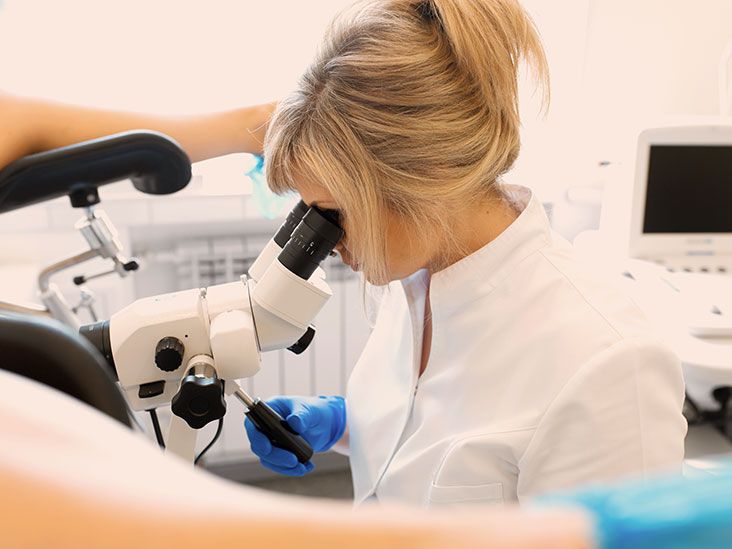
A colposcopy is a diagnostic procedure that allows a clinician to examine the cervix under magnification. The colposcope stays outside the body. It does not go inside you. Instead, your clinician places a speculum in the vagina, much like during a Pap test, and then uses the colposcope to get a clearer, brighter, enlarged view of the tissue.
During the exam, the cervix is usually swabbed with a vinegar-like solution and sometimes iodine. These liquids help highlight areas of abnormal tissue so they are easier to spot. If anything looks suspicious, your clinician may take a biopsy, which is a tiny tissue sample sent to a lab for review. In some cases, they may also do an endocervical curettage, often called ECC, which collects cells from just inside the cervical canal where the colposcope cannot fully see.
That is why a colposcopy is not exactly the same thing as a biopsy. The exam is the close look. The biopsy is the sample. Sometimes you have one and not the other. Sometimes they happen during the same visit.
Why might you need a colposcopy?
The most common reason is follow-up after cervical cancer screening. A Pap test checks cervical cells for abnormal changes. An HPV test checks for high-risk strains of human papillomavirus that can lead to those changes over time. If one of those tests comes back abnormal, a colposcopy may help clarify whether there are precancerous cells, mild changes that can simply be watched, or something that needs treatment.
Your clinician may also recommend colposcopy if you have:
- A positive high-risk HPV test
- An abnormal Pap smear result
- Cervical changes seen during a pelvic exam
- Bleeding after intercourse
- Persistent cervix inflammation or unexplained symptoms affecting the cervix, vagina, or vulva
- Follow-up after treatment for abnormal cervical cells
One important point: an abnormal Pap or HPV result does not mean you have cancer. Far from it. Cervical screening is designed to catch cell changes early, often years before cancer would develop. A colposcopy is part of that early-warning system, which is exactly why it is useful.
How to prepare for a colposcopy
Preparation is usually simple. Most people do not need sedation, fasting, or a complicated checklist worthy of a camping trip. Still, a few small steps can make the experience smoother.
Before the appointment
- Try to schedule the exam when you are not on your period, if possible.
- Your clinician may ask you to avoid tampons, douching, vaginal medicines, and vaginal intercourse for about 48 hours before the procedure.
- Bring a pad to wear afterward, especially if a biopsy might be done.
- Ask whether you can take an over-the-counter pain reliever beforehand if you are worried about cramping.
- Tell your clinician if you are pregnant or think you might be pregnant.
- Let them know if you have allergies to iodine, latex, or medicines, or if you have a history of bleeding problems.
It is also smart to ask one practical question before the visit: “If you take a biopsy, what will my aftercare instructions be?” That can save you from awkward discoveries later, such as learning too late that tampons, baths, or sex may be off the menu for several days.
What happens during the procedure?
A colposcopy is usually done in a doctor’s office or clinic and often takes about 10 to 20 minutes. If multiple biopsies are taken, it can take a little longer. Here is the usual play-by-play:
- You change into a gown and lie on an exam table with your feet in stirrups.
- A speculum is inserted into the vagina so the cervix can be seen.
- The colposcope is placed just outside the vaginal opening.
- Your clinician looks at the tissue under magnification and applies vinegar or iodine solution to highlight abnormal areas.
- If needed, a biopsy is taken from one or more spots.
- Sometimes an ECC is done to sample cells from the cervical canal.
- A solution or paste may be applied to control bleeding if a biopsy was taken.
Many patients say the exam itself feels similar to a longer Pap test. The speculum pressure is familiar, though not exactly beloved. The cleansing solution may sting or tingle a little. If a biopsy is taken, you may feel a sharp pinch, a tug, or a quick cramp. Some people barely flinch. Others feel distinctly annoyed by the whole enterprise. Both are normal.
Does a colposcopy hurt?
A plain colposcopy without biopsy is usually more uncomfortable than painful. The biggest complaint is often the speculum, which is not exactly winning any popularity awards. When a biopsy is added, the sensation can range from mild pinching to stronger period-like cramping. Anxiety can also make the experience feel more intense, which is why slow breathing and knowing what to expect can genuinely help.
For many people, the worst part is anticipation. Not the vinegar. Not the magnification. Not even the weirdly dramatic name. Just the waiting and worrying beforehand.
Risks and possible side effects
A colposcopy is generally considered safe and low risk. If no biopsy is taken, side effects are usually limited to temporary spotting or mild irritation. If a biopsy or ECC is done, you may have more noticeable after-effects for a few days.
Common short-term effects
- Mild cramping
- Light vaginal bleeding or spotting
- Soreness for a day or two
- Dark brown or black discharge if medicine was used to stop bleeding
Less common but important risks
- Heavier bleeding
- Infection
- More intense pelvic pain than expected
Serious complications are rare, but they can happen. Contact your clinician if you have heavy bleeding, fever, chills, severe abdominal or pelvic pain, or foul-smelling vaginal discharge. Those symptoms can signal infection or a problem that needs prompt follow-up.
Pregnancy deserves special mention. Colposcopy itself is generally considered safe during pregnancy, but biopsy decisions may be more individualized because bleeding risk can be higher. If you are pregnant, your clinician will guide the safest approach.
Colposcopy recovery: what to expect
Recovery depends on whether you had only the exam or the exam plus biopsy.
If no biopsy was done
Most people can get back to their normal routine right away. You may have a little spotting, but many patients leave the office and go right back to work, school, errands, or the glamorous adult task of answering emails no one wanted in the first place.
If a biopsy or ECC was done
You may have light bleeding, cramping, soreness, or dark discharge for a few days. Your clinician will usually recommend pads instead of tampons and may ask you to avoid sex, douching, swimming, or inserting anything into the vagina for about a week, or longer if instructed. The exact timeline varies by the amount of tissue sampled and your doctor’s preference, so personal instructions win over generic internet advice every time.
Most people feel physically better within a couple of days, though spotting can linger for up to a week. Hydration, rest, and a heating pad can help with cramps. Over-the-counter pain relief is often enough unless your clinician says otherwise.
Understanding the results
Some findings can be discussed right away because the clinician can see whether the tissue looks normal or suspicious. But a biopsy result takes longer because the tissue has to be reviewed by a pathologist. Depending on the office and lab, results may come back in days to a couple of weeks.
Possible outcomes include:
- Normal tissue: No precancer or cancer found
- HPV-related or mild changes: Often monitored with repeat testing
- Precancerous changes: Sometimes called cervical dysplasia or CIN, which may need surveillance or treatment
- Cancer: Less common, but the biopsy helps identify it early if present
If the results show higher-grade precancerous changes, your next step may be a treatment procedure such as LEEP or, less commonly, cone biopsy. If results are mild, your clinician may recommend repeat HPV or Pap testing and close follow-up instead. In other words, the biopsy result is not the end of the story. It is the map for what comes next.
When to call a doctor after colposcopy
Call your healthcare provider if you have:
- Heavy bleeding, such as soaking pads or passing large clots
- Fever or chills
- Bad-smelling discharge
- Severe pain that is not improving
- Symptoms that feel worse instead of better after the first day or two
Most recoveries are straightforward, but it is always better to check than to sit at home trying to decide whether Google or your cousin’s group chat is now your gynecologist.
What real colposcopy experiences often feel like
Experiences with colposcopy vary, but patterns show up again and again. The emotions are often bigger than the procedure itself. Below are composite, reality-based examples of what many patients report before, during, and after a colposcopy.
Experience 1: “I was terrified, and it ended up being manageable.”
A very common experience starts with panic the moment the abnormal Pap result hits the patient portal. Many people assume the worst before the appointment even happens. Then they arrive, discover the exam is done in a regular office room, and realize the procedure is much shorter than they imagined. The speculum feels uncomfortable, the vinegar solution feels strange, and the biopsy causes a quick pinch and cramp. But afterward, the biggest reaction is often relief. Not because it was fun, but because it was understandable and survivable. For some patients, the emotional recovery begins the minute someone explains each step clearly.
Experience 2: “The waiting for results was harder than the biopsy.”
Another frequent story is that the physical part is not the hardest part at all. The hard part is the waiting. A patient may feel only mild cramps and light spotting after the procedure, then spend the next several days mentally replaying the appointment and wondering what every phrase meant. Was that area “a little abnormal” or “very abnormal”? Did the biopsy mean something serious? This is why setting expectations matters. For many patients, a written aftercare sheet and a clear timeline for results lower anxiety almost as much as pain relief does.
Experience 3: “I went back to normal quickly, but I was not prepared for the discharge.”
Plenty of patients recover fast and are surprised only by the aftercare details. They may have mild cramping for a day, then feel completely normal physically. What throws them off is the dark brown or black discharge that can happen when a solution is used to stop bleeding after a biopsy. It looks alarming if no one warned you. In reality, it can be an expected part of healing. Patients who know that ahead of time are much less likely to think something has gone terribly wrong in their underwear drawer.
Experience 4: “The explanation changed everything.”
Some of the best experiences come down to communication. Patients often report feeling calmer when the clinician explains, in plain language, what they are seeing, when a pinch is coming, and what symptoms are normal afterward. Something as simple as “You may feel a cramp now” or “This discharge can look dark for a few days” can transform the entire experience. Even when the biopsy later shows abnormal cells that need treatment, patients tend to cope better when they understand the process. Knowledge does not make a speculum cozy, but it absolutely makes the procedure less frightening.
The takeaway from these experiences is simple: colposcopy is rarely anybody’s idea of a great afternoon, but it is usually manageable, often quick, and extremely useful. Most people come away saying some version of the same thing: “I wish I had known what to expect, because the uncertainty was worse than the procedure.”
Final thoughts
Colposcopy is an important follow-up tool after abnormal cervical screening, positive HPV testing, or suspicious symptoms. It helps clinicians get a better view of the cervix, find abnormal tissue early, and decide whether you need monitoring, biopsy, or treatment. The procedure is usually brief, office-based, and low risk. Recovery is often mild, especially if no biopsy is taken. When a biopsy is done, light bleeding, cramping, and temporary activity restrictions are common, while serious complications are uncommon.
Most of all, remember this: a colposcopy is about getting answers. It is not proof that something terrible is happening. It is a closer look, and in medicine, a closer look is often exactly how bigger problems are prevented.