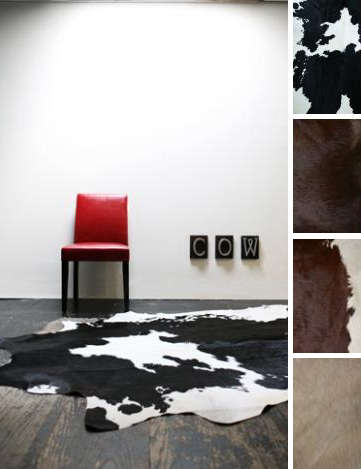
A Brazilian cowhide rug is the kind of home décor piece that walks into a room, drops its metaphorical sunglasses, and says, “Yes, I am the personality now.” It is natural, bold, textured, practical, and just irregular enough to make a square room feel less like a spreadsheet. Whether you are decorating a modern apartment, a rustic farmhouse, a cozy office, or a living room that needs something more exciting than another beige rectangle, Brazilian cowhide offers a rare combination: beauty with backbone.
Unlike mass-produced synthetic rugs that repeat the same pattern until your floor starts looking like hotel hallway wallpaper, each genuine Brazilian cowhide rug is one of a kind. The markings, color patches, shape, grain, and hair direction are naturally formed, which means no two hides are identical. That uniqueness is the main appeal. You are not just buying a rug; you are adding a natural design element with movement, contrast, and a little dramawithout requiring a chandelier the size of a moon.
Brazilian cowhide rugs are especially popular because Brazil has a long leather-producing tradition and a major cattle industry. Many premium hides are valued for their size, softness, rich markings, and durable hair-on-hide finish. But like any natural product, quality matters. A beautiful cowhide rug should feel supple, lie mostly flat, show minimal shedding, and have a clean, well-tanned backing. A poor-quality hide, on the other hand, may curl, smell harshly chemical, shed like a nervous golden retriever, or feel stiff enough to audition as cardboard.
What Is a Brazilian Cowhide Rug?
A Brazilian cowhide rug is a natural hair-on-hide rug made from cattle hide sourced and processed in Brazil. The hair remains attached to the leather, creating a smooth, low-profile surface with organic markings. Depending on the animal, the rug may be black and white, brown and white, brindle, tricolor, speckled, salt-and-pepper, champagne, caramel, gray, or nearly solid in tone.
The word “Brazilian” usually refers to origin and tanning tradition, not a single fixed design. Some Brazilian cowhides look rugged and Western, while others feel sleek enough for a luxury condo with suspiciously expensive candles. That flexibility is why designers use them in so many interiors: modern, industrial, Scandinavian, farmhouse, bohemian, lodge-inspired, transitional, and even glam spaces.
Why Hair-on-Hide Is Different
Most woven rugs rely on yarn, loops, pile, or knots. Cowhide is different because it is a natural leather product with hair intact. This gives it a low pile, smooth touch, and irregular outline. The shape is part of the charm. Instead of forcing the floor into a perfect rectangle, a cowhide softens the space with curved edges and asymmetry. In a room filled with boxy sofas, straight tables, square shelves, and rectangular screens, that organic shape can be surprisingly refreshing.
Why Brazilian Cowhide Rugs Are So Popular
The first reason is obvious: they look good. A Brazilian cowhide rug adds instant texture and contrast. Place one under a glass coffee table and suddenly the room has depth. Layer one over jute and the floor gets dimension. Toss one beside a bed and your morning routine feels a little more boutique-hotel and a little less “where are my socks?”
The second reason is practicality. Cowhide rugs are naturally durable when properly tanned and cared for. The hair-on-hide surface does not trap dust the same way deep pile can, and the natural oils in the hide help resist everyday dirt. This does not mean the rug is magical or immune to spaghetti sauce. It means routine care is usually simple: shake it out, vacuum gently, blot spills quickly, and avoid soaking it like it owes you money.
The third reason is versatility. A Brazilian cowhide rug can be the star of the room or a quiet supporting actor. A dramatic black-and-white hide can anchor a minimalist living room. A warm brown brindle hide can make leather, wood, and stone feel more connected. A pale champagne hide can add texture without shouting. A tricolor hide can pull together black, brown, cream, and tan elements in one stylish move.
How to Choose a High-Quality Brazilian Cowhide Rug
Buying a cowhide rug is not like buying a standard 8-by-10 area rug where the biggest decision is “gray or slightly different gray.” Since every hide is unique, you need to look at size, shape, tanning quality, hair condition, color, and backing.
Check the Texture
A good Brazilian cowhide should feel soft, flexible, and smooth to the touch. Run your hand with the hair, then gently against it. The hair should feel secure and pleasant, not brittle or scratchy. If the hide feels unusually stiff, greasy, overly thin, or rough on the leather side, consider it a warning sign.
Inspect the Backing
The underside should look clean and suede-like, not damp, oily, cracked, or flaky. A quality hide will usually lie flat after a short settling period. Some edge curling can happen with natural hides, especially after shipping, but severe curling may point to poor tanning or storage.
Look for Minimal Shedding
Some loose hair at first is normal, just as a new sweater may shed a little lint. However, heavy shedding, bald spots, or hair that pulls out easily are signs of lower quality. A well-prepared Brazilian cowhide rug should keep its hair with normal use.
Use Real Photos When Shopping Online
Because each hide is unique, the best sellers show photos of the exact rug you will receive. Stock photos are fine for general inspiration, but they are not ideal when you care about markings, symmetry, color balance, and size. With cowhide, “similar” can mean the difference between elegant espresso patches and a pattern that looks like a cow ran through wet paint during a jazz solo.
Best Places to Use a Brazilian Cowhide Rug
One of the best things about a cowhide rug is that it does not demand a single room style. It can move from living room to bedroom to office and still look intentional. The trick is scale and placement.
Living Room
In the living room, a Brazilian cowhide works beautifully under a coffee table, angled in front of a sofa, or layered over a larger neutral rug. If your seating area already has a large jute, sisal, wool, or flatweave rug, place the cowhide on top to create a focal point. This layered look adds depth without needing loud color. It is especially useful if your current rug is too plain but still too expensive to emotionally replace.
Bedroom
Beside the bed, cowhide feels soft underfoot and adds visual warmth. A light cowhide can brighten a dark room, while a brown or brindle hide can make a white bedroom feel grounded. You can also place one at the foot of the bed for a relaxed, designer-approved look that says, “I made an effort,” even if there is laundry hiding behind the door.
Dining Room
A cowhide rug can work in a dining space, but size matters. Dining chairs should not constantly catch on the rug edge. Because cowhides are irregular, they are often better under small round tables, breakfast nooks, or accent dining setups rather than large formal tables. If you host spaghetti night every Friday with toddlers, Great Danes, and enthusiastic red sauce, you may want to think twiceor at least keep a cleaning cloth nearby like a responsible adult.
Home Office
A Brazilian cowhide rug is excellent in a home office because it brings texture without thick pile. Low-profile hides are easier under many chairs than fluffy rugs, though rolling office chairs can still cause wear over time. For best results, use the rug in a reading corner, under a writing desk with stationary legs, or as a visual anchor behind the main chair.
Entryway or Hall
Cowhide can handle foot traffic, but wet entryways are not ideal. Moisture is leather’s least favorite party guest. If you live in a rainy or snowy climate, avoid placing a cowhide where wet shoes regularly land. Use it in a dry foyer, sitting area, or interior hallway instead.
How to Style a Brazilian Cowhide Rug
The easiest way to style a Brazilian cowhide rug is to let it contrast with the room. If your furniture is clean and modern, the organic hide shape adds movement. If your room is rustic, the hide reinforces natural texture. If your décor is colorful, a neutral cowhide can calm things down before your sofa and throw pillows start arguing.
Pair It With Wood
Brazilian cowhide and wood are natural friends. Medium and dark woods bring out brown, tan, and cream markings, while light oak or ash can make black-and-white hides feel fresh and modern. Try a cowhide under a walnut coffee table, beside a cane chair, or near a reclaimed wood console.
Use It With Leather Furniture
Some people worry that cowhide plus leather furniture is too much. It can be, if everything is the exact same color and texture. The secret is contrast. Pair a caramel leather sofa with a black-and-white hide, or a dark brown chair with a pale champagne cowhide. Mix smooth leather, woven textiles, linen, wool, and ceramics so the room feels layered instead of themed like a cowboy museum gift shop.
Layer It Over a Neutral Rug
Layering is one of the smartest uses for cowhide. Put a Brazilian cowhide over a larger jute, sisal, seagrass, or flatweave rug. The base rug defines the room, while the cowhide adds shape and personality. This is also a clever solution when a single cowhide is too small to anchor a large seating area on its own.
Balance Bold Patterns
If your hide has strong markings, keep nearby patterns quieter. If your hide is subtle, you can get bolder with pillows, art, or curtains. The goal is harmony, not a visual wrestling match where every object tries to pin the others.
Brazilian Cowhide Rug Colors and Patterns
Color has a big impact on mood. A black-and-white Brazilian cowhide feels graphic and modern. It works well with white walls, black metal accents, glass tables, and minimalist furniture. Brown-and-white hides feel warmer and more relaxed, making them excellent for farmhouse, rustic, lodge, and transitional interiors. Tricolor hides are especially flexible because they include multiple tones that can connect different furniture finishes.
Brindle cowhides have striped or blended brown tones that add movement without sharp contrast. Speckled hides feel playful and casual. Light beige, champagne, gray, or cream hides are softer and can work in bedrooms, nurseries, and airy living rooms. Dyed or metallic cowhides exist too, but natural Brazilian cowhide rugs tend to age more gracefully because their beauty comes from authentic markings rather than surface effects.
How to Clean and Maintain a Brazilian Cowhide Rug
Good news: caring for a Brazilian cowhide rug is not complicated. Bad news: you cannot treat it like a bath towel. Never machine wash it, soak it, bleach it, or attack it with harsh carpet cleaners. Cowhide is leather, and leather prefers gentle care.
Routine Cleaning
Shake the rug outdoors to remove loose dirt and dust. For regular vacuuming, use suction only or a gentle setting without a rotating beater bar. Vacuum in the direction of the hair when possible. If the rug is small enough, shaking it out once a week can do wonders. Think of it as giving your rug a tiny spa day, minus cucumber water.
Spot Cleaning Spills
Act quickly. Blot liquid spills with a clean, dry cloth. Do not rub, because rubbing can push the spill deeper and rough up the hair. For light stains, use a damp cloth with a small amount of mild soap, then blot with a clean damp cloth and dry with a towel. The cloth should be damp, not dripping. Oversaturating the hide can damage the leather backing.
Grease and Oil
For oily spills, sprinkle cornstarch or baking soda over the area to help absorb the grease. Let it sit, then gently vacuum or brush it away. Repeat if needed. Avoid strong degreasers unless a professional leather or rug cleaner recommends them for that specific hide.
Pet Accidents
Pet accidents require quick action. Blot moisture immediately and use a mild cleaning solution sparingly. Odor can be difficult if liquid reaches the leather backing, so do not delay. If the stain is serious, call a professional rug cleaner familiar with hair-on-hide products. Also, have a respectful conversation with your pet about boundaries. They will ignore you, but it may make you feel better.
Sunlight and Heat
Keep cowhide away from harsh direct sunlight and direct heat sources. Sun can fade the hair, while heat can dry the leather and encourage curling or cracking. If your rug sits in a sunny room, rotate it occasionally to help wear and fading happen more evenly.
Are Brazilian Cowhide Rugs Ethical and Sustainable?
This question matters. Cowhide is an animal product, so buyers should think carefully about sourcing, transparency, tanning standards, and personal values. Many cowhides used for rugs come from the cattle and beef industry, where hides are treated as a byproduct rather than the primary reason animals are raised. Using hides can reduce waste, but that does not automatically make every product sustainable.
Brazilian leather supply chains can be complex, and concerns such as deforestation, animal welfare, traceability, labor practices, and tanning chemicals should not be brushed under the rugespecially not under a very stylish cowhide rug. Responsible buyers should look for sellers who can explain where their hides come from, how they are tanned, whether they follow recognized leather standards, and what quality controls are in place.
If sustainability is important to you, ask direct questions before buying: Is the hide a byproduct of the meat industry? Is the tannery certified or audited? Does the seller provide traceability information? Are harsh chemical odors present? Is the product made to last? A durable rug that stays beautiful for years is usually a better choice than a cheap one that curls, sheds, and ends up in the trash after one season of pretending to be fancy.
Common Mistakes to Avoid
The biggest mistake is buying too small. Cowhides are measured at their widest and longest points, but the usable visual area is irregular. If you are placing one in a large living room, consider layering it over a bigger rug. Another mistake is choosing a pattern that fights the room. A dramatic hide needs breathing space. If your room already has bold wallpaper, patterned upholstery, colorful art, and twelve throw pillows named after emotions, choose a quieter hide.
A third mistake is using the rug in damp areas. Bathrooms, wet mudrooms, and outdoor patios are not ideal. Cowhide is tough, but it is not a pool float. Finally, do not ignore smell. A mild leather scent is normal at first, but a strong chemical odor can indicate poor tanning or finishing. If a rug smells like a science project wearing boots, move on.
Experience-Based Notes: Living With a Brazilian Cowhide Rug
Living with a Brazilian cowhide rug is different from living with a standard area rug, and that is exactly why people love it. The first thing you notice is how quickly it changes the mood of a room. A plain living room with a sofa, coffee table, and neutral walls can suddenly feel styled, layered, and intentional. It is the design equivalent of putting on a good jacket: nothing else changed, but now the whole outfit makes sense.
One practical experience many homeowners mention is that cowhide is easier to move than a heavy woven rug. If you like rearranging furniture at midnight because inspiration attacked you after one cup of coffee too many, cowhide is forgiving. You can shift it, angle it, layer it, or move it from room to room without recruiting three relatives and a chiropractor. Its irregular shape also means placement does not have to be perfectly centered. In fact, cowhide often looks better when slightly angled. Perfection is optional; personality is required.
Another real-life advantage is how well it works in mixed-style homes. Maybe one person likes modern furniture and the other likes rustic pieces. Maybe your apartment has industrial windows, a mid-century chair, a farmhouse table, and a lamp you bought because it was on sale and “had potential.” A Brazilian cowhide rug can connect these pieces because it carries natural tones and texture. It softens hard edges, warms up cool materials, and makes mixed décor feel collected instead of confused.
There are a few lifestyle lessons, too. First, placement matters if you have pets. Many dogs immediately decide a cowhide rug is their new throne. Cats may inspect it like tiny landlords. The rug can handle normal pet traffic, but repeated scratching, chewing, or accidents are another story. Place it where pets can enjoy it without turning it into a personal project. Second, food zones require honesty. If your household snacks on the sofa with the emotional intensity of a movie theater concession stand, choose a darker or more patterned hide that can visually forgive daily life.
Over time, a good cowhide rug develops a relaxed presence. It may not remain as perfectly flat as the day it was photographed, and that is part of owning a natural product. Rotate it occasionally, avoid baking it in direct sun, and keep moisture away. Small changes in the hide are normal. What you want to avoid are preventable problems: soaking, harsh cleaners, constant wet shoes, or heavy furniture pressing one area forever.
The best experience comes from treating a Brazilian cowhide rug as both décor and material. It is not fragile, but it is not synthetic plastic either. Respect the leather, clean gently, and style it with intention. Do that, and it can become one of the most memorable pieces in your homethe item guests notice before they compliment your sofa, your table, or your suspiciously organized bookshelf.
Conclusion
A Brazilian cowhide rug is more than a floor covering. It is a natural statement piece that brings texture, warmth, movement, and individuality into the home. Its organic shape breaks up rigid layouts, its markings add visual interest, and its durability makes it practical for real rooms where people actually live, spill coffee, move chairs, and occasionally let the dog believe he owns the house.
The key is choosing quality. Look for a soft, supple hide with secure hair, a clean backing, minimal odor, and real product photos. Style it with balance, clean it gently, and keep it away from excessive moisture, sunlight, and heat. Whether layered over a jute rug, placed under a coffee table, or used beside a bed, a Brazilian cowhide rug can make a room feel instantly more personal. And in a world full of copy-and-paste interiors, one-of-a-kind personality is a very good thing to have underfoot.
Note: This article is based on synthesized information from reputable home décor, rug-care, leather-quality, interior design, and responsible-sourcing references. Source links are not inserted per the publishing requirement.