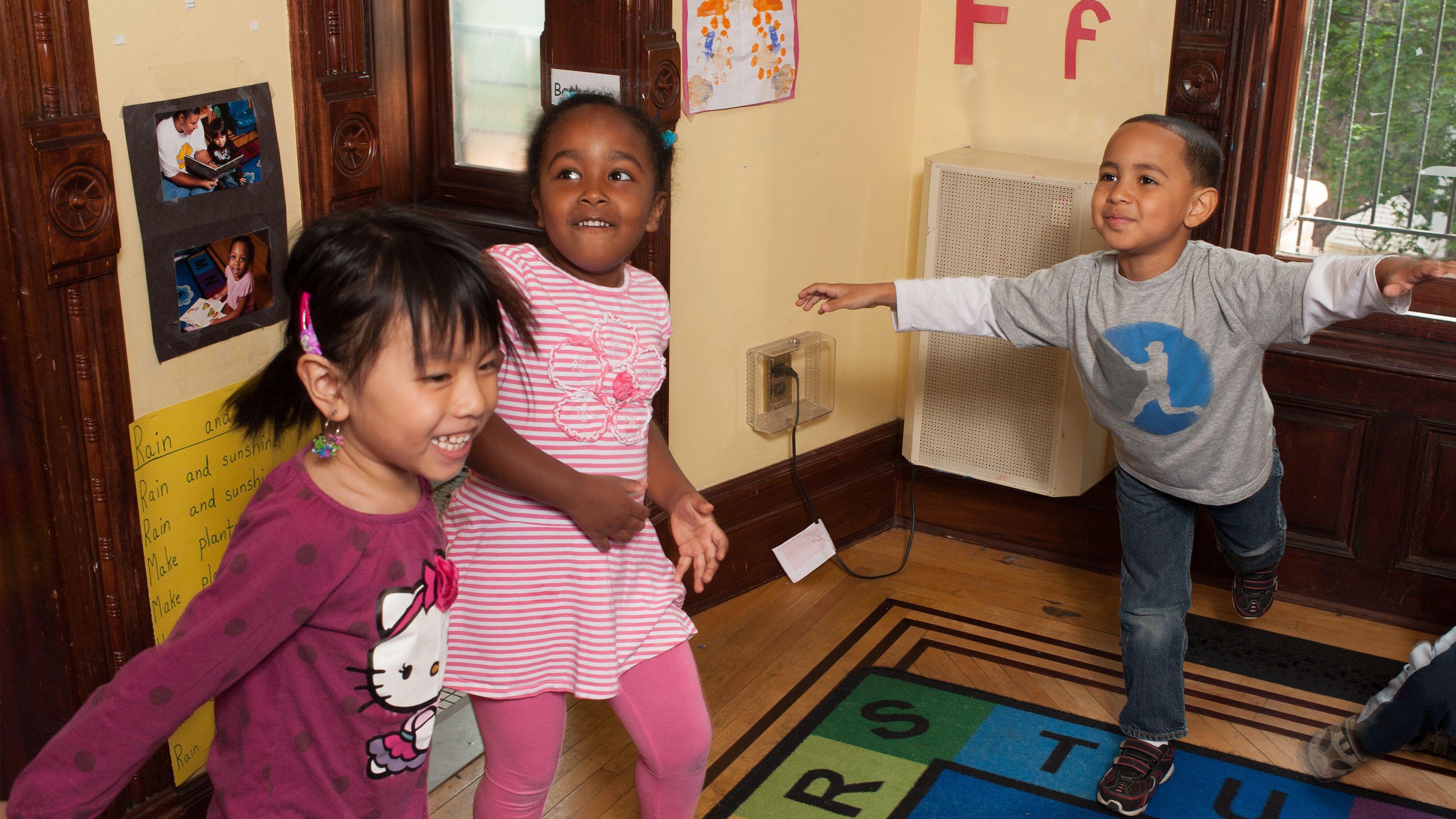
Young students can do many impressive things. They can memorize dinosaur names, turn a cardboard box into a spaceship, and locate a missing classroom sticker from three weeks ago. Sitting still and concentrating for long stretches, however, is usually not their greatest superpower.
That is where brain breaks for young students come in. These short, structured pauses interrupt demanding work with movement, breathing, sensory activities, imagination, or simple social games. A good brain break usually lasts only a few minutes, requires little preparation, and helps children return to learning with a clearer sense of what to do next.
Brain breaks are not wasted instructional time. Classroom physical activity can be added between lessons or incorporated into academic instruction, while brief calming activities can help students regulate their energy and shift attention. These breaks should supplementnot replacephysical education, recess, outdoor play, or other important opportunities for movement.
What Is a Brain Break?
A brain break is a brief change in activity designed to refresh attention. It may involve standing and stretching, following a rhythm, acting like an animal, practicing slow breathing, completing a sensory exercise, or playing a quick listening game.
Most classroom brain breaks take approximately one to five minutes. They can be teacher-led, student-selected, completed by the whole class, or offered to an individual child who needs a reset. The goal is not to create a tiny indoor carnival. The goal is to help students shift gears and become ready for the next learning task.
Why Young Students Need Regular Breaks
Early elementary students are still developing executive-function skills, including working memory, impulse control, flexible thinking, and the ability to sustain attention. These skills help children follow multistep directions, ignore distractions, switch between tasks, and remember why they opened their pencil box in the first place.
Children develop these abilities through guided practice, games, play, relationships, and predictable routines. Age-appropriate classrooms therefore balance focused activities with active movement and self-directed play instead of expecting young children to remain quietly attentive for adult-sized stretches of time.
Brain breaks may support on-task behavior
Short periods of physical activity can increase movement during the school day and may help students return to their seats more prepared to participate. Research and public-health guidance associate classroom movement with improvements in attention, classroom behavior, and engagement, although results naturally vary by activity, child, setting, and implementation.
They make transitions more manageable
Moving directly from a difficult writing assignment to a math lesson can feel abrupt to a six-year-old brain. A familiar two-minute reset creates a clear boundary between activities. When the routine is predictable, students learn that the break has a beginning, an ending, and a job: preparing them for what comes next.
They give children a healthy outlet for energy
Many young children need opportunities to move, especially after sitting, listening, testing, or working on a screen. Movement breaks may be particularly useful for students with ADHD or inconsistent alertness, but they should be presented as a normal classroom support rather than a punishment or a public label.
Calming breaks can support emotional regulation
Not every class needs more energy. Sometimes students return from recess sounding as though they have personally discovered electricity. Slow breathing, quiet stretching, mindful listening, or a short visualization may be more helpful than jumping jacks at those moments.
When Should Teachers Use Brain Breaks?
The best time for a brain break is often before the class completely loses focus. Teachers can watch for early signs such as increased fidgeting, repeated side conversations, slumped posture, rushed work, excessive pencil sharpening, or the mysterious spread of giggling for no identifiable reason.
Useful moments include:
- Between two academic subjects
- Before independent work
- After a long read-aloud or teacher explanation
- Following lunch, recess, assemblies, or screen-based activities
- Before a quiz or other stressful task
- Whenever students need help shifting from high energy to calm focus
There is no perfect universal schedule. Some classes benefit from planned breaks at consistent times, while others need a flexible approach. Teachers can begin with a short break after a demanding block of instruction and adjust the timing according to student behavior and the complexity of the lesson.
25 Easy Brain Breaks for Young Students
Energizing movement breaks
- Shake and Freeze: Students shake their hands, shoulders, feet, and whole bodies until the teacher says, “Freeze.” Repeat three times, making each round slightly slower.
- Animal Walks: Take five bear steps, five crab steps, five penguin waddles, and five very serious giraffe stretches.
- Cross-Crawl March: March while touching the right hand to the left knee and the left hand to the right knee.
- Invisible Jump Rope: Pretend to jump rope for 20 seconds, rest, and repeat. Offer marching as a low-impact alternative.
- Chair-Side Dance: Play or clap a short rhythm while students dance safely beside their seats.
Quiet and calming breaks
- Flower and Candle Breathing: Pretend to smell a flower slowly, then gently blow out a candle. Repeat three or four times.
- Five-Finger Breathing: Trace one hand with the other. Breathe in while tracing up each finger and out while tracing down.
- Sound Detective: Sit quietly for 30 seconds and count how many different sounds can be heard.
- Slow-Motion Stretch: Reach high, fold forward, roll the shoulders, and turn the head gently from side to side.
- Imaginary Snow Globe: Ask students to imagine that busy thoughts are snowflakes settling slowly to the bottom of a globe.
Listening and self-control games
- Simon Says: Keep the round brief and focus on movements that can be performed in each student’s personal space.
- Opposite Day: When the teacher says “up,” students point down. When the teacher says “fast,” they move slowly.
- Copy the Pattern: Clap, tap, snap, or pat a short pattern for students to repeat.
- Statue Challenge: Students move for ten seconds and then hold a safe pose as still as possible.
- Mirror Me: Partners take turns copying each other’s slow hand and arm movements without speaking.
Academic brain breaks
- Math Moves: Call out a simple problem. Students perform the answer as toe taps, claps, or seated knee lifts.
- Spell With Your Body: Use arms, hands, or whole-body poses to form letters from a vocabulary word.
- True-or-False Motion: Students stand for true and sit or remain seated for false.
- Story Stretch: Retell part of a story using movements for major characters, settings, or events.
- Vocabulary Charades: Students silently act out an age-appropriate word while classmates guess.
Creative and social breaks
- Ten-Second Doodle: Draw a tiny creature, unusual hat, or imaginary snack before returning to work.
- Pass the Smile: One student smiles at a classmate, who “passes” the smile to someone else.
- Weather Report: Students describe their current energy as sunny, cloudy, windy, stormy, or calm.
- Would You Rather: Students indicate one of two silly choices with a hand signal, pose, or designated side of the room.
- One-Word Story: Each child contributes one word to build a short class story. Stop before the plot develops seventeen dragons and no ending.
How to Make Brain Breaks Work
Choose the purpose before choosing the activity
Ask what students need. Are they tired, restless, anxious, overstimulated, socially disconnected, or struggling with a transition? A class that looks sleepy may need movement. A class returning noisily from lunch may need breathing and slow stretching.
Teach the routine when students are calm
Explain and practice how students will begin, participate safely, stop, and return to their seats. Clear routines reduce confusion and prevent the break itself from consuming more time than the lesson it was supposed to rescue. Consistent transition procedures are especially valuable because poorly managed transitions can contribute to disruption and lost instructional time.
Use a visible ending
A timer, musical cue, countdown, chime, or repeated phrase tells children that the break is almost over. A simple return routine might be: “Freeze, breathe, sit, begin.” Avoid ending with several minutes of repeated warnings, negotiations, and one final dance requested by popular vote.
Keep most breaks simple
Activities requiring special equipment, complicated rules, or a lengthy video search are less likely to become sustainable routines. The most useful brain breaks can often be explained in one sentence and completed beside a desk.
Let participation be flexible
Do not assume that every student benefits from the same sensory input. Offer seated and standing versions, quieter alternatives, and a designated observation option. Avoid forced touching, sudden loud sounds, mandatory eye closing, or public competition. Students with disabilities, sensory differences, ADHD, anxiety, or individualized education plans may need adaptations developed with families and school specialists.
Measure whether the break helped
After the activity, notice how quickly students restart, how many reminders they need, and whether the class appears calmer or more engaged. A favorite activity is not automatically an effective activity. If students require ten minutes to recover from a two-minute dance, move that dance to a different part of the day.
Common Brain Break Mistakes
- Waiting for complete chaos: Preventive breaks are usually easier than emergency recovery missions.
- Making every break highly energetic: Some students need lower stimulation, not more excitement.
- Allowing breaks to become too long: A brain break should refresh the lesson, not replace it.
- Using movement as a reward: All children benefit from reasonable opportunities to move.
- Taking away breaks as punishment: A student struggling with regulation may need the break most.
- Relying entirely on screens: Videos can be useful, but students also benefit from screen-free movement, imagination, and sensory resets.
- Ignoring physical safety: Activities should fit the room, student abilities, furniture arrangement, and available personal space.
Brain Breaks at Home
Parents and caregivers can use the same approach during homework, reading practice, chores, or remote learning. A child might complete ten minutes of focused work, take a two-minute movement break, and then begin the next small task.
Helpful home breaks include walking to another room, stretching, drinking water, tossing a soft ball, drawing, playing briefly with a pet, or listening to one song. Breaks should be short enough that returning to work still feels possible. Opening a fast-paced game “for two minutes” may result in a complex international negotiation when the timer rings.
Frequent breaks, smaller task sections, and predictable routines can reduce fatigue and frustration for students who have difficulty sustaining attention.
Experience-Based Examples: What Brain Breaks Look Like in Practice
The following are composite classroom scenarios based on common teaching situations rather than claims about one specific teacher or school.
Experience 1: The post-lunch energy explosion
A first-grade class returned from lunch full of stories, movement, and urgent news about whose apple slices had fallen on the floor. The teacher originally tried beginning reading instruction immediately. The result was predictable: students continued conversations, misplaced materials, and needed repeated reminders.
The teacher introduced a three-minute transition. Students marched in place, completed ten cross-crawl movements, and finished with three slow breaths. A timer and the same closing phrase were used each day. During the first week, students still needed coaching. By the second week, they began anticipating the routine and settled more quickly afterward.
The important lesson was not that cross-crawls possessed magical academic powers. The routine worked because it acknowledged the students’ energy, provided a structured outlet, and created a predictable bridge between lunch and reading.
Experience 2: When an exciting break became too exciting
A kindergarten teacher used freeze dance during the afternoon. The students loved itpossibly more than they loved anything previously offered by the education system. Unfortunately, stopping was difficult. Several children continued dancing, others requested different songs, and the class needed nearly eight minutes to return to quiet work.
Instead of abandoning brain breaks, the teacher changed the match between activity and need. Freeze dance moved to the morning, when students needed energizing. The afternoon break became slow animal stretches followed by sound detective. The calmer activity produced a smoother return to learning.
This experience illustrates why teachers should evaluate the result, not just the enthusiasm. Joy matters, but a break intended to improve focus should ultimately make the next task more manageable.
Experience 3: Giving one student a dignified choice
A second-grade student became restless during independent writing. Whole-class movement helped sometimes, but on other days the student needed a break before classmates did. Rather than waiting for disruptive behavior, the teacher created two quiet options: deliver a folder to a nearby table or complete five wall pushes in a designated area.
The student used a small visual card to request the break. The routine was brief, private, and consistent. Because it was framed as a learning support rather than a consequence, the student gradually became more comfortable recognizing the need for movement and returning independently.
The broader class also learned that fairness does not always mean everyone receives the identical support at the identical moment. Sometimes fairness means giving each learner an appropriate way to succeed.
Experience 4: Homework without the nightly showdown
At home, a young student regularly became frustrated halfway through a reading assignment. A caregiver had been encouraging the child to finish everything before leaving the table. Both people ended up tired, and the worksheet appeared to be the only participant enjoying the evening.
They changed the routine by dividing the assignment into two sections. After the first section, the child took a three-minute break to drink water, stretch, and walk to the window. The caregiver used a timer and placed the second section face down until it was time to begin.
The work did not instantly become effortless, but the predictable pause made the assignment feel smaller. The child stopped treating the break as an escape because returning was built into the routine. Over time, the family learned that a structured pause could protect both concentration and everyone’s sense of humor.
Conclusion
Effective brain breaks for young students are brief, purposeful, inclusive, and easy to repeat. They can wake up a tired class, calm an overstimulated group, support smoother transitions, and give children practice recognizing what their bodies and minds need.
The best brain break is not necessarily the loudest, newest, or most elaborate. It is the one that helps students return to learning safely and successfully. Start with two or three dependable activities, teach the routines clearly, observe the results, and adjust. Sometimes better focus begins with something surprisingly simple: stand up, stretch, breathe, smile, and try again.
Note: Brain breaks are supplemental classroom supports. They should not be used as substitutes for recess, physical education, outdoor play, individualized accommodations, or professional medical and educational guidance. This article synthesizes guidance and educational information from the CDC, American Academy of Pediatrics, NAEYC, Harvard Center on the Developing Child, NEA, SHAPE America, Child Mind Institute, CHADD, Reading Rockets, IRIS Center at Vanderbilt University, Understood, and Edutopia.