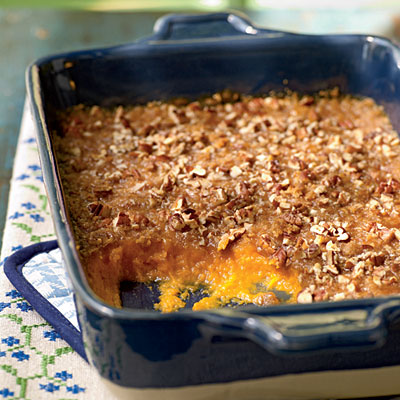
Sweet potatoes have two modes: “wow, this tastes like dessert” and “why is this orange brick judging me?”
The difference isn’t luck. It’s a handful of small, very doable choiceshow you shop, how you store, how you cut,
and (most importantly) how you cook them so their natural sugars actually get a chance to show up to the party.
This guide is your no-fuss, flavor-max plan for making the best sweet potatoes evercrispy edges, creamy centers,
and that deep caramel sweetness that makes people ask, “Did you add sugar?” (You didn’t. You’re just clever.)
What “best sweet potatoes” really means (and how to get it every time)
The best sweet potatoes hit three things at once:
- Sweetness that tastes natural, not syrupy (think toasted marshmallow vibes, not candy corn).
- Texture that makes sensefluffy/creamy inside, not watery or grainy.
- Browningthose caramelized edges and a savory, salty balance so it tastes like food, not baby puree.
Sweet potatoes are loaded with starch. Your job is to help that starch convert into sweeter-tasting sugars,
then give the outside enough heat to brown. Translation: you want time and temperature to work together,
not fight each other.
Start strong: how to choose, store, and prep sweet potatoes
Pick the right sweet potato (size matterssorry, potatoes)
Look for sweet potatoes that are firm, smooth, and heavy for their size. Skip any with soft spots,
deep wrinkles, oozing, or big cuts. If you’re baking them whole, aim for potatoes that are roughly the same size
so they finish at the same timenobody wants one potato ready and another still auditioning for a rock role.
Don’t refrigerate raw sweet potatoes
Sweet potatoes hate the cold. Storing them too cold can cause “chilling injury,” which can lead to weird texture
and off flavors after cooking. Store them in a cool, dark, well-ventilated spot instead.
(A pantry is great; the produce drawer is a betrayal.)
Quick myth-buster: “yams” in U.S. stores are usually sweet potatoes
In the United States, what’s labeled “yam” in many grocery stores is typically a softer, orange-fleshed sweet potato.
True yams are a different plant entirely and are less common in typical supermarkets.
Wash well, then dry like you mean it
Scrub under cool running water (a veggie brush helps), then dry thoroughly. Water on the surface fights browning.
Browning is your friend. (Water is fine too, but right now it’s being difficult.)
The Big Three: best ways to cook sweet potatoes
If you learn these three approaches, you can make sweet potatoes that fit any mood: cozy, crispy, or creamy.
Method 1: Whole baked sweet potatoes with crackly skin and fluffy insides
This is the classic for a reason: it’s simple, wildly satisfying, and basically a built-in bowl for toppings.
The key is to bake them so the inside turns creamy and sweetwithout burning the bottom or steaming in foil.
The reliable weeknight bake (easy and excellent)
- Heat oven to 425°F.
- Scrub and dry potatoes. Poke each potato 6–10 times with a fork.
- Rub lightly with oil, then sprinkle with salt. (Yes, salt. It makes the sweetness pop.)
- Place on a wire rack set in a rimmed baking sheet, or directly on the oven rack with a sheet pan below for drips.
- Bake 40–60 minutes, depending on size, until a knife slides in easily and the potato feels soft all the way through.
Pro texture note: Wrapping in foil gives you softer skin (more steamed). Baking unwrapped gives you
better browning and a more satisfying skin. If you’re Team Soft Skin, foil is allowedthis is a safe space.
The “make it sweeter” trick (the science-y but practical upgrade)
Sweet potatoes get noticeably sweeter when they spend more time in a warm zone where natural enzymes can break down
starch into maltose (a sweet-tasting sugar). You don’t need lab equipment; you just need a gentler first stage.
- Start at 325°F for 60–75 minutes (time depends on size).
- Then bump the oven to 425°F for 10–15 minutes to deepen browning and crisp the skin.
Result: deeper sweetness, less “starchy,” and the kind of aroma that makes neighbors “randomly” show up to borrow sugar.
The optional freezer hack (weird… but wildly good)
If you want a fluffy, extra-sweet interior, try freezing whole raw sweet potatoes, then roasting them.
Freezing changes the cell structure and can improve that soft, creamy texture after baking.
It’s not necessarybut it’s fun, and the payoff is real.
Method 2: Roasted sweet potato chunks with caramelized edges
This is where sweet potatoes go from “side dish” to “I ate half the pan standing over the stove.”
You’re chasing browning, so spacing and heat matter.
The best everyday roast (crispy edges, creamy centers)
- Heat oven to 450°F (or 425°F if your oven runs hot).
- Cut sweet potatoes into large chunks (about 1 to 1½ inches). Smaller pieces dry out fast.
- Toss with oil, salt, and pepper. Add spices if you want (ideas below).
- Spread on a sheet pan in a single layer with space. Crowding = steaming = sadness.
- Roast 30–40 minutes, tossing once or twice, until browned and tender.
Flavor ideas that don’t taste like “Pinterest panic”
- Smoky-salty: smoked paprika + garlic powder + flaky salt
- Warm-spice: cinnamon + cumin (yes, together) + black pepper
- Herby: rosemary + thyme + lemon zest
- Sweet-heat: chili powder + a drizzle of honey or maple after roasting
Want them even sweeter? Try the “enzyme window” roast
For next-level sweetness without dumping sugar on top, you can gently par-cook sweet potato chunks in warm water
(not boiling) before roasting. This encourages more starch-to-sugar conversion, then the oven does the browning.
- Cut into chunks.
- Hold them in water around 160°F for 15–30 minutes (a thermometer helps).
- Drain well, toss with oil + salt, then roast at 400–425°F until browned and tender.
This method is a little extrabut it tastes like you know a secret. (You do.)
Method 3: Creamy mashed sweet potatoes that aren’t watery or gluey
If your mashed sweet potatoes sometimes taste like sweet orange soup, it’s usually because they absorbed water.
The fix: bake the potatoes whole first, then mash the flesh. You get concentrated flavor and better texture.
Best mashed sweet potatoes (bake-first method)
- Bake whole sweet potatoes at 400–425°F until very soft.
- Split and scoop out the flesh into a bowl.
- Mash with butter (or olive oil), salt, and a splash of milk or Greek yogurt.
- Add flavor: cinnamon + vanilla for sweet, or garlic + scallions + smoked paprika for savory.
If you want them silky, use a hand mixer briefly. If you want them rustic, mash with a fork and call it “artisanal.”
How to build a “Best Sweet Potato Ever” topping bar
A baked sweet potato is basically edible self-care. Here are topping combos that actually taste balanced:
Savory dinner vibes
- Chili-lime: black beans + salsa + lime + cilantro + a little sour cream
- Greek-ish: feta + cucumber + olive oil + oregano + lemon
- BBQ: pulled chicken (or jackfruit) + pickled onions + slaw
Breakfast-friendly
- Protein & crunch: Greek yogurt + peanut butter + granola
- Egg situation: fried egg + hot sauce + avocado + salt
Sweet (but not toothache sweet)
- Classic: butter + cinnamon + pinch of salt
- Better-than-dessert: tahini + honey + toasted sesame seeds
Common mistakes that ruin sweet potatoes (and how to avoid them)
- Cooking too fast at very high heat: you can miss out on maximum sweetness development. Try a gentler first stage for whole potatoes.
- Foil-wrapping when you want crispy skin: foil traps steam; bake unwrapped for better skin texture.
- Crowding the pan: roasted chunks need airflow to brown. Use two pans if needed.
- Cutting pieces too small: tiny cubes dry out before they caramelize properly.
- Skipping salt: sweet + salty is the whole point. Salt brings the flavor into focus.
- Storing raw sweet potatoes in the fridge: cold temps can mess with texture and taste later.
Quick cheat sheet: times, temps, and “done-ness”
- Whole baked (fast & great): 425°F for 40–60 min
- Whole baked (sweeter): 325°F for 60–75 min, then 425°F for 10–15 min
- Roasted chunks: 425–450°F for 30–40 min (large chunks, single layer)
- Mashed (best texture): bake whole first, then mash
“Done” means: a thin knife slides in easily with no resistance, and the center feels softnot slightly firm.
If it’s not fully tender, it will taste starchy. Give it time.
Wrap-up: your new sweet potato standard
The best sweet potatoes aren’t about complicated recipes. They’re about letting the potato do what it naturally wants to do:
get sweeter as it cooks, then brown and caramelize when it hits real heat. Use the right method for your goal,
season confidently, and don’t be afraid to treat a sweet potato like the main characterbecause it absolutely can be.
Real-life sweet potato experiences (the stuff that makes you keep buying them)
Sweet potatoes are one of those foods that quietly upgrade your life without announcing it. You bring a bag home thinking,
“I’ll make a side dish,” and suddenly you’ve got a week of meals that feel intentionaleven if you’re mostly operating on
caffeine and good intentions.
There’s the classic “I forgot to plan dinner” moment. You open the pantry, see sweet potatoes, and realize they’re basically
edible problem-solvers. Bake a couple while you answer emails or scroll “just for five minutes,” then split them open and
pile on whatever you’ve got: leftover chicken, a can of beans, a handful of greens that are one day away from becoming compost.
Somehow it turns into a meal that feels like you tried.
Then there’s the texture win. People who claim they “don’t like sweet potatoes” often mean they don’t like undercooked,
starchy sweet potatoes. The first time someone eats a properly baked onesoft all the way through, naturally sweet, with
that slightly caramel aromayou can watch the skepticism melt. It’s the culinary version of a plot twist: the same ingredient,
totally different experience.
Sweet potatoes also show up for you in the meal-prep era of life (whether you’re into it or just pretending). Roast a sheet pan
of big chunks with salt and olive oil, and you’ve got instant upgrades for salads, grain bowls, tacos, or a “snack” that is
suspiciously close to dinner. They reheat well, they don’t get weird and rubbery, and they’re forgiving if you forgot them
in the oven for an extra five minutes because a group chat exploded.
And let’s talk toppingsthe part where sweet potatoes become a choose-your-own-adventure novel. Savory fans go for hot sauce,
scallions, and a swipe of yogurt or sour cream. Sweet fans do butter, cinnamon, and a tiny pinch of salt (the pinch is the
difference between “nice” and “whoa”). If you’ve got kids or picky eaters around, sweet potatoes are often the rare vegetable-ish
thing that doesn’t require negotiations. Cut them into wedges, roast them until browned, and suddenly they’re “fries,” which is
a marketing term with magical powers.
The best part is how sweet potatoes sneak into your traditions. They show up at holiday tables, of course, but they also become
personal rituals: the cozy bowl on a cold night, the “healthy-ish” comfort food after a long day, the dependable side when you’re
cooking for friends and don’t want surprises. Once you nail the cooking method that gives you that creamy center and caramelized
edges, you stop asking if sweet potatoes are worth it. You start asking how many you should bake… just in case.