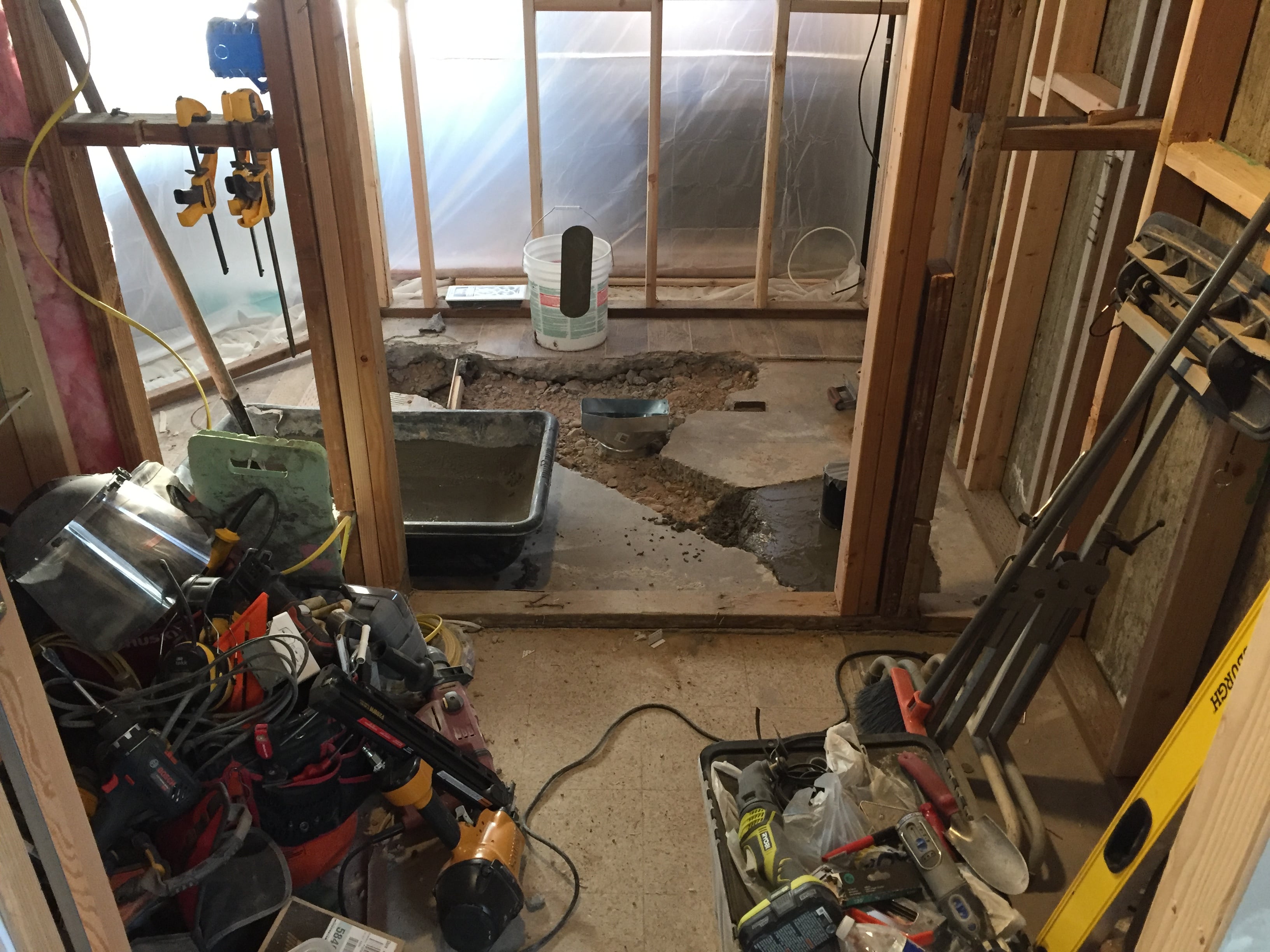
Every home has a mysterious zone where forgotten exercise equipment, holiday bins, mystery cords, and one suspicious box labeled “misc.” go to live their second lives. For many people, that place is the basement. It is part storage room, part laundry headquarters, part emergency supply zone, part “I’ll deal with that next weekend” museum. The problem is that next weekend often arrives wearing a fake mustache and pretends it was never invited.
Basement stuff may sound like a casual topic, but smart basement organization can protect your belongings, improve indoor air quality, reduce moisture problems, prevent clutter, and even make your home feel bigger. A well-planned basement is not just a place to shove things when guests are coming over. It can be a tidy storage hub, a hobby room, a home gym, a workshop, a pantry overflow area, or a finished living space that does not smell like an old towel with regrets.
This guide walks through practical basement storage ideas, what not to store in a basement, how to control moisture, how to organize basement clutter, and how to turn your lower level into a space that actually works. No judgment if your basement currently looks like a yard sale had a panic attack. We are here to fix it.
Why Basement Stuff Gets Out of Control So Fast
Basements attract clutter because they are usually out of sight. The main floor has social pressure. The kitchen gets cleaned because people see it. The living room gets vacuumed because guests might sit there. The basement, however, is where clutter whispers, “Nobody will know.”
Another reason basement clutter grows is that the space often has no clear purpose. If one corner stores tools, another holds laundry supplies, another holds old toys, and another contains a box of cables from 2009, the basement becomes a storage swamp. Without zones, every item becomes homeless, and homeless items reproduce quickly.
The third issue is moisture. Basements are naturally more vulnerable to dampness because they sit partly or fully below ground. Even a clean basement can develop musty odors, condensation, mold, or water damage if humidity is ignored. That means basement organization is not just about pretty bins. It is about protecting your stuff from water, pests, rust, mildew, and the slow emotional collapse of cardboard boxes.
Start With the Basement Rule: Dry Before Pretty
Before buying shelves, baskets, labels, or a gorgeous storage system that costs more than your first car, check the basement for moisture. A basement should be dry, ventilated, and safe before it becomes an organized storage area.
Look for warning signs
Walk through the basement and look for water stains, peeling paint, musty smells, damp flooring, condensation on pipes, efflorescence on concrete walls, rust on metal items, or soft spots around baseboards. These clues may point to excess moisture, leaks, poor drainage, or ventilation problems.
Small problems can become expensive if ignored. A tiny leak near a wall can turn a box of family photos into modern art nobody asked for. If you see standing water, repeated seepage, or mold covering a large area, bring in a qualified professional. DIY confidence is great; pretending to be a waterproofing engineer because you watched one video is less great.
Control humidity
Many basements benefit from a dehumidifier, especially in humid climates or during warm months. A hygrometer is a simple tool that measures relative humidity, and it helps you know whether the basement is actually dry or just “feels fine if you don’t breathe deeply.”
For a damp basement, choose a dehumidifier sized for the room and the severity of moisture. ENERGY STAR guidance separates dampness levels by relative humidity and room conditions, which is useful when deciding whether a smaller unit is enough or a larger-capacity model is needed. If the basement regularly smells musty or shows damp spots, you probably need more than wishful thinking and one open window.
Fix water sources first
Do not organize around a leak. Fix it. Common solutions include cleaning gutters, extending downspouts away from the foundation, improving grading around the house, sealing small cracks, insulating cold pipes, using a sump pump where appropriate, and keeping floor drains clear. If heavy rain repeatedly sends water into the basement, the issue may involve exterior drainage, foundation waterproofing, or a sump system.
What You Should Store in the Basement
The best basement stuff is durable, not emotionally irreplaceable, and not easily damaged by small temperature or humidity changes. Think practical, seasonal, and replaceable.
Good basement storage candidates
Holiday decorations are usually perfect for basement storage, as long as they are kept in sealed plastic bins. Artificial trees, wreaths, outdoor lights, Halloween decorations, and seasonal tableware can all live happily downstairs. Sports gear can also work well, especially items used only part of the year, such as camping supplies, coolers, sleds, folding chairs, and beach umbrellas.
Tools, home repair supplies, paint rollers, extension cords, and gardening equipment may also belong in the basement if they are stored safely and away from moisture. Extra paper towels, cleaning supplies, and bulk household goods can be stored downstairs if they are sealed, elevated, and protected from pests.
Basements are also useful for hobby zones. Craft supplies, gift wrap, sewing materials, board games, and seasonal party items can be organized in clear bins, drawers, or cabinets. The key is to avoid turning the hobby zone into a craft avalanche with glitter.
What Not to Store in the Basement
Some items should not be stored in a basement unless the space is fully dry, climate-controlled, and protected from flooding. Even then, think carefully. Basements are not ideal for anything rare, delicate, expensive, or emotionally priceless.
Photos, documents, and keepsakes
Old photos, birth certificates, family letters, tax documents, artwork, and scrapbooks can be damaged by moisture. Paper absorbs humidity, grows musty, curls, stains, and can attract pests. Store important documents in a dry interior closet, a fire-resistant file box, or a climate-controlled space.
Wood furniture and antiques
Wood can swell, crack, warp, or develop mildew in damp environments. Antique chairs, wooden tables, heirloom dressers, and musical instruments should not be abandoned in a basement corner unless you are trying to create a very expensive science experiment.
Clothing, fabric, and bedding
Fabric can absorb odors and moisture, especially in cardboard boxes or loose bags. If you must store off-season clothing downstairs, use airtight plastic bins, add labels, and keep everything off the floor. Avoid storing wedding dresses, quilts, leather goods, wool, and sentimental textiles in a basement unless conditions are carefully controlled.
Electronics
Old laptops, speakers, gaming systems, televisions, and audio equipment do not enjoy dampness. Moisture can corrode internal components and make electronics unsafe or unusable. If the item still matters, keep it upstairs. If it does not matter, recycle it responsibly and enjoy the sudden emotional freedom.
Flammable liquids and hazardous materials
Gasoline, certain solvents, and other flammable liquids should not be casually stored in a basement. Fire-safety guidance warns against storing combustible materials in mechanical rooms and other risky areas. Keep hazardous products in approved containers, follow product labels, and check local rules. When in doubt, do not store dangerous chemicals near furnaces, water heaters, electrical panels, or anything that can create heat or sparks.
The Best Basement Storage System: Zones, Shelves, and Labels
A clean basement is not created by buying 47 bins and hoping the bins develop leadership skills. You need a system.
Create zones
Divide the basement by purpose. Common zones include holiday decorations, tools, sports gear, household supplies, keepsakes, laundry, pantry overflow, hobbies, donations, and emergency supplies. Once each category has a home, it becomes easier to put things away and easier to find them later.
For example, keep all winter holiday items in one area, all camping gear in another, and all tools near the workbench. Do not put one Christmas wreath in the laundry area, two ornaments near the furnace, and the tree stand behind a treadmill from 2014. That is not storage. That is a scavenger hunt.
Use shelves, not floor piles
Basement storage should get items off the floor. Shelving protects belongings from small leaks, makes cleaning easier, improves airflow, and helps prevent the classic basement problem known as “I stepped on a mystery lid and now I’m angry.”
Metal or heavy-duty plastic shelves are often better than untreated wood in damp basements. Adjustable shelving is especially useful because your storage needs will change. Keep heavy items low, light items high, and frequently used items at eye level. Rarely used items can go on upper shelves, but do not store a 70-pound bin of tools above your head unless you enjoy living dangerously.
Choose clear, waterproof bins
Cardboard boxes are cheap, but basements treat them like snacks. Cardboard absorbs moisture, collapses, attracts pests, and turns into sadness with handles. Clear plastic bins with tight-fitting lids are better for most basement storage. They protect against dust and moisture, let you see what is inside, and stack more safely.
For extra protection, choose gasket-sealed bins for items that matter. Use smaller bins for heavy categories like books, tools, and canned goods. A giant bin full of books may seem efficient until you need a chiropractor and a motivational speech to move it.
Label everything
A label is a tiny gift to your future self. Use large, readable labels on the front and side of each bin. Instead of writing “Christmas,” write “Christmas lights,” “Christmas ornaments,” or “Christmas mantel decor.” Specific labels prevent you from opening six bins just to find one extension cord.
For larger collections, consider a simple inventory list. You can use a spreadsheet, a notes app, or QR-code labels if you like techy solutions. Even a handwritten list taped inside a cabinet door can save time.
Basement Layout Ideas That Actually Work
Once the basement is dry and zoned, think about layout. A good basement layout should support movement, safety, and easy access. You should not need to crawl behind a broken chair to reach the air filter.
Keep pathways clear
Maintain clear walkways to the electrical panel, furnace, water heater, sump pump, shutoff valves, laundry machines, and exits. These areas should never be blocked by boxes, furniture, or storage racks. In an emergency, nobody wants to move a plastic skeleton, three coolers, and a box of tax returns to reach the breaker panel.
Use vertical wall storage
Wall-mounted hooks, pegboards, rails, and utility racks are excellent for brooms, ladders, tools, bikes, folding chairs, and sports equipment. Vertical storage frees floor space and makes the basement feel less crowded.
Add cabinets for visual calm
If your basement is finished or partly finished, cabinets can hide visual clutter. Repurposed kitchen cabinets, laundry cabinets, or utility cupboards work well for cleaning supplies, craft materials, pet supplies, and small tools. Closed storage is especially useful if the basement doubles as a family room or guest space.
Basement Safety: The Boring Part That Saves Money
Basement organization is not only about appearance. Safety matters. A basement often contains appliances, electrical systems, plumbing, and mechanical equipment. Treat it with respect.
Protect against flooding
If your basement has a sump pump, test it regularly and keep the pit clear. Consider a battery backup if your area loses power during storms. Store valuables on shelves, not on the floor, and avoid placing irreplaceable items in areas that have flooded before.
Store chemicals carefully
Cleaning products, paint, lawn chemicals, automotive supplies, and solvents should be stored according to their labels. Keep them away from children, pets, heat sources, and ignition sources. Do not mix products in random containers. A pickle jar is not a chemical storage strategy.
Improve lighting
Basements often have dark corners where clutter hides and spiders hold meetings. Add bright lighting to storage zones, stairways, laundry areas, and workspaces. Motion-sensor lights, LED shop lights, and under-shelf lighting can make the space safer and easier to use.
How to Declutter Basement Stuff Without Losing Your Mind
Decluttering a basement can feel overwhelming because basements contain delayed decisions. Every box asks a question: Do I need this? Do I love this? Why do I own four lamp shades and no lamp?
Use the four-pile method
Sort items into four groups: keep, donate, recycle, and trash. Add a fifth group for “belongs somewhere else” if your basement has collected kitchen gadgets, bathroom supplies, or random items that wandered downstairs without permission.
Work in sections
Do not try to declutter the entire basement in one heroic Saturday unless you enjoy burnout. Start with one shelf, one corner, one category, or one zone. Progress beats drama. Finish one section before opening another.
Set rules for sentimental items
Sentimental clutter is the hardest because it comes with feelings. Keep the best, not the most. Save the five most meaningful school projects, not every worksheet from third grade. Keep the family photos, but move them to safer storage. Let go of broken items that only survive because guilt has excellent glue.
Smart Basement Ideas Beyond Storage
A basement can be more than a storage cave. Depending on ceiling height, moisture control, code requirements, and budget, it can become a valuable bonus space.
Home gym
A basement gym works well because heavy equipment stays out of main living areas. Use rubber flooring, good ventilation, mirrors, and wall storage for bands, mats, and weights. Keep a towel rack and disinfecting wipes nearby so the space does not smell like a locker room made a poor life choice.
Family room or game room
Finished basements are great for movie nights, board games, gaming setups, and casual hangouts. Choose durable flooring, layered lighting, washable rugs, and storage furniture. Ottomans with hidden storage can hide blankets, controllers, and the remote control that somehow becomes invisible every Friday.
Workshop or hobby room
A basement workshop should include sturdy work surfaces, tool storage, task lighting, dust control, and safe electrical access. If you use paints, adhesives, or chemicals, ventilation matters. Keep hobbies organized by category so creativity does not become clutter wearing a cute apron.
Seasonal Basement Maintenance Checklist
A basement organization system only works if it is maintained. Plan a quick seasonal reset four times a year.
Spring
Check for water after heavy rain, inspect sump pumps, clean floor drains, look for musty smells, and move winter gear into storage. Review holiday bins and donate decorations you did not use.
Summer
Monitor humidity, run the dehumidifier as needed, check for pests, and keep stored fabrics sealed. Summer is also a good time to improve ventilation and clean storage shelves.
Fall
Bring seasonal items forward, check emergency supplies, organize tools, and clear access to heating equipment before cold weather. Label any new bins before they become anonymous basement citizens.
Winter
Watch for condensation, inspect pipes, keep walkways clear, and avoid stacking items near heat sources. Use winter downtime to sort one category at a time.
Real-Life Basement Stuff Experiences: Lessons From the Land of Mystery Boxes
Most people do not wake up one morning and decide to create a chaotic basement. It happens slowly. One box after moving day. One broken chair you plan to fix. One storage tote full of “important cables,” none of which fit any device currently in the house. Before long, the basement becomes a physical version of an email inbox with 9,000 unread messages.
One of the most useful basement lessons is that every item needs a reason to stay. Not a vague reason. A real one. “I might need this someday” is how basements become retirement homes for cracked flowerpots and outdated printers. A better question is: “Would I buy this again today?” If the answer is no, and it has no sentimental or practical value, it is probably just renting space in your house without paying.
Another experience many homeowners share is the shock of discovering how badly cardboard performs in a basement. Cardboard looks innocent. It stacks nicely for about five minutes. Then humidity arrives, and suddenly the bottom box is soft, the labels are unreadable, and the contents smell like a wet library. Switching from cardboard to clear plastic bins may not sound glamorous, but it can completely change how the basement functions. It makes the space cleaner, safer, and easier to manage.
Labels are another small habit that creates huge relief. A basement without labels forces you to rely on memory, and memory is not a filing system. You may think you will remember where the camping lanterns are. You will not. You will open the bin labeled “summer,” find Easter baskets, open the bin labeled “garage,” find old curtains, and question every decision that brought you to this moment. Clear labels solve this tiny domestic tragedy.
Moisture control is also one of those things people tend to appreciate only after something goes wrong. A dehumidifier, good drainage, raised shelves, and regular checks can prevent damage before it becomes expensive. Many homeowners learn this after finding mildew on stored clothes or rust on tools. The basement teaches a simple truth: air matters. Dry air is not exciting, but neither is discovering that your favorite winter coat now smells like a haunted canoe.
The best basement systems are realistic. They do not require perfection. They require zones, containers, shelves, labels, and a little honesty. Keep frequently used items easy to reach. Store seasonal items higher or farther back. Keep heavy bins low. Make a donation area so unwanted items can leave instead of forming a support group near the stairs.
Finally, a basement should serve your life now, not a version of your life from 12 years ago. If you no longer camp, do not keep three tents. If the kids outgrew the toys, donate the good ones. If the treadmill is only used to hold wrapping paper, either create a wrapping station or admit the treadmill has changed careers. The goal is not to create a showroom basement. The goal is to create a basement that works, stays dry, keeps your belongings safe, and does not make you whisper “oh no” every time you turn on the light.
Conclusion
Basement stuff does not have to mean basement chaos. With moisture control, smart shelving, sealed bins, clear labels, safe storage habits, and practical zones, your basement can become one of the most useful spaces in the house. Start by making it dry. Then make it safe. Then make it organized. Beauty can come later, preferably after the mystery box from 2011 has been opened, judged fairly, and either kept with purpose or released into the donation universe.
A better basement is not about perfection. It is about access, protection, and peace of mind. When every item has a home, the basement stops being a dumping ground and starts acting like a hardworking extension of your living space. And honestly, that is a pretty impressive glow-up for a room that used to smell like cardboard and forgotten ambition.