Most patients meet a surgeon, an oncologist, a nurse, a radiologist, and possibly a billing department so mysterious it deserves its own Netflix documentary. But the pathologistthe physician who may have made the diagnosis that changed everythingoften remains behind the curtain. Patients may read the words “invasive,” “grade,” “margin,” “lymph node,” or “molecular testing” in a portal at 9:47 p.m., then immediately do what modern humans do best: panic-search the internet.
A community-based program that brings patients and pathologists together is designed to fix that awkward gap. It gives patients a chance to understand what their pathology report means, why it matters, and how the diagnosis connects to treatment decisions. More importantly, it humanizes a field of medicine that is often seen as “the lab,” when in reality it is filled with physicians who read tissue, cells, blood, and molecular clues like detectives with microscopes.
This patient-centered approach has gained attention through models such as pathology explanation clinics, pathologist-led screening initiatives, cancer center education programs, and community outreach events. The idea is simple but powerful: when patients understand the science behind their diagnosis, they can ask better questions, feel less lost, and participate more confidently in their care.
Why Patients Rarely Meet Pathologists
Pathologists are medical doctors trained to diagnose disease by examining tissue, cells, blood, and laboratory data. In cancer care, their work can determine the cancer type, grade, margin status, lymph node involvement, and sometimes the molecular markers that help guide targeted therapy or immunotherapy. In other words, the pathologist often provides the “name tag” for the disease. Without that name tag, the rest of the care team is trying to plan a road trip without a map.
Yet most patients never meet the pathologist involved in their case. The traditional workflow keeps pathologists in communication with surgeons, oncologists, primary care physicians, and other clinicians. The patient usually receives the explanation secondhand from the treating doctor. That system can work well, especially when clinicians have time to review the report carefully. But it can also leave patients with questions that only the diagnostic expert can answer clearly.
The issue has become more noticeable because many patients now receive test results and pathology reports through online portals very quickly. Fast access is a good thing. Nobody wants important health information locked in a digital dungeon. But immediate access can create a strange experience: patients may see complex medical language before a doctor has explained it. A pathology report is not written like a friendly recipe blog. It is a formal medical document packed with precise terms, abbreviations, and diagnostic details.
What a Patient-Pathologist Program Actually Does
A community-based patient-pathologist program creates a structured way for patients to meet with a pathologist, either in person or virtually. The visit may include a plain-English review of the pathology report, an explanation of tissue slides, discussion of how the diagnosis was made, and guidance on which questions the patient should bring back to the treating team.
This is not meant to replace the oncologist, surgeon, dermatologist, gastroenterologist, or primary care physician. Instead, it adds another layer of understanding. Think of it as adding subtitles to a complicated movie. The story was already there, but now the patient can follow the plot without guessing what the villain’s Latin name means.
Common goals of the program include:
- Helping patients understand pathology report terminology
- Explaining how tissue or cell samples are examined
- Reducing confusion after patients receive results in an online portal
- Supporting shared decision-making with the clinical care team
- Building trust between communities and medical institutions
- Improving health literacy around cancer diagnosis and laboratory medicine
For example, a patient newly diagnosed with breast cancer may want to understand what “ductal carcinoma,” “hormone receptor positive,” “HER2,” or “clear margins” means. A patient with prostate cancer may want to know how a Gleason score is determined. A patient with a skin biopsy may wonder why one mole was harmless and another needed wider removal. These are exactly the kinds of questions where a pathologist can provide context.
Why Community-Based Matters
The phrase “community-based” is not just decorative. It means the program is designed around real people, local barriers, and practical access. Health care often assumes that patients can take time off work, travel to a major hospital, understand medical English, navigate insurance, and calmly decode complicated lab results. That assumption is, to use the scientific term, wildly optimistic.
Community-based programs can meet patients closer to where they live. They may partner with hospitals, cancer centers, local clinics, faith organizations, libraries, advocacy groups, and community health workers. Some programs include interpreters, culturally appropriate education, free or low-cost screening, and same-day or prompt results. This is especially important for underserved communities where transportation, language, cost, and mistrust of the health system can delay care.
Pathologist-led outreach programs such as free cancer screening events show how diagnostic medicine can move beyond the laboratory and into the community. When patients receive screening, education, results, and follow-up guidance in a supportive environment, pathology becomes more visible and more useful. The microscope still matters, but so does the conversation after the microscope.
The Pathology Report: A Powerful Document That Needs Translation
A pathology report may include identifying information, clinical history, specimen details, gross description, microscopic description, final diagnosis, margin status, lymph node findings, tumor grade, staging information, and comments about additional tests. That is a lot of information for a person who may already be stressed, tired, and emotionally overloaded.
The final diagnosis is usually the most important section, but other parts can strongly influence treatment. Margin status may help determine whether more surgery is needed. Lymph node findings may affect staging. Molecular results may influence whether a patient is eligible for certain therapies. Tumor grade can help describe how abnormal the cancer cells look and how aggressively they may behave.
Without explanation, these details can feel like a foreign language written in tiny font. With explanation, they can become useful knowledge. A patient may not need to become a mini-pathologist overnight, but understanding the basics can make medical appointments more productive.
How Pathologists Add Value to Patient Care
Pathologists are often called “the doctor’s doctor” because clinicians depend on their diagnostic interpretation. But in a patient-centered system, they can also become a direct educational resource for patients. That role is especially valuable when the diagnosis is complex, rare, emotionally sensitive, or tied to major treatment choices.
Direct patient-pathologist conversations can help patients understand how confident the diagnosis is, what additional testing may be pending, and why certain terms appear in the report. For instance, a pathologist can explain that “pending immunohistochemistry” means special stains are being used to gather more information, not that someone forgot to finish the homework. They can clarify that a “comment” section may contain important context rather than casual medical gossip.
Pathologists can also help patients understand the limits of the report. A pathology report can describe what was found in the sample, but it does not always answer every question about prognosis or treatment. Those broader decisions belong to the full care team. A good program makes this boundary clear so that patients receive useful education without mixed messages.
Benefits for Patients
1. Less confusion and fewer late-night internet spirals
When patients receive medical results without explanation, they often search online. Sometimes they find reliable information. Sometimes they find a message board from 2009, a miracle cure involving celery, and an ad that says “Doctors hate this one weird trick.” A pathologist-led explanation gives patients a safer place to start.
2. Better questions for the care team
Patients who understand their diagnosis can ask more focused questions. Instead of asking, “Is this bad?” they may ask, “How does the margin status affect my next step?” or “Are we waiting on molecular testing before choosing treatment?” Better questions can lead to better conversations.
3. More confidence in the diagnosis
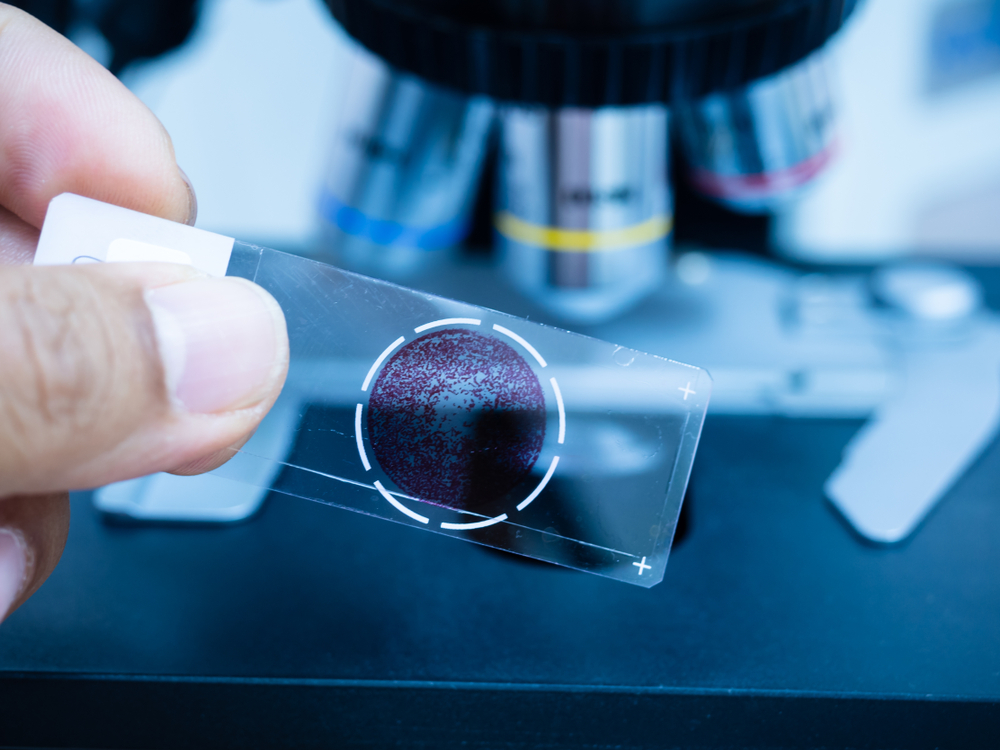
Seeing how a diagnosis is made can be reassuring. Some patients may even view images of their tissue slides while the pathologist explains what the cells show. This can transform an abstract report into something understandable and real.
4. Stronger trust
Many patients do not know that a physician specialist examined their sample. Meeting that specialist can make the medical process feel less anonymous. Trust grows when people can ask questions and receive clear answers from the expert behind the report.
Benefits for Pathologists and Clinicians
Patients are not the only ones who benefit. Pathologists gain a clearer sense of how their work affects real people. That can be meaningful in a specialty where much of the work happens behind the scenes. Clinicians may also benefit because patients arrive at appointments with a stronger understanding of the diagnostic foundation.
In multidisciplinary cancer care, pathologists already collaborate with surgeons, oncologists, radiologists, and other specialists. Patient-facing pathology programs extend that teamwork. They do not remove the treating physician from the conversation; they enrich the conversation so everyone is speaking from the same diagnostic page.
These programs can also improve communication quality. If a patient is confused about a term in the report, the pathologist can clarify it and document the discussion for the treating clinician. That makes the program less like a separate island and more like a bridge.
What Makes a Strong Patient-Pathologist Program?
A successful program needs more than good intentions and a microscope with excellent lighting. It requires planning, training, workflow design, and community trust.
Clear referral pathways
Patients should know how to request a session, and clinicians should know when to refer. Programs may begin with selected diagnoses, such as breast cancer, prostate cancer, dermatopathology, or complex biopsies, before expanding.
Plain-language communication
Pathologists are brilliant, but brilliance must be translated. The best programs train pathologists to explain medical terms without oversimplifying or sounding like a textbook wearing a lab coat.
Coordination with the care team
The pathologist should explain the diagnosis and testing process while directing treatment-specific questions back to the treating physician. This keeps the message accurate and prevents confusion.
Cultural and language support
Community-based programs work best when they respect the community’s language, culture, health beliefs, and barriers to care. Interpreters, translated materials, and community ambassadors can make a huge difference.
Accessible scheduling
Evening hours, virtual visits, weekend events, and local partnerships can help patients participate without sacrificing work, transportation, or childcare responsibilities.
Challenges to Consider
Of course, the model is not magic. Health care systems must solve practical challenges before these programs can grow. Pathologists already manage demanding diagnostic workloads. Adding patient visits requires protected time, scheduling support, documentation processes, and institutional buy-in.
There are also emotional considerations. Some patients want every detail; others may feel overwhelmed. A good program meets patients where they are. It should ask what the patient wants to understand, check for emotional readiness, and avoid dumping too much information at once. A pathology report can be powerful, but nobody needs to be hit with a vocabulary avalanche.
Another challenge is equity. If only patients at large academic medical centers can access pathology explanation visits, the model may widen gaps instead of closing them. That is why community partnerships matter. Local clinics, nonprofit organizations, patient advocacy groups, and telehealth tools can help bring the service to more people.
Real-World Examples of the Model in Action
Pathology explanation clinics have been proposed and studied as a way to give patients direct access to pathologists who can explain laboratory and tissue findings. In cancer settings, these clinics can help patients review their diagnosis, see how slides support the findings, and understand which parts of the report affect care planning.
Community screening programs led by pathologists also show the value of bringing diagnostic medicine directly to underserved populations. Free breast and cervical cancer screening events, for example, can offer education, test results, follow-up coordination, and culturally appropriate support. These programs show that pathology is not just a back-room specialty. It can be a front-door service for prevention, early detection, and trust-building.
Cancer centers are also exploring ways to include pathologists more visibly in patient education and precision medicine. As molecular testing becomes more important, patients increasingly need help understanding why a tumor marker, genetic alteration, or biomarker result may influence treatment. The pathologist is often the right expert to explain the “why” behind those tests.
Why This Program Fits the Future of Health Care
Modern medicine is moving toward transparency, shared decision-making, precision treatment, and digital access. Patients are no longer passive recipients of information. They read reports, compare options, ask questions, and join online communities. The health system can either support that reality or pretend patients are not opening their portals at midnight. Spoiler alert: they are.
A community-based program that connects patients and pathologists fits this future because it turns raw information into meaningful understanding. It supports health literacy. It makes diagnostic medicine less invisible. It also reminds everyone that medicine is not only about producing accurate reports; it is about helping people understand what those reports mean for their lives.
How Hospitals and Communities Can Start
A small pilot program is often the best first step. A hospital might begin with one cancer type, one clinic day per month, and a simple referral process. The team could include a pathologist, nurse navigator, patient educator, interpreter, and administrative coordinator. After each visit, the team can collect patient feedback, clinician feedback, and workflow data.
Community organizations can help identify barriers and invite participation. A local cancer support group may know exactly what patients are confused about. A church, library, or community center may provide a trusted location for education sessions. A patient navigator may help schedule follow-up appointments. The strongest programs are built with communities, not simply delivered to them.
Educational materials should be written in plain language and translated when needed. Visual aids can help explain biopsy processing, slide staining, tumor grading, and molecular testing. Patients do not need every technical detail, but they appreciate clear explanations. A simple diagram can sometimes do what five paragraphs of medical jargon cannot.
Experiences: What It Feels Like When Patients and Pathologists Finally Meet
One of the most powerful experiences in a patient-pathologist program is the moment a patient realizes that their diagnosis did not come from a machine printing a scary word on paper. It came from a physician carefully studying their sample, comparing cell patterns, reviewing stains, considering clinical information, and sometimes consulting colleagues. That realization can change the emotional tone of the diagnosis. The report may still be serious, but it feels less like a mysterious verdict and more like a carefully reasoned medical conclusion.
Imagine a patient named Linda who has just received a breast biopsy report in her portal. She sees unfamiliar words and feels her stomach drop. At her pathology explanation visit, the pathologist walks her through the report one section at a time. The pathologist explains what type of cancer was found, what the grade means, which receptor tests are complete, and which results are still pending. Linda does not leave with every treatment answer, but she leaves knowing what to ask her oncologist. That is a major difference. Fear thrives in blank spaces; explanation starts filling them in.
Now imagine a community screening event held on a Saturday morning. Patients arrive with children, relatives, paperwork, and a healthy suspicion of anything involving medical forms. Volunteers greet them. Interpreters help. Nurses guide them through screening. A pathologist helps explain why early detection matters and how test results will be shared. For someone who has delayed care because of cost, language, transportation, or fear, this kind of program can feel less like a hospital process and more like a community saying, “You belong here, and your health matters.”
Another common experience is surprise. Many patients simply do not know what pathologists do. When they learn that pathologists diagnose cancer, evaluate margins, interpret special stains, oversee lab quality, and contribute to treatment planning, the reaction is often, “Why have I never met one before?” It is a fair question. Medicine has many hidden experts, but pathology may be one of the most important hidden specialties in the building.
Patients may also experience relief when complex words become manageable. Terms like “benign,” “malignant,” “in situ,” “invasive,” “atypia,” “dysplasia,” “margin,” and “metastatic” carry emotional weight. A pathologist can define them in context. That context matters because the same word can mean different things depending on tissue type, location, and clinical situation. Online definitions are useful, but personalized explanation is better.
For pathologists, these encounters can be deeply meaningful. Instead of seeing only slides and reports, they meet the person connected to the specimen. That human connection can reinforce the purpose of diagnostic work. It may also improve how reports are written over time, encouraging clearer comments and more awareness of patient-facing language. When pathologists hear which phrases confuse patients, they gain insight that no style manual can fully provide.
Clinicians may notice benefits too. A patient who has already reviewed the diagnostic basics with a pathologist may come to the oncology appointment better prepared. The oncologist can focus more on treatment options, risks, benefits, and next steps. The surgeon can discuss procedure planning with fewer pauses to define every report term from scratch. The care team becomes more efficient, not because anyone is rushing, but because the patient is better oriented.
The emotional experience is not always easy. Some patients may cry. Some may ask the same question several times. Some may not want to see images of their tissue. A thoughtful program respects those boundaries. The goal is not to turn a patient into a pathology student. The goal is to give the right amount of explanation at the right time, in a way that supportsnot overwhelmsthe person sitting in the room.
The best experiences happen when the program feels warm, organized, and honest. Patients appreciate plain language. They appreciate being told what is known, what is still uncertain, and who will answer treatment questions. They appreciate not being made to feel silly for asking what a word means. In health care, dignity often lives in small moments: a pause for questions, a drawing on a piece of paper, a sentence that begins with “Let me explain that another way.”
That is the heart of a community-based program that brings patients and pathologists together. It does not make diagnosis less serious. It makes diagnosis less lonely. It turns a report into a conversation, a microscope into a bridge, and a hidden specialist into a visible partner in care.
Conclusion
A community-based program that brings patients and pathologists together is more than a clever healthcare innovation. It is a practical response to a real problem: patients are receiving complex diagnostic information faster than ever, but not always with the explanation they need. By connecting patients directly with pathologists, these programs can improve understanding, reduce confusion, support better questions, and build trust in the diagnostic process.
Pathology is central to modern medicine, especially cancer care, yet it is often invisible to patients. Patient-pathologist programs change that. They help communities see that behind every pathology report is a trained physician interpreting evidence with care. And when that physician can explain the findings in plain English, patients gain something priceless: clarity at a moment when clarity matters most.
Note: This article is for educational publishing purposes only and should not replace medical advice, diagnosis, or treatment from a licensed healthcare professional.